
Choosing the correct football ball size is one of the most important decisions you can make for a player’s development, safety, and enjoyment of the game. Using a ball that matches a player’s physical stage ensures they can build proper technique without risking joint strain or developing bad habits. The standard sizing system maps directly to player age groups: Size 3 is designed for children aged 8 and under, Size 4 serves youth players aged 8 to 12, and Size 5 is the official standard for players aged 12 and older, including adults.
Quick Answer: Matching Football Ball Sizes to Age Groups
Selecting the right football ball size depends primarily on the player’s age bracket, as defined by youth sports organizations worldwide. Using the correct size ensures the ball is proportional to the player’s height, strength, and stride length.
- Size 1 (Skills Ball): Best for all ages. These mini balls are designed for footwork practice, ball control drills, and fun coordination games.
- Size 2 (Toddler Transition): Best for children aged 4 and under. This size helps toddlers learn basic motor skills and kick without tripping over a heavy object.
- Size 3 (Junior Standard): Best for children aged 8 and under. This is the smallest standard match ball used in organized youth leagues.
- Size 4 (Youth Transition): Best for players aged 8 to 12. This mid-sized ball helps growing players transition from junior play to adult-level mechanics.
- Size 5 (Official Adult Match Ball): Best for players aged 12 and up, including all adult amateur and professional leagues.
Why Playing with the Correct Football Ball Size Matters
Using an improperly sized football ball can hinder a player’s development and lead to physical discomfort. When a young child attempts to kick a heavy, adult-sized Size 5 ball, they must exert excessive force. This extra strain often falls on developing joints, ankles, and knees, increasing the risk of muscle fatigue or minor strain during long training sessions.
Products mentioned in this guide
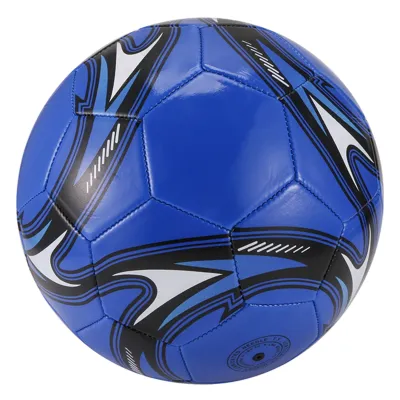

![[SALE] Size 4 & 5 Ball Football Soccer Game Ball Outdoor Football World Cup Football Soccer Ball](https://img.lazcdn.com/g/p/32643ec9e1f3b539f05e352495f6555b.jpg_400x400q80.jpg_.webp)
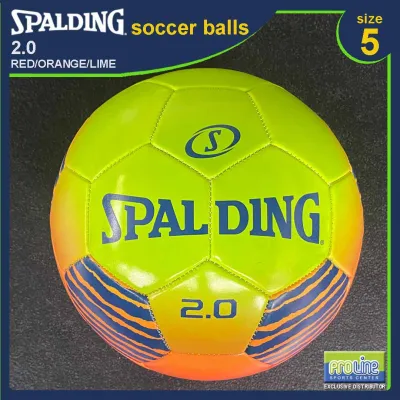
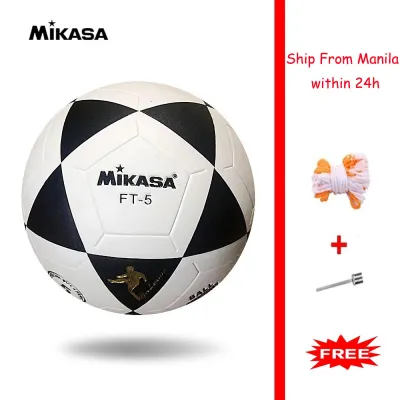
Prices are valid at publication and may change. Please refer to the product page for the latest price.

Skill development also suffers when the ball is too large. Proper dribbling requires close control, which is incredibly difficult when the ball rises above a child’s mid-shin. Passing and shooting mechanics become distorted as well; children will often resort to “toe-poking” or scooping the ball with their entire leg just to move it down the pitch, rather than using the correct instep or laces technique.
Finally, the psychological impact of using the right equipment should not be underestimated. Success builds confidence. When a young player can easily control, pass, and lift a correctly sized ball, they experience immediate positive feedback. This sense of achievement keeps them engaged, motivated, and excited to step back onto the pitch for their next practice.
Detailed Breakdown of Standard Football Ball Sizes
To understand why these age brackets exist, it helps to look closely at the physical dimensions of each standard ball size. The weight and circumference of a football ball are carefully calibrated to match the average physical capabilities of players at different developmental milestones.
Size 3: The Junior Standard
Dimensions and Weight: A standard Size 3 football ball features a circumference of 23 to 24 inches (approximately 58 to 61 centimeters) and typically weighs between 11 and 12 ounces (approximately 310 to 340 grams).
Focus and Development: This size is engineered specifically for early youth leagues. At this stage, training focuses on basic motor skills, spatial awareness, and simple coordination. The lightweight design allows young children to practice passing and soft touches without feeling intimidated by the impact of the ball against their feet.
Size 4: The Youth Transition
Dimensions and Weight: A standard Size 4 football ball has a circumference of 25 to 26 inches (approximately 63.5 to 66 centimeters) and weighs between 12 and 13 ounces (approximately 340 to 370 grams).
Focus and Development: Serving as the bridge between junior play and the adult game, Size 4 is crucial for players aged 8 to 12. During these years, players undergo rapid physical growth and begin learning tactical positioning. The slightly heavier weight of a Size 4 ball accommodates their growing leg strength while still allowing them to refine their passing accuracy and shooting form without straining their muscles.
Size 5: The Official Adult Match Ball
Dimensions and Weight: The official Size 5 football ball has a circumference of 27 to 28 inches (approximately 68 to 70 centimeters) and weighs between 14 and 16 ounces (approximately 410 to 450 grams).
Focus and Development: This is the global standard for high school, college, amateur, and professional play. While it is the ultimate goal for every aspiring player, introducing it too early can be counterproductive. The weight and surface area require a level of core strength and leg power that younger children simply have not developed yet, making it highly unsuitable for players under the age of 12.
Beyond Age: Adjusting for Height, Strength, and Skill Level
While age brackets provide an excellent starting point, they are not absolute rules. Children grow and develop at vastly different rates, meaning physical stature and technical skill should also influence your purchasing decision.
- Height and Leg Length: A player who is exceptionally tall for their age may find a smaller ball awkward to control because their natural stride is much wider. If an 11-year-old is already matching the height of an average 14-year-old, transitioning to a Size 5 ball slightly early can help them maintain a natural running and dribbling posture.
- Physical Strength: Leg power and core stability vary. If a player struggles to send a Size 4 ball more than a few meters during a pass, or if they constantly have to throw their entire body weight into a kick, they are not ready to size up. Conversely, a physically strong player who easily dominates their current ball size without joint fatigue might benefit from the challenge of a larger size.
- Technical Skill Level: Advanced youth players who train multiple times a week under professional coaching may occasionally use a larger ball to challenge their touch, or a smaller Size 1 ball to sharpen their close-quarters footwork. However, any transition outside the standard age bracket should be done gradually to avoid overexertion.
How to Check if Your Current Football Ball is the Right Fit
If you already have a football ball at home and are unsure if it is the correct fit for your child, you can perform a few simple visual and physical checks during their next practice session.
- The Shin Check: Have the player stand flat-footed next to the ball. For younger players using a Size 3 or Size 4, the top of the ball should generally not rise much higher than the mid-shin area. If the ball reaches up to their knee, it is likely too large for comfortable control.
- Observing Kicking Mechanics: Watch the player from the side while they pass or shoot. If they are constantly scooping the ball with their toes or leaning excessively backward just to get the ball off the ground, the ball is likely too heavy. A correctly sized ball allows them to strike with their laces while keeping their body balanced over the ball.
- Post-Practice Fatigue: Pay attention to how the player feels after training. While general tiredness is normal, complaints of localized soreness in the ankles, top of the foot, or knees can indicate that the ball they are kicking is too heavy for their current joint strength.
Buying Considerations: Materials and Construction for Your Level
Once you have determined the correct size, you need to choose a ball built with materials that suit your playing environment. In tropical climates like the Philippines, where high humidity, heavy seasonal rains, and concrete barangay courts are common, material choice directly impacts durability.
- Outer Material: TPU (Thermoplastic Polyurethane) is highly recommended for daily training because it offers a soft touch and excellent durability. PVC is a budget-friendly alternative that is incredibly tough, making it ideal for rough concrete surfaces, though it can feel stiff in cooler weather. Premium match balls use PU (Polyurethane), which provides the ultimate soft feel and responsiveness on grass or artificial turf.
- Bladder Type: The bladder inside the ball holds the air. Butyl bladders offer exceptional air retention, meaning you won't have to pump the ball before every session—perfect for casual play. Latex bladders are preferred for competitive matches because they offer a livelier bounce and softer feel, though they tend to lose air more quickly and require regular inflation.
- Panel Construction: Machine-stitched balls are cost-effective and great for recreational use, with prices often ranging from ₱500 to ₱1,500. For wet weather and humid conditions, look for thermally bonded or hand-stitched balls. Thermal bonding seals the seams, preventing water absorption that can make the ball heavy and waterlogged during sudden tropical downpours.
Frequently Asked Questions (FAQ)
Can a 10-year-old use a size 5 football ball for practice?
It is generally not recommended for a 10-year-old to use a Size 5 ball for regular practice. At age 10, a player’s joints and muscles are still developing, and the extra weight of an adult ball can lead to improper kicking mechanics, ankle strain, and rapid fatigue. While a coach might occasionally use a larger ball for specific, controlled strength drills, daily training and match play should stick to a Size 4 to ensure proper skill progression and physical safety.
How do I know if a football ball is properly inflated?
To check if a football ball is properly inflated, look for the recommended pressure rating (usually measured in PSI or Bar) printed directly next to the inflation valve. Using a pressure gauge is the most accurate method. If you do not have a gauge, you can perform a manual check: press both thumbs firmly into the center of the ball. It should have a very slight give (about 1 to 2 millimeters of depression) but still feel firm. If the ball feels rock-hard or bounces wildly, it is over-inflated; if it feels spongy or sluggish on the ground, it needs more air.
Community discussion
Share your experience or ask a question. Comments are reviewed before publication.