
Choosing the right football size for your child depends primarily on their age and physical development. For children aged 5 to 8, a Size 3 ball is the standard recommendation. Players aged 8 to 12 transition to a Size 4 ball, while those aged 12 and older use the official adult Size 5 ball. Selecting the correct size ensures your child can develop proper technique, avoid injuries, and enjoy their time on the pitch.
In the Philippines, youth football is growing rapidly, with kids playing on a variety of surfaces from muddy school fields to concrete community courts and indoor futsal venues. The intense tropical heat and humidity also play a role in how a ball performs, making the correct fit and material selection even more critical for young athletes.
Why the Correct Football Size Matters for Kids
Using a ball that is too large or heavy can severely disrupt a child’s natural movement patterns. When a young player attempts to kick an oversized ball, they often have to alter their posture, leading to poor kicking mechanics. This compensation can place undue stress on their developing joints, particularly the ankles, knees, and hips, potentially causing strain or overuse injuries.
Products mentioned in this guide
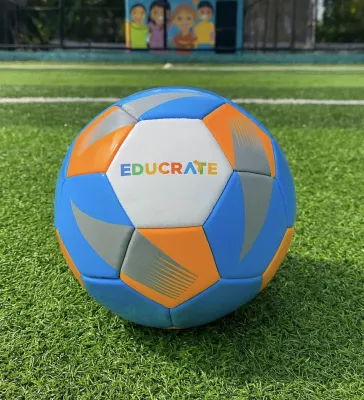
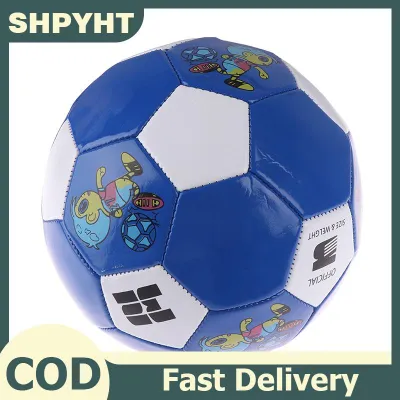
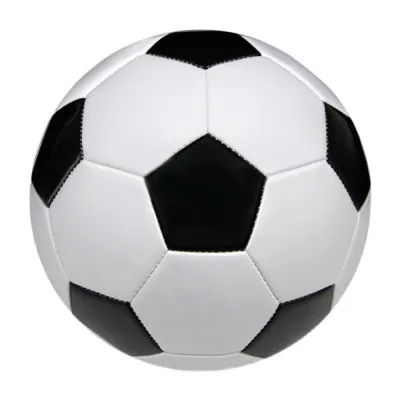
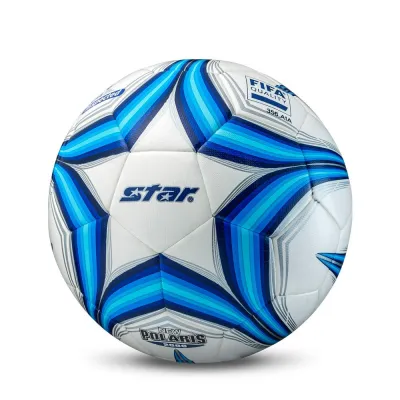
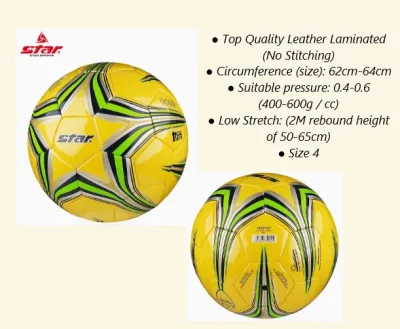
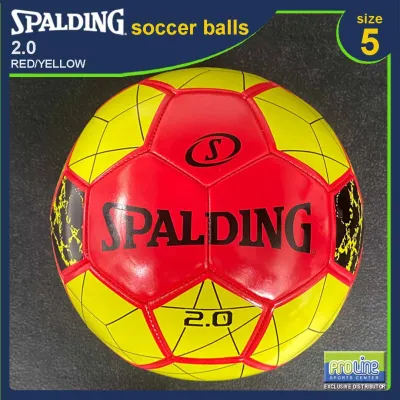
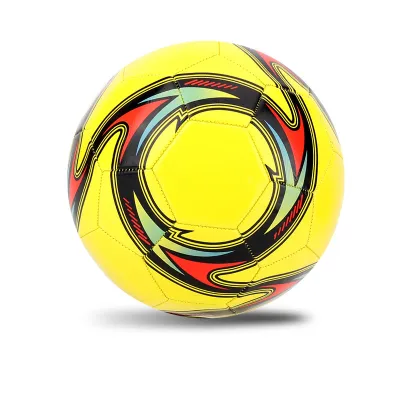
Prices are valid at publication and may change. Please refer to the product page for the latest price.
Conversely, a properly sized ball allows for natural foot contact and clean releases. This directly translates to improved ball control, better passing accuracy, and a more rewarding learning experience. When kids can successfully complete passes and control the ball during drills, their confidence on the pitch grows, keeping them engaged in the sport.
Youth football associations and local sports leagues enforce strict sizing guidelines for a reason. These standards ensure fair play and safety during competitive matches. Standardizing equipment across age brackets ensures that physical development matches the demands of the game, allowing coaches to focus on skill-building rather than managing physical mismatches caused by improper gear.
Standard Football Sizes by Age Group
Football manufacturers produce balls in three primary sizes for youth and adult play: Size 3, Size 4, and Size 5. As the size number increases, both the circumference and the weight of the ball scale upward. Understanding these specifications helps you select a ball that matches your child’s physical capacity and league requirements.

Size 3: For Ages 5 to 8
Designed specifically for early childhood development, a standard Size 3 football typically features a circumference of 23 to 24 inches (approximately 58 to 61 centimeters) and a lighter weight of around 300 to 320 grams. This compact profile is highly manageable for smaller feet and shorter legs.
At this stage, the primary goal of play is to build basic motor skills, coordination, and spatial awareness. The lighter mass of a Size 3 ball allows young players to practice basic dribbling, stopping, and short passes without feeling overwhelmed by the physical effort required to move the ball. It minimizes the fear of impact, encouraging active participation.
Size 4: For Ages 8 to 12
As children enter middle childhood, they transition to a Size 4 football. This medium-sized ball generally has a circumference of 25 to 26 inches (approximately 63.5 to 66 centimeters) and a moderate weight ranging from 350 to 390 grams.
This transitional size is crucial for refining technical skills. Players in this age bracket are developing greater leg strength and coordination, allowing them to practice more advanced passing, shooting, and receiving techniques. If local guidelines and coach instructions permit, it also serves as a safe introduction to heading techniques, provided the ball is inflated correctly to the manufacturer’s specifications.
Size 5: For Ages 12 and Up
Size 5 is the official standard for mature youth players, teenagers, and adult leagues worldwide. It features a circumference of 27 to 28 inches (approximately 68 to 70 centimeters) and a standard weight of 410 to 450 grams.
By the age of 12, most young players have developed the skeletal structure and muscle mass necessary to handle a full-weight match ball safely. Using a Size 5 ball prepares teenagers for high school tournaments, club competitions, and adult play, demanding precise physical control and robust kicking power.
When to Adjust Size Based on Physical Development
While age brackets provide an excellent baseline, physical development is not uniform. Parents should evaluate their child’s individual height, weight, and strength when selecting a football. For instance, a smaller-than-average 8-year-old might struggle with the weight of a Size 4 ball; keeping them on a Size 3 for an extra season can preserve their form and prevent joint fatigue. Conversely, an exceptionally tall or physically strong 11-year-old might benefit from practicing with a Size 5 ball under coach guidance to prepare for upcoming league transitions.
The playing environments common in the Philippines also influence your choice of ball construction alongside its size. Many local kids play on hard concrete multi-purpose courts or rough dirt patches where grass is scarce. For these abrasive surfaces, look for balls with a durable rubber casing or thick, textured polyurethane (PU) covers, which withstand friction much better than soft thermoplastic polyurethane (TPU) or synthetic leather designed solely for natural grass. Additionally, the high humidity and tropical heat can cause air pressure inside the bladder to expand; always check the inflation pressure with a reliable gauge before play to ensure the ball does not become rock-hard, which increases the risk of foot injuries.
Specialized training equipment, such as weighted training balls or irregular reaction balls, follows entirely different sizing and usage guidelines. These tools are designed for specific technical drills and should only be introduced under the direct supervision of a qualified coach to avoid muscle strain. For daily backyard play or casual games, stick to standard-sized recreational balls.
How to Check the Fit Before You Buy
Before purchasing a football, always inspect the manufacturer’s packaging or the printed graphics on the ball itself. Reputable brands clearly print the official size number (3, 4, or 5) and often include the recommended age range near the inflation valve. In local sporting goods stores, basic recreational youth balls typically fall within a broad price band of ₱300 to ₱800, while more durable, match-grade options can range from ₱1,200 to ₱2,500.
If you are shopping at a physical store, you can perform a quick physical check. Have your child stand upright and place the ball on the ground between their feet. As a general guideline, the top of a correctly sized youth football should reach somewhere between their mid-shin and just below their knee. If the ball rises above the knee, it is likely too large for their current height.
You can also observe your child’s posture during a few light kicks. Watch their back and hips; if they have to lean excessively backward or swing their entire upper body just to lift the ball off the ground, the ball is too heavy. A well-fitted ball allows the child to maintain an upright, balanced posture, executing kicks with a natural, fluid leg swing.
Frequently Asked Questions (FAQ)
Can a younger child use a larger football to advance faster?
No, introducing a larger ball too early is counterproductive. An oversized ball forces children to use incorrect kicking techniques to compensate for the extra weight, which can lead to bad habits that are difficult to break later. It also increases the physical strain on their joints, raising the risk of injury and reducing their enjoyment of the game.
How do I know if the football is too heavy for my child?
Look for clear physical cues during or after play. If your child complains of pain in their ankles, knees, or hips after a short session, the ball may be too heavy. Other indicators include an inability to pass the ball more than a few meters, a noticeable reluctance to kick with their non-dominant foot, or a heavy, thudding sound and awkward body contortions when they attempt to strike the ball.
Community discussion
Share your experience or ask a question. Comments are reviewed before publication.