
Quick Answer: Football Sizes by Age Group
Choosing the correct football size is essential for a player’s skill development, comfort, and safety on the pitch. Using a ball that is too large or heavy can lead to poor kicking habits and unnecessary physical strain, while a ball that is too small limits a player’s ability to practice realistic match scenarios. To make a quick decision, you can match the standard football sizes to these general age groups:
- Size 3: Designed for young children aged 8 and under.
- Size 4: Tailored for pre-teens, typically between the ages of 8 and 12.
- Size 5: The official standard for players aged 12, teenagers, and adults.
While these age brackets serve as an excellent starting point, always verify the specific regulations of your local school, youth league, or tournament organizers before making a purchase. Youth sports associations in the Philippines often have localized guidelines that dictate which ball size is permitted for official matches and training sessions.
Size 3 Footballs: Building Foundations for Young Players
Size 3 footballs are the smallest standard balls used in organized youth play, typically measuring between 23 and 24 inches (58 to 60 centimeters) in circumference. They are specifically engineered for children aged 8 and under who are just beginning to explore the sport. At this developmental stage, young players are still building basic motor skills, coordination, and lower-body strength, making a smaller ball highly beneficial.
Products mentioned in this guide
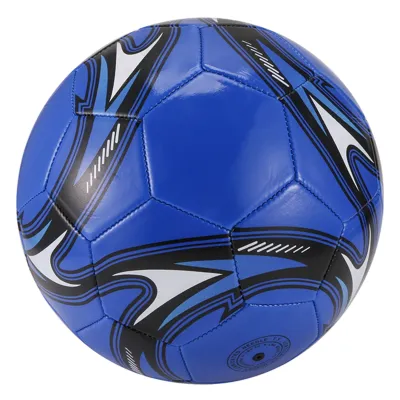
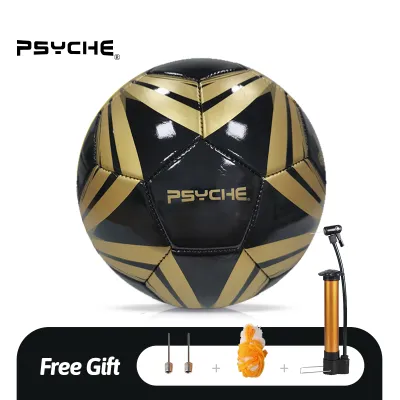
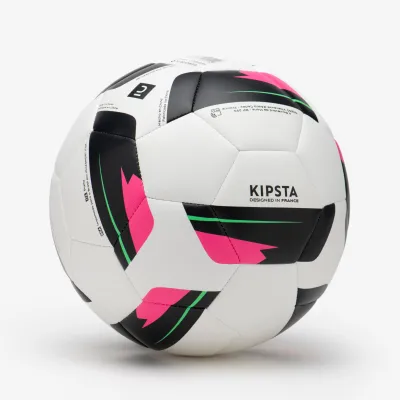
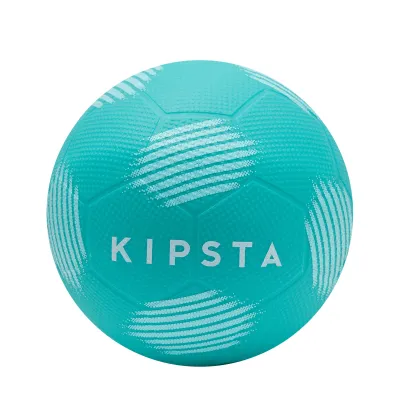
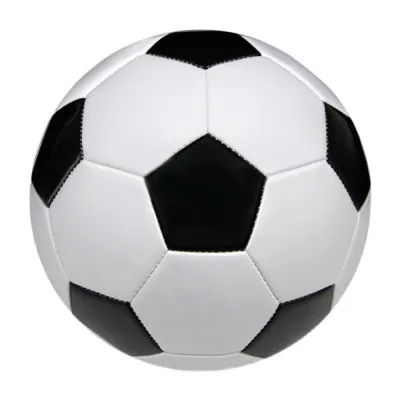
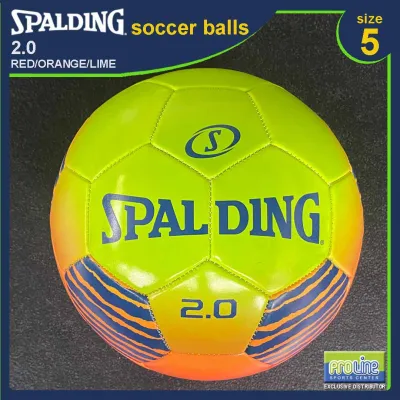
Prices are valid at publication and may change. Please refer to the product page for the latest price.

The primary advantage of a Size 3 ball lies in its reduced weight and scaled-down dimensions, which help prevent joint strain on developing ankles and knees. When a child attempts to kick a ball that is too heavy, they must exert excessive force, which can compromise their natural running stride and kicking mechanics. A lighter ball allows them to focus on proper foot placement and follow-through without fear of discomfort.
Using a size-appropriate ball also plays a critical role in building athletic confidence. Children can easily get their foot under a Size 3 ball to lift it, pass it to a teammate, or shoot at a mini-goal. This immediate physical feedback makes the game more enjoyable and encourages them to continue practicing their dribbling and control.
These balls are ideal for introductory training clinics, physical education classes, and casual backyard play. In tropical climates where high heat and humidity can quickly tire out young athletes, a lighter ball helps conserve their energy, allowing for longer, more productive play sessions without premature fatigue.
Size 4 Footballs: The Transitional Stage for Pre-Teens
Size 4 footballs serve as the crucial transitional bridge between early youth play and adult-level competition, measuring 25 to 26 inches (63.5 to 66 centimeters) in circumference. This size is standard for pre-teens, generally covering players aged 8 to 12. During these years, players undergo rapid physical growth and begin to learn more advanced tactical concepts, requiring a ball that matches their evolving physical capabilities.
Transitioning to a Size 4 ball introduces players to a slightly heavier and larger object, which helps them develop the muscle memory needed for longer passes and more powerful shots. The increased mass requires more precise foot contact, teaching players how to control the ball’s trajectory and spin. This stage is vital for mastering fundamental skills like trapping, short passing, and directional dribbling.
When deciding whether a player is ready to transition to a Size 4 ball, look for physical readiness indicators rather than relying solely on age. If a player has developed sufficient leg strength to easily clear a Size 3 ball across a small pitch, or if they are tall for their age, they are likely ready for the upgrade. Conversely, if a player is smaller than average, keeping them on a Size 3 ball for a bit longer can prevent frustration and preserve their technical form.
Coaches and parents should monitor how the player handles the larger ball during training. If the player begins to drag their kicking foot or lean excessively backward to lift the ball, it may be a sign that the Size 4 ball is still slightly too heavy for their current strength level. In such cases, blending training sessions with both sizes can ease the transition.
Size 5 Footballs: The Official Standard for Teens and Adults
Size 5 footballs represent the official global standard for the sport, measuring 27 to 28 inches (68 to 70 centimeters) in circumference. This is the size used by players aged 12 and older, spanning teenagers, collegiate athletes, and adult recreational or professional players. It is the ball you see in major international tournaments and professional leagues worldwide.
Handling a Size 5 ball effectively requires a solid foundation of physical strength and refined kicking technique. Because the ball weighs between 410 and 450 grams, players must use their core, hips, and leg muscles in unison to generate power and distance. Attempting to play with a Size 5 ball without proper mechanics can lead to muscle strain or foot discomfort, particularly for younger players who have transitioned too quickly.
When selecting a Size 5 ball, it is essential to match the ball’s construction to the specific playing surface and competitive level. For instance, a high-performance match ball designed for lush natural grass may not perform well or last long on a hard, dry dirt field or a concrete barangay court. Understanding where the ball will be used most frequently ensures you get the best performance and durability.
For competitive players, practicing with the exact size and weight they will encounter in official matches is non-negotiable. It ensures that their spatial awareness, passing weight, and shooting accuracy remain consistent between training sessions and game days.
Factors Beyond Size: Material, Surface, and Purpose
Selecting the right football involves looking beyond the number printed on the casing; you must also consider how the ball is constructed and where it will be used. Footballs are generally categorized into three main types based on their intended purpose: match balls, training balls, and recreational balls. Each type features distinct material compositions and construction methods designed to balance performance, durability, and cost.
Match balls are engineered for official competitive play, prioritizing a soft touch, accurate flight path, and optimal bounce. They are often constructed with premium polyurethane (PU) outer covers and latex bladders, which offer excellent responsiveness but require regular inflation. While they provide a premium playing experience, they are typically more expensive, with prices often exceeding ₱3,000, and are highly susceptible to wear on rough surfaces.
Training balls are the workhorses of the pitch, designed to withstand repeated use over long periods. They usually feature tougher outer casings made of durable polyurethane or polyvinyl chloride (PVC) and utilize butyl bladders for superior air retention. These balls are highly durable and budget-friendly, often priced between ₱800 and ₱1,800, making them a highly suitable choice for daily practice sessions on various surfaces.
Recreational balls are designed for casual play, backyard games, or beach outings. They are often machine-stitched or glued, using cheaper PVC materials that resist water and abrasion but offer less consistent bounce and shape retention. These are highly affordable options, often found under ₱800, making them perfect for family gatherings or informal play where high performance is not a priority.
The playing surface is a critical factor in determining the longevity of your football, especially in the Philippines where playing conditions vary widely. If you play primarily on concrete covered courts or rough street surfaces, standard grass balls will wear down rapidly. For these environments, look for specialized street footballs with reinforced rubber or canvas-like outer layers that can handle abrasive friction without peeling.
For artificial turf, which generates more heat and friction than natural grass, look for balls labeled specifically for turf use. These balls often feature textured outer skins to maintain grip and reinforced seams to resist the abrasive synthetic fibers. If you play on natural grass, standard training or match balls will perform beautifully, provided they are kept clean and dry after use.
Material checks are vital when evaluating a ball’s suitability for humid, tropical climates. Polyurethane (PU) covers offer a premium, leather-like feel and remain flexible in various temperatures, but they can degrade if left in damp, unventilated spaces. Polyvinyl Chloride (PVC) is exceptionally durable and highly resistant to moisture, making it excellent for rainy-season play, though it can feel stiff in cooler weather.
The bladder inside the ball also dictates its maintenance needs. Butyl bladders are highly recommended for recreational and training balls because they retain air for weeks, reducing the need for constant pumping. Latex bladders, preferred for high-level match balls, provide a livelier bounce and softer feel but lose air daily, requiring you to carry a pump to every session.
How to Verify the Right Fit and Quality Before Buying
Before finalizing your purchase at a local sporting goods store or an online marketplace, taking a few moments to inspect the ball can save you from buying a defective or poorly suited product. Start by checking the manufacturer’s labels and packaging. Reliable brands print the official size, weight, and recommended inflation pressure directly on the ball, usually near the inflation valve.
If you are purchasing a ball for school varsity or club tournaments, look for official certification marks such as FIFA Quality Pro, FIFA Quality, or IMS (International Match Standard). These marks indicate that the ball has undergone standardized testing for shape retention, water absorption, bounce, and circumference. While certified balls are more expensive, they guarantee a high level of quality and consistency.
Next, perform a physical inspection of the ball’s seams and construction. Run your fingers along the panels to check the stitching. Hand-stitched balls feature deep, tight seams that protect the thread from wear, while machine-stitched balls have shallower seams with visible threads that may fray over time on rough surfaces. Thermally bonded balls have no stitches at all; their panels are glued together using heat, which provides excellent water resistance and prevents the ball from becoming waterlogged during heavy tropical downpours.
Examine the inflation valve carefully. The valve should be flush with the ball’s surface and made of high-quality rubber or silicone. A loose or poorly aligned valve is a common source of slow air leaks. If possible, ask the store staff to inflate the ball to its recommended pressure so you can check for any immediate shape distortion or surface irregularities.
Proper inflation is crucial for both performance and safety. Locate the recommended pressure range, which is typically measured in pounds per square inch (PSI) or bar. For most standard footballs, this range is between 6.0 and 12.0 PSI. Always use a dedicated pressure gauge to verify the inflation level, as relying on manual estimation—such as squeezing the ball with your thumbs—is highly inaccurate and often leads to under-inflation.
Keep in mind that environmental factors affect air pressure. In hot, humid climates, air inside the ball expands when exposed to direct sunlight on the pitch. If you inflate a ball to its maximum pressure limit in an air-conditioned indoor environment, it may become over-pressurized and rock-hard once you step outside onto a hot field. To prevent seam damage or injury, always verify and adjust the pressure at the playing venue.
Frequently Asked Questions (FAQ)
Can a younger player use a larger football for practice?
Using an oversized or overly heavy football for practice is not recommended for young, developing players. A larger ball, such as a Size 5 ball used by an 8-year-old, places excessive physical strain on their developing joints, ligaments, and muscles. Because their leg strength is still developing, they must use unnatural body movements—such as swinging their entire hip or leaning awkwardly—to move the heavy ball, which can lead to overuse injuries and poor kicking habits.
Furthermore, using a ball that is too large can severely damage a young player’s confidence. They will struggle to lift the ball, complete accurate passes, or control dribbles, leading to frustration and a loss of interest in the sport. While rolling a larger ball around in a casual, low-intensity backyard setting is harmless, all structured training and skill development should be conducted with the age-appropriate ball size.
What is the difference between a standard outdoor ball and a futsal ball?
While standard outdoor footballs and futsal balls may look similar at a glance, they are engineered for entirely different playing environments. A standard outdoor ball (such as a Size 4 or 5) is designed for grass or turf pitches, featuring a high-bounce bladder that allows the ball to travel long distances through the air. In contrast, a futsal ball is designed specifically for hard, indoor court surfaces.
Futsal balls are typically smaller—roughly equivalent to a Size 4 in circumference—but are significantly heavier than a standard outdoor ball of the same size. They feature a specialized low-bounce bladder filled with foam or synthetic fibers, which dampens the bounce and keeps the ball close to the floor. This design encourages rapid footwork, close control, and short, precise passing on hard surfaces. Using a standard outdoor ball on an indoor court results in excessive bouncing, making the game difficult to control and increasing the risk of the ball flying out of bounds.
How do I know if a football is properly inflated?
The only reliable way to know if a football is properly inflated is to use a dedicated pressure gauge. Every quality football has its recommended inflation pressure printed directly on the casing, usually near the valve, expressed in PSI (pounds per square inch) or bar. Standard outdoor footballs typically require between 8.0 and 12.0 PSI, while some youth or training balls may recommend lower pressures.
Relying on manual checks, such as pressing your thumbs into the casing or dropping the ball to see how high it bounces, is highly inaccurate. An under-inflated ball will feel heavy, roll sluggishly, and absorb water more easily through the seams. An over-inflated ball becomes rock-hard, which increases the risk of foot, ankle, or head injuries during play, and puts immense stress on the seams, potentially causing the ball to warp or burst.
Community discussion
Share your experience or ask a question. Comments are reviewed before publication.