
Finding a way to carry water on your bicycle can be surprisingly frustrating when your frame lacks standard mounting points, has an unusual geometry, or is crowded by suspension components and frame bags. The ideal water bottle holder type for your bike depends entirely on your frame’s physical layout, tube diameters, and riding style: traditional frame cages offer the most secure and aerodynamic placement if you have threaded eyelets, while handlebar and seatpost mounts provide essential alternative mounting locations for folding bikes, full-suspension mountain bikes, or small frames with limited interior clearance.
How do frame cage mounts work and which bikes support them?
Frame cage mounts are the standard system for carrying fluids on a bicycle, relying on built-in threaded inserts set directly into the frame tubes. Typically, you will find these pairs of threaded holes, often called bottle bosses or braze-ons, on the top side of the down tube and the front side of the seat tube. They are spaced at a standardized distance of 64 millimeters, allowing you to bolt on almost any standard commercial bottle cage. This position keeps the heavy weight of the water low and centered within the frame’s main triangle, which helps maintain the bike’s natural balance and handling characteristics.
However, successfully using a frame mount requires sufficient physical clearance inside the frame triangle. The physical size of your water bottle, combined with the height of the cage itself, determines how much open space you need to slide the bottle in and out. Standard road, hybrid, and hardtail mountain bikes with traditional diamond-shaped frames usually offer ample room for one or two large bottles. On these setups, you can easily access your hydration while riding by reaching down into the main triangle, making it the most efficient and ergonomic option for most cyclists.
Products mentioned in this guide
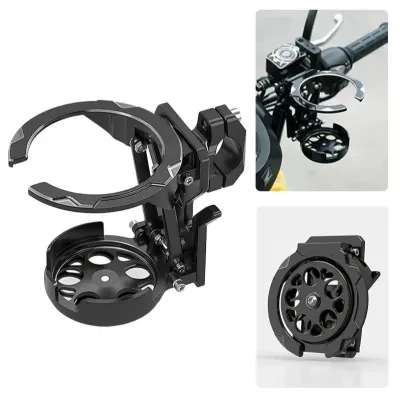
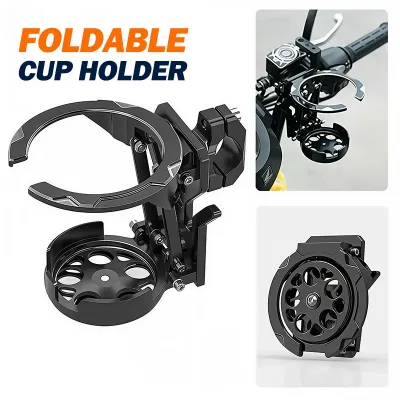
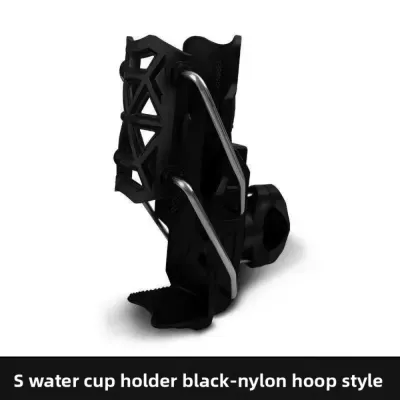
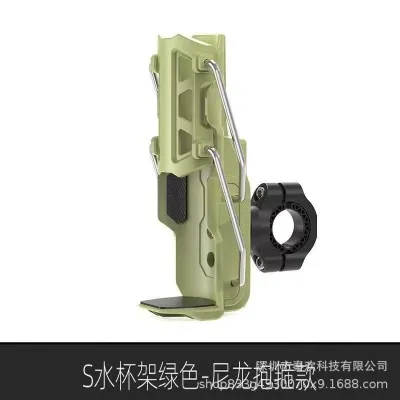
31 Lazada user ratings
Universal compatibility, Perfect for MTB and road bikes, Perfect for MTB and road bikes, High quality assurance, High quality assurance, Fas…Read full reviewShow less
Universal compatibility, Perfect for MTB and road bikes, Perfect for MTB and road bikes, High quality assurance, High quality assurance, Fast shipping from Philippines, Fast shipping from Philippines, Good packaging quality, Good packaging quality, Durable engineering plastic, Durable engineering plastic,
🔨Durability:10 🔌Compatibility:10 🛠️Ease of Installation:10Secure bottle retention, maganda sana pala ganito din ang binili ko sa bike ko at s…Read full reviewShow less
🔨Durability:10 🔌Compatibility:10 🛠️Ease of Installation:10Secure bottle retention, maganda sana pala ganito din ang binili ko sa bike ko at sa sa kong anak. thank you sa seller at sa lazada.
Got it.. Medyo yupi yupi na kahon akala ako may damage pero ok naman kumpleto parts... Maganda naman kahit na black sana gusto ko.. Tyamba s…Read full reviewShow less
Got it.. Medyo yupi yupi na kahon akala ako may damage pero ok naman kumpleto parts... Maganda naman kahit na black sana gusto ko.. Tyamba sa presyo.. Salamat salamat seller
Adjustable handlebar fit,
Putol yung parts no good
Prices are valid at publication and may change. Please refer to the product page for the latest price.
Despite their popularity, frame mounts present significant limitations on certain bike designs. Small frame sizes, step-through commuter frames, and full-suspension mountain bikes often lack the internal space required to fit a standard bottle and cage. On full-suspension models, the rear shock assembly frequently occupies the space where a second bottle would normally sit, or it may crowd the down tube so much that even a single small bottle cannot clear the frame. In these restricted spaces, attempting to force a standard top-entry cage can result in the bottle hitting the frame or shock, potentially causing damage during rough rides. Cyclists facing these tight clearances must often look to side-pull cages or alternative mounting locations altogether.
When should you use a handlebar water bottle holder?
A handlebar-mounted water bottle holder is an excellent solution when your bike frame lacks built-in mounting points or when you need to expand your carrying capacity for long-distance journeys. This style of mount positions your water directly in front of you, making it incredibly easy to reach without bending down or taking your eyes off the path ahead. It is highly favored by casual riders, commuters, and cycle tourists who prioritize convenience and quick access over aerodynamics. If your frame is already fully packed with frame bags for bikepacking, moving your bottles to the handlebars keeps your hydration accessible.

Before choosing a handlebar mount, you must verify the physical dimensions of your cockpit and check for potential hardware interference. Handlebars come in various clamping diameters, typically ranging from 22.2 millimeters to 31.8 millimeters, so you must select a mount with a clamp or strap system that matches your specific handlebar profile. Additionally, you need to ensure there is enough clear space on the bar to install the mount without pinching your brake hoses, gear cables, or electronic shifting wires. A crowded handlebar can prevent the mount from clamping securely, which may lead to the holder slipping or rotating when you ride over bumps.
It is also vital to consider how a handlebar-mounted bottle affects your bike’s steering dynamics and weight distribution. Placing one or two full water bottles on your handlebars adds significant weight directly to your steering axis, which can make the front end feel heavy, slow, or prone to flopping when parked. While this setup is perfectly manageable for steady commuting, touring, or casual recreational riding, it is generally unsuitable for aggressive road racing or technical trail riding. On fast descents or rough off-road terrain, the extra weight on the handlebars can compromise your steering precision and make it harder to navigate obstacles safely.
Is a seatpost mount the right choice for your bike frame?
A seatpost water bottle mount offers a highly effective alternative for carrying hydration when your main frame triangle is completely obstructed or lacks standard bottle bosses. These systems utilize a clamp or a heavy-duty strap system that wraps securely around your seatpost, positioning the bottle directly behind your saddle. This placement is highly popular among triathletes and long-distance road cyclists because it tucks the bottle out of the wind, reducing aerodynamic drag while keeping the main frame clear for other gear or maintaining a clean aesthetic.
When evaluating a seatpost mount, you must pay close attention to the diameter and material of your seatpost. Most mounts are designed to fit standard round seatposts, but they may not be compatible with aerodynamic or proprietary oval-shaped posts found on some modern road and time-trial bikes. Furthermore, if your bike features a carbon fiber seatpost, you must exercise extreme caution. Carbon fiber is highly sensitive to clamping pressure; using a metal clamp or over-tightening a strap-on mount can crush or score the carbon tube, leading to catastrophic structural failure while riding. Always check if the mount manufacturer explicitly approves their product for use on carbon components.
Clearance is another critical factor to check before committing to a seatpost-mounted holder. Because the bottle sits behind and below your saddle, you must ensure it does not interfere with your rear tire, especially when riding a full-suspension mountain bike where the rear wheel moves upward as the suspension compresses. You also need to verify that the bottle will not block your rear safety lights, rub against your thighs while pedaling, or conflict with other rear-mounted accessories like mudguards, fenders, or saddlebags. If you plan to use a dropper seatpost on a mountain bike, a seatpost mount can restrict the post’s travel or damage the stanchion, making this setup unsuitable for most dropper-equipped bikes.
Which water bottle holder type matches your specific bike category?
Matching your water bottle holder to your specific bike category ensures that your hydration setup aligns with your riding position, frame geometry, and typical terrain. For dedicated road bikes, traditional frame cages remain the gold standard because they preserve the bike’s aerodynamic profile and keep the center of gravity low. If you ride a compact road frame with limited space, a side-entry frame cage or a dual-bottle seatpost mount behind the saddle can provide the necessary capacity without disrupting your aerodynamic efficiency or knee clearance.
Mountain bikes require a more rugged approach to hydration due to the rough terrain and varied frame designs. Hardtail mountain bikes typically have spacious front triangles that easily accommodate standard frame cages, which should be robust enough to hold bottles securely over bumps. For full-suspension mountain bikes, where rear shocks block the frame triangle, seatpost mounts are sometimes used, but they can interfere with dropper posts. In these cases, many riders opt for specialized side-pull frame cages designed for tight spaces, or they bypass bottle mounts entirely in favor of a hydration backpack or hip pack to keep the bike light and nimble.
Folding bikes present unique challenges due to their compact frames and folding mechanisms. Because these bikes must fold down into a compact package, they rarely feature standard frame bottle bosses, and any mounted accessory must not interfere with the folding joints. Handlebar-mounted holders or quick-release seatpost mounts are highly effective for folding bikes, as they can be easily adjusted or detached when it is time to collapse the frame for transit or storage.
Gravel and touring bikes are designed for long-distance self-sufficiency, making a multi-mount strategy highly beneficial. These frames often feature multiple sets of threaded inserts, not just on the down tube and seat tube, but also on the underside of the down tube and along the front fork legs. For these adventure-focused bikes, combining traditional frame cages with handlebar-mounted feed bags or fork-mounted cages allows you to carry maximum water capacity across varying terrain, ensuring you stay hydrated on remote routes where replenishment points are scarce.
How do you verify compatibility before buying a new holder?
To avoid the frustration of purchasing a water bottle holder that does not fit, you should perform a thorough physical inspection and measurement of your bike before making a decision. Start by visually inspecting your frame for existing threaded inserts; if they are present, measure the distance between the holes to confirm they match the standard 64-millimeter spacing. If your frame lacks these inserts, you will need to measure the outer diameter of your frame tubes, handlebars, or seatpost using a caliper or a flexible measuring tape to ensure the clamp of your chosen aftermarket mount matches those exact dimensions.
Next, consult the manufacturer guidelines for both your bicycle and the mounting accessory. This step is particularly crucial if your bike features carbon fiber components, as you must verify the maximum torque limits for any clamps or bolts to prevent cracking the carbon weave. Additionally, check if installing an aftermarket clamp-on mount on your frame or seatpost complies with your bicycle manufacturer’s warranty terms, as some brands discourage clamping accessories directly to thin-walled aluminum or carbon tubes.
Finally, perform a physical clearance test to simulate real-world riding conditions. If you are installing a frame cage in a tight space, use a cardboard cutout or an empty bottle to check if you can easily insert and remove the bottle without hitting the top tube or rear shock. For handlebar mounts, turn your handlebars fully from left to right to ensure the bottle and mount do not pinch your cables or strike the frame. For seatpost mounts, especially on full-suspension bikes, let the air out of your rear shock (or compress the suspension fully) to verify that the rear tire does not make contact with the bottle holder at maximum suspension travel.
Community discussion
Share your experience or ask a question. Comments are reviewed before publication.