
Quick Answer: Which Dip Bar Configuration Fits Your Space?
Choosing the right dip bar configuration for your home gym in the Philippines depends on your living situation, available space, and structural constraints. If you have a dedicated workout area and want a versatile, drill-free setup, freestanding dip bars offer excellent stability. For renters or those with limited space, doorway dip bars provide a temporary, space-saving alternative, provided your door frames are structurally sound. If you own your home and have solid concrete or masonry walls, a wall-mounted dip bar delivers a permanent, highly stable platform that saves valuable floor space.
Before purchasing, you must verify your floor area, wall composition, and door frame dimensions. This guide breaks down the essential structural checks, installation requirements, and space considerations to help you select the safest and most effective setup for your fitness routine.
Freestanding Dip Bars: Floor Space and Stability Checks
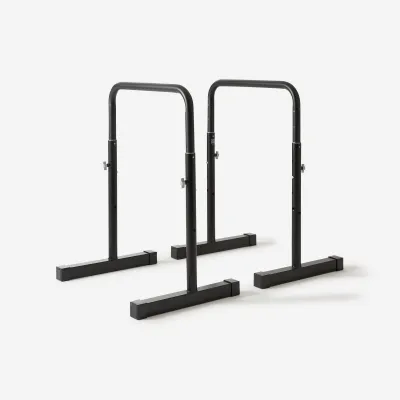
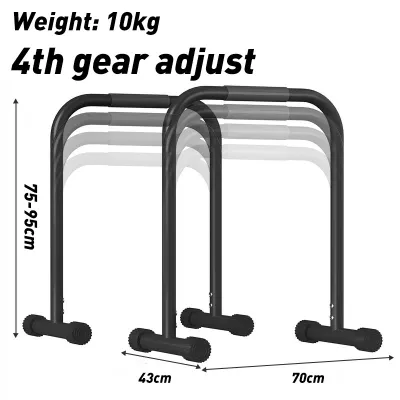
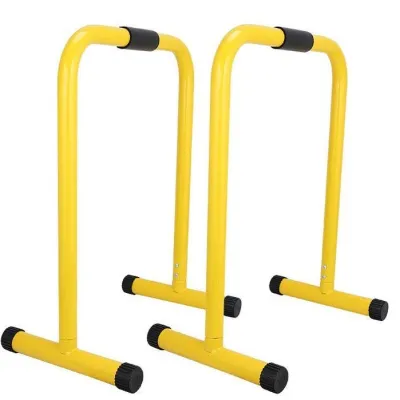
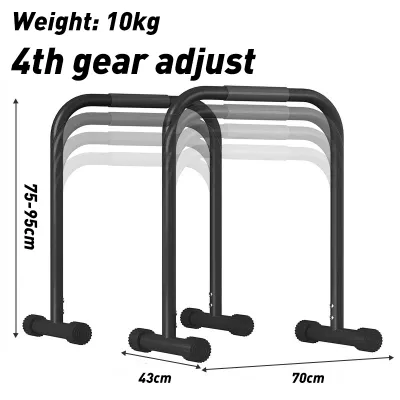
Freestanding dip bars, also known as dip stations or power towers, are self-supporting structures that rest directly on your floor. Because they do not rely on walls or door frames for support, they are highly versatile but require a significant amount of dedicated space.
Products mentioned in this guide
Prices are valid at publication and may change. Please refer to the product page for the latest price.

Space Footprint and Clearance Checks Before choosing a freestanding unit, measure your available floor area. These stations typically require a footprint of at least one square meter of flat, level ground. Additionally, you must account for overhead clearance and lateral space. When performing dips, your head will rise above the top of the bar, and your elbows will flare outward. Ensure there is at least 50 centimeters of clear space around the perimeter of the unit and sufficient ceiling height to prevent head injuries during explosive movements.
Stability and Base Verification Stability is critical for safety during dynamic bodyweight exercises. When evaluating freestanding options, check the manufacturer’s specifications for base width and overall equipment weight. A wider base and a heavier frame generally reduce the risk of tipping or rocking. Look for units equipped with non-slip rubber footpads, which help grip the floor and prevent the station from sliding during intense workouts. In tropical climates like the Philippines, high humidity can cause metal frames to rust over time; verify that the steel is finished with a durable, rust-resistant powder coating.
Versatility and Multi-Functionality Many freestanding dip stations are designed as multi-functional towers. These units may include integrated pull-up bars, push-up handles, or vertical knee raise stations. While these features add variety to your home workouts, they also increase the overall height and depth of the equipment. Always verify the exact dimensions of all attachment points and ensure your workout space can accommodate the full range of motion required for each exercise.
Floor Load and Portability Limits Although freestanding units do not require drilling, they are heavy and bulky. If your home gym is located on an upper floor or a wooden mezzanine, verify that the floor structure can safely support the combined weight of the equipment and your body. Additionally, consider how easily you can move the unit. Some models feature transport wheels, while others are completely static and difficult to relocate once assembled.
Doorway Dip Bars: Leverage and Frame Compatibility
Doorway dip bars utilize leverage or clamping mechanisms to secure themselves to a standard door frame. They are popular among fitness enthusiasts who live in apartments or have limited floor space, but they require strict structural compatibility to ensure safe operation.
Door Frame Structural Inspection The safety of a doorway dip bar depends entirely on the strength of your door frame. You must verify that the frame is constructed from solid wood or reinforced metal. Many modern residential doors in the Philippines use lightweight PVC, hollow composite materials, or thin aluminum frames, which cannot support the dynamic leverage of bodyweight exercises. Inspect the top trim of the door frame to ensure it is securely nailed to the wall studs and can support the weight of the equipment and the user.
Leverage and Spatial Clearance Doorway dip bars require sufficient clearance on both sides of the door. Verify that there is enough room behind the door to perform your exercises without your knees or feet hitting the wall or the door itself. You must also ensure that the door can open fully to allow proper installation of the bar’s support brackets or leverage arms. Measure the width of your doorway and compare it to the manufacturer’s minimum and maximum width requirements before purchasing.
Installation, Removal, and Surface Protection Most doorway dip bars are designed for quick installation and removal, allowing you to clear the doorway when the equipment is not in use. Look for models that feature thick foam or rubber padding at all contact points to protect your door frame’s paint and wood trim from scratches or dents. Always inspect the locking mechanisms or safety pins before each workout session to ensure the bar is securely locked in place.
Exercise Limitations and Storage While doorway dip bars are highly portable, they limit the variety of exercises you can perform. Due to the confined space of a standard doorway, advanced movements like leg raises, weighted dips, or explosive repetitions may be restricted. Additionally, because you must remove the bar to close the door, you will need a dedicated storage spot nearby to keep the equipment organized when not in use.
Wall-Mounted Dip Bars: Structural Integrity and Installation
Wall-mounted dip bars are fixed directly to a wall, offering a highly stable and space-saving solution for dedicated home gyms. However, they require permanent installation and a thorough assessment of your home’s structural walls.
Wall Material and Structural Assessment Before purchasing a wall-mounted unit, you must identify the material of the wall where you plan to install it. In the Philippines, residential walls are commonly constructed from concrete hollow blocks (CHB), solid concrete, or drywall with timber or metal studs. Wall-mounted dip bars should never be installed directly into unsupported drywall or plaster. Consult the manufacturer’s installation manual to verify which wall materials are compatible with the included mounting hardware.
Stud and Anchor Verification For drywall installations, you must use a stud finder to locate the center of structural timber studs; mounting the bar into metal studs or unsupported drywall can lead to catastrophic structural failure. For concrete or masonry walls, standard plastic wall plugs are insufficient for supporting dynamic bodyweight loads. You must use heavy-duty steel expansion bolts (often referred to as dynabolts) to secure the mounting brackets. Ensure you have access to a hammer drill and the correct masonry drill bits to complete the installation safely.
Height and Clearance Planning Unlike portable options, a wall-mounted dip bar cannot be easily adjusted once installed. Carefully plan the mounting height before drilling any holes. The bars should be positioned high enough to allow your legs to extend fully without touching the floor, while still leaving enough clearance between your head and the ceiling at the top of the movement. Measure the distance from the wall to the outer edge of the bars to ensure your body has enough room to move freely without contacting the wall surface.
Permanence and Property Restoration Wall-mounted units are permanent fixtures that leave significant holes in your walls when removed. If you are renting your home, check your lease agreement or consult your landlord before drilling into structural walls. Removing the brackets will require patching the holes with concrete filler or drywall compound, sanding, and repainting the surface to restore it to its original condition.
Decision Framework: Matching the Dip Bar to Your Home Gym
To choose the right dip bar configuration, evaluate your home gym setup against your space constraints, property ownership, and installation capabilities. Use the following guidelines to match your needs to the correct equipment type.
Choose Freestanding if:
- You have a dedicated workout area with ample floor space.
- You want a multi-functional station that supports pull-ups, push-ups, and leg raises.
- You are renting your home and want to avoid drilling into walls or modifying door frames.
- You prefer a setup that requires no structural verification of walls or doors.
Choose Doorway if:
- You have limited floor space and need a highly portable, easily stowed option.
- You have verified that your door frames are made of solid wood and are structurally sound.
- You want a budget-friendly option that requires no permanent installation tools.
- You do not mind removing the equipment after every workout session.
Choose Wall-Mounted if:
- You own your home or have permission to drill into structural walls.
- You have solid concrete, masonry, or wood-stud walls capable of supporting heavy loads.
- You want a permanent, highly stable setup with a minimal floor footprint.
- You possess the necessary tools and skills for secure masonry or stud installation.
Verify First if:
- You live in a rental property with strict rules against wall modifications.
- Your door frames are made of hollow composite materials, PVC, or thin aluminum.
- Your floors are uneven or cannot support heavy, concentrated loads.
| Feature | Freestanding Dip Bars | Doorway Dip Bars | Wall-Mounted Dip Bars |
|---|---|---|---|
| Floor Footprint | Large (requires ~1 sqm) | None (suspended) | None (suspended) |
| Installation Effort | Low (assembly only) | Low (no tools required) | High (requires drilling) |
| Structural Requirement | Flat, level floor | Solid wood/metal frame | Concrete or wood studs |
| Portability | Moderate to low | High (easily stowed) | None (permanent) |
| Stability Level | High (depends on base) | Moderate (leverage-based) | Maximum (fixed to wall) |
Frequently Asked Questions (FAQ)
Can I use a doorway dip bar on a hollow core door frame?
No, you should not use a doorway dip bar on a hollow core or composite door frame. These frames lack the structural density and internal reinforcement required to withstand the intense, concentrated leverage and dynamic forces exerted during bodyweight exercises. Using a dip bar on a weak frame can crack the wood, warp the jamb, or cause the entire unit to collapse during use, leading to severe injury. Always check the manufacturer’s explicit warnings regarding frame materials. If you are unsure of your door frame’s composition, choose a freestanding or wall-mounted alternative instead.
Do wall-mounted dip bars damage the wall when removed?
Yes, removing a wall-mounted dip bar will leave visible structural damage that requires repair. Because these units must be secured using heavy-duty steel expansion bolts or large lag screws, they leave deep holes in concrete, masonry, or timber studs. When you remove the brackets, you will need to patch the holes with appropriate filler, sand the surface smooth, and apply matching paint to restore the wall. If you are renting your home, consult your landlord or review your lease agreement before drilling, as unauthorized installations may result in security deposit deductions.
Community discussion
Share your experience or ask a question. Comments are reviewed before publication.