
Choosing between a front rack for a bike and a rear rack is not a matter of finding a single, universal winner. Instead, the ideal cargo solution depends on your specific load weight, bike geometry, riding venue, and handling preferences. Whether you are navigating busy city streets in the Philippines, embarking on a multi-day gravel bikepacking trip, or simply running weekend errands, how you distribute your gear directly affects your bicycle’s stability, steering, and overall safety.
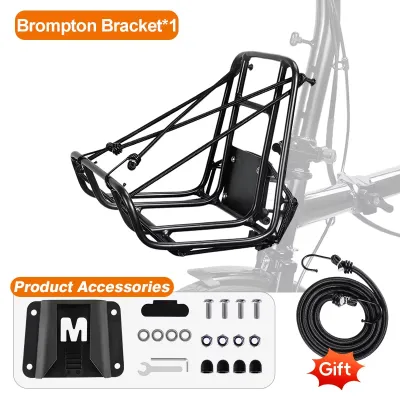
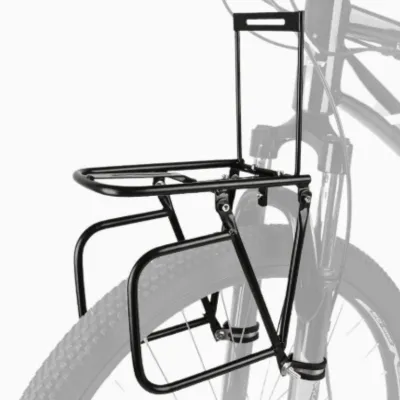
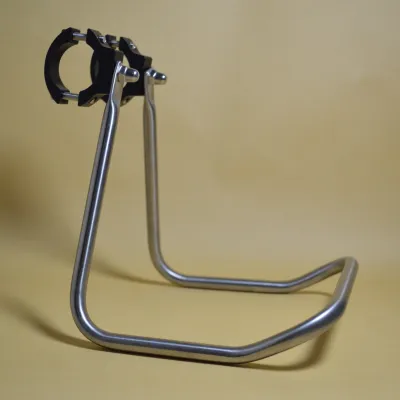
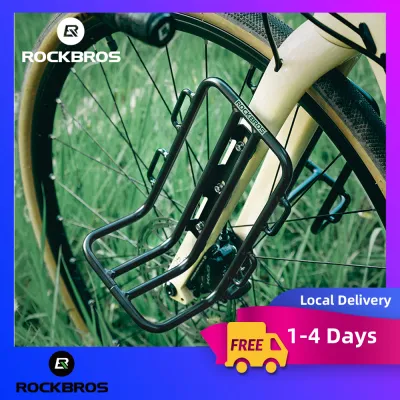
A front rack for a bike is mounted directly over or alongside the front wheel. These racks attach to the fork blades, front dropouts, or the front axle, placing the weight of your cargo directly over the steering axis. Because the load moves when you turn the handlebars, a front rack has an immediate and noticeable impact on steering dynamics and steering inertia. Depending on the design—such as a high-mounted porteur platform or a low-rider rack that sits close to the axle—front racks can either quicken or slow down your steering response.
A rear rack, by contrast, is positioned over the rear wheel and typically mounts to the seatstays and rear dropouts. This configuration places the cargo behind the rider’s saddle, anchoring the weight to the strongest part of the bicycle frame: the rear triangle. Because the rear wheel does not pivot to steer, carrying cargo on a rear rack keeps the steering feel light and familiar. However, it shifts the bicycle’s overall center of gravity backward, which introduces different handling characteristics, particularly when climbing steep hills or riding out of the saddle.
Products mentioned in this guide
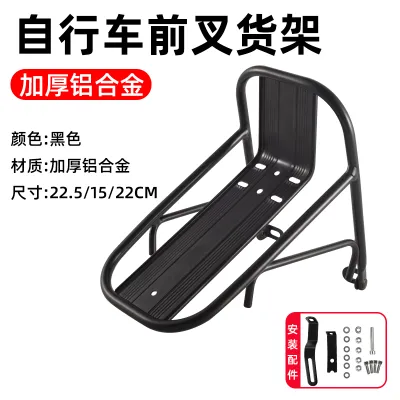
15 Lazada user ratings
Lightweight and durable, Fast shipping service, Secure mounting system, Sturdy aluminum frame, serves its purpose, hope it will last longer.…Read full reviewShow less
Lightweight and durable, Fast shipping service, Secure mounting system, Sturdy aluminum frame, serves its purpose, hope it will last longer. thank you.
The installation was pretty smooth and didn't take much effort.
Lightweight and durable, Perfect
Good quality material,
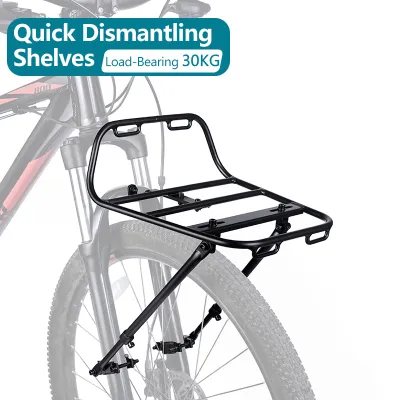
7 Lazada user ratings
Awesome, the product is really good, even better than I expected.
nice good quality
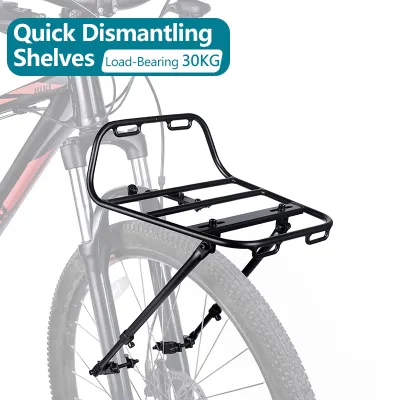
2 Lazada user ratings
The packaging is very good. The material of the items is durable quality.
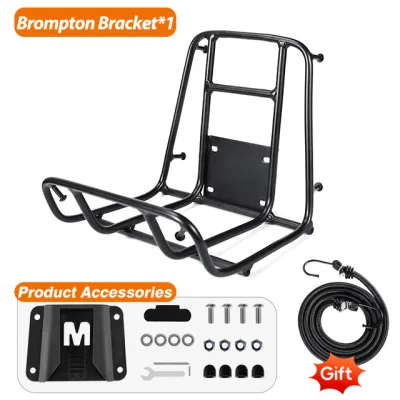
123 Lazada user ratings
Photo not related. Many times order here, they packed it well, very fast delivery. Very recommended, I will order again soon. Thankyou Sleek…Read full reviewShow less
Photo not related. Many times order here, they packed it well, very fast delivery. Very recommended, I will order again soon. Thankyou Sleek black color adds style, Great for long-distance biking trips, Excellent value for the price, One-year warranty for peace of mind,
Sleek black color adds style, Sturdy aluminum alloy material, Great for long-distance biking trips, Securely holds items in place, Provides …Read full reviewShow less
Sleek black color adds style, Sturdy aluminum alloy material, Great for long-distance biking trips, Securely holds items in place, Provides ample space for luggage, One-year warranty for peace of mind, Excellent value for the price, Convenient and easy to install,
late posting gayun pa man salamat parin at malaking baGay para sa ak8n ma6 Nagagamit akong Maasahan sa biyahe koh.
Received the item... quality is okay, it's beautiful, and delivery was fast despite it being right during Tet.
maganda at maayos.. bobili uli
Prices are valid at publication and may change. Please refer to the product page for the latest price.
Understanding how these weight distribution choices shift your bike’s center of gravity is crucial for maintaining control across different terrains and weather conditions. A front-heavy bike behaves very differently from a rear-heavy bike when braking, cornering, or descending. By evaluating your typical riding style, the type of gear you carry, and your bike’s frame specifications, you can select a rack system that enhances your ride rather than compromising your safety.
Key Comparison Dimensions for Cargo Solutions
Choosing the right rack requires looking closely at several practical dimensions of bicycle cargo transport. Each mounting position offers distinct advantages and trade-offs depending on your physical setup, the weather, and the terrain you plan to traverse.
Weight Capacity and Load Limits
When evaluating cargo solutions, weight capacity is a primary consideration, but it must always be treated as a verification item rather than an absolute guarantee. Rear racks generally offer significantly higher weight capacities than front racks. Because the rear triangle of a bicycle frame is rigid and structurally robust, many standard rear racks are rated to carry between 25 kg and 40 kg. This makes them highly suitable for heavy panniers, large camping gear, or bulky utility items.
Front racks typically feature lower weight limits, often ranging from 5 kg to 15 kg for platform or porteur styles. Specialized low-rider front racks, which mount lower on the fork legs, can sometimes support up to 15 kg or 20 kg because they minimize leverage on the fork. However, riders must always verify the specific weight limits provided by both the rack manufacturer and the bicycle frame manufacturer. Overloading any rack can lead to structural failure, broken mounting bolts, or frame damage, particularly when riding over rough surfaces that subject the bike to repetitive impacts.
Impact on Steering and Handling
The physical placement of weight dramatically alters how a bicycle handles. Placing cargo on a front rack increases the steering inertia, meaning it takes more physical effort to initiate a turn, and once the turn is initiated, the wheel may want to continue turning. This phenomenon, known as “wheel flop,” is especially noticeable at low speeds or when the bike is stationary. If you carry a heavy load high on a front platform rack, the handlebars can swing suddenly to one side, potentially causing a loss of balance. Low-rider front racks mitigate this by keeping the cargo’s center of mass close to the steering axis and low to the ground, which stabilizes the bike at cruising speeds but still requires deliberate, steady steering input.
Conversely, a rear rack keeps your steering light and highly responsive, as there is no extra weight attached to the fork or handlebars. However, a heavy rear load shifts the bike’s center of gravity backward and upward. This rear-heavy bias can cause the frame to flex or “wag” when you pedal out of the saddle, which can feel unsettling at high speeds. Additionally, on steep uphill climbs, a heavily loaded rear rack can reduce traction on the front wheel, making the steering feel floaty and increasing the risk of the front wheel lifting off the ground.
Accessibility and Convenience While Riding
Your ability to access gear on the move is another key differentiator between front and rear setups. Front racks, especially those equipped with a top platform, basket, or handlebar bag, keep your essentials directly within your line of sight and arm’s reach. This layout is highly convenient for touring cyclists and commuters who need quick access to items like maps, navigation devices, snacks, windbreakers, or cameras without having to stop and dismount.
Rear racks do not allow for on-the-go accessibility. To retrieve anything from a rear pannier or a trunk bag, you must bring the bicycle to a complete stop, dismount, and access the gear from behind. While this is less convenient for daily essentials, it is perfectly acceptable for items you only need at your destination, such as work clothes, laptop sleeves, sleeping bags, tents, or groceries.
Clearance and Tire Compatibility
Before purchasing any rack, you must verify its compatibility with your bike’s specific components. Disc brake calipers are a common source of interference, as the caliper body often protrudes near the rear dropout or front fork leg, blocking the straight path of traditional rack struts. Many manufacturers offer disc-compatible racks that feature offset mounting legs or spacers to clear the caliper body, which you must verify before installation.
Tire clearance and fender compatibility are also critical, especially for wet-weather riding or gravel adventures. A rack must sit high enough to clear your tires and mudguards with ample room to spare; if the clearance is too tight, mud, stones, or debris can become trapped between the tire and the rack, leading to a sudden wheel lockup. Furthermore, if your bike has a front suspension fork, standard front racks cannot be used, as they would interfere with the fork’s travel and damage the suspension seals. Suspension-safe front racks must mount to the axle or use specialized floating hardware that moves with the suspension.
How to Choose the Right Rack for Your Riding Style
Selecting between a front and rear rack ultimately comes down to matching the cargo solution to your specific activity, skill level, and bicycle type. No single configuration works perfectly for every setting, so you should evaluate your primary riding use cases.

When to Choose a Front Rack
A front rack is highly suitable for riders who prioritize quick access, balanced weight distribution for long-distance touring, or light daily commuting. If your daily commute involves carrying a small backpack, a laptop bag, or a small bag of takeout, a front platform rack or basket keeps your cargo visible and secure directly in front of you. This reduces the risk of items falling out unnoticed and makes it easier to navigate tight city traffic where you need to keep an eye on your bike’s width.
For long-distance touring or gravel bikepacking, a front low-rider rack is an excellent addition to a rear rack system. Splitting your gear—placing roughly 60% of the weight in the front and 40% in the rear, or vice versa depending on your bike’s geometry—creates a highly balanced ride. This distribution prevents the rear-heavy handling that makes descending steep mountain passes or riding on loose gravel feel unstable.
When to Choose a Rear Rack
A rear rack is the definitive choice for riders who need to carry heavy, bulky, or high-volume loads. If your primary use case is heavy grocery shopping, utility hauling, or carrying large panniers for traditional self-supported touring, the structural strength of a rear rack is unmatched. The rear triangle of your bicycle frame is designed to support your body weight, making it highly capable of handling heavy downward forces without compromising the structural integrity of the bike.
Rear racks are also the preferred choice for riders who prefer a completely natural steering feel. Because the front wheel remains unencumbered, the bike steers exactly as it does when unloaded, making it easier for beginners or casual riders to maintain control. Additionally, if you ride a full-suspension mountain bike, specialized rear racks that mount to the seatpost or seatstays are often the only viable rack option, as front suspension forks rarely accept cargo racks.
When Neither Option Fits
It is important to recognize that some bicycles are simply not designed to carry racks. Lightweight carbon fiber road bikes, aggressive gravel racing rigs, and certain high-performance mountain bikes often lack the threaded eyelets required to bolt a rack to the frame. Attempting to clamp a heavy rack onto thin-walled carbon fiber tubes can crush the material, leading to sudden frame failure and severe injury.
If your bike lacks mounting points, or if you have an incompatible thru-axle or carbon fiber setup, you should look into alternative cargo solutions. Frame bags, large seat packs, and handlebar rolls attach directly to the frame tubes using soft velcro straps, distributing weight without requiring metal racks or threaded eyelets. Always verify your frame material and manufacturer guidelines before attempting to install any rigid rack system.
Installation and Compatibility Checks
Proper installation is vital for ensuring your safety on the road. A loose or poorly mounted rack can shift during a ride, jam into your spokes, or cause a sudden crash. Follow these essential verification steps before riding with a loaded rack.
Inspecting Frame and Fork Eyelets
Begin by thoroughly inspecting your bicycle’s frame and fork for threaded eyelets, also known as rack bosses. These are typically located near the rear dropouts, on the seatstays, near the front fork dropouts, and sometimes midway up the fork blades (mid-fork eyelets). If your bike has these eyelets, ensure the threads are clean and undamaged. If your bike lacks these eyelets, you may need to use specialized adapter clamps, such as rubber-coated P-clamps, or a rack that mounts directly to the wheel’s quick-release skewer or thru-axle. Always verify that these adapters are compatible with your frame material.
Checking Brake and Axle Clearance
Carefully align the rack struts with the mounting points to check for clearance issues. If your bike has disc brakes, ensure the rack struts do not press against the brake caliper, hydraulic lines, or rotor. If you are using a thru-axle system, you may need a specialized replacement axle with threaded ends to accept the rack mounts. Additionally, verify that the rack does not pinch or interfere with your fender stays or derailleur cables, as this can impair your shifting or braking performance.
Reviewing Weight Limits and Warranties
Before loading your rack for the first time, review the maximum weight capacity specified by both the rack manufacturer and your bicycle manufacturer. Never assume a rack can support your weight just because it feels solid. Exceeding these limits can void your bicycle’s warranty, strip the threads out of your frame’s eyelets, or cause the mounting bolts to shear off while riding.
Knowing When to Consult a Professional
If you encounter any resistance when threading bolts into your frame, stop immediately. Forcing a bolt can cross-thread and permanently ruin the eyelets on your frame or fork. If your bike’s mounting points are unclear, if you are unsure about bolt torque specifications, or if you need to install specialized adapters on a carbon or suspension frame, consult a professional bike mechanic at your local bike shop. A professional can ensure that the rack is perfectly aligned, securely torqued, and safe for carrying cargo on your upcoming adventures.
Community discussion
Share your experience or ask a question. Comments are reviewed before publication.