
Choosing the right snorkeling set is the difference between a breathtaking view of vibrant coral reefs and a frustrating struggle with saltwater and fogged lenses. Neither the modern full-face snorkeling mask nor the traditional separate mask-and-snorkel setup is universally superior; the ideal choice depends on your swimming proficiency, comfort preferences, and whether you plan to float peacefully on the surface or dive down to explore closer. By evaluating key factors such as breathing mechanics, safety protocols, and your intended water activities, you can select the gear that ensures a safe and memorable tropical adventure.
Core Differences in Design and Breathing Mechanics
To make an informed decision, you must first understand how these two designs function in the water. A traditional snorkeling set consists of two distinct pieces: a low-volume tempered glass mask that covers your eyes and nose, and a separate snorkel tube with a silicone mouthpiece. This classic design requires you to breathe exclusively through your mouth while keeping your nose sealed inside the mask pocket. This separation prevents exhaled moisture from fogging the viewing lens, but it can feel unnatural for beginners who are not accustomed to conscious mouth breathing.
In contrast, a full-face snorkeling mask integrates the viewing window and the snorkel tube into a single, cohesive unit that covers your entire face from forehead to chin. This design utilizes a series of internal ventilation channels and one-way valves to separate your inhalation from your exhalation. When you breathe in, fresh air flows down the central channel of the snorkel tube and across the lens, which helps keep the viewing area clear. When you breathe out, the exhaled air is directed through side channels and expelled through exhaust valves, preventing the buildup of carbon dioxide.
Products mentioned in this guide
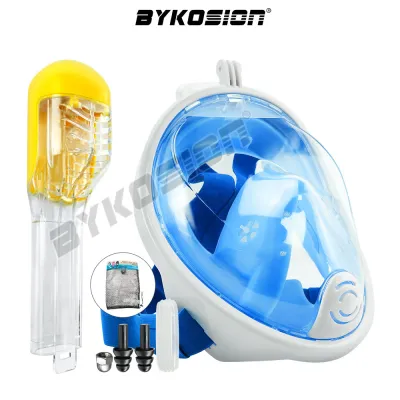
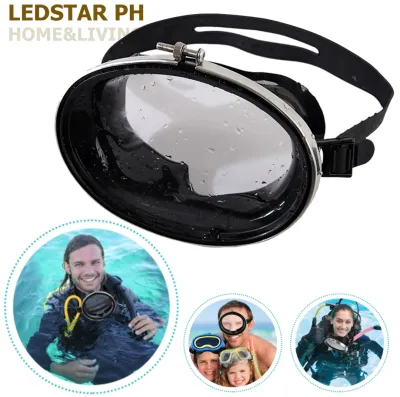
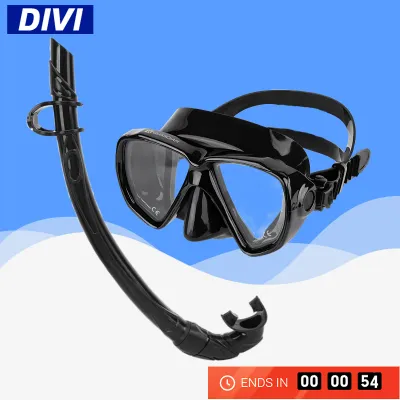
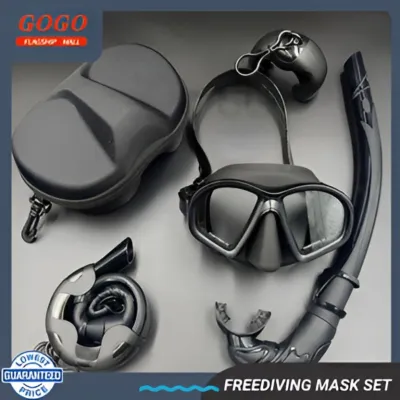
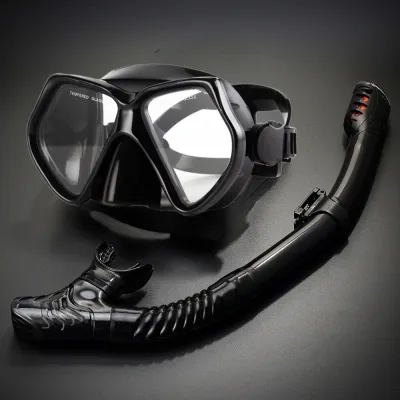
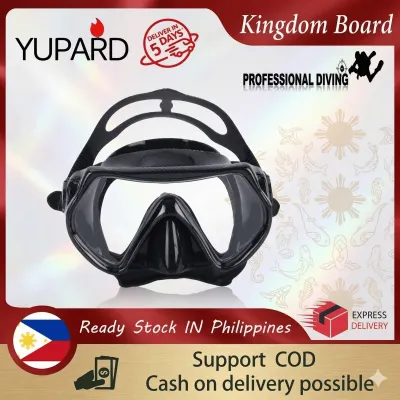
![[Ready Stock] Professional Diving Scuba Gear Swimming Mask Snorkel Diving Mask Goggles and Snorkel Set Hyperopia Myopia Mask Goggle](https://img.lazcdn.com/g/p/0f7e9edca68971f392421aa052bc34b2.jpg_400x400q80.jpg_.webp)
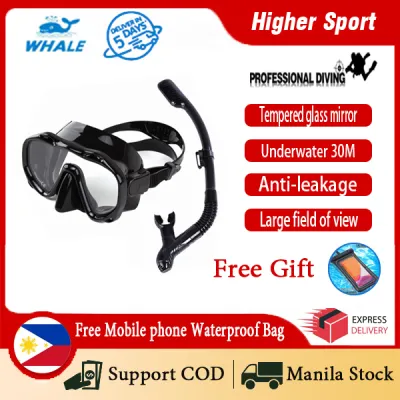
Prices are valid at publication and may change. Please refer to the product page for the latest price.
The physical coverage of these masks also alters your visual experience underwater. Traditional masks offer a focused, forward-facing field of view, which can sometimes feel slightly restrictive or claustrophobic to first-time snorkelers. Full-face masks, however, feature a curved, panoramic lens that provides a wide 180-degree peripheral view. While this expansive view is excellent for tracking marine life along shallow reefs, the curved plastic lenses can sometimes cause minor optical distortion at the outer edges, which is a key specification to verify when comparing different manufacturer models.
Safety, Comfort, and Maintenance Trade-offs
Physical comfort and safety protocols differ significantly between these two configurations, requiring careful consideration before you head out into the water. With a full-face mask, the primary safety consideration is ensuring proper air circulation. Because the internal volume of a full-face mask is much larger than that of a traditional mask, you must verify that the manufacturer uses high-quality, independently tested one-way valves to prevent the re-breathing of exhaled carbon dioxide (CO2). Additionally, these masks are strictly designed for surface swimming; they cannot be used for diving underwater because you cannot pinch your nose to equalize the pressure in your ears, and the large volume of air inside the mask can create painful suction against your face as depth increases.

Traditional snorkeling sets present different physical demands, most notably jaw fatigue. Keeping a silicone mouthpiece secured between your teeth for extended periods can cause discomfort, especially during long excursions in choppy coastal waters. However, traditional setups are highly reliable and easy to clear if water enters the system. If a traditional mask leaks, you simply press the top frame against your forehead and blow out through your nose to purge the water. If water enters the snorkel tube, a quick, sharp exhalation through your mouth clears the purge valve at the bottom.
Achieving a proper seal is critical for both styles, and this requires a dry fit test before you purchase or pack your gear. To test a traditional mask, place it gently on your face without using the strap, inhale slightly through your nose, and see if the suction holds the mask in place. For a full-face mask, you must ensure the silicone skirt fits snugly along your jawline and forehead without any gaps. Facial hair, prominent cheekbones, or an incorrect size can easily break this seal, allowing water to slowly seep into the mask. Furthermore, full-face masks feature quick-release strap mechanisms that you must practice operating so you can remove the mask instantly in an emergency.
Matching the Mask to Your Snorkeling Activity
Your choice of gear should align directly with your swimming ability and how you plan to interact with the marine environment. If your goal is relaxed, surface-level sightseeing—such as floating calmly over shallow seagrass beds to spot sea turtles—a full-face mask offers an incredibly user-friendly experience. It allows you to breathe naturally through both your nose and mouth, making it highly appealing for casual swimmers, beginners, or those who feel anxious about putting their face in the water with a traditional mouthpiece.
However, if you want to transition from passive floating to active underwater exploration, a traditional snorkeling set is the only suitable option. When you spot something interesting on the sandy bottom and want to duck dive or freedive to get a closer look, you must equalize the pressure in your ears by pinching your nose and blowing gently. Traditional masks feature a soft silicone nose pocket specifically for this purpose. They also have a much lower profile, reducing water resistance and allowing you to swim dynamically through the water without the buoyant mask pulling upward on your head.
It is also important to research your destination’s local guidelines and tour operator rules before choosing your gear. Some guided snorkeling tours, marine sanctuaries, and boat operators have implemented strict bans or restrictions on the use of full-face masks due to safety concerns regarding rescue communication and CO2 clearance. If you plan to join organized island-hopping excursions, carrying a traditional snorkeling set ensures you will comply with all local safety regulations and be permitted to enter the water without delay.
Feature Comparison Matrix
The following table summarizes the key differences between these two snorkeling configurations to help you quickly evaluate which design matches your personal preferences and skill level.
| Feature | Full-Face Mask | Traditional Mask & Snorkel |
|---|---|---|
| Breathing Method | Natural nose and mouth breathing | Mouth breathing only via mouthpiece |
| Field of View | Wide 180-degree panoramic view | Focused forward view with some peripheral limits |
| Underwater Diving | Surface use only; cannot equalize ears | Suitable for duck diving, freediving, and equalizing |
| Leak Clearing | Must surface and lift mask or use chin purge | Easy to clear underwater via nose exhalation |
| Ideal User Profile | Beginners, surface floaters, casual swimmers | Active snorkelers, freedivers, experienced swimmers |
How to Decide: A Conditional Buying Framework
To finalize your decision, assess your swimming skills, comfort levels, and physical conditions against this structured framework.
You should choose a full-face mask if you meet the following conditions:
- You plan to stay strictly on the surface of the water and have no desire to dive down.
- You experience anxiety or a gag reflex when using a traditional snorkel mouthpiece.
- You prefer a wide, unobstructed view of the underwater scenery without turning your head constantly.
- You are a casual swimmer looking for an easy, intuitive way to observe shallow marine life.
You should choose a traditional snorkeling set if you meet these criteria:
- You want the freedom to duck dive, swim beneath the surface, and practice basic freediving.
- You need a compact, lightweight gear setup that packs easily into a travel backpack or dry bag.
- You want a highly reliable, time-tested design that is universally accepted by tour operators and dive guides.
- You are comfortable breathing exclusively through your mouth and clearing water from your mask and snorkel.
Before making any purchase, always verify your personal health and physical compatibility. If you have pre-existing respiratory conditions, such as asthma or cardiovascular issues, consult a medical professional before using a full-face mask, as the physical effort required to breathe through integrated valves can vary. Additionally, if you have facial hair, be aware that even a short beard can prevent a proper silicone seal, making a traditional mask (which seals higher up on the face) or using a specialized silicone grease seal-saver necessary. For young children, always check specific pediatric safety guidelines and ensure they are using a properly sized, child-specific model under continuous adult supervision. When budgeting for your trip, you can compare the cost of a premium snorkeling set in local currency (₱) at authorized dive shops to ensure you are investing in certified, reliable gear.
Frequently Asked Questions (FAQ)
Can I use a full-face mask for scuba diving or freediving?
No, you must never use a full-face snorkeling mask for scuba diving or freediving. These masks are designed exclusively for surface swimming and cannot withstand the pressure changes associated with diving underwater. Because the mask covers your entire face, you cannot access your nose to equalize the pressure in your ears and sinuses as you descend. Attempting to dive with a full-face mask can lead to severe mask squeeze, where the air inside the mask compresses and causes painful suction against your eyes and face, potentially leading to injury. For any activity that involves diving below the surface, a traditional low-volume mask and separate snorkel are required.
How do I prevent fogging in a traditional snorkeling mask?
To prevent a traditional mask from fogging, you must treat the inner lens before entering the water. In the warm, humid tropical climate of the Philippines, lens fogging is a common challenge that can quickly disrupt your underwater viewing. For a brand-new mask, use a mild abrasive like non-gel toothpaste to gently scrub away the protective silicone film left over from the manufacturing process, then rinse it thoroughly. Before every snorkel session, apply a small drop of commercial defogging solution or diluted baby shampoo to the dry inner lens, spread it evenly, and rinse it quickly in clean water. Avoid touching the inside of the lens after rinsing, as oils from your fingers can cause fog to form.
Are full-face snorkeling masks safe for children?
Full-face snorkeling masks can be safe for children only if they are specifically sized for pediatric use, fit perfectly, and are used under constant, direct adult supervision. Parents must verify that the mask has a certified, child-safe breathing valve system that prevents the accumulation of carbon dioxide. Children should be comfortable in the water and trained on how to quickly remove the mask using the quick-release straps if they feel panicked or if water enters. Limit the duration of their snorkeling sessions, and ensure they remain in shallow, calm waters where they can easily stand up if needed.
Community discussion
Share your experience or ask a question. Comments are reviewed before publication.