
Quick Answer: Which Snorkeling Mask Should You Choose?
Selecting the right snorkeling mask depends on your comfort in the water, your breathing habits, and how you plan to explore the marine environment. Traditional two-piece masks remain the industry standard for active swimming, freediving, and versatile underwater exploration. They offer a reliable seal and allow you to dive beneath the surface with ease.
In contrast, full-face snorkeling masks are designed primarily for calm-water, surface-level floating. They are highly suited for beginners or casual swimmers who find breathing through a traditional snorkel mouthpiece uncomfortable or unnatural.
Ultimately, your choice hinges on your personal breathing preferences, the intensity of your planned activity, and your commitment to safety protocols. Neither design is universally superior; instead, each serves a distinct style of water recreation.
Products mentioned in this guide
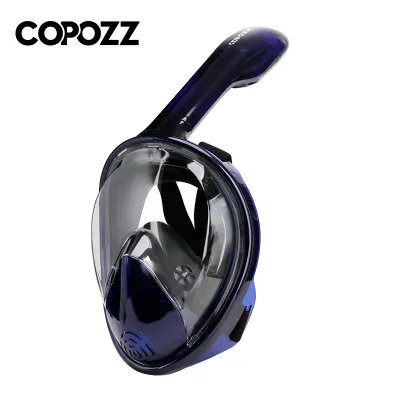
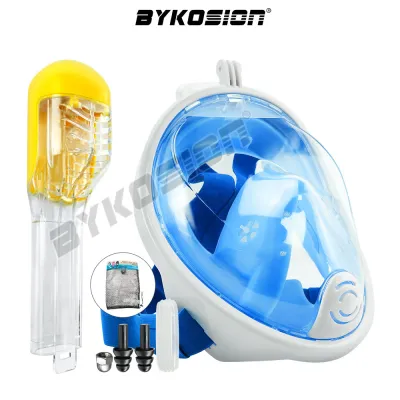
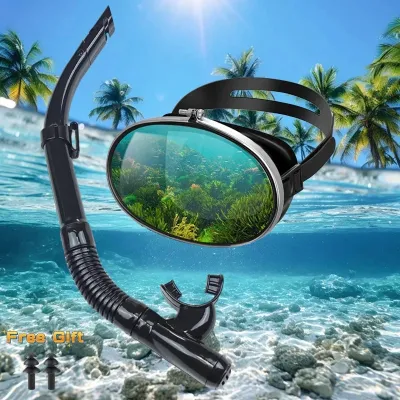

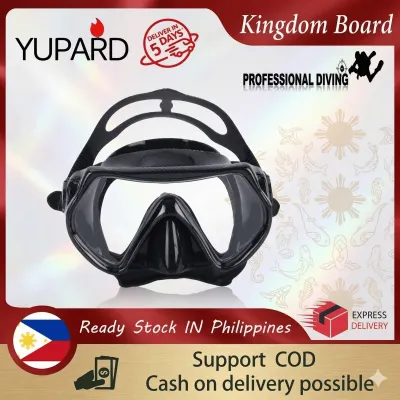
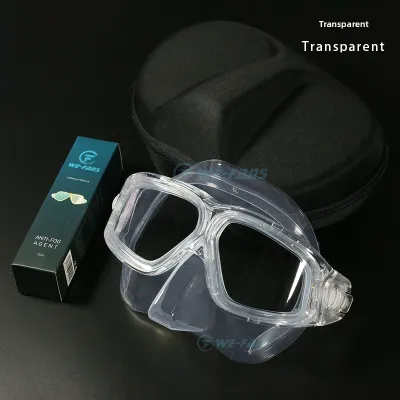
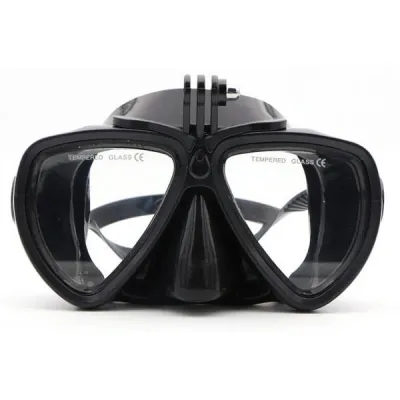
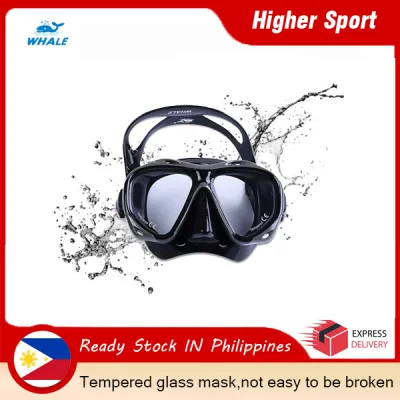
Prices are valid at publication and may change. Please refer to the product page for the latest price.
Design and Breathing Mechanics: How They Actually Work
Understanding the physical construction of these two mask types reveals why they perform so differently in the water. A traditional snorkeling setup consists of two separate components: a low-volume tempered glass mask that covers your eyes and nose, and a separate snorkel tube held in the mouth. This classic design forces a strict separation of breathing pathways. You must inhale and exhale exclusively through your mouth using the silicone mouthpiece, while your nose remains sealed inside the mask pocket. This separation is highly efficient for clearing water, as any moisture entering the snorkel tube can be quickly expelled with a sharp exhalation.

A full-face snorkeling mask integrates the viewing window and the breathing tube into a single, cohesive unit that covers your entire face from forehead to chin. The internal structure features a silicone skirt that partitions the mask into separate chambers. When you inhale, fresh air enters through the central channel of the snorkel tube and flows across the viewing lens to prevent condensation. When you exhale, the air is directed through side channels and out of the mask. This design allows you to breathe naturally through both your nose and mouth, mimicking the way you breathe on land.
The physical effort required for these breathing styles differs significantly. Traditional snorkels require active jaw engagement to hold the mouthpiece, which can cause jaw fatigue over long sessions but offers direct, unrestricted airflow. Full-face masks eliminate jaw fatigue entirely but require a slightly more deliberate, steady breathing pattern. Because the air must travel through internal valves and channels, rapid or panicked breathing can lead to a feeling of air resistance. This makes full-face masks ideal for slow, relaxed floating, while traditional masks are far better suited for the physical exertion of active swimming against currents.
Comfort, Field of Vision, and Fogging Management
The visual and physical experience of snorkeling is heavily influenced by how your mask fits your face and manages moisture. Full-face masks are famous for their expansive, 180-degree panoramic views. The flat, wide lens allows you to observe marine life in your peripheral vision without turning your head constantly. However, because the lens sits further away from your eyes, it can sometimes cause slight visual distortion at the outer edges, especially when looking through water. Traditional masks have a much lower internal volume, bringing the glass closer to your eyes. While this slightly restricts peripheral vision compared to a full-face model, it provides a highly focused, crystal-clear view with minimal distortion.
Achieving a watertight seal is crucial for both designs, but the fitting process varies. Traditional masks rely on a flexible silicone skirt that seals around the eyes and nose. This smaller surface area makes it easier to find a secure fit for various face shapes, including those with facial hair or unique contours. Full-face masks require a continuous seal along the entire perimeter of the face, from the temples down to the jawline. If you have a beard, a very narrow face, or prominent facial features, securing a complete seal can be challenging. Any gap along this large perimeter will allow water to seep in, quickly compromising the dry environment inside.
Fogging and water clearing are handled differently by each system. Traditional masks are prone to fogging due to the warm moisture from your face, requiring the application of anti-fog solutions or saliva before entering the water. If water enters a traditional mask, you can easily clear it by pressing the top of the frame and exhaling through your nose. Full-face masks use one-way airflow channels to direct exhaled moisture away from the viewing lens, naturally reducing fogging. However, if a full-face mask floods, clearing it is more complex. You must lift your head out of the water to let the water drain through the one-way purge valve at the chin, or completely remove the mask, which can be disorienting in deep water.
Safety, Skill Level, and Activity Matching
Water safety must always be your primary consideration when selecting sports equipment. Traditional masks require a baseline level of water competence and specific skills. To use them safely, you must be comfortable with the sensation of water touching your face if the mask floods, and you must master the coordination of breathing solely through your mouth. However, this design allows you to perform essential maneuvers like duck diving. When you dive below the surface, the water pressure increases, compressing the air inside your mask. With a traditional mask, you can easily pinch your nose through the flexible pocket to equalize the pressure in your ears and gently exhale through your nose to equalize the mask itself.
Full-face masks are strictly designed for surface floating and are unsafe for diving beneath the surface. Because the mask covers your entire face, you cannot reach your nose to equalize your ears. Attempting to dive even a few feet down with a full-face mask can cause painful ear barotrauma and mask squeeze due to the large volume of trapped air. Furthermore, the dry-top valve at the top of the snorkel tube is designed to seal shut when submerged to prevent water entry. If you submerge a full-face mask, the air supply is instantly cut off, which can trigger panic in inexperienced swimmers.
Another critical safety consideration for full-face masks is the management of carbon dioxide (CO2) buildup. In a poorly designed or improperly fitted full-face mask, exhaled air can pool in the dead space of the viewing chamber instead of being fully expelled through the exhaust valves. If you breathe this trapped air back in, CO2 levels in your bloodstream can rise, leading to dizziness, headaches, shortness of breath, or even hyperventilation. To mitigate this risk, you must verify that any full-face mask you purchase has undergone rigorous safety testing and features independent inhalation and exhalation channels. Avoid high-exertion swimming while wearing a full-face mask, as heavy breathing increases CO2 production. If you feel fatigued or short of breath, immediately stop swimming, roll onto your back, remove the mask, and rest.
Regardless of which mask you choose, equipment cannot replace swimming competence, physical fitness, and sound judgment. Always assess local water conditions, currents, and weather before entering the ocean. If you are snorkeling in tropical destinations like the Philippines, be mindful of sudden tidal changes and strong coastal currents that require active swimming skills.
Feature and Usability Checklist
To help you compare these two options at a glance, the following checklist outlines the key functional differences between traditional and full-face snorkeling masks.
| Feature | Traditional Snorkeling Mask | Full-Face Snorkeling Mask |
|---|---|---|
| Breathing Method | Mouth only (via separate snorkel mouthpiece) | Natural nose and mouth breathing |
| Equalization Capability | Yes (flexible nose pocket allows ear equalization) | No (nose is inaccessible behind the lens) |
| Water Clearing Ease | High (can be cleared underwater via nose exhalation) | Moderate (requires lifting head or draining at chin) |
| Best Activity Type | Active swimming, freediving, and deep snorkeling | Calm surface floating and casual sightseeing |
| Skill Level Required | Intermediate to advanced (requires mouth-breathing comfort) | Beginner (easy transition for non-swimmers) |
| Packability | High (compact, separate pieces fit easily in luggage) | Low (bulky, rigid frame requires significant space) |
Final Decision Framework: Which Mask is Right for You?
To make your final decision, evaluate your swimming style, comfort level, and travel habits against these practical guidelines.
Choose a Traditional Mask if:
- You plan to dive below the surface, practice freediving, or swim actively against mild currents.
- You are comfortable breathing exclusively through your mouth and holding a silicone mouthpiece.
- You need a compact, lightweight gear setup that packs easily into a travel backpack or beach bag.
- You want a highly reliable, time-tested design that is easy to clear of water without surfacing.
Choose a Full-Face Mask if:
- You intend to remain strictly on the surface of the water, floating calmly to observe marine life.
- You experience anxiety or jaw discomfort when using a traditional snorkel mouthpiece.
- You prefer a wide, panoramic field of view and want to breathe naturally through your nose and mouth.
- You are snorkeling in very calm, shallow waters with minimal current or wave action.
Before You Buy and Use:
Always inspect the build quality of your chosen mask. If you opt for a full-face model, check the manufacturer’s specifications to ensure it features a certified one-way valve system designed to prevent CO2 accumulation. Test the fit at home before heading to the beach. Put the mask on without the straps, inhale gently through your nose, and ensure the silicone skirt pulls tightly against your skin without letting air slip through the edges.
Frequently Asked Questions (FAQ)
Can I use a full-face snorkeling mask for scuba diving or freediving?
No, full-face snorkeling masks are completely unsuitable and unsafe for scuba diving or freediving. These activities require you to descend into deeper water, which necessitates equalizing the pressure in your ears by pinching your nose—an action that is impossible to perform inside a full-face mask. Additionally, the large volume of air trapped inside a full-face mask creates significant positive buoyancy, making it difficult to swim downward. The risk of carbon dioxide buildup also increases dramatically under the physical exertion associated with diving, making traditional dive masks and regulators the only safe choice for these sports.
How do I ensure a proper fit and prevent leaks?
To ensure a watertight seal, start by clearing any hair away from your forehead and cheeks, as even a few strands of hair or a beard can break the silicone seal. Press the mask firmly against your face without using the straps, and take a light breath through your nose; a properly fitting mask should stick to your face momentarily from the suction. When adjusting the straps, tighten them just enough to keep the mask secure without pulling so hard that the silicone skirt distorts or pinches your skin. Finally, avoid applying heavy sunscreens or oils directly under the mask skirt, as these substances can cause the silicone to slip and leak during your swim.
Community discussion
Share your experience or ask a question. Comments are reviewed before publication.