
Choosing the right pair of fins can transform your experience in the water, whether you are floating over shallow coral gardens or navigating deep ocean currents. The choice between full-foot and open-heel fins is the most fundamental decision you will make when selecting this essential piece of gear. To put it simply, full-foot fins are designed to be worn barefoot or with thin socks, making them the classic choice for warm-water snorkeling and light recreational swimming. Open-heel fins feature an adjustable strap and require thick neoprene dive boots, making them the industry standard for scuba diving, cold-water exploration, and rugged shore entries. Your choice depends on where you plan to swim, your primary water activity, and your physical comfort.
The Quick Diagnostic: Matching Fins to Your Primary Water Activity
When deciding between these two designs, your choice should align with your main water sport. Full-foot fins are lightweight, flexible, and easy to slip on, making them highly suited for casual snorkelers, freedivers, and boat-based swimmers. They perform exceptionally well in calm, warm waters where you do not need to walk across rough terrain to enter the sea.
Conversely, open-heel fins are engineered to accommodate heavy-duty dive boots. This combination is essential for scuba divers who must carry heavy tanks and gear across hot boat decks, slippery rocks, or sharp coral rubble before submerging. The adjustable strap system secures the foot firmly, allowing you to transfer maximum power to the blade when swimming against currents.
Products mentioned in this guide

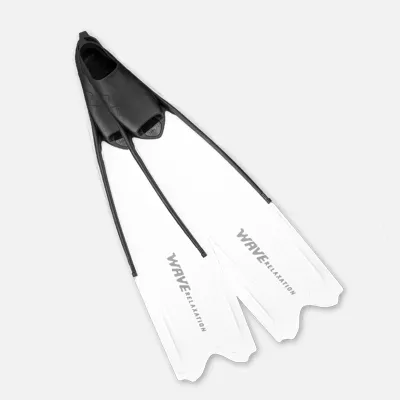
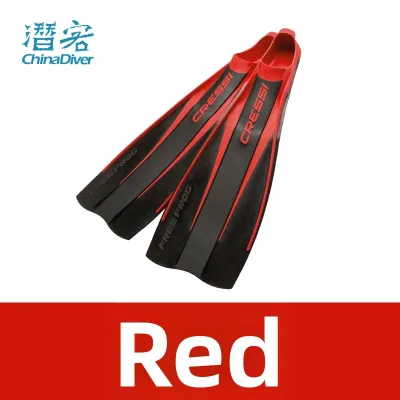
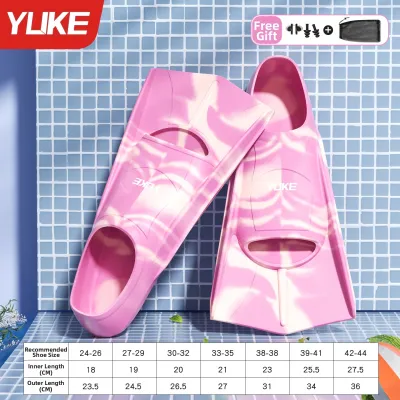
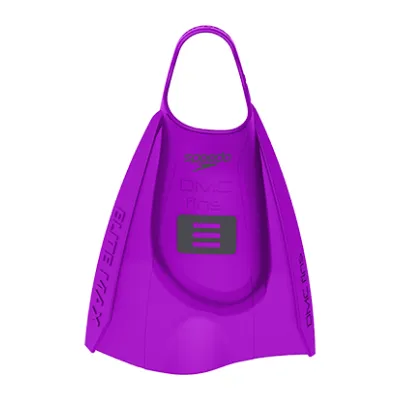
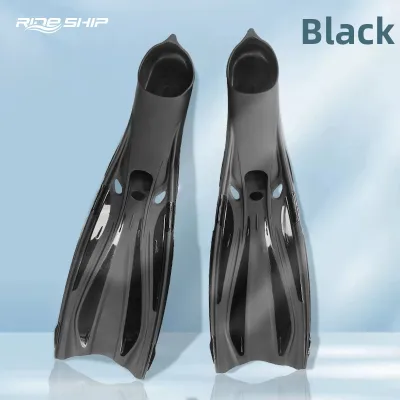
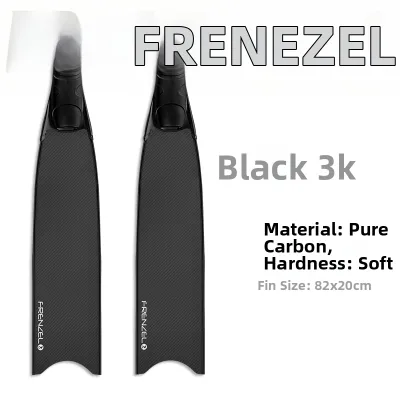
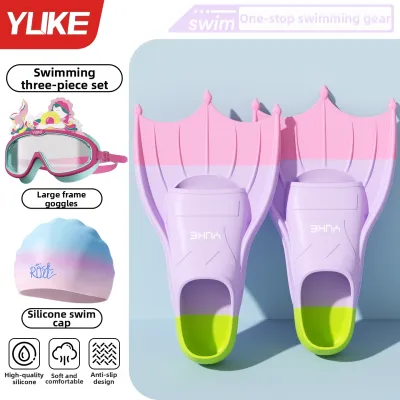
Prices are valid at publication and may change. Please refer to the product page for the latest price.
While budget and travel weight are important factors, physical safety and environmental conditions must dictate your final decision. Buying a pair of fins that does not match your environment can lead to painful blisters, cold feet, or even dangerous slips on the shore. From a budget perspective, full-foot fins are generally more economical, with decent recreational models in the Philippines starting around ₱1,500 to ₱3,000. Open-heel systems require both the fins and the boots, which can bring the combined setup cost to ₱5,000 or more, depending on the brand and material specifications.
Step 1: Evaluate Your Water Temperature and Entry Conditions
The environment where you plan to use your fins is the most critical factor in your decision. Water temperature and the physical landscape of your entry point will immediately narrow down your choices.

Warm Water, Boat Entries, and Sandy Beaches
If your typical aquatic adventure involves stepping off a dive boat into tropical waters or walking directly from a soft, sandy beach into a calm lagoon, full-foot fins are highly efficient. In warm climates like the coastal waters of the Philippines, water temperatures are comfortable enough that you do not need the thermal insulation of thick boots.
Because full-foot fins are worn barefoot or with a thin Lycra sock, they minimize bulk and drag. This streamlined profile makes kicking highly efficient and less tiring during long snorkeling sessions. Additionally, they are significantly lighter than open-heel setups, making them much easier to pack into standard travel luggage.
However, the major drawback of full-foot fins is their lack of protection. If you must walk over sharp volcanic rock, barnacle-encrusted piers, or hot sand to reach the water, your feet will be completely exposed. Attempting to walk barefoot in these conditions can lead to severe cuts, punctures, or slips.
Cold Water, Strong Currents, and Rocky Shores
For challenging environments, open-heel fins paired with dive boots are indispensable. If you are diving in colder climates, or even in tropical locations that require navigating rocky shorelines, dive boots provide the necessary thermal insulation and physical defense.
The thick rubber soles of dive boots allow you to walk safely across sharp rocks, gravel, and burning-hot boat decks. Once you reach the water’s edge, you can easily slip your booted feet into the open-heel pocket and secure the heavy-duty spring or rubber strap. This adjustable strap system ensures that the fin remains locked to your foot, even when subjected to the pulling forces of strong currents, surge, or surf.
It is important to remember that while open-heel fins provide superior stability and protection, they require more physical effort to kick due to their weight and stiffness. Furthermore, specialized equipment cannot replace proper training. When dealing with strong currents or challenging shore entries, your safety depends on your buoyancy control, current management skills, and situational awareness rather than your gear alone.
Step 2: Assess Your Swimming Style, Fit, and Comfort Needs
Beyond environmental conditions, your physical build, leg strength, and susceptibility to cramping should guide your choice.
Ankle Flexibility and Cramp Prevention
The way a fin fits your foot directly impacts your biomechanics. Full-foot fins rely on a soft, snug rubber pocket that wraps entirely around your heel. Because there is no rigid sole, your foot must bend naturally with every kick, which requires excellent ankle flexibility.
If a full-foot fin is even slightly too loose, your heel will slip out, causing painful friction blisters. If it is too tight, it will compress your toes and arches, leading to sudden, painful foot cramps while swimming. If you have a history of plantar fasciitis, tight calves, or frequent cramping, the lack of support in a full-foot fin can exacerbate these issues.
Open-heel fins, when paired with structured dive boots, offer a much more rigid platform. The boot acts like a supportive shoe, distributing the pressure of the kick across the entire sole of your foot rather than concentrating it on your toes and Achilles tendon. This added support reduces localized muscle fatigue and helps prevent cramping during long, demanding dives where you are pushing against the resistance of scuba gear.
Propulsion and Blade Stiffness
The stiffness of the fin blade determines how much water you can displace with each kick, which directly affects your speed and energy consumption. Open-heel fins generally feature stiffer, longer, or more technologically advanced blades. These are designed to provide high-thrust propulsion to move a fully geared scuba diver, who may be carrying a heavy steel tank, weights, and a buoyancy compensator.
Full-foot fins typically utilize softer, more flexible materials. These pliable blades are optimized for a relaxed, continuous flutter kick at the surface. They do not require immense leg strength to bend, making them excellent for casual snorkelers or beginners who have not yet built up specialized leg conditioning.
Matching blade stiffness to your physical fitness is crucial. Using an overly stiff open-heel fin without sufficient leg strength can quickly lead to knee, hip, and thigh strain. Conversely, using a soft full-foot fin while carrying heavy scuba gear in a current will leave you underpowered, forcing you to kick rapidly and waste valuable air.
Full-Foot vs Open-Heel Fins: Feature Comparison
To help you synthesize these factors, the table below compares the key characteristics of both fin designs.
| Feature | Full-Foot Fins | Open-Heel Fins |
|---|---|---|
| Best Primary Activity | Snorkeling, freediving, warm-water boat diving | Scuba diving, technical diving, shore diving |
| Footwear Required | Barefoot or thin neoprene/Lycra socks | Neoprene dive boots (usually 3mm to 7mm) |
| Water Temp Suitability | Warm, tropical waters | Warm, temperate, and cold waters |
| Shore Entry Protection | None; requires walking barefoot to the water | High; dive boots protect feet on rocks and sand |
| Travel Weight | Lightweight and compact | Heavier and bulkier (due to boots and straps) |
| Ankle Support | Minimal; relies on natural ankle flexibility | Moderate to high; supported by structured boots |
Finalizing Your Choice: Fitting, Buying, and Care
Once you have determined which style fits your diving or snorkeling profile, ensuring a correct fit and maintaining your gear will keep you safe and comfortable in the water.
Fitting Advice When trying on full-foot fins, slip them on barefoot and lift your heel up and down. If the heel pocket slips off easily or if your toes are curled and pressing hard against the front, the size is incorrect. For open-heel fins, always purchase your dive boots first. Put the boots on, zip them up, and then slide your booted foot into the fin pocket. The boot should fit snugly without pinching, and the heel strap should secure the boot firmly without crushing your toes.
Maintenance To extend the life of your fins, always rinse them thoroughly with clean, fresh water after every saltwater session to remove salt crystals, sand, and chlorine. Dry them completely in a shaded, well-ventilated area, as direct tropical sunlight can cause the rubber and silicone components to dry out, crack, and degrade over time. Store them flat or hang them by the strap; leaning them on their tips against a wall will warp the blades permanently, ruining their hydrodynamic efficiency.
Safety Reminder Always test any new pair of fins in a controlled, shallow, and calm environment—such as a swimming pool or a quiet sandy cove—before embarking on deep, drift, or advanced open-water dives. This allows you to verify the fit, adjust the straps, and ensure you do not experience unexpected cramping or blisters before you are far from safety.
Frequently Asked Questions (FAQ)
Can I use full-foot fins for scuba diving?
Yes, you can use full-foot fins for scuba diving, but only under specific, mild conditions. They are suitable for warm-water boat dives where you do not need to walk across rough surfaces and where the water temperature does not require thermal protection. However, they are generally discouraged for serious scuba diving. They do not protect your feet from heavy gear drops, cold water, or the metal rungs of boat ladders, and they lack the power needed to fight strong currents while carrying heavy equipment.
Do open-heel fins come with dive boots?
No, open-heel fins and dive boots are almost always sold separately. This is because divers have highly individual needs for boots based on water temperature, beach terrain, and personal fit. You should select and purchase your dive boots first, ensuring they fit your feet comfortably, before trying on open-heel fins to find the size that accommodates those specific boots.
Are split fins better than paddle fins for beginners?
Split fins are designed to reduce the physical effort of kicking by slicing through the water, making them excellent for beginners who experience leg fatigue or joint pain. However, they require a fast, narrow flutter kick to be effective and do not perform well with frog kicks or in heavy currents. Traditional paddle fins offer more immediate power, precise control, and better maneuverability, making them highly versatile. Both styles are available in full-foot and open-heel configurations, allowing you to choose the blade type that matches your physical capabilities.
Community discussion
Share your experience or ask a question. Comments are reviewed before publication.