
Deciding between a full suspension mountain bike and a hardtail comes down to where you ride, how you ride, and your long-term budget. You actually need a full suspension mountain bike if you frequently tackle highly technical descents, rock gardens, drop-offs, and root-heavy trails where maintaining rear-wheel traction and reducing body fatigue are critical. Conversely, a hardtail is the more practical and cost-effective choice if your local routes consist of smooth singletrack, fire roads, and steep climbs, or if you want to maximize the quality of your components within a strict budget. While the allure of rear suspension is strong, choosing the right bike requires matching your equipment to your actual trail conditions rather than an idealized riding scenario.
Core Differences in Design and Ride Feel
Understanding the mechanical distinctions between these two platforms is essential before making an investment. The presence or absence of rear suspension fundamentally alters how a bicycle handles trail obstacles, transfers your pedaling energy, and communicates feedback from the ground to your body.
Full Suspension MTB Explained
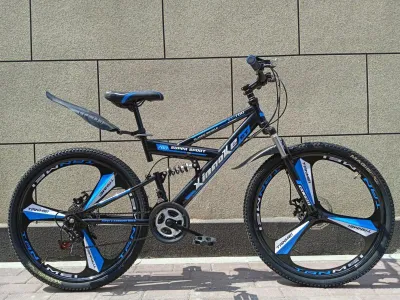
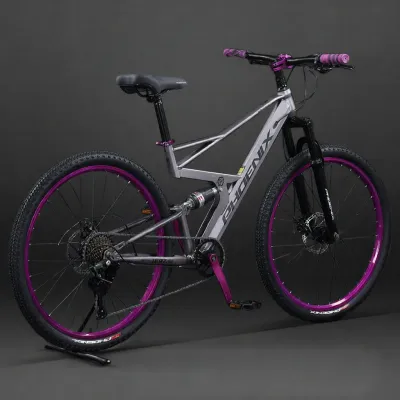
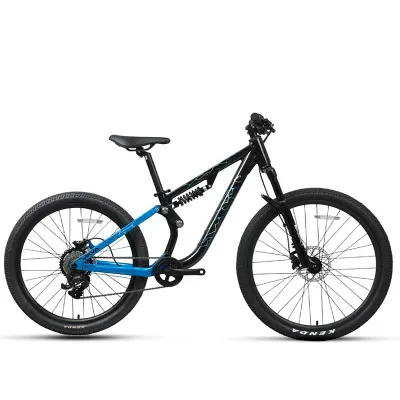
A full suspension mountain bike features a front suspension fork and a rear shock integrated into a pivoting rear triangle linkage system. This design allows the rear wheel to move vertically, absorbing impacts from rocks, roots, and drops while keeping the tire in constant contact with the ground.
Products mentioned in this guide
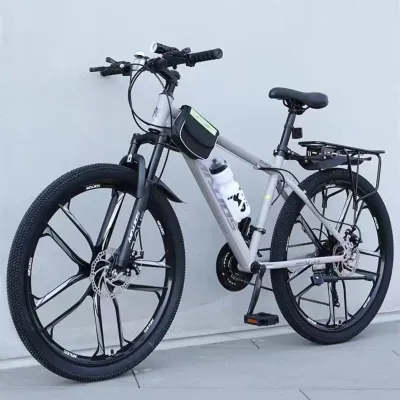
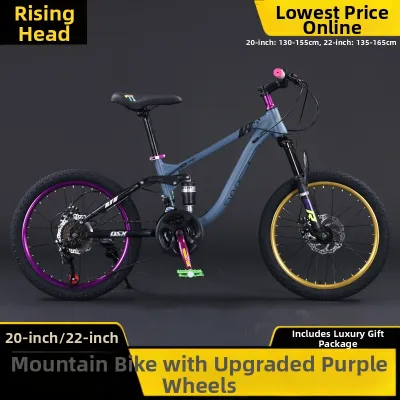
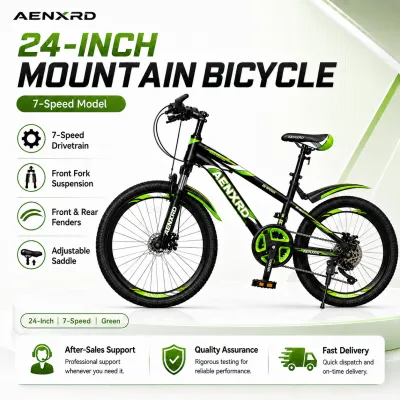
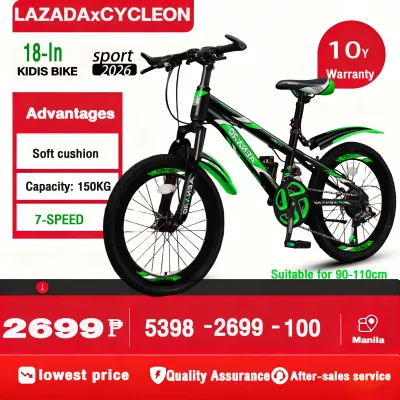
Prices are valid at publication and may change. Please refer to the product page for the latest price.
The primary benefit of this setup is superior traction, comfort, and control, especially when descending rough terrain at speed. However, these advantages come with specific trade-offs, including increased overall weight, potential energy loss from suspension movement during pedaling (often called pedal bob), and a higher number of moving parts that require regular inspection.
Hardtail MTB Explained
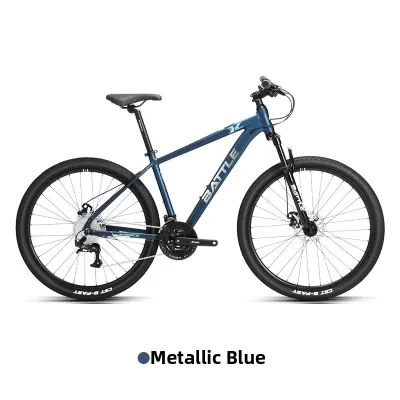
A hardtail mountain bike features a suspension fork at the front but maintains a completely rigid rear triangle. Without a rear shock or pivot linkages, the frame is lighter, stiffer, and highly efficient at transferring power directly from your pedals to the rear wheel.
This makes hardtails exceptionally fast on climbs and smooth flat sections. The trade-off is a much firmer ride; the rigid rear end does not absorb trail chatter, meaning your legs must act as the primary shock absorbers. On rough descents, this lack of rear compliance can lead to a bouncy ride, reduced traction, and faster physical fatigue over long distances.
Self-Diagnosis: Match Your Riding Style to the Right Bike
To make an informed choice, you must look closely at your typical riding habits, local geography, and personal development goals as a rider.

Evaluate Your Local Trails and Terrain
The physical characteristics of the trails you ride most often should dictate your suspension needs. Consider the following checklist of trail features:
- Technical Obstacles: Are you regularly rolling over wet tree roots, jagged rock gardens, and steep drop-offs?
- Trail Surface: Is the ground mostly smooth dirt, packed clay, loose gravel, or heavily rutted paths?
- Elevation Profile: Do your rides consist of long, sustained climbs followed by fast, technical descents, or are they mostly flat and rolling?
In the Philippines, tropical weather plays a massive role in trail conditions. During the wet season, heavy downpours turn clay-heavy trails into slick, muddy tracks where maintaining tire contact is incredibly difficult. A full suspension bike excels in these slippery conditions by keeping the rear tire pressed into the mud for better grip. Conversely, during the dry season, trails become hard-packed, dusty, and loose. If your local routes consist primarily of fire roads, established farm paths, or well-groomed trail parks, a hardtail provides more than enough capability without the unnecessary weight of a rear shock.
Assess Your Skill Level and Riding Goals
Your current abilities and what you hope to achieve on the trail are equally important. Riding a hardtail is one of the most effective ways to develop fundamental mountain biking skills. Because the rear end is rigid, you are forced to learn proper line choice, active body positioning, and how to use your knees and ankles to absorb impacts. Equipment cannot replace training or judgment; a highly capable bike will not automatically make a rider safer without proper technique.
A full suspension bike, while highly forgiving, can sometimes mask poor technique by allowing you to roll over obstacles carelessly. However, if your goal is to progress into high-speed trail riding, enduro, or downhill racing, a full suspension bike provides the safety margin and control needed to push your limits. It builds confidence quickly by keeping the bike stable when the terrain becomes unpredictable, allowing you to focus on braking points and cornering technique.
Budget, Maintenance, and Long-Term Value
The financial commitment of mountain biking extends far beyond the initial showroom price, and this is where the two designs diverge significantly.
When establishing your budget in ₱, consider the component quality you get for your money. For any given price point, a hardtail will almost always feature superior components—such as a higher-tier drivetrain, more powerful hydraulic disc brakes, and a lighter, more adjustable front fork—compared to a full suspension bike at the same price. To get a full suspension bike with comparable component quality, you must be prepared to spend a significantly higher amount in ₱.
Maintenance is another critical factor, especially in humid, tropical climates where moisture, mud, and grit accelerate wear. A full suspension frame contains multiple pivot points, cartridge bearings, and a rear shock that require specialized care. You must factor in the cost and time required for:
- Bearing Replacement: Cleaning and replacing worn pivot bearings that creak or seize after muddy rides.
- Shock Servicing: Periodic air-can services and damper rebuilds to maintain smooth rear suspension performance.
- Linkage Inspection: Checking torque specs on pivot bolts to prevent frame damage.
A hardtail eliminates these concerns entirely. With no rear pivots or shock, your maintenance routine is limited to the front fork, drivetrain, and brakes, resulting in lower long-term ownership costs and more time spent riding rather than wrenching.
Making the Final Decision: Your Action Plan
Use this structured action plan to guide your final purchasing decision:
- Step 1: Audit Your Riding Logs. Review your last ten rides or look at the trails you plan to visit most frequently. If more than seventy percent of your riding is on paved roads, gravel paths, or smooth singletrack, a hardtail is your best match. If you consistently seek out rugged, technical trails, prioritize full suspension.
- Step 2: Define Your Total Budget in ₱. Establish a clear financial limit that includes not just the bike, but also essential safety gear like a high-quality helmet, knee pads, and a shock pump. Ensure you reserve a portion of your budget for annual suspension servicing.
- Step 3: Conduct a Real-World Test Ride. Visit a local bike shop or trail center that offers demo days. Ride both a hardtail and a full suspension bike on the same stretch of trail if possible. Pay close attention to how your back and knees feel after riding over rough sections, and notice how efficiently each bike climbs.
- Step 4: Match to Your Maintenance Capacity. Be honest about your willingness to perform bike maintenance or pay a professional mechanic. If you prefer a simple, low-maintenance machine that is always ready to roll, choose the hardtail. If you are willing to invest the time and money into suspension upkeep for a smoother ride, go with the full suspension option.
Frequently Asked Questions (FAQ)
Is a hardtail better for beginners?
Yes, a hardtail is generally highly recommended for beginners because it teaches essential riding techniques. Without rear suspension to absorb mistakes, you quickly learn how to stand up on the pedals, shift your body weight, and choose the smoothest lines through obstacles. Additionally, the lower cost and simpler maintenance of a hardtail make it an excellent entry point into the sport without a massive financial commitment. However, if a beginner has pre-existing joint issues or plans to ride extremely rocky terrain immediately, a full suspension bike may be preferred for comfort and joint protection.
Can I upgrade a hardtail to full suspension later?
No, you cannot convert a hardtail frame into a full suspension bike. The frame designs are fundamentally different; a hardtail frame lacks the necessary pivot points, mounting brackets, and clearance required to install a rear shock and linkage system. If you buy a hardtail and later decide you need full suspension, you will need to purchase a completely new frame or a whole new bike. While you can sometimes transfer components like the wheels, drivetrain, and brakes to a new full suspension frame, you must verify compatibility with axle standards, bottom bracket types, and headtube dimensions.
Community discussion
Share your experience or ask a question. Comments are reviewed before publication.