
The choice between the Golf Pride MCC Plus 4 and the standard MCC grip hinges entirely on your lower-hand taper preference and how it influences your grip pressure. The Plus 4 features a reduced taper that simulates the feel of four extra layers of build-up tape under the lower hand, promoting a lighter grip and potentially reducing overactive hand rotation. The standard MCC offers a traditional taper, providing more distinct tactile feedback and facilitating a faster release for players who rely on hand action. Choose the Plus 4 if you struggle with gripping too tightly or hooking the ball; choose the standard MCC if you prefer pronounced feedback and shot-shaping control. If you are unsure about your grip faults, verify your swing characteristics with a teaching professional before committing to a full set.
Understanding the Core Difference: Taper Profile and Grip Design
To appreciate how these two grips perform on the course, one must first look at their physical geometry. The standard Golf Pride Multi-Compound (MCC) grip features a traditional taper. This means the grip is thickest at the top, near the butt end of the shaft, and gradually slants down, becoming significantly thinner where your lower hand rests. This design has been the industry standard for decades, mimicking the natural taper of a steel or graphite golf shaft.
In contrast, the MCC Plus 4 alters this geometry by reducing the taper in the lower half. The “Plus 4” designation indicates that the lower portion of the grip is thickened to simulate the physical outer diameter of a standard grip installed with four additional layers of double-sided build-up tape underneath the lower hand. This creates a much more uniform, cylindrical profile from top to bottom, reducing the transition in thickness between your lead and trailing hands.
Products mentioned in this guide
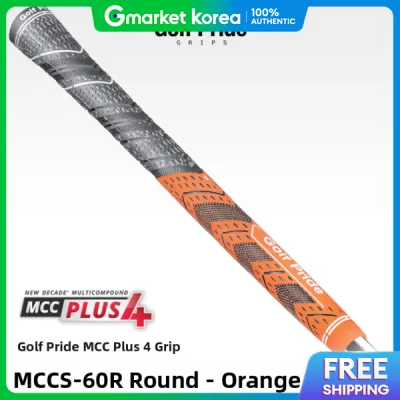
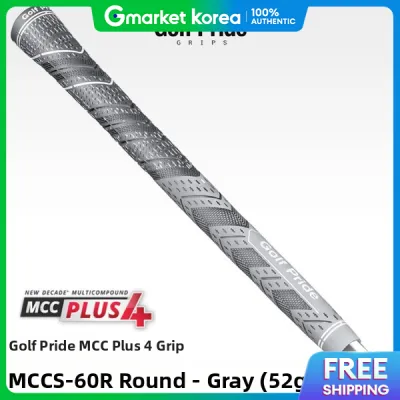
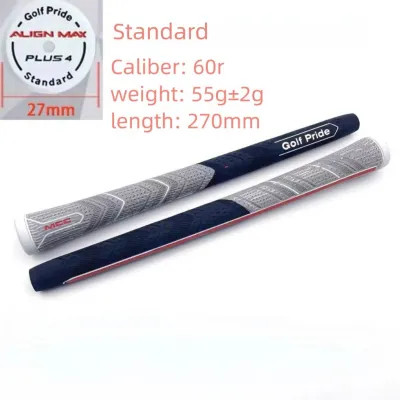
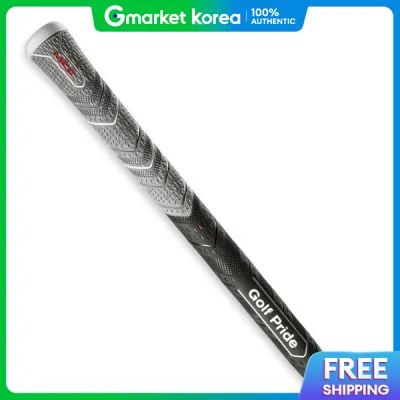
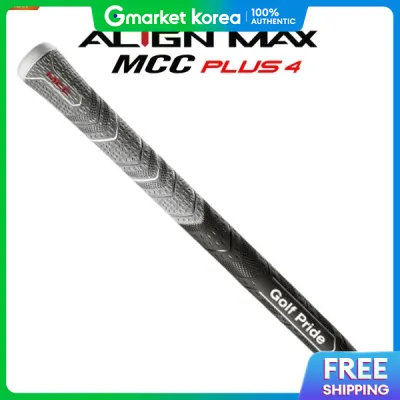
Prices are valid at publication and may change. Please refer to the product page for the latest price.
Despite this structural difference in shape, both models share the exact same hybrid material construction. The upper hand section features a highly textured, brushed cotton cord fused with a firm rubber compound. This corded section is engineered to maximize traction and manage moisture, which is particularly beneficial for the lead hand. The lower hand section consists of a softer, high-performance rubber compound designed to provide comfort, responsiveness, and a tactile feel for the trailing hand. The primary variable between the two models is strictly the thickness and slope of this lower rubber section, rather than the overall outer diameter at the very top of the grip.
How Taper Profile Affects Grip Pressure and Swing Release
The physical shape of your grip directly influences the biomechanics of your hands and forearms during the swing. When using a traditional tapered grip like the standard MCC, the thinner lower section naturally encourages the fingers of your trailing hand to wrap tightly around the club. For many players, this thinner profile can lead to subconscious over-squeezing. Excessive grip pressure in the lower hand often introduces tension into the wrists and forearms, which can restrict a smooth, natural release of the clubhead through impact or cause the hands to flip overactively.

By thickening the lower hand section, the MCC Plus 4 aims to counteract this tendency. The larger outer diameter under the trailing hand allows you to maintain secure contact with the club using lighter grip pressure. Biomechanically, reducing tension in the trailing hand can help stabilize the clubface, preventing the hands from turning over too quickly. This stabilization is often favored by golfers who struggle with a hook or an inconsistent release.
Conversely, the standard MCC’s traditional taper provides more distinct tactile feedback. Because the grip is thinner at the bottom, players who rely on precise hand action and fine motor control often feel more connected to the club’s movement. This thinner profile can facilitate a faster, unhindered release of the clubhead, which is highly advantageous for golfers who like to shape their shots, hit draws on command, or who simply prefer an active hand release. These effects are conditional biomechanical tendencies rather than guaranteed performance outcomes, as your individual swing path, wrist release style, and hand strength will ultimately dictate how your body responds to each profile.
Matching the Grip to Your Swing Characteristics and Hand Position
Selecting the right grip profile requires an honest assessment of your typical ball flight, swing faults, and comfort preferences. The MCC Plus 4 is highly suitable for golfers who tend to grip the club too tightly, particularly when playing in hot, humid conditions where sweat can make the club feel insecure. If you frequently struggle with a hook—where overactive hands close the clubface too early before impact—the reduced taper of the Plus 4 can help quiet that trailing hand. It is also an excellent choice for players who prefer a consistent, uniform feel in both hands, allowing for a more unified swing motion.
On the other hand, the standard MCC is the logical choice if you rely on pronounced hand action to control your ball flight. Golfers who actively work the ball left-to-right or right-to-left often prefer the traditional taper because it allows the trailing hand to feel more active and responsive. Additionally, players with smaller hands or shorter fingers may find the thicker lower section of the Plus 4 overly bulky, making it difficult to establish a secure, comfortable finger lock.
Before committing to regripping an entire set of clubs, it is highly recommended to verify your specific swing characteristics. If you are unsure whether your miss-hits stem from improper grip pressure, hand position, or an entirely different swing path issue, consult a qualified club fitter or teaching professional. Testing a single grip on a mid-iron during a practice session is an excellent way to observe how the taper profile affects your real-world ball flight and comfort before making a full investment.
Installation, Sizing, and Custom Build-Up Alternatives
When choosing between these models, you must also consider how they interact with standard grip sizing. Both the standard MCC and the MCC Plus 4 are available in standard and midsize options. A midsize grip naturally has a larger overall diameter than a standard grip. If you transition to a midsize Plus 4, the lower hand section will feel exceptionally thick, which may be ideal for players with very large hands but could feel unwieldy for average-sized hands. It is crucial to match the grip size to your hand measurements and finger length to ensure your fingers can wrap comfortably without digging into your palms or leaving excessive gaps.
If you prefer a highly customized taper profile that falls somewhere between these two factory designs, you can manually replicate the effect using build-up tape. By applying specific layers of double-sided or masking tape to the lower portion of the shaft before installing a standard MCC grip, you can customize the thickness to your exact preference. For example, applying two or three layers of tape only to the lower hand area allows you to fine-tune the taper without committing to the full four-layer thickness of the Plus 4.
Regardless of which path you choose, proper installation is vital for performance and longevity. Always check the manufacturer’s installation guidelines and use a generous amount of high-quality grip solvent to ensure the grip slides on smoothly without twisting. Ensure the shaft is thoroughly cleaned of old adhesive and prepped correctly. A poorly installed grip can suffer from internal air pockets, twisting during the swing, or premature peeling, which compromises both your traction and your confidence on the course.
Frequently Asked Questions (FAQ)
Can I just add tape to a Standard MCC to make it a Plus 4?
Yes, you can replicate the reduced taper profile of the Plus 4 by adding build-up tape to the lower half of a Standard MCC grip. This DIY method allows you to customize the exact thickness under your trailing hand. However, this process requires precise tape application; any overlapping edges or uneven layers can create uncomfortable ridges under the rubber, and excessive stretching during installation can alter the texture of the upper-hand cord.
Does the cord material on the upper hand differ between the two models?
No, the cord material is identical on both models. Both the Standard MCC and the MCC Plus 4 utilize the same brushed cotton cord material embedded in a firm rubber compound on the upper half of the grip. The primary difference between the two grips remains strictly confined to the thickness, geometry, and taper of the lower-hand rubber section.
Are these grips suitable for high-humidity or wet weather conditions?
Yes, both grips are highly suitable for challenging weather conditions due to their hybrid design. In tropical climates like the Philippines, where high humidity and sudden afternoon rain showers are common, maintaining a secure hold on the club is a constant challenge. The corded upper hand is specifically engineered to wick away moisture and maintain secure traction in damp or sweaty conditions. To preserve this performance, you should regularly clean your grips with mild soap and water to prevent dirt, sunscreen, and skin oils from clogging the cord fibers.
Community discussion
Share your experience or ask a question. Comments are reviewed before publication.