
Selecting the right golf grip is one of the most direct ways to influence your swing mechanics, shot shape, and overall control. In the tropical climate of the Philippines, where high humidity and sudden afternoon downpours are common, maintaining a secure connection to your club is even more critical. The Golf Pride MultiCompound (MCC) family has become a benchmark for players seeking a balance of moisture management and comfort, but choosing between the Standard MCC, the MCC Plus 4, and listings labeled as “MCC Iron” requires a clear understanding of how taper, texture, and hand action affect your performance.
Your decision ultimately comes down to how you manage grip pressure, your preferred wrist release timing, and verifying the exact specifications of the grips you purchase. By evaluating your swing tendencies and physical hand dimensions, you can select the specific variant that helps keep your hands quiet and your clubface square through impact.
Decoding the MCC Lineup: Core Design Differences
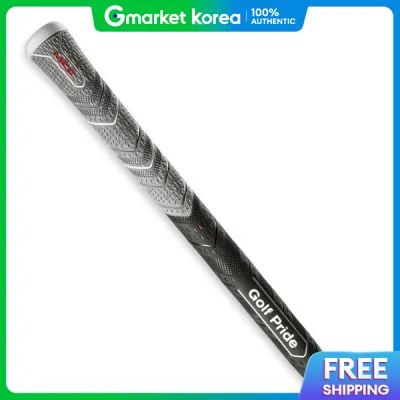
The foundation of the MultiCompound series is its hybrid construction, which divides the grip into two distinct zones tailored to the roles of your upper and lower hands. The upper section features a brushed cotton cord fused with a firm rubber compound, designed to provide stable traction and moisture-wicking performance for your glove hand. The lower section consists of a softer, high-tack rubber compound that offers enhanced feel and comfort for your guiding hand.
Products mentioned in this guide
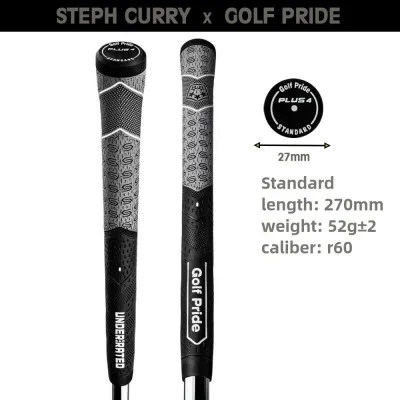
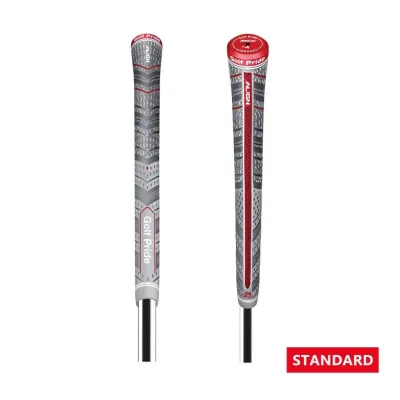
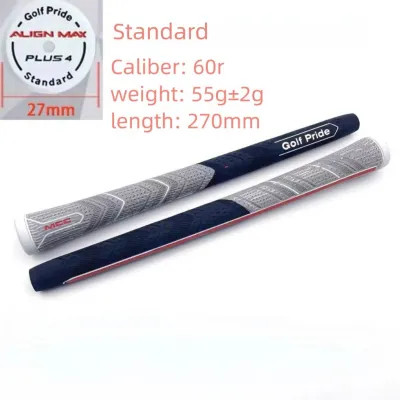
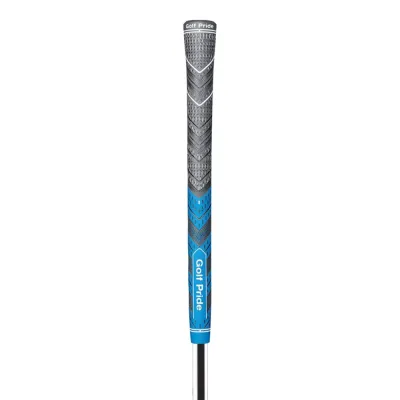
Prices are valid at publication and may change. Please refer to the product page for the latest price.
The standard MCC balances a traditional tapered profile with these hybrid materials, offering a familiar shape that narrows toward the lower end of the shaft. This design provides a clear distinction between the firm, textured upper hand and the more responsive, tactile lower hand, making it a versatile option for players who want both control and feedback.
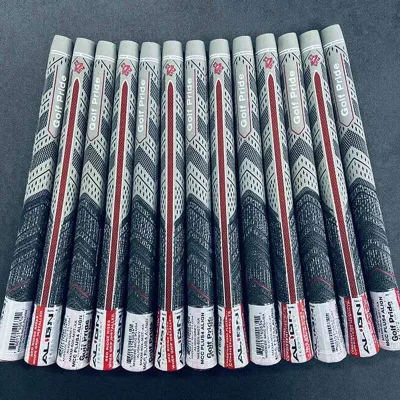
When browsing product listings, you will frequently encounter the term “MCC Iron.” It is important to verify manufacturer labels and retail descriptions, as this designation is often used by retailers simply to package standard MCC grips in sets of eight or more for iron transitions. However, some listings may refer to specific sub-variants featuring built-in alignment technologies, such as a raised rib on the back of the grip, which helps players maintain consistent finger placement across their iron set.
Grip Taper and Lower Hand Feel: Standard vs. Plus 4
The primary structural difference between the Standard MCC and the MCC Plus 4 lies in the taper profile of the lower hand. A standard tapered grip naturally thins out as it moves down the shaft, which encourages more active wrist hinge and a faster hand release through the hitting zone. This active release can be highly beneficial for players who struggle to square the clubface or those who tend to miss to the right.

In contrast, the MCC Plus 4 features a reduced taper design that simulates the feel of adding four extra layers of build-up tape under the lower hand. By making the lower section thicker, this design encourages lighter grip pressure and calms down overactive hands. For golfers who struggle with an aggressive release or a tendency to hook the ball, the thicker lower profile helps stabilize the hands and promote a more neutral, body-controlled release.
When choosing between these profiles, perform a quick self-assessment of your swing habits. Pay attention to your grip tension; if you find yourself squeezing the club too tightly, a reduced taper profile like the Plus 4 can help relax your forearms. Additionally, consider your dominant hand’s influence on your swing, as a thicker lower grip can prevent a dominant trailing hand from overpowering the shot.
Texture, Feedback, and Weather Performance
The hybrid construction of the MCC line is engineered to perform across a wide range of weather conditions, making it highly suitable for the intense heat and moisture of tropical courses. The brushed cotton cord in the upper section provides aggressive traction, ensuring that even when your glove is damp from sweat or rain, your top hand remains securely anchored to the club.
The lower rubber compound balances this aggressiveness by offering a softer surface for your non-gloved hand, though it remains firmer than standard all-rubber or polyurethane grips. This firmness is intentional, as it delivers immediate tactile feedback regarding where on the clubface you made contact, allowing you to make precise adjustments during practice or play.
Before committing to a full set, verify your personal tolerance for cord texture. The brushed cotton cord is highly abrasive compared to smooth rubber grips, and players who prefer to play without a glove or those with sensitive skin may find the texture uncomfortable over a long round. Checking manufacturer specifications for compound firmness can help you anticipate how much vibration dampening the grip will provide.
Choosing Your Variant: A Condition-Based Decision Guide
To simplify your selection, match your physical preferences and swing characteristics to the specific design strengths of each variant:
- Choose the Standard MCC if you prefer a traditional tapered feel, rely on active wrist release to square the clubface, and want a balanced blend of cord traction and rubber feedback.
- Choose the MCC Plus 4 if you struggle with excessive grip tension, have a highly dominant lower hand that causes hooks, or prefer the feel of a thicker grip without the hassle of installing multiple layers of custom tape.
- Verify MCC Iron Listings to confirm whether they are standard MCC bundles, or if they feature specific alignment aids designed to assist with consistent hand placement on your irons.
If you find yourself caught between sizes, or if you are experiencing persistent hand fatigue or inconsistent ball flight, pause the selection process. Consulting a professional club fitter can provide valuable insights into how grip weight affects your club’s overall swing weight, and help you determine if custom tape wraps are necessary to achieve your ideal grip diameter.
Sizing, Installation, and Long-Term Care
Selecting the correct grip size is just as important as choosing the right model. Start by measuring your hand from the crease of your wrist to the tip of your longest finger, and cross-reference these measurements with manufacturer core size (.580 or .600) and outer diameter charts to determine if you need Standard, Midsize, or Jumbo options.
During installation, pay close attention to alignment. If you are installing a variant with built-in alignment aids, ensure the rib or visual lines are perfectly aligned with the clubface to prevent subtle, unintended changes to your setup. Proper alignment ensures that your hands naturally find the correct position every time you address the ball.
To extend the life of your hybrid grips, establish a regular cleaning routine. Because the upper cord section is porous, it easily absorbs sweat, dirt, and skin oils, which can cause the materials to slick over and lose traction. Wash the grips using mild soapy water and a soft-bristle brush, rinse them thoroughly with clean water, and dry them with a clean towel to keep both the cord and rubber sections performing as intended.
Frequently Asked Questions (FAQ)
Can I mix different MCC variants in the same bag?
Yes, you can mix different MCC variants across your clubs, provided you are comfortable with the transition in feel. Some players prefer the reduced taper of the MCC Plus 4 on their driver and fairway woods to help prevent aggressive hooks on high-speed swings, while keeping the Standard MCC on their irons for more active control. If you choose to mix variants, monitor your grip pressure to ensure you do not overcompensate when switching between different club types.
How do I know when my MCC grips need replacing?
Your MCC grips should be inspected regularly for visual and tactile signs of wear. Look for balding or fraying in the upper cord section, a shiny or hardened appearance in the lower rubber section, or visible wear patterns where your thumbs rest. In warm, humid climates, the combination of sweat and friction can accelerate the breakdown of rubber compounds, making regular replacement essential for maintaining consistent traction.
Community discussion
Share your experience or ask a question. Comments are reviewed before publication.