
The best material for a golf putter cover depends on your local playing conditions, storage habits, and aesthetic preferences. Leather offers classic style and long-term structural durability but requires regular maintenance to withstand tropical humidity. Neoprene provides excellent shock absorption and water resistance for wet, rainy rounds, though it can trap moisture if not dried properly. Knit and synthetic covers deliver lightweight breathability that prevents rust, making them ideal for dry days, though they offer less impact protection against heavy bag clatter.
Your putter is arguably the most critical club in your bag, responsible for finishing every hole and directly impacting your scorecard. Whether you are protecting a premium ₱20,000 milled putter or a cherished budget model, keeping the face free of dings, scratches, and corrosion is essential for maintaining a consistent roll. A damaged putter face can introduce micro-deflections that ruin your alignment and distance control on the green.
Choosing the right cover involves balancing physical protection, weather resistance, and ease of use. By understanding how different materials perform under various conditions, you can select a cover that keeps your putter in pristine condition for years to come.
Products mentioned in this guide
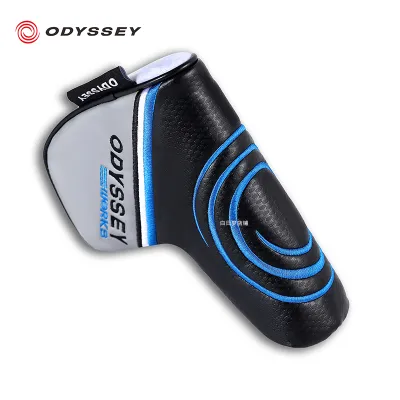
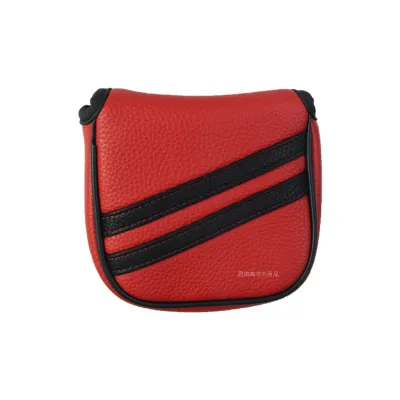
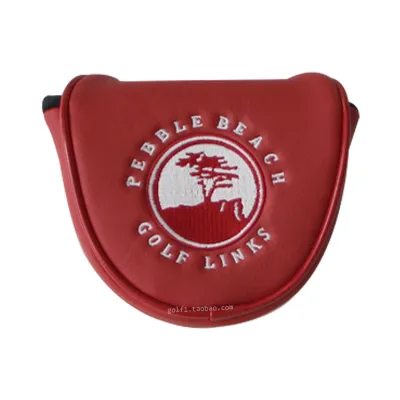
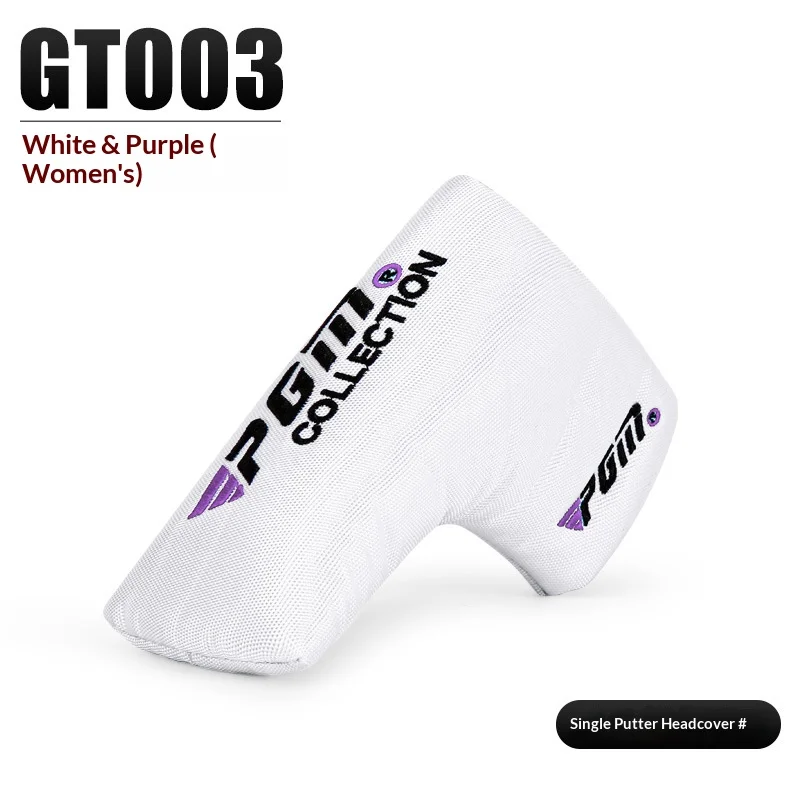
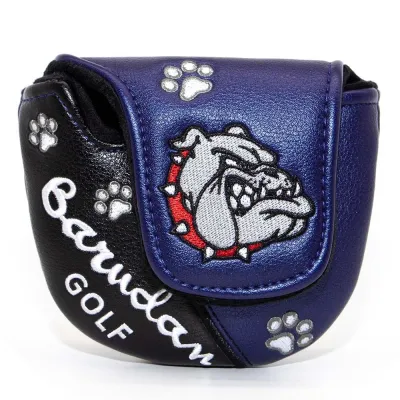
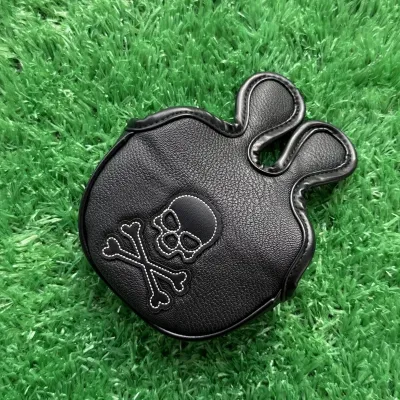
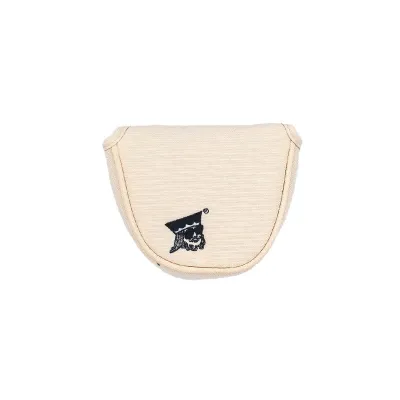
Prices are valid at publication and may change. Please refer to the product page for the latest price.
Identifying Your Putter Protection and Storage Needs
To choose the ideal putter cover, you must first evaluate your specific playing habits, storage methods, and environmental conditions. Golfers who play multiple times a week or travel frequently with their clubs require a higher level of impact protection. During transport, clubs constantly clatter against one another, and the soft metal of a putter head is particularly vulnerable to deep dings from heavy irons.
Local weather conditions play a massive role in material longevity and club safety. In tropical climates like the Philippines, high humidity, intense heat, and sudden rain showers are common. These environmental factors can accelerate the deterioration of certain materials and create a breeding ground for rust on your club head. If you frequently play in wet conditions, a material that resists water or dries quickly is crucial.
Storage and transport methods also dictate your protection needs. If your golf bag features a dedicated, individual putter well, your club is relatively isolated from clatter, allowing you to opt for lighter, more breathable covers. However, if your putter sits loose in a main compartment alongside wedges and irons, a thick, rigid cover is necessary to absorb heavy impacts.
Leather Putter Covers: Traditional Aesthetics and Structural Durability
Genuine leather putter covers are the traditional choice for golfers who prioritize a classic look, structural rigidity, and a premium tactile feel. High-quality leather is exceptionally durable and offers a timeless aesthetic that ages beautifully. Over time, a genuine leather cover undergoes a natural break-in process, molding to the unique contours of your putter head and developing a rich patina.

However, leather requires active maintenance to survive in humid, tropical environments. Without regular conditioning, exposure to moisture, sweat, and intense sunlight can cause the leather to dry out, stiffen, and eventually crack. To prevent this, you must periodically clean the cover and apply a specialized leather conditioner to preserve its flexibility and water-repellent properties.
In terms of protection, leather provides a tough, puncture-resistant outer shell that easily deflects sharp impacts from other clubs. However, because leather itself is relatively rigid and non-compressible, its shock-absorbing capability depends heavily on its inner lining. When shopping for a leather cover, always verify that it features a thick, plush interior lining—such as fleece or microfiber—to cushion the putter head against heavy impacts.
Neoprene Putter Covers: Weather Resistance and Shock Absorption
Neoprene putter covers are highly favored by practical golfers who prioritize maximum shock absorption, weather resistance, and low-maintenance care. Made from a dense, flexible synthetic rubber, neoprene acts as an excellent cushion. It easily compresses to absorb heavy impacts, protecting both the putter head and the delicate shaft from bag clatter during bumpy golf cart rides.
The standout feature of neoprene is its inherent water resistance. In wet or highly humid course conditions, neoprene prevents external moisture from immediately soaking through to the club head. This makes it an excellent choice for golfers who frequently play through sudden tropical downpours or early morning dew. Cleaning is also incredibly simple, usually requiring nothing more than a quick rinse and air drying.
Despite these benefits, neoprene has a few notable trade-offs. It lacks the premium, high-end look and feel of genuine leather, often presenting a more utilitarian, sporty aesthetic. Additionally, because neoprene is non-porous, it can trap moisture inside the cover if you put it on a wet putter. To prevent rust, you must make it a habit to remove the cover after a wet round and allow both the club head and the cover’s interior to dry completely.
Knit and Synthetic Covers: Lightweight Breathability and Design
Knit and synthetic fabric covers offer a lightweight, breathable alternative for golfers seeking vibrant designs, easy cleaning, and a casual aesthetic. Knit covers are often styled like classic pom-pom socks, giving your golf bag a vintage, relaxed appearance. They are highly flexible, making them incredibly easy to slip on and off during a fast-paced round.
The primary advantage of a knit cover is its exceptional breathability. The open-weave fabric allows air to circulate freely around the putter head, preventing condensation and moisture buildup. This breathability is highly beneficial for preventing rust, especially on carbon steel putters that are highly sensitive to moisture. The soft, woven interior also prevents minor surface scratches and finish wear caused by gentle contact inside the bag.
However, knit covers offer very little structural protection against heavy impacts. A sharp blow from a heavy wedge can easily compress the knit fabric and leave a ding on your putter. When selecting a knit or synthetic cover, look for models that feature reinforced internal linings or structural inserts. Additionally, verify that the closure mechanism—whether an elastic neck or a magnetic strip—is secure enough to prevent the cover from slipping off accidentally during transport.
Matching the Right Material to Your Golfing Lifestyle
Selecting the right putter cover material requires balancing your protection needs, local weather, and maintenance preferences. To help you make an informed decision, consider how each material aligns with your typical playing environment and lifestyle.
| Material | Impact Protection | Weather Resistance | Maintenance Effort | Aesthetic Style |
|---|---|---|---|---|
| Leather | High (with lining) | Moderate (requires care) | High | Traditional / Premium |
| Neoprene | High | High | Low | Sporty / Functional |
| Knit | Low to Moderate | Low | Low | Classic / Casual |
Before making a purchase, always verify the manufacturer’s specifications for internal dimensions and shape compatibility. Putter covers are not one-size-fits-all; a cover designed for a classic blade putter will not fit a large, high-MOI mallet putter. Ensure you select a cover specifically tailored to your putter’s shape (blade, mid-mallet, or mallet) and shaft configuration (heel-shafted or center-shafted) to guarantee a snug, secure fit.
Finally, evaluate secondary features such as the closure type and internal lining. Magnetic closures are highly durable and quiet, but you must check that the magnets are strong enough to keep the cover secure. Velcro closures are highly adjustable but can wear out over time and snag on delicate knit clothing. Zipper closures offer the most secure fit but require more effort to operate on the course. Always look for a soft, non-abrasive internal lining to protect your putter’s finish from friction.
Frequently Asked Questions (FAQ)
How do I clean and maintain a leather putter cover?
To clean a leather putter cover, wipe the exterior gently with a slightly damp microfiber cloth and a small amount of mild, pH-neutral soap. Avoid submerging the cover in water or using harsh chemical solvents, which can strip the leather of its natural oils. Once clean, allow the cover to air dry completely in a shaded, well-ventilated area away from direct sunlight or artificial heat sources. After drying, apply a thin layer of high-quality leather conditioner according to the manufacturer’s instructions to maintain its flexibility and water resistance.
Will a knit putter cover protect my putter from scratches?
Yes, a knit putter cover is highly effective at preventing minor surface scratches, paint chips, and finish wear caused by soft contact inside your golf bag. The soft, woven fabric acts as a gentle barrier against friction. However, knit covers lack the rigid structure and dense cushioning needed to protect against heavy impact dents from clattering irons. If you use a knit cover, ensure it fits snugly to prevent it from slipping off, and consider using a bag with individual club dividers to minimize heavy impacts.
Community discussion
Share your experience or ask a question. Comments are reviewed before publication.