
Selecting the right pair of boxing gloves is one of the most critical decisions a fighter can make, directly impacting both hand health and performance. Grant boxing gloves represent the absolute pinnacle of professional craftsmanship, favored by elite world champions and serious practitioners alike. However, because these gloves are highly specialized and require a significant financial investment, choosing the wrong model can lead to premature wear or inadequate protection for your specific training style.
To find the ideal model, you must match the glove’s internal construction to your daily training reality. The Grant lineup is broadly divided into the Pro/Competition line, designed for fight nights and high-precision mitt work, and the Training/Sparring line, built to withstand the daily mechanical stress of heavy bags and partner drills. Specialized amateur and custom lines are also available to meet strict sanctioning body rules or unique physical requirements. Before purchasing, always verify exact specifications, current pricing, and production lead times directly with the manufacturer or an authorized distributor, as these premium, handmade items are subject to limited availability.
Understanding the Core Grant Glove Lineup
To appreciate why Grant boxing gloves are held in such high regard, it is essential to understand how their different product lines are engineered. Unlike mass-produced gloves that use uniform injected foam molds, Grant gloves are handcrafted in Mexico using traditional layering techniques. This bespoke construction means that each line is tailored to perform a specific function in the gym or under the bright lights of a professional arena.
Products mentioned in this guide
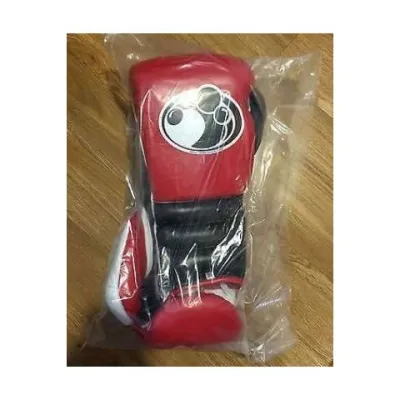
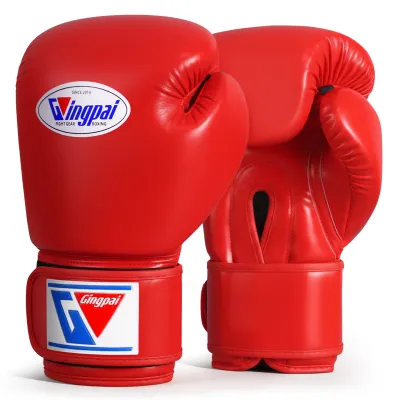
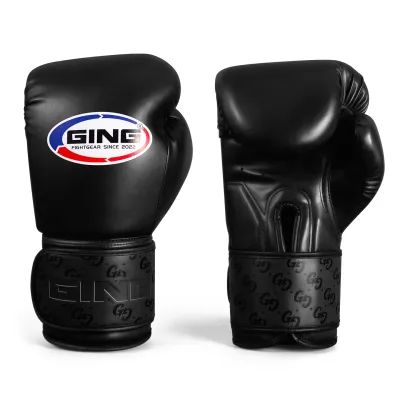
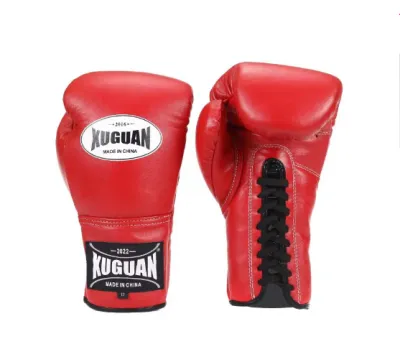
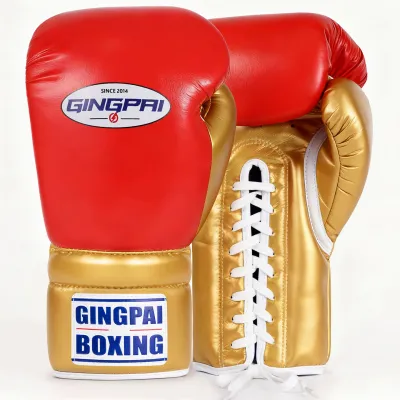
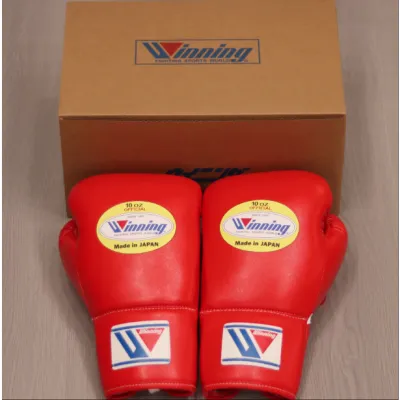
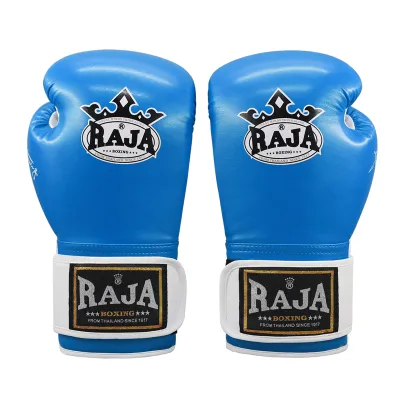
Prices are valid at publication and may change. Please refer to the product page for the latest price.
Grant Pro / Competition Line
The Grant Pro and Competition lines are designed primarily for sanctioned professional bouts and elite-level pad work. These gloves prioritize a compact profile, exceptional tactile feedback, and highly streamlined ergonomics. By utilizing a traditional blend of natural horsehair and thin layers of high-density orthopedic foam, they allow the fighter to feel the exact point of contact upon impact.
While this construction offers unparalleled punch feedback and allows for a highly satisfying, natural fist clench, it comes with distinct trade-offs. The natural horsehair and thin foam layers are designed to compress and conform to the hand, which is ideal for a 10- or 12-round fight but highly vulnerable to the repetitive, high-velocity impacts of daily heavy bag training. Using professional competition gloves for routine bag work will rapidly degrade the internal padding, leading to flat spots that compromise knuckle protection.
Grant Training / Sparring Line
For the relentless daily grind of gym training, the Grant Training and Sparring line is the industry benchmark. These gloves are engineered with thicker, multi-layered synthetic foam padding designed specifically for shock dispersion and long-term structural durability. The primary focus here is safeguarding your metacarpal joints and protecting your sparring partners from unnecessary trauma.
These training models feature a more rounded, pillowy profile compared to their sleek competition counterparts. The dense foam layers absorb and distribute kinetic energy across a wider surface area, preventing the padding from bottoming out even during high-volume heavy bag sessions. This robust construction ensures that the glove maintains its protective qualities over hundreds of rounds, making it the most practical choice for your primary training gear.
Grant Amateur and Specialty Lines
Beyond standard professional and training models, Grant produces specialized gloves tailored for amateur competition and unique physical needs. Amateur lines are constructed to comply with specific amateur boxing association rules, which often mandate precise weight-to-padding ratios and distinct contrast zones on the knuckles to assist judges in scoring punches.
Specialty lines also include custom hand compartment dimensions. For example, fighters with narrower hands, female athletes, or younger competitors often find standard glove compartments too spacious, which can lead to hand shifting and wrist instability. Grant addresses this by offering specialized fits that secure smaller hand structures. Because these specialty models are highly customized, you must verify their current availability and exact design parameters directly with the manufacturer before ordering.
Key Comparison Dimensions Across Grant Models
To make an informed decision, you must look closely at the physical and mechanical differences that define each Grant line. Understanding these key dimensions will help you evaluate where to direct your investment.

Padding Density and Profile
The fundamental difference between Grant models lies in the composition and distribution of their internal padding. Pro competition gloves utilize a hybrid padding system—often blending horsehair with foam—to create a slim, aerodynamic profile that cuts through the air and delivers maximum kinetic transfer. This allows you to feel the precise angle of your wrist and knuckles upon impact, which is highly beneficial for refining technique on focus mitts.
In contrast, Training and Sparring gloves rely entirely on advanced, multi-layered synthetic foams. This creates a thicker, wider profile that acts as a protective shield. While you lose some of the raw tactile feedback of a competition glove, you gain the critical shock absorption needed to protect your hands during high-volume training sessions where you may land hundreds of punches a day.
Hand Compartment and Ergonomics
Ergonomics dictate how comfortably your hand rests inside the glove and how much energy is required to maintain a proper fist. Grant gloves are celebrated for their natural fist alignment, which positions the thumb in a safe, curved forward stance to prevent injury. However, the internal volume of the hand compartment varies significantly between lines.
Pro models feature a highly snug, anatomical compartment designed to be worn with professional gauze and tape wraps. If you attempt to wear these with thick, reusable cotton hand wraps, the fit may feel restrictively tight. Training models offer a slightly more accommodating hand compartment, specifically designed to comfortably house standard 180-inch cotton wraps while still maintaining a secure, slip-free fit.
Durability and Material Stress
Every time you strike a dense heavy bag, the glove’s leather and internal padding undergo immense mechanical stress. The friction and heat generated by repeated impacts accelerate the breakdown of natural materials. This is why material durability must guide your selection.
Because the Pro line relies on compressible horsehair and thin foam to deliver tactile feedback, it cannot withstand the daily abuse of a heavy bag without degrading quickly. The Training line is specifically built to handle this thermal and mechanical stress. By choosing the Training line for your daily bag and pad work, you preserve the life of the premium leather and ensure the internal foam layers continue to protect your joints over the long haul.
Wrist Support and Closure Systems
Grant gloves are renowned for their stiff, supportive cuffs, which act almost like a splint to keep the wrist aligned during impact. When choosing your gloves, you must decide between lace-up and hook-and-loop (Velcro) closure systems, both of which are available across different lines.
- Lace-Up Closure: This is the traditional standard, offering unmatched wrist support and a completely customized fit. The laces pull the long cuff tight against the forearm, minimizing wrist flexion. However, lace-up gloves require a trainer or training partner to tie and untie them, making them less practical for solo training sessions.
- Hook-and-Loop Closure: This system offers maximum convenience, allowing you to slip the gloves on and off independently. This is ideal for solo gym sessions where you need to transition quickly between skipping rope, bag work, and floor exercises. While modern hook-and-loop systems provide excellent support, they cannot completely replicate the uniform, rigid wrist alignment of a perfectly tied lace-up glove.
How to Choose: A Decision Framework for Grant Gloves
Because Grant gloves are a premium investment—often costing between ₱35,000 and ₱75,000+ depending on customization, shipping, and import duties—it is vital to use a structured decision framework to select the correct model.
Choose the Pro Line if:
- You are an active professional or high-level amateur preparing for a sanctioned bout.
- Your training consists primarily of technical pad work with a coach who demands crisp, audible feedback and precise punch placement.
- You prioritize a compact glove profile and raw tactile feedback over maximum padding volume, and you have a secondary pair of gloves dedicated to heavy bag work.
Choose the Training Line if:
- Your weekly routine revolves around high-volume heavy bag sessions, double-end bag drills, and regular sparring.
- You require a single, versatile pair of premium gloves that can safely transition from heavy bag conditioning to live sparring without risking injury to yourself or your training partners.
- You want to maximize the lifespan of your investment, relying on dense, resilient synthetic foam layers that resist packing down over years of consistent use.
Choose the Amateur/Specialty Line if:
- You are actively competing in sanctioned amateur tournaments that mandate specific, certified glove designs or color configurations.
- You have unique physical requirements, such as a narrow hand structure or a smaller wrist circumference, that require a specialized hand compartment to prevent slipping.
Verify Your Commitment First
If you are a beginner or intermediate boxer, it is crucial to evaluate whether your current training volume and technical mastery justify the cost of an elite, custom-made glove. While Grant gloves offer exceptional protection, they cannot replace proper coaching, technical discipline, and physical conditioning. Beginners often strike with improper wrist alignment or incorrect knuckle contact; mastering these fundamentals on high-quality, standard training gear is highly recommended before upgrading to a premium custom model.
Verifying Specs, Sizing, and Leather Care
Once you have determined which line fits your training style, you must take practical steps to verify your specifications and protect your investment, especially when training in challenging environments.
Checking Official Specifications
Because Grant gloves are highly customizable and often made to order, off-the-shelf sizing charts can be misleading. Always verify the exact weight (typically ranging from 8 oz and 10 oz for competition to 14 oz, 16 oz, or 18 oz for sparring and training) and the closure type directly through official Grant communication channels or verified high-end distributors. Never rely on third-party forum posts or outdated listings, as specifications and custom options can change.
Sizing and Hand Wraps
When choosing your glove weight and hand compartment size, always account for the thickness of your hand wraps. If you prefer thick gel knuckle guards or heavy gauze wraps, a standard hand compartment may feel excessively tight, potentially restricting blood flow and causing hand cramping. If you train with heavy wrapping techniques, consider sizing up or consulting with the manufacturer to ensure the internal compartment can comfortably accommodate your wraps.
Care in Humid Climates
Training in tropical or highly humid environments, such as the Philippines, presents unique challenges for premium leather gear. High humidity and heavy sweat create an ideal breeding ground for bacteria and mold, which can destroy the glove’s interior lining and degrade the premium full-grain leather. To protect your investment, follow these low-risk maintenance steps:
- Wipe Down Immediately: After every training session, use a clean, damp microfiber cloth to wipe away sweat and salt residue from the exterior leather.
- Maximize Airflow: Open the laces or Velcro straps as wide as possible to expose the inner compartment.
- Air Dry in the Shade: Place your gloves in a well-ventilated indoor area with good air circulation. Never leave them in a closed gym bag, a hot car trunk, or under direct tropical sunlight, as extreme heat will warp the internal foam and dry out the leather, causing it to crack.
- Use Moisture Absorbers: Insert cedar chip pouches or silica gel moisture absorbers into the hand compartments to actively draw out deep moisture from the inner lining.
- Condition Periodically: Apply a mild, manufacturer-approved leather conditioner every few months to keep the leather supple, always checking the product's care label first to ensure compatibility.
Frequently Asked Questions (FAQ)
Are Grant boxing gloves worth the investment for beginners?
For absolute beginners, Grant boxing gloves are generally not a necessary investment. While their craftsmanship and protection are world-class, beginners have not yet developed the refined punch technique, wrist alignment, and hand conditioning required to appreciate the subtle performance differences of elite gear. It is highly recommended to start with high-quality, mid-tier training gloves to build your fundamentals. Once you have established a consistent training routine and mastered proper striking mechanics, upgrading to a premium glove like Grant becomes a logical step to protect your hands as your punching power increases.
How long does it take to receive custom Grant gloves?
Because custom Grant gloves are individually handcrafted by skilled artisans in Mexico, lead times can vary significantly. Depending on the complexity of your customization, the current volume of professional orders, and shipping logistics, the wait time can range from several weeks to several months. If you are preparing for a specific competition or event, it is critical to contact Grant’s official order channels well in advance to get an accurate, up-to-date delivery estimate before finalizing your purchase.
Community discussion
Share your experience or ask a question. Comments are reviewed before publication.