
Finding the right grip solution for your badminton racket is essential for maintaining control, preventing blisters, and avoiding accidental racket slips during intense rallies. While grip powder, overgrips, and towel grips all aim to solve the sweaty grip problem, they achieve this through entirely different mechanisms. The “best” choice is not universal; it depends entirely on your sweat volume, preferred racket feel, and willingness to perform maintenance. Grip powder offers a dry, unaltered handle feel for light to moderate sweat; overgrips provide tackiness and cushioning for moderate sweat; and towel grips deliver maximum absorption for heavy sweaters. By understanding how each option interacts with moisture and handle thickness, you can select the exact solution that matches your playstyle and local court conditions.
In tropical climates like the Philippines, where indoor badminton courts can become incredibly humid and warm, managing sweat is a constant battle. A slipping racket not only ruins your shot accuracy but also poses a safety hazard to your doubles partner. Choosing between these three popular grip solutions requires looking closely at how you play, how much you sweat, and how much time you want to spend maintaining your gear.
Understanding Your Grip Needs: Sweat, Feel, and Maintenance
Before purchasing any grip accessory, you must analyze your personal playing conditions and physical preferences. Sweat volume is the most critical factor. Some players experience mild dampness on their palms, while others find sweat dripping down their forearms onto the handle within minutes of starting a match. High humidity levels in local sports centers accelerate this moisture buildup, making a grip that worked well in cooler weather suddenly feel slick and unmanageable.
Products mentioned in this guide

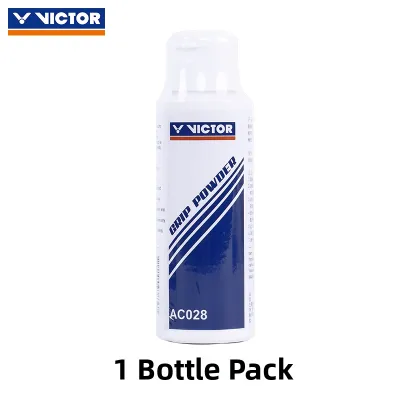
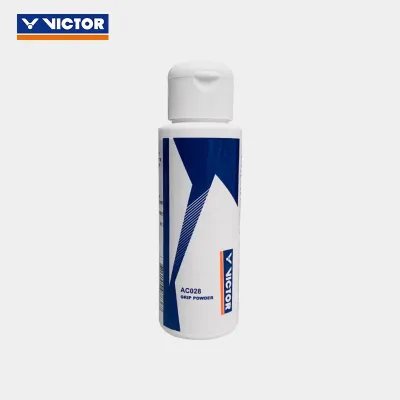
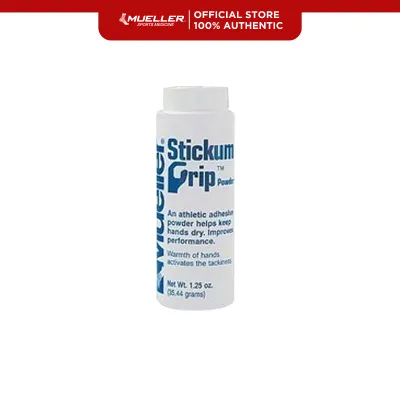
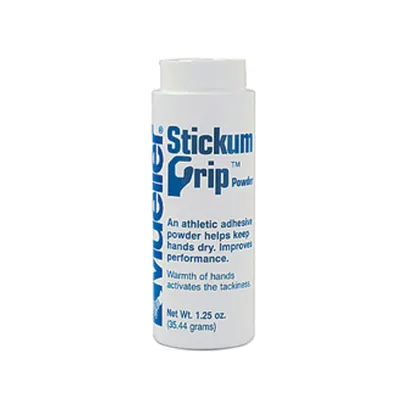
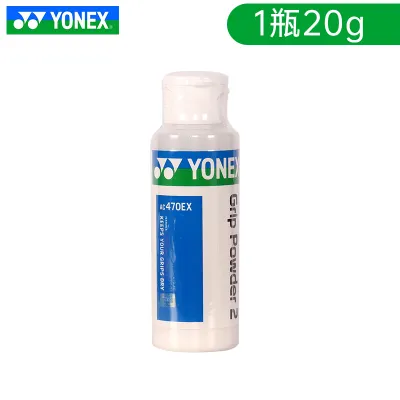
Prices are valid at publication and may change. Please refer to the product page for the latest price.
Tactile preference is another highly subjective variable. You might prefer a tacky, sticky surface that adheres firmly to your palm, or you might favor a soft, dry, towel-like texture. Additionally, the thickness of the handle directly impacts your finger control and power generation. A thicker handle can reduce finger maneuverability but offers a more relaxed hold, whereas a thinner handle allows for quick grip transitions between forehand and backhand shots.
Finally, consider your maintenance tolerance. Some players want a low-maintenance setup that they can install once and use for weeks with only a quick wipe-down. Others do not mind wrapping their rackets frequently, washing fabric grips, or reapplying powder before every set. Balancing these three factors—sweat, feel, and maintenance—will guide you toward the most effective solution for your game.
Grip Powder for Badminton: Pros, Cons, and Best Use Cases
Grip powder is a specialized fine powder, typically made of magnesium carbonate or a similar moisture-absorbing compound, designed to keep your hands dry and improve friction. Unlike wraps that cover the handle, grip powder is applied directly to your hands or onto an existing grip. This unique application method means it does not alter the physical dimensions of your racket handle, preserving the original wood bevels and allowing for maximum tactile feedback.

For players who demand precise finger placement and rapid grip changes, grip powder is highly advantageous. It provides a clean, dry, and velvety texture that prevents the racket from twisting in your hand during high-speed defensive blocks or delicate net drops. Because it adds zero bulk, you can maintain the exact grip size that your racket manufacturer intended.
However, grip powder has distinct limitations. In highly humid environments or during intense matches where sweat is heavy, the powder can mix with moisture to form a paste-like residue. This clumping reduces its effectiveness and requires you to wash your hands and wipe down the handle frequently. It can also be messy to apply, leaving white dust on your sports clothes, racket bag, and the court floor. Regular cleanup of the racket handle is necessary to prevent the powder from building up in the crevices of the base grip.
Overgrips: Pros, Cons, and Best Use Cases
Overgrips are thin, stretchable bands of polyurethane wrapped over the racket’s base grip. They are highly popular because they offer an affordable and customizable way to adjust the feel of your handle. Overgrips generally fall into two categories: tacky overgrips, which provide a sticky, high-traction surface, and dry overgrips, which have a velvety, moisture-absorbing finish similar to a peach skin texture.
The primary benefit of an overgrip is its ability to provide cushioning and vibration dampening. This extra layer helps prevent painful blisters during long training sessions and reduces hand fatigue by absorbing some of the impact from heavy smashes. Overgrips also allow you to slightly increase your handle size if the original grip feels too small. They are incredibly easy to replace; when the grip loses its tackiness or becomes dirty, you simply peel it off and wrap a new one in a few minutes.
The main drawback of overgrips is their performance under extreme sweat conditions. Once a tacky overgrip becomes saturated with moisture, it can lose its grip properties entirely and become incredibly slippery. While dry-type overgrips handle moisture better, they still have a limited absorption capacity compared to fabric alternatives. Additionally, overgrips wear out relatively quickly, requiring frequent replacement if you play multiple times a week, which can accumulate costs over time.
Towel Grips: Pros, Cons, and Best Use Cases
Towel grips are made of thick, absorbent cotton cloth, resembling a miniature towel wrapped around the racket handle. They are the traditional choice for heavy sweaters and professional players who need a reliable grip under intense physical exertion. The cotton fibers excel at drawing moisture away from your hand, ensuring that even when your palm is dripping wet, the racket remains secure in your grasp.
In hot and humid local badminton halls, towel grips provide unmatched moisture management. The soft, fibrous texture offers a comfortable, secure hold that feels reassuringly solid during powerful overhead smashes. Because cotton naturally expands slightly when wet, the grip maintains its traction even during long, grueling three-game matches.
Despite their superior absorption, towel grips come with significant trade-offs. They add noticeable thickness and weight to the handle, which can alter the balance point of your racket, making it feel slightly more headlight. Furthermore, towel grips require high maintenance. If left unwashed or unreplaced, the absorbed sweat dries into the cotton, causing the grip to become stiff, rough, and a breeding ground for bacteria and unpleasant odors. They also offer very little grip when your hands are completely dry, sometimes requiring you to dampen them slightly before play to get the desired traction.
Head-to-Head Comparison: Which Grip Solution Fits Your Playstyle?
To help you decide which option suits your specific needs, let us compare these three solutions across key performance metrics.
| Feature | Grip Powder | Overgrip (PU) | Towel Grip (Cotton) |
|---|---|---|---|
| Primary Mechanism | Moisture absorption (powder) | Surface tackiness or dry finish | Fiber absorption (fabric) |
| Sweat Tolerance | Light to moderate | Moderate | Heavy to extreme |
| Handle Thickness Added | None | Minimal (0.5mm to 0.7mm) | Significant (1.0mm to 1.5mm) |
| Tactile Feel | Dry, powdery, precise | Sticky/tacky or cushioned | Soft, fibrous, thick |
| Maintenance Effort | High (frequent reapplication) | Low (quick replacement) | High (washing or frequent replacement) |
| Durability | N/A (consumable powder) | Low to moderate | Low (hardens quickly) |
If you prioritize maintaining the exact shape of your racket handle and prefer a dry, powdery feel, grip powder is your ideal choice. It is perfect for front-court players who rely on quick finger adjustments for deceptive net play.
If you want a cushioned feel, customizable tackiness, and a low-maintenance setup, overgrips are the most versatile solution. They work best for recreational players who play in ventilated areas or have moderate sweat levels.
If you are a heavy sweater, play in hot, unventilated courts, or prefer a soft, towel-like texture, towel grips are the ultimate solution. They are favored by power players who need absolute security during high-impact smashes.
If you find yourself between categories, do not hesitate to experiment. Many players start with a thin overgrip and apply a small amount of grip powder on top to get a hybrid feel of tackiness and moisture control. Testing different setups during casual practice sessions is the best way to verify what works for your unique hand physiology.
How to Choose and Apply the Right Grip Solution
When selecting your grip solution, avoid buying in bulk initially. Purchase single packs of different overgrip brands or a small bottle of grip powder to test how they react to your sweat during an actual game. What feels comfortable in a dry, air-conditioned sports store may perform differently after an hour of intense play on a humid local court.
Proper application is crucial for maximizing the performance of your chosen grip. Before wrapping a new overgrip or towel grip, ensure the base grip is clean and free of old adhesive residue. Wrap the grip with consistent tension, overlapping the edges evenly by about one-eighth of an inch to avoid creating uncomfortable ridges. Secure the top of the grip firmly with the provided finishing tape, ensuring it does not unravel during quick racket rotations.
For grip powder, moderation is key. Shake a small amount onto your palm or directly onto the handle, then rub your hands together to distribute it evenly. Avoid dumping large amounts onto the handle, as this leads to clumping and waste.
Monitor your grip for replacement signals. Replace your overgrip when you notice visible wear patches, discoloration, or a complete loss of tackiness. For towel grips, replace them or wash them thoroughly once the cotton fibers begin to feel stiff, crusty, or emit an odor. If you use grip powder, make it a habit to wipe down your handle with a damp cloth after every session to prevent the powder from hardening into a stubborn crust on your base grip.
Frequently Asked Questions (FAQ)
Can I use grip powder and an overgrip together?
Yes, you can combine grip powder with an overgrip. Many players apply a small amount of grip powder over a dry or tacky overgrip to manage sudden sweat spikes during intense rallies. This combination provides the cushioning of an overgrip with the instant moisture absorption of powder. However, avoid over-applying, as excessive powder can clog the pores of the overgrip and reduce its lifespan.
How often should I wash my towel grip?
You should wash or replace your towel grip every two to four playing sessions, depending on how heavily you sweat. Because cotton absorbs sweat directly, it quickly accumulates bacteria, salt, and oils from your skin. If you choose to wash it, use a mild detergent and let it air dry completely before playing. If the grip becomes stiff and loses its soft texture even after washing, it is time to replace it.
Does grip powder damage the original wooden handle?
Grip powder itself does not damage the wooden handle, but the moisture it traps can cause issues if left unmanaged. If powder residue is allowed to build up and absorb sweat over a long period, the resulting damp paste can seep through the base grip and slowly rot or weaken the wood underneath. To protect your racket, always use a high-quality cushion wrap or waterproof base layer over the bare wood, and wipe the handle clean after play.
Community discussion
Share your experience or ask a question. Comments are reviewed before publication.