
Finding the right shaker bottle gym companion is more than just picking a color. In a warm, humid climate, a poor choice leads to clumpy protein shakes, stubborn odors, and messy leaks inside your gym bag. To get the most out of your post-workout nutrition, you need to evaluate the bottle’s material, mixing mechanism, seal reliability, and ease of cleaning.
Material and Durability: Evaluating Plastic, Steel, and Glass
Plastic is lightweight and highly portable, making it a common choice for daily gym-goers. However, budget plastics can degrade over time, absorb odors, and scratch easily. When shopping, always inspect the packaging or product base for a clear BPA-free label and dishwasher-safe symbols to ensure chemical safety.
Stainless steel offers superior durability and excellent temperature retention, keeping your pre-workout or protein shake cold even during hot afternoon sessions in non-air-conditioned local gyms. The trade-off is weight and cost; steel bottles are heavier to carry and generally require a higher initial investment.
Products mentioned in this guide
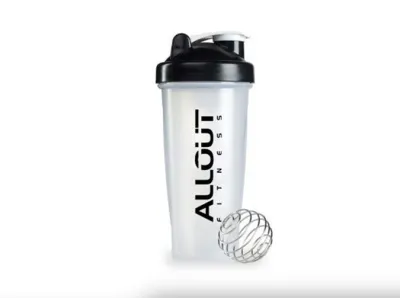
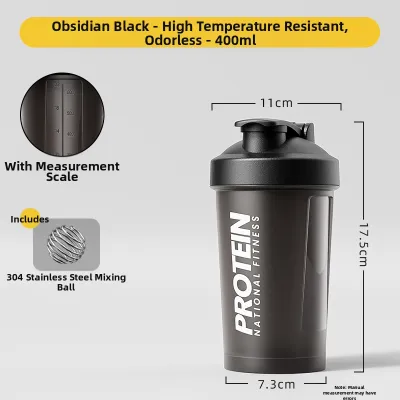
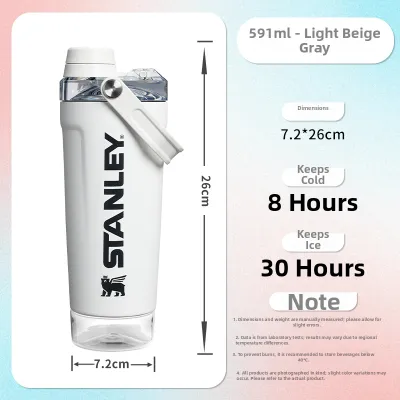
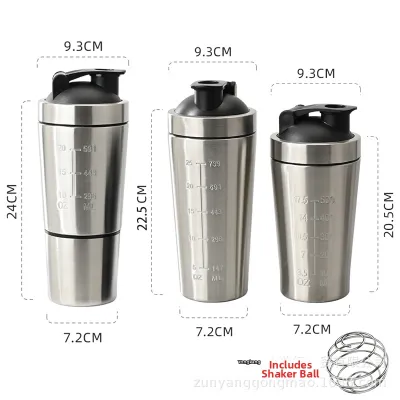
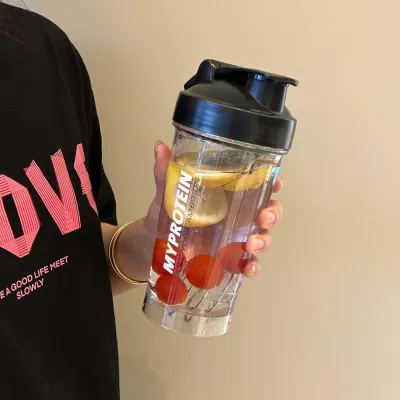
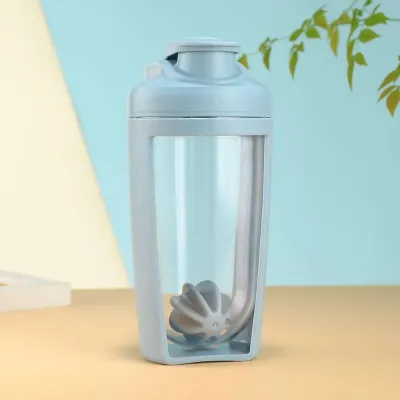
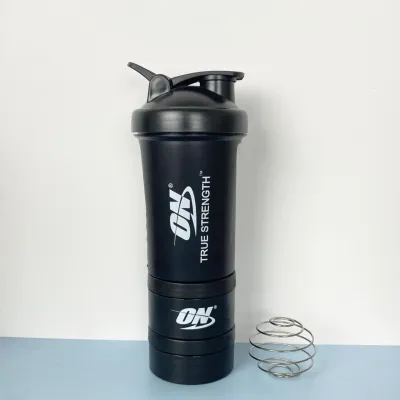
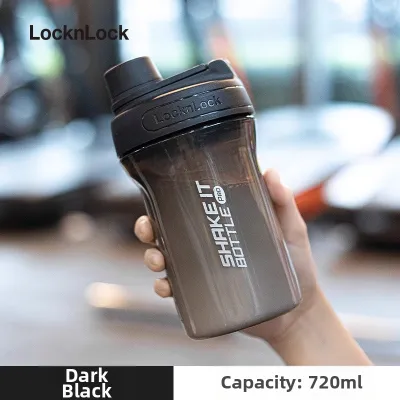
Prices are valid at publication and may change. Please refer to the product page for the latest price.
Glass provides the cleanest taste and zero odor retention, but its weight and fragility make it risky for high-impact gym environments. Dropping a glass bottle on a concrete or rubber-matted gym floor can cause dangerous shattering, so it is rarely recommended for active workout areas unless protected by a thick silicone sleeve.
Mixing Mechanisms: Wire Whisk, Grid, or Motorized
The classic stainless steel wire whisk ball remains highly popular because it free-floats through the liquid, aggressively breaking up stubborn clumps of whey protein or creatine. It is highly effective for thin to medium powders but can be noisy during your workout, clanking against the bottle walls with every step.

Built-in plastic grids or strainers sit stationary at the top of the bottle. They work by forcing the liquid and powder through small openings as you shake. While completely silent and easy to clean, grids may struggle with thicker formulas or mass gainers, sometimes leaving dry pockets of powder trapped near the lid.
Motorized or vortex shakers use a small, battery-powered blade at the base to create a powerful mixing whirlpool. These are ideal for thick, high-calorie mass gainers that require significant blending power. However, they add weight, require regular charging or battery replacements, and feature complex bases that cannot be submerged in water during cleaning.
Capacity and Portability: Matching Size to Your Routine
Selecting the right volume prevents messy sloshing and ensures you have enough liquid to fully dissolve your supplements. A standard 500ml to 700ml bottle is usually sufficient for single-serving protein shakes, while larger 1-liter options are better suited for intra-workout hydration or multi-scoop mass gainers.
Portability depends heavily on physical dimensions. Before purchasing, verify that the base diameter of the bottle fits securely into standard gym equipment cup holders, treadmill slots, or your car’s console to prevent accidental spills during transit.
A secure, leak-proof lid is non-negotiable. Look for models featuring a deep-threaded screw-on lid paired with a snap-locking or slide-locking flip cap. A physical lock or an audible click when closing the cap provides peace of mind before tossing the bottle into a bag filled with dry clothes and electronics.
Ease of Cleaning and Maintenance
In tropical climates where high humidity accelerates bacterial growth, cleaning your shaker immediately after use is essential. Bottles designed with a wide mouth allow your hand to reach inside easily, while rounded inner corners at the base prevent wet powder from packing into tight crevices and rotting.
Always check the manufacturer’s instructions regarding dishwasher compatibility and temperature limits. Some plastic shakers warp under high-heat drying cycles, ruining the airtight seal and rendering the bottle useless.
Inspect the lid’s rubber gaskets and silicone seals regularly. These rings are notorious for trapping moisture and developing black mold in humid environments; ensure they are easily removable so you can scrub underneath them with a small brush during deep cleaning.
Features to Skip: Simplifying Your Decision
Compartmentalized storage bottoms—screw-on cups attached to the base of the bottle for dry powders or pills—often add unnecessary bulk and weight. If you prefer to prep your supplements at home or carry them in separate reusable bags, these extra compartments simply make the bottle harder to fit into standard cup holders.
Intricate aesthetic designs, textured rubber sleeves, or heavy branded prints rarely contribute to the actual mixing performance or durability of the bottle. Over time, frequent washing and gym bag friction can cause these prints to peel or trap dirt, complicating basic maintenance.
Avoid buying excessively large capacities, such as 1.5-liter or 2-liter jugs, unless your workout routine specifically demands massive hydration volumes. These oversized containers are highly impractical for standard gym bags, heavy to carry, and rarely fit into any standard cup holders.
Frequently Asked Questions (FAQ)
Can I mix hot liquids in a standard gym shaker bottle?
No, you should avoid mixing hot liquids in a standard sealed shaker bottle. Shaking hot liquids creates rapid steam and pressure buildup inside the airtight container, which can cause the flip cap to pop open violently, spraying hot liquid and causing burns. Always check the manufacturer’s temperature limits, and stick to room-temperature or cold liquids for shaking.
How do I remove lingering protein odors from a plastic shaker?
To eliminate stubborn odors from plastic, fill the bottle with warm water and mix in a tablespoon of baking soda, then let it soak overnight before rinsing thoroughly. Avoid using harsh chemical bleaches or abrasive scrubbers that can scratch the plastic and create new crevices for bacteria to hide. If the odor persists despite multiple deep cleans, it is a sign that the plastic has degraded and the bottle should be replaced.
Community discussion
Share your experience or ask a question. Comments are reviewed before publication.