
Quick Answer: Matching Your Tumbler to the Environment
Choosing the right tumbler water bottle depends entirely on your workout environment. For indoor gym sessions, prioritize high-capacity, double-wall vacuum-insulated stainless steel models that keep water ice-cold and prevent condensation. For outdoor runs and hikes, prioritize lightweight materials, impact-resistant builds, and secure, leakproof lids that can handle movement and outdoor elements.
Core Requirements for Indoor Gym Sessions
Indoor fitness environments, from commercial weight rooms to local community centers, present specific hydration challenges. In a tropical climate, maintaining a cool body temperature is key to sustaining performance. A vacuum-insulated tumbler water bottle excels here by keeping ice intact for hours, ensuring a refreshing drink during intense cardio or heavy lifting sets.

Capacity is another major factor. While gyms usually have water fountains or dispensers, stopping your workout to refill a small bottle can disrupt your training momentum. Opting for a larger capacity, such as 32 ounces or 40 ounces, allows you to stay hydrated through an entire session without constant trips to the water station.
Products mentioned in this guide
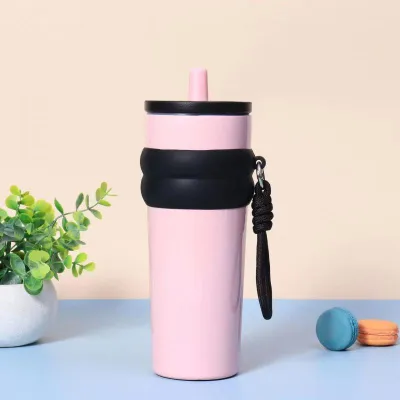
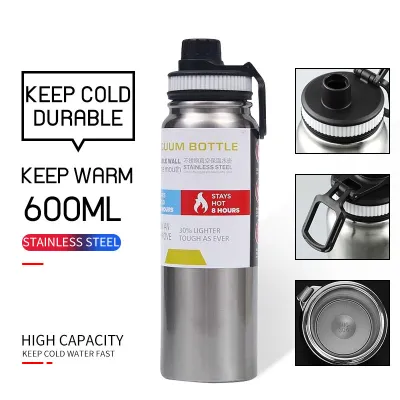
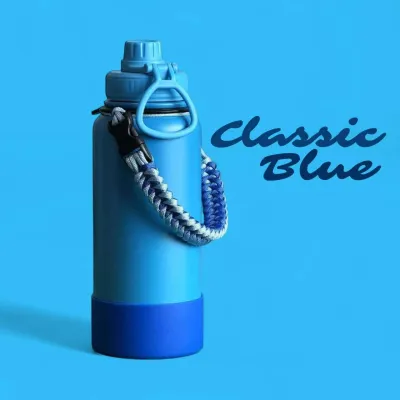
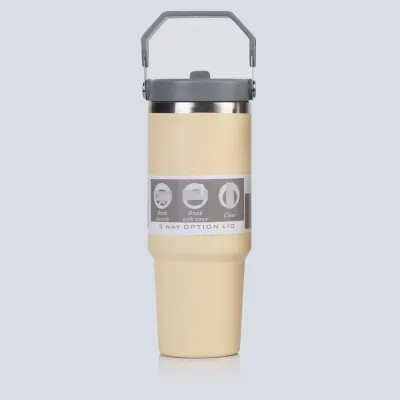
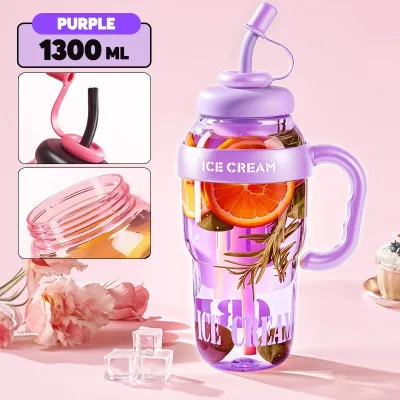
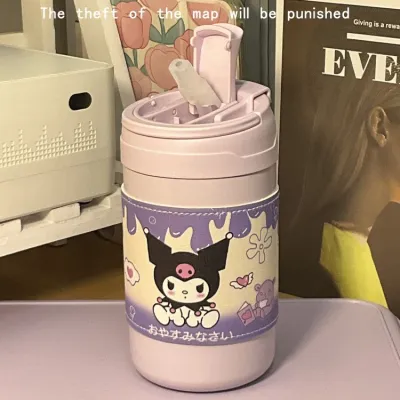
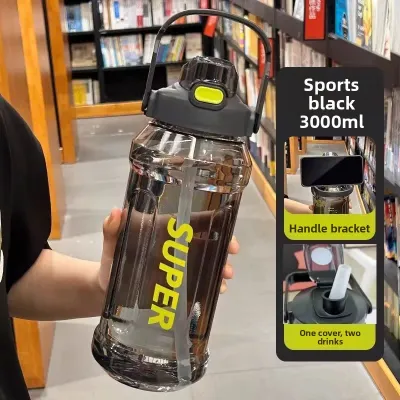
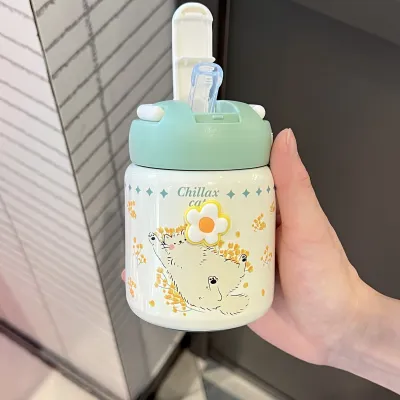
Prices are valid at publication and may change. Please refer to the product page for the latest price.
Lid design also changes how you train. Wide-mouth bottles make it simple to drop in large ice cubes or scoop in pre-workout powders, BCAAs, or recovery supplements. Straw lids or quick-sip spouts are highly convenient for stationary exercises, allowing you to drink without tilting your head back, which keeps your eyes on your surroundings or your form in the mirror.
Finally, consider condensation. Single-walled bottles sweat profusely in humid gym environments. This moisture can make the bottle slippery to hold, increase the risk of dropping it on your toes, and leave messy water rings on gym equipment or wooden studio floors. A double-walled insulated bottle prevents external condensation entirely, keeping your hands dry and your grip secure.
Essential Features for Outdoor Runs and Hikes
Transitioning from the controlled environment of a gym to outdoor trails or roads introduces unpredictable variables like terrain, weather, and physical movement. When running or hiking under the sun, every gram of gear matters. Carrying a heavy, fully loaded stainless steel tumbler can quickly tire your arms or throw off your running stride.
For active outdoor movement, the physical profile of your bottle is critical. It must fit securely into the side pockets of a hiking backpack, a hydration vest, or a running belt. A bottle that is too wide or top-heavy will bounce out during a jog or slide out when you bend over on a steep trail.
Durability is non-negotiable when you are miles away from the nearest store. Outdoor bottles are highly susceptible to drops on concrete, gravel, or sharp rocks. A cracked bottle means losing your entire water supply, which can turn a pleasant hike into a safety hazard. Look for rugged materials and protective features like silicone boots that shield the base from impact.
Portability and lid security are equally vital. Outdoor bottles require 100% leakproof lids, such as secure screw caps or locking lids, to prevent water from soaking your spare clothes or electronics. Carrying loops, integrated handles, or carabiner clips allow you to clip the bottle to your gear, keeping your hands free to navigate rough terrain or maintain proper running form.
Material and Insulation: Stainless Steel vs. Clear Plastics
The debate between stainless steel and clear plastics comes down to a trade-off between temperature control and weight. Understanding these material properties helps you choose the right tool for your specific activity.
Double-wall vacuum-insulated stainless steel is the gold standard for temperature retention. It acts as a barrier against external heat, keeping your water cold even when left in a hot car or exposed to direct sunlight on a trail. The trade-off is weight; stainless steel is inherently heavier than plastic, even when empty. It is also prone to denting upon hard impacts, which can occasionally compromise the vacuum seal.
Tritan and other BPA-free clear plastics offer a lightweight, highly durable alternative. These materials are virtually shatterproof, making them excellent for fast-paced trail runs or long treks where minimizing pack weight is your primary goal. The transparency also allows you to monitor your fluid intake at a glance. However, plastic bottles offer no insulation; your cold water will rapidly warm up to match the humid outdoor air.
Before purchasing, always verify the manufacturer’s specifications. Check for certified food-grade materials, drop-test ratings, and temperature limits. Some plastics are not rated for hot liquids, while certain stainless steel bottles are not dishwasher safe. Reviewing these details ensures your bottle matches your lifestyle and maintenance preferences.
Can One Tumbler Water Bottle Do It All?
If you participate in both gym workouts and outdoor adventures, you might wonder if a single hybrid tumbler water bottle can meet all your needs. While no single bottle is perfect for every scenario, you can find a versatile middle ground by choosing a medium-sized insulated bottle, typically around 24 ounces. This size balances temperature retention with a manageable weight that won’t overload your backpack.
To maximize versatility, look for bottles with interchangeable lid systems. Many manufacturers design their bottles with standardized neck sizes, allowing you to swap lids depending on your daily activity. You can use a convenient straw lid for your indoor stationary cycling class, then switch to a heavy-duty, leakproof loop cap before heading out for a weekend hike.
Using one bottle for multiple purposes also demands a strict cleaning routine. If you mix sports drinks, electrolytes, or protein powders in your bottle, residues can quickly build up in the crevices of the lid and gaskets. In warm, humid climates, these residues can harbor bacteria and cause persistent odors.
To maintain hygiene, rinse your bottle with clean water immediately after every workout. Use a dedicated bottle brush to scrub the interior walls and the bottom. Periodically remove the silicone gaskets inside the lid to clean out trapped moisture and debris, and allow all components to air-dry completely before reassembling them.
Frequently Asked Questions (FAQ)
Is a straw lid better for the gym or outdoor running?
Straw lids are highly convenient for gym environments because they allow you to sip water quickly without tilting your head, keeping your focus on your workout. However, they are generally less suitable for outdoor running or hiking. The exposed mouthpiece can easily collect dust, dirt, and trail debris, compromising hygiene. Additionally, straw lids are more prone to minor leaks when subjected to the constant bouncing of a run or changes in atmospheric pressure during a climb. For outdoor activities, a covered spout or a secure screw cap is a more reliable and hygienic choice.
How do I clean a tumbler after using it for protein shakes at the gym?
Protein powder residues can spoil rapidly in warm, humid conditions, leaving behind stubborn odors and bacteria. To clean your tumbler, rinse it with warm water immediately after finishing your shake. Once home, wash it thoroughly using mild dish soap and a long-handled bottle brush to reach the bottom corners. Pay close attention to the lid, straw, and silicone gaskets, as these parts easily trap protein particles. Remove the gaskets and scrub them gently. For persistent odors, washing with a mixture of baking soda and warm water can help neutralize smells before letting the bottle air-dry completely.
Community discussion
Share your experience or ask a question. Comments are reviewed before publication.