
Finding the right grip hand exercise tool requires matching the equipment to your specific physical demands rather than buying the most popular option. Hand grippers, grip balls, and finger exercisers each target different muscle groups and movement patterns. While hand grippers are built to develop raw crushing power, grip balls focus on low-impact recovery and endurance, and finger exercisers isolate individual digits for dexterity. Understanding these differences ensures you invest in a tool that supports your fitness, hobby, or rehabilitation goals.
Identify Your Primary Grip Training Goal
Grip strength is not a single attribute but a combination of distinct mechanical actions. Crushing strength is the power of your fingers closing against resistance, essential for shaking hands or holding a barbell. Pinch strength relies on the thumb and fingers pinching an object without letting it slip. Support grip is the ability to hold onto an object, like a heavy grocery bag or a pull-up bar, for an extended duration. Finally, extension involves opening the hand, which balances the dominant closing muscles.
Different activities demand different grip profiles. A powerlifter or a motorcycle rider navigating heavy city traffic needs exceptional crushing and support grip to manage heavy loads and constant lever squeezing. A rock climber requires a mix of intense pinch strength and finger endurance to hold onto small ledges. Musicians, such as guitarists and pianists, rely heavily on individual finger dexterity and independent joint mobility. If you are recovering from a repetitive strain injury caused by long hours of typing, your primary need is likely low-impact joint mobility and active recovery rather than high-resistance training.
Products mentioned in this guide
![[Lixada Official ] Hand Gripper Adjustable Resistance Hand Grip Strength Trainer Fingers Wrist Forearm Exerciser Workout Gear Home Gym Exercise Equipment(local stock)](https://img.lazcdn.com/g/p/447402d55b73a559e932c8cbd0381f59.jpg_400x400q80.jpg_.webp)
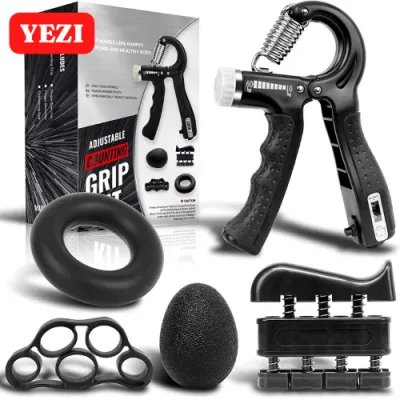
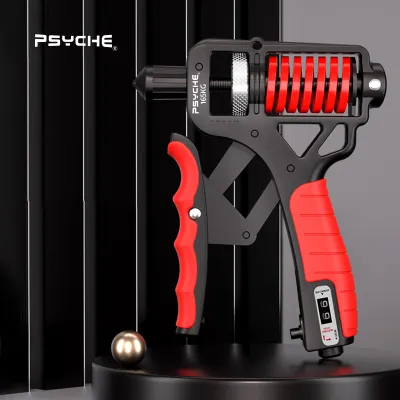
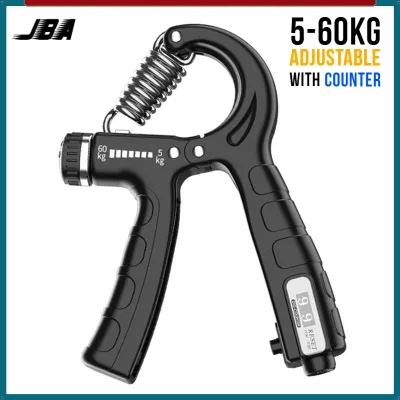
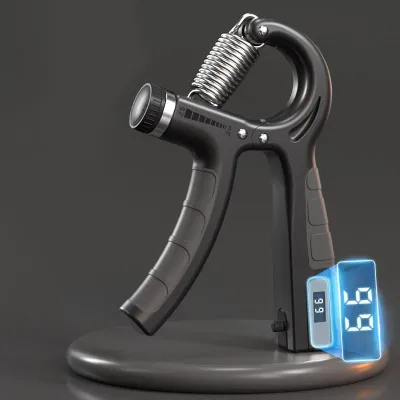
Prices are valid at publication and may change. Please refer to the product page for the latest price.
Hand Grippers for Maximum Crushing Strength
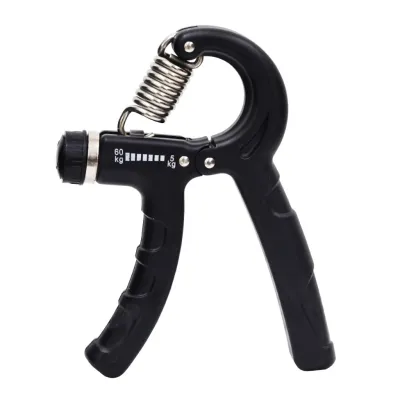
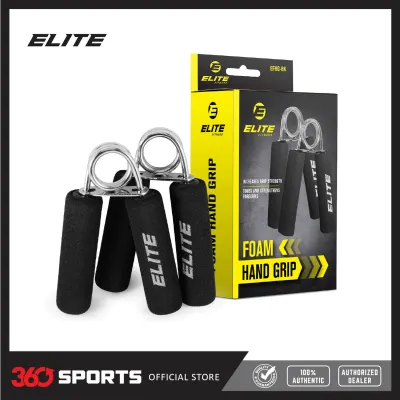
Hand grippers are the classic choice for building raw, explosive power in the forearms. These tools typically feature two handles connected by a heavy-duty metal torsion spring. When you squeeze the handles together, you work against the mechanical tension of the spring, directly targeting the flexor digitorum profundus and superficialis muscles in your forearms. This movement simulates the heavy crushing action required to lift barbells, carry heavy loads, or perform martial arts grapples.

These tools are highly beneficial for athletes who need to transfer maximum force through their hands. Powerlifters, gymnasts, and obstacle course racers use them to ensure their grip does not fail before their larger muscle groups do. However, because hand grippers focus on high-resistance, low-repetition training, they are less suited for general stress relief or delicate rehabilitation.
When shopping for a hand gripper, several key specifications require careful verification. Look for models with adjustable resistance dials if you want to progress over time without buying multiple tools. In warm, humid tropical climates, hand sweat can make smooth plastic or low-quality metal handles slippery and difficult to control. Opt for knurled aluminum handles that provide a secure, textured grip, but ensure the knurling is not so aggressive that it tears your skin. Additionally, check that the spring has a rust-resistant coating to withstand humidity and sweat over long-term use.
Grip Balls for Endurance, Mobility, and Recovery
Grip balls offer a highly accessible, low-impact approach to hand training. Made from compressible materials like silicone, gel, or high-density foam, these spherical or egg-shaped tools rely on your hand compressing the material evenly from all sides. This isotonic movement engages the hand and forearm muscles without placing excessive stress on the delicate joints of the fingers and wrist.
These tools are ideal for individuals recovering from hand injuries, managing arthritis, or looking to alleviate the stiffness caused by typing all day in an office. Because they provide gentle, consistent resistance, they can be squeezed hundreds of times a day to promote blood flow, reduce joint stiffness, and relieve stress. They are also excellent for active recovery on rest days between heavy lifting sessions.
Material selection is critical when choosing a grip ball. Silicone and thermoplastic rubber (TPR) are highly durable, water-resistant, and easy to clean with simple soap and water, making them ideal for humid environments where sweat and dust can quickly accumulate. Foam grip balls are softer and highly compressible, but they tend to absorb moisture and oils from your skin, which can lead to material degradation and hygiene issues over time. Verify that the ball’s density matches your current hand strength, as many manufacturers offer color-coded sets ranging from extra-soft to firm.
Finger Exercisers for Dexterity and Isolation
Finger exercisers are specialized tools designed to isolate individual digits or train the often-neglected extensor muscles. Traditional finger exercisers feature individual spring-loaded pistons for each finger, allowing you to press down with one finger at a time. Other variations include silicone extension bands that loop around your fingertips, requiring you to expand your hand outward against elastic resistance.
These tools are indispensable for individuals who require high levels of finger independence and coordination. Musicians, especially guitarists, violinists, and pianists, use piston-style exercisers to build strength in their weaker fingers, such as the ring and pinky digits. Climbers use them to prepare for pocket holds where only one or two fingers can grip the rock. Extension bands, on the other hand, are crucial for antagonist training; they strengthen the extensor muscles on the back of the forearm, balancing the powerful flexors and helping to prevent common overuse injuries like tennis elbow or carpal tunnel syndrome.
While excellent for coordination and balance, finger exercisers have clear limitations. They are not designed to build massive forearm bulk or maximum crushing power. Squeezing a small piston will not translate to holding a heavy barbell as effectively as a dedicated hand gripper. They should be viewed as precision tools for fine-tuning hand mechanics rather than primary strength-building equipment.
Decision Matrix: Which Tool Matches Your Routine?
Selecting the right tool comes down to matching your primary physical objective with the mechanical strengths of each device. If your goal is to lift heavier weights, improve your martial arts grip, or build visible forearm muscle, hand grippers are the clear choice. They provide the high-resistance threshold necessary to stimulate muscle hypertrophy and maximum mechanical force.
If you are focused on rehabilitation, managing joint discomfort, or maintaining hand mobility during long office hours, choose a grip ball. The soft, compressible design allows for high-repetition, low-stress movements that flush the joints with nutrient-rich blood without causing inflammation. It also doubles as a quiet, non-distracting stress reliever during long meetings.
For those who need to improve musical performance, typing speed, or forearm muscle balance, finger exercisers are the ideal fit. Use piston-based tools to eliminate weak links in your finger coordination, and use extension bands to stretch and strengthen your hand openers.
Before starting any new grip hand exercise routine, always assess your physical condition. If you are experiencing acute joint pain, persistent numbness, tingling in your fingers, or are recovering from a recent hand or wrist surgery, do not begin training with these tools without professional guidance. Consult a physical therapist or physician to ensure you do not aggravate an underlying condition.
What to Check Before Buying Grip Equipment
To ensure your grip training tool is safe, durable, and effective, perform a few quick quality checks before making a purchase. First, inspect the resistance mechanism. For adjustable hand grippers, ensure the adjustment knob turns smoothly and locks securely into place without slipping under pressure. If you are buying online, check user feedback regarding the durability of the plastic housing around the spring.
Second, verify the physical dimensions of the tool. A gripper or finger exerciser that is too large for your hand will force you into awkward joint angles, increasing the risk of strain. Many grip balls and finger exercisers come in small, medium, or large sizes, so measure your hand from the base of your palm to the tip of your middle finger to find a compatible match.
Finally, review the manufacturer’s care and maintenance instructions. In humid climates, metal springs require occasional wiping with a dry cloth to prevent rust, while silicone tools should be washed regularly to remove sweat and dirt. Avoid exposing foam or gel-filled tools to direct sunlight, as UV rays and heat can cause the materials to melt, crack, or lose their elasticity.
Frequently Asked Questions (FAQ)
Can I use all three tools in the same workout?
While it is physically possible to use all three tools, doing so in a single session increases the risk of overuse injuries like tendonitis. Your forearm muscles and hand tendons are relatively small and can easily become overworked. A safer approach is to separate your training: use hand grippers on heavy strength days, finger exercisers on dedicated skill or balance days, and grip balls for active recovery and warm-ups on rest days.
How do I know if the resistance level is right for me?
The right resistance depends on your training goal. For strength building with hand grippers, you should choose a resistance where you can complete 8 to 12 controlled, full-range repetitions before fatigue sets in. For endurance or rehabilitation with grip balls, you should be able to perform 30 or more comfortable squeezes without experiencing sharp joint pain. If you cannot close a gripper completely or if your hand shakes violently, the resistance is too high and could lead to injury.
Community discussion
Share your experience or ask a question. Comments are reviewed before publication.