
Choosing between a manual hand pump and an electric ball pump depends on how often you play, your need for portability, and your budget. For casual players who only need to top up a single basketball or volleyball every few weeks, a manual hand pump offers unmatched mechanical reliability, high portability, and a low price point. Conversely, for coaches, sports facility managers, or active players who handle multiple balls weekly, an electric ball pump provides time-saving convenience, effortless inflation, and precise pressure control that protects your sports equipment from over-inflation.
Deciding on the right tool requires looking beyond the simple act of pumping air. You must consider where you play, how much gear you carry, and how environmental factors like high tropical humidity affect your equipment over time. By evaluating the core trade-offs of each pump type, you can select a tool that keeps your games running smoothly without unnecessary physical strain or unexpected equipment failure.
Core Trade-Offs: Effort, Portability, and Precision
The most immediate difference between manual and electric inflators lies in the physical effort required to reach the correct pressure. Manual pumps rely entirely on your arm strength and stamina, which can become tiring when inflating larger sports balls or preparing multiple balls before a match. While a single basketball might only take a minute of vigorous pumping, preparing five or ten balls for a community league game can quickly turn into an exhausting pre-game workout. Electric pumps eliminate this physical strain entirely, using a small motorized compressor to deliver consistent airflow at the push of a button.
Products mentioned in this guide
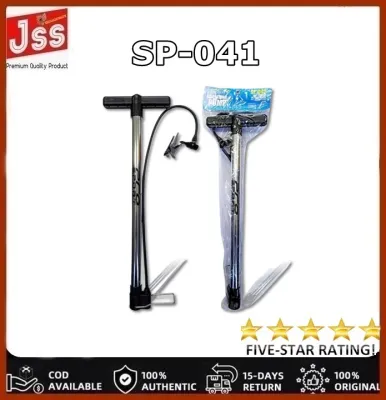
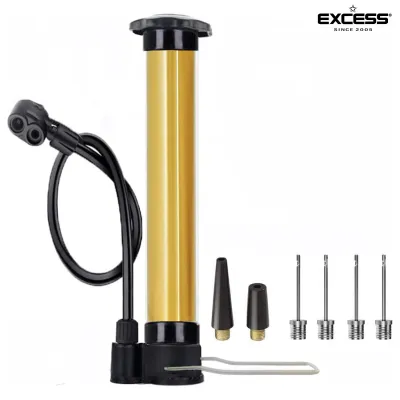
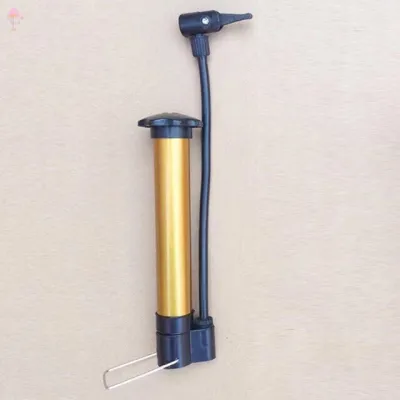
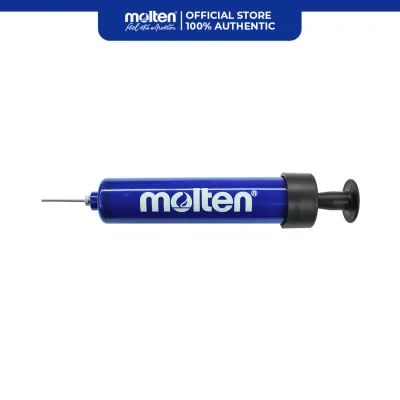
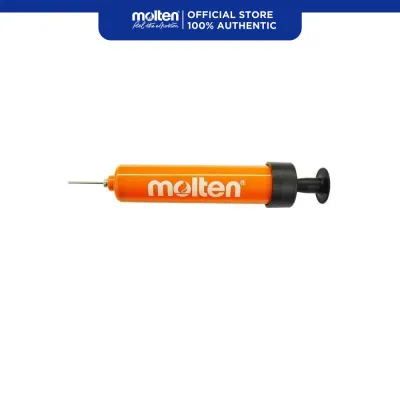
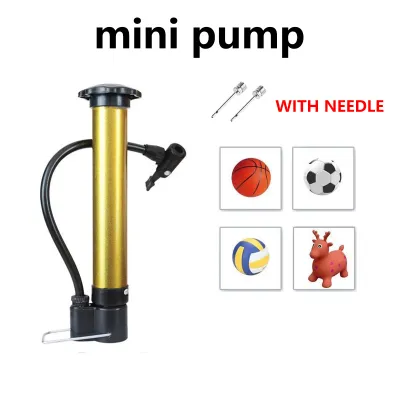
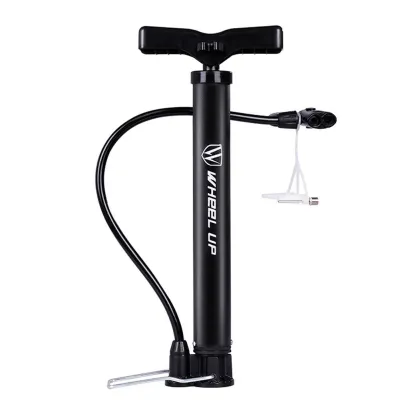
Prices are valid at publication and may change. Please refer to the product page for the latest price.
Portability and weight are equally critical factors, especially when packing a sports bag for an outdoor court or a beach volleyball session. Manual pumps are incredibly lightweight, often weighing less than 150 grams, and their slim, cylindrical profiles fit easily into the side pockets of any backpack. They require no protective cases or specialized storage. Electric pumps, while still relatively compact, are inherently heavier due to their internal motors and lithium-ion batteries. They also require more careful handling to prevent damage to the digital screens and electronic buttons during transit.
Power dependency introduces a significant contrast in reliability, particularly in outdoor environments. A manual pump is always ready to use, requiring no batteries, charging cables, or electrical outlets. It functions perfectly in remote areas, under direct sunlight, or even after months of sitting forgotten in a storage bin. Electric pumps, on the other hand, are bound by their battery capacity. If you arrive at an outdoor court only to find your electric pump’s battery is dead, you have no way to inflate your ball unless you have access to a power bank or a vehicle charger. Furthermore, prolonged exposure to high humidity and tropical heat can accelerate battery self-discharge and degrade electronic circuits over time.
Precision is where electric pumps hold a clear advantage over traditional manual models. Most electric ball pumps feature digital pressure gauges with real-time readouts and automatic shutoff functions that stop inflation once the target pressure is reached. This prevents the common mistake of over-inflating a ball, which can stretch the seams, distort the shape, and ruin the bounce. Manual pumps rarely feature built-in gauges, and those that do often use small, analog dials that can be difficult to read accurately. Consequently, manual pump users must rely on tactile feel or a separate pressure gauge to verify if a ball meets manufacturer specifications.
When a Manual Hand Pump Makes Sense
A manual hand pump remains the most practical choice for occasional users, casual players, and families who only need to maintain one or two balls at home. If your sports gear only comes out of the closet for weekend games or family gatherings, investing in an electric pump is rarely necessary. A simple manual pump is highly cost-effective, often costing between ₱150 and ₱300, making it an affordable accessory that performs its primary job reliably whenever called upon.

For players who travel light and carry their gear directly to local courts, parks, or beaches, the extreme portability of a manual pump is a major asset. You can toss a manual pump into a drawstring bag or even slide it into a deep pocket without worrying about weight or bulk. Because manual pumps do not contain sensitive electronics, they are highly resilient against drops, sand, and light moisture, making them ideal for rugged outdoor use where an electric device might easily fail.
Manual pumps are also the logical choice for environments where charging access is non-existent or highly unreliable. If you frequently play on rural fields, public parks, or coastal courts where electricity is scarce, a mechanical tool ensures you are never stranded with a flat ball. The lack of electronic components means there are no batteries to charge, no cables to lose, and no firmware to worry about.
Finally, manual pumps offer exceptional long-term durability with virtually zero maintenance. High-quality manual pumps constructed with aluminum shafts and durable rubber hoses can last for decades. Unlike electric models, which face inevitable battery degradation over a few years, a manual pump will continue to function as long as the internal seals remain lubricated and intact. This makes it a dependable, lifetime tool for any sports enthusiast.
When an Electric Ball Pump is Worth the Upgrade
An electric ball pump is a highly worthwhile upgrade for coaches, physical education teachers, referees, and sports facility managers who regularly manage large inventories of equipment. Manually inflating a dozen soccer balls or basketballs before a training session is time-consuming and physically exhausting. An electric pump automates this process, allowing you to set the desired pressure, connect the needle, and let the device run while you focus on setting up drills or organizing team gear.
For players and organizations that require precise, repeatable pressure settings, electric pumps are indispensable. Different sports require highly specific pressure ranges—for instance, a standard basketball typically requires 7.5 to 8.5 PSI, while a soccer ball requires 8.5 to 15.6 PSI. Electric pumps allow you to program these exact values into the device. The pump automatically stops when the target pressure is reached, ensuring every ball used in a match or practice session feels identical and performs consistently.
Physical accessibility and ease of use also make electric pumps a superior choice for younger players, elderly enthusiasts, or individuals with joint pain or limited hand strength. Operating a manual pump requires a firm grip and repetitive, forceful arm movements that can be uncomfortable or difficult for some users. An electric pump lowers the barrier to entry, enabling anyone to inflate a ball safely and quickly with minimal physical exertion.
While the initial cost of an electric pump is higher—typically ranging from ₱1,000 to ₱2,500—the investment is justified by the sheer convenience and time saved. To maximize the lifespan of an electric pump, users must establish a regular charging routine and store the device in a cool, dry place to protect the lithium-ion battery from tropical humidity. Understanding these maintenance requirements ensures your electric pump remains a reliable asset for years to come.
Essential Specs and Valve Compatibility Checks
Before purchasing any pump, it is essential to verify its technical specifications and compatibility with your sports equipment. The most critical component is the inflation needle and nozzle system. Most sports balls—including basketballs, soccer balls, volleyballs, and footballs—use a standard hollow metal needle. Ensure the pump you choose includes several spare needles, as they are prone to bending or breaking if inserted at an angle. Some pumps also come with plastic cone nozzles, which are useful for inflating toy balls, swim rings, or balloons.
Pressure gauge ranges and units are another vital consideration. Ensure the pump’s gauge supports the specific units you prefer, typically PSI (pounds per square inch) or bar. The gauge should have a clear, easy-to-read display that covers the low-pressure ranges required for sports balls. A gauge designed primarily for high-pressure bicycle tires (which can exceed 100 PSI) may lack the resolution and sensitivity needed to accurately measure the lower pressures of sports balls, which usually sit below 15 PSI.
If you decide on an electric model, pay close attention to the battery capacity, charging port type, and safety features. Look for models with clear battery life indicators so you are never caught off guard by a dead battery. A modern USB-C charging port is highly desirable, as it allows you to recharge the pump using the same cables and power banks you use for your smartphone. Additionally, verify that the electric pump has an auto-shutoff feature to prevent over-inflation and potential damage to your balls.
For manual models, look for design features that improve efficiency and comfort. Dual-action pumps are highly recommended because they compress air on both the push and pull strokes, cutting your inflation time in half compared to single-action pumps. A flexible rubber hose connecting the pump body to the needle is also a crucial feature; it absorbs the movement of your hands during pumping, preventing the needle from bending or damaging the ball’s valve. Finally, look for ergonomic handle designs that provide a secure, comfortable grip during use.
Final Decision Framework: Matching the Pump to Your Routine
To make your final decision, evaluate how your typical sports routine aligns with the strengths and limitations of each pump type.
Choose a manual hand pump if:
- You have a limited budget and want a highly cost-effective solution under ₱300.
- You only need to inflate one or two balls occasionally at home or at a local court.
- You prioritize extreme portability, lightweight gear, and mechanical reliability without worrying about battery life.
- You play in rugged, outdoor, or humid environments where electronic devices are at risk of damage.
Choose an electric ball pump if:
- You regularly manage, coach, or play with multiple sports balls and want to save time and physical effort.
- You require precise, consistent pressure levels to meet official league standards or manufacturer specifications.
- You prefer the convenience of automated inflation with digital displays and auto-shutoff features.
- You have a budget of ₱1,000 or more and are willing to maintain a battery-powered device.
Verify first if:
- The pump package includes the correct needle types and a flexible hose to protect your ball valves.
- The pressure gauge covers the specific PSI ranges required for your sports equipment.
- You have a safe, dry storage space to protect your chosen pump from tropical humidity and moisture.
Frequently Asked Questions (FAQ)
How do I prevent damaging the ball valve when inflating?
To prevent damaging the ball valve, always moisten the inflation needle before inserting it into the valve. You can use water, saliva, or a drop of silicone-based lubricant. This lubrication allows the needle to slide smoothly past the rubber valve seals without tearing or pushing them out of alignment. Additionally, always insert the needle straight into the valve at a 90-degree angle, and avoid bending or twisting the pump while inflating to prevent lateral strain on the valve mechanism.
Can I use a standard bike pump to inflate sports balls?
Yes, you can use a standard bike pump to inflate sports balls, but you must use a metal ball needle adapter. Most bike pumps are designed for Schrader or Presta valves found on bicycle tires and cannot connect directly to a sports ball valve. Keep in mind that bike pumps are designed to deliver high pressure with lower air volume, which means they can inflate a sports ball very quickly but may make it difficult to read the low-pressure levels accurately on their high-capacity gauges.
Community discussion
Share your experience or ask a question. Comments are reviewed before publication.