
Choosing the right resistance level for a stress ball hand therapy program depends on your current recovery stage, hand strength, and specific therapeutic goals. Beginners or those recovering from surgery or severe arthritis should start with extra-soft or soft balls, while those looking to rebuild daily grip or transition into athletic conditioning will progress to medium or firm levels. Selecting the incorrect resistance can either stall your progress or cause further strain to delicate hand muscles and tendons.
Understanding Resistance Levels and Color Codes
In the context of hand rehabilitation, resistance level refers to the amount of physical force required to fully compress the therapy ball. This force is often measured in kilograms or pounds of pressure, though manufacturers typically simplify these measurements into categories ranging from extra soft to extra firm. Understanding these specifications allows you to select a ball that matches your current physiological capacity without overloading your joints.
To help users navigate these options, many major rehabilitation brands employ a color-coding system. Typically, lighter colors signify lower resistance, while darker colors represent firmer levels. For example, a common progression might feature yellow for extra soft, red for soft, green for medium, and blue or black for firm. This visual guide makes it easy to track your progression as you transition from one level to the next during your recovery journey.
Products mentioned in this guide
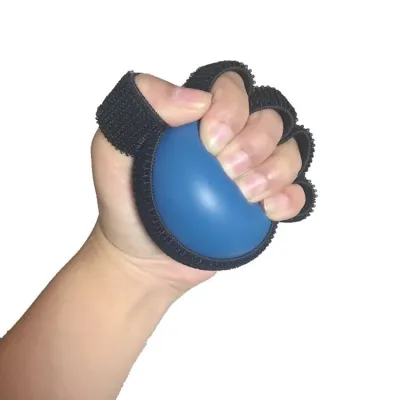
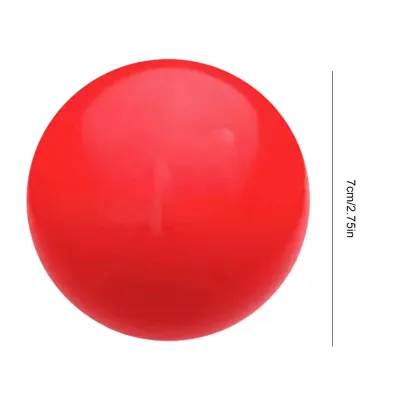
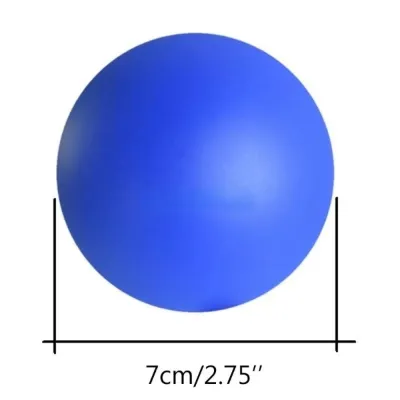
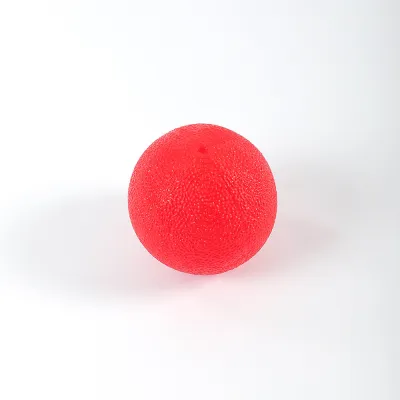
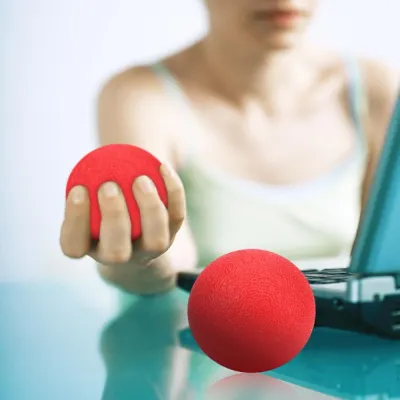
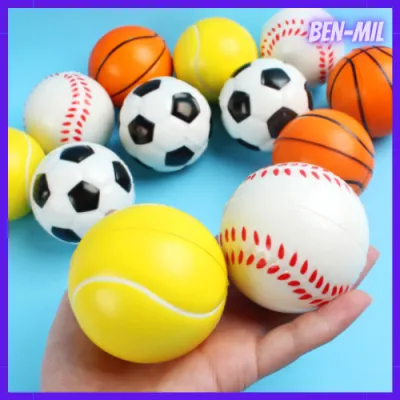
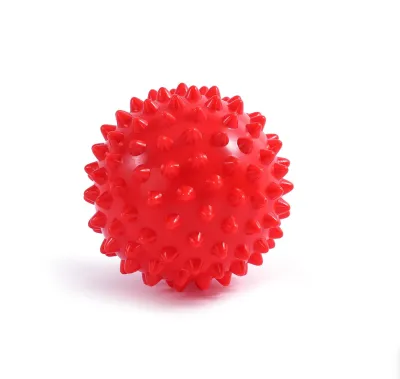
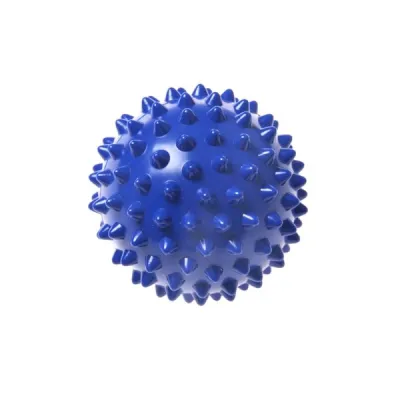
Prices are valid at publication and may change. Please refer to the product page for the latest price.
However, color codes are not universally standardized across all manufacturers. A red ball from one brand might offer the exact same resistance as a green ball from another. This variation is particularly common in the Philippines, where a wide range of imported and local fitness accessories are sold. To avoid purchasing an unsuitable product, always check the product label, packaging, or manufacturer specifications for the exact resistance rating in kilograms or pounds rather than relying solely on the color of the ball.
How to Assess Your Current Hand Strength and Goals
Before purchasing a hand therapy ball, you must define your primary physical goals. Are you recovering from a recent surgical procedure, managing the daily stiffness of arthritis, undergoing neurological rehabilitation after a stroke, or looking to improve your grip strength for sports like rock climbing or badminton? Identifying your primary objective helps narrow down the starting resistance level and dictates how you will structure your daily exercises.

To establish a safe starting point, you can perform a basic “pain-free” baseline test. Hold the therapy ball in the palm of your hand and gently compress it using a light, controlled squeeze. A suitable ball should compress smoothly under your grip and return to its original shape without causing sharp pain, joint clicking, or immediate, intense muscle fatigue. If you experience any sharp discomfort or if your fingers begin to tremble immediately, the resistance is too high, and you should opt for a softer level.
Safety must always be your primary consideration when introducing new physical exercises. Individuals with specific medical conditions, recent hand fractures, tendon repairs, or post-operative status must consult a physical therapist or doctor for a personalized assessment before starting any resistance training. A therapy ball is a highly effective supportive tool, but it cannot replace professional medical judgment or a customized clinical rehabilitation plan. If your healthcare provider’s instructions conflict with general product guidelines, always defer to your medical professional.
Matching Resistance Levels to Your Rehabilitation Stage
Selecting the correct resistance level requires matching the product’s specifications to your current physical capacity. Progression should always be gradual, ensuring your hand muscles and connective tissues have adequate time to adapt.
Extra Soft to Soft Resistance
- Target Audience: This introductory range is designed for individuals in the early stages of post-surgery recovery, those managing severe arthritis flare-ups, stroke survivors undergoing neurological rehabilitation, or elderly users experiencing significant hand weakness.
- Application: Extra-soft and soft balls are ideal for promoting blood circulation, reducing morning joint stiffness, and encouraging gentle finger mobility. Because these balls require minimal force to compress, they allow you to practice basic gripping motions without placing excessive strain on healing tissues, delicate tendons, or inflamed joints. In the warm, humid climate of the Philippines, keeping these soft silicone balls clean by washing them with mild soap and water helps maintain their grip and prevents skin irritation during daily use.
Medium Resistance
- Target Audience: This intermediate level is suitable for users in the mid-stage of rehabilitation, individuals recovering from mild wrist sprains or repetitive strain injuries like carpal tunnel syndrome, and those looking for general stress relief and grip maintenance.
- Application: Medium resistance balls are engineered to build foundational muscular endurance and functional grip strength. This level helps you regain the hand power required for everyday activities, such as opening tight jars, turning heavy doorknobs, carrying groceries, or safely holding onto handrails during a daily commute. Exercises at this stage focus on steady, controlled repetitions to reinforce joint stability and hand coordination.
Firm to Extra Firm Resistance
- Target Audience: This advanced range is reserved for late-stage rehabilitation patients who have regained baseline strength, active individuals, and athletes such as rock climbers, martial artists, or golfers who require heavy grip conditioning.
- Application: Firm and extra-firm balls maximize muscle strength and peak grip force in the forearm and hand. They are designed for progressive resistance training and are not suitable for early-stage recovery or active joint inflammation. Squeezing a firm ball prematurely can lead to tendon strain, joint irritation, or a regression in your recovery progress. Always ensure your hand is fully warmed up before attempting exercises at this level.
Safe Usage Guidelines and Progression Rules
To achieve the best results from your hand therapy program, you must follow structured usage guidelines and progression rules. For improving muscle endurance and joint mobility, higher repetitions—such as 15 to 20 gentle, controlled squeezes—with a softer ball are generally recommended. Conversely, for building raw strength in the later stages of recovery, fewer repetitions—such as 8 to 12 squeezes—using a firmer ball are more effective. However, these are general parameters, and your exact sets and repetitions should always be dictated by a healthcare provider.
Knowing when to transition to a higher resistance level is key to continuous improvement. Look for clear progression signals: you should be able to complete your target repetitions and sets easily, without experiencing delayed muscle fatigue, lingering joint soreness, or a loss of proper squeezing form. If the ball offers virtually no physical challenge and your hand feels completely stable, you can safely move to the next resistance level.
Always pay close attention to your body’s feedback and watch for immediate red flags. If you experience sharp pain, sudden joint swelling, clicking sounds in the wrist or fingers, or numbness during or after your exercises, stop using the ball immediately and consult a healthcare professional. Additionally, remember to inspect your therapy ball regularly. In humid tropical environments, sweat and moisture can accumulate on fitness accessories; check the manufacturer’s care instructions to ensure proper cleaning, and replace the ball if you notice any tears, stickiness, or material degradation. While basic clinical therapy balls in the Philippines are highly affordable—typically ranging from ₱150 to ₱600 depending on the brand and material—maintaining their cleanliness is essential for long-term hygiene and usability.
Frequently Asked Questions (FAQ)
Can I use a regular novelty stress ball for hand therapy?
Regular novelty stress balls are designed for casual squeezing and emotional relief rather than structured hand therapy. They often feature unpredictable, uneven resistance, degrade quickly under repeated use, and lack ergonomic support. In contrast, clinical therapy balls are manufactured from durable, non-toxic materials like medical-grade silicone or thermoplastic rubber. These materials provide calibrated, consistent resistance levels that ensure your hand muscles are exercised safely and progressively.
Does the texture or shape of the therapy ball matter?
While the resistance level is the primary specification for building actual grip strength, the texture and shape of the ball can provide valuable secondary benefits. Ergonomic shapes, such as egg-shaped or peanut-shaped balls, conform better to the natural contour of your hand and allow for targeted finger isolation exercises. Textured surfaces can also provide sensory stimulation, which is particularly beneficial in neurological rehabilitation or for improving tactile feedback in nerve-sensitive areas.
Community discussion
Share your experience or ask a question. Comments are reviewed before publication.