
The choice between a hard tactical earmuff case and a soft pouch depends on whether you prioritize absolute crush resistance or lightweight, packable flexibility. If you frequently travel, stack heavy gear, or shoot in highly humid, dusty, or wet environments, a hard case provides the rigid barrier needed to protect sensitive electronic components. Conversely, if you need to save space in a crowded range bag, value MOLLE integration, and want to minimize weight during long days at an outdoor range, a soft pouch is the more practical choice. Selecting the wrong storage option can lead to cracked headbands, torn ear cushions, or moisture-damaged electronics, making it essential to match your case to your specific shooting environment and gear specifications.
Core Differences Between Hard Cases and Soft Pouches
Understanding the fundamental structural and material distinctions between these two storage types is the first step in making an informed decision. Hard cases are typically constructed from molded polymer, acrylonitrile butadiene styrene (ABS) plastic, or dense ethylene-vinyl acetate (EVA) shells. These materials are rigid or semi-rigid, meaning they retain their shape under external pressure and provide a physical shield against impacts. Inside, they often feature custom-cut foam or elastic straps designed to keep the earmuffs stationary, preventing internal movement during transit.
Soft pouches, on the other hand, are fabricated from flexible fabrics such as heavy-duty nylon, Cordura, or padded polyester. Instead of a rigid shell, they rely on layers of open-cell or closed-cell foam sandwiched between the fabric layers to absorb minor shocks. This construction allows the pouch to compress, bend, and adapt to the shape of its contents or the container it is placed in. While they do not offer the structural defense of a hard shell, they are highly adaptable and significantly lighter.
Products mentioned in this guide
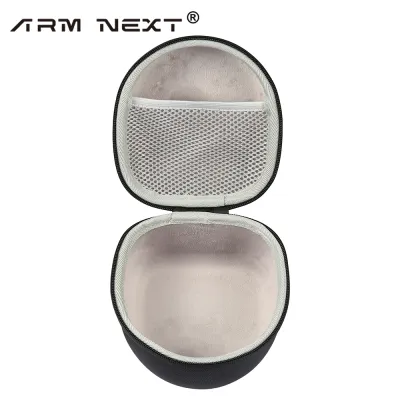

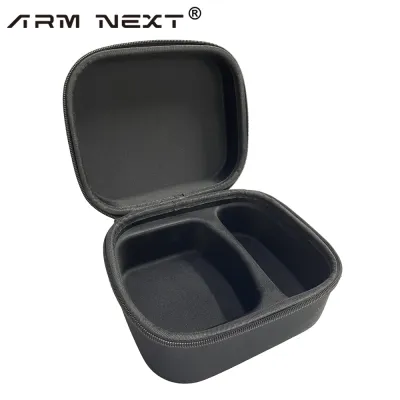
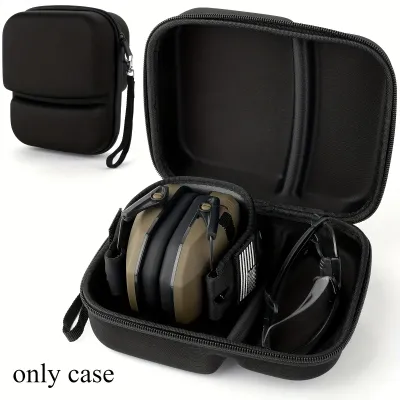
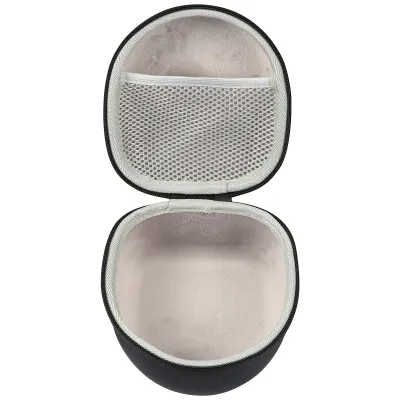
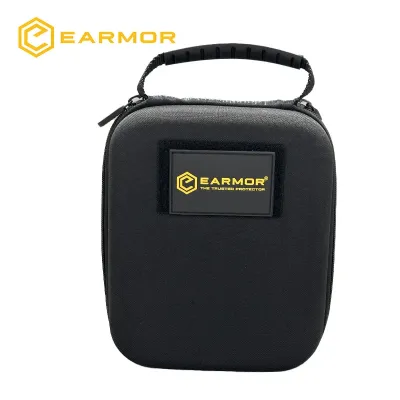
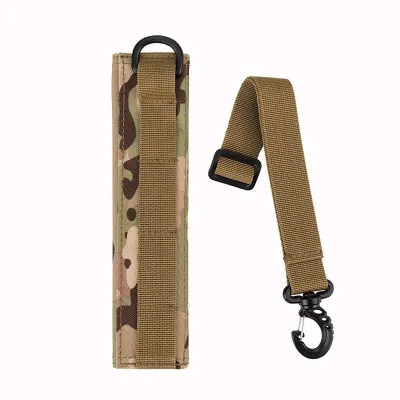
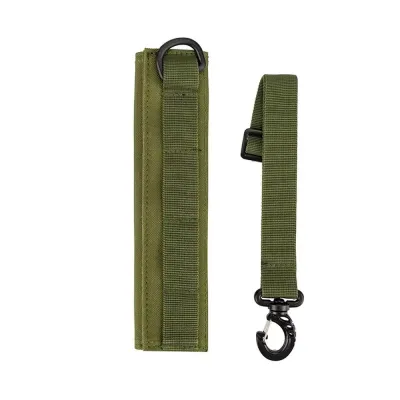
Prices are valid at publication and may change. Please refer to the product page for the latest price.
It is important to note that internal dimensions and layout configurations vary widely across different manufacturers. A case designed for one brand of slim electronic earmuffs may not accommodate bulkier passive hearing protectors. Before committing to either style, you must verify your specific earmuff model’s folded dimensions against the manufacturer’s listed internal case dimensions to ensure a secure fit without excessive compression.
Protection and Durability: What to Verify
When evaluating physical protection, crush resistance is the primary dividing line. Hard cases excel at shielding your gear from heavy, concentrated impacts, such as a heavy ammo can sliding across a truck bed or another shooter accidentally stepping on your gear bag. The rigid exterior distributes the force of the impact around the perimeter of the case rather than transferring it directly to the delicate headband or plastic ear cups of your hearing protection. Soft pouches offer virtually no crush resistance; they are designed to protect against surface scratches, dust, and minor bumps when carried inside a larger bag.

Weather and moisture resistance are critical factors, especially in tropical environments like the Philippines, where sudden downpours and high humidity can quickly ruin electronic components. While many hard cases feature rubber gaskets or O-ring seals to keep out dust and moisture, you should always verify the manufacturer’s Ingress Protection (IP) rating rather than assuming a case is fully waterproof. Soft pouches often feature water-repellent coatings (such as polyurethane backing), but water can still penetrate through the zippers and seams during heavy rain. If you anticipate wet outdoor range days, look for water-resistant zippers or integrated rain covers on soft pouches.
Sensitive components like external microphones, volume dials, and battery compartments require careful shielding. Electronic earmuffs rely on delicate solder joints and microprocessors to compress high-decibel sounds while amplifying ambient conversation. A hard case with a soft fabric lining prevents these components from rubbing against other gear. If using a soft pouch, ensure the padding is thick enough to prevent external pressure from depressing the microphone grilles or bending the volume knobs, which can lead to permanent hardware failure.
Portability, Weight, and Storage Considerations
Portability is where soft pouches hold a distinct advantage. Rigid shells have a fixed volume, meaning they occupy the same amount of space in your range bag whether they are holding your earmuffs or sitting empty. This can make packing a crowded gear bag a frustrating puzzle. Soft pouches can compress flat when empty, freeing up valuable space for ammunition, targets, or cleaning kits. They also offer a degree of flexibility when packing, allowing you to squeeze them into irregular gaps or slightly over-pack them with small accessories like spare ear pads, charging cables, or safety glasses.
Attachment options are another key consideration for active shooters and archery enthusiasts. Soft tactical pouches frequently feature Modular Lightweight Load-carrying Equipment (MOLLE) webbing, heavy-duty snap straps, or integrated belt loops. This allows you to mount the pouch directly to the exterior of a tactical backpack, range bag, or battle belt, keeping your hearing protection easily accessible without taking up internal storage space. Hard cases rarely offer this level of modularity, typically relying on a single molded carry handle, a basic wrist strap, or a simple carabiner loop that can bounce uncomfortably when attached to the outside of a pack.
For vehicle transport and home storage, the rigid structure of a hard case can be both a benefit and a drawback. In a vehicle trunk or utility box, hard cases can be stacked neatly on top of one another without risk of damaging the contents. However, they require a dedicated, unyielding footprint. If your transport space is limited, or if you prefer to carry all your gear in a single, streamlined backpack, the conforming nature of a soft pouch makes it much easier to organize your loadout efficiently.
Matching the Case to Your Shooting Scenario
To choose the right case, you must analyze your typical shooting environment and routine. For standard range days and structured competitions, gear is often laid out on concrete benches, gravel shooting bays, or wooden tables. In these environments, the risk of dropping your headset onto a hard surface or having it knocked to the ground by another competitor is high. A hard case provides the necessary drop protection to ensure your expensive electronic earmuffs survive the fall. However, if your competition style requires rapid transitions and quick gear access between stages, a soft pouch with a quick-pull zipper or an open-top flap mounted to your belt may be more practical.
If your shooting activities involve travel, commuting, or long hikes to remote outdoor ranges, weight and bulk become your primary concerns. Walking through dense tropical brush or navigating public transport with a heavy, rigid case swinging from your pack can be exhausting and cumbersome. A lightweight, low-profile soft pouch keeps your gear streamlined and reduces physical fatigue during long treks. Conversely, if your travel involves checking your gear as luggage on a flight or packing it into a shared off-road vehicle where heavy equipment might shift during transit, a hard case is indispensable for preventing structural damage.
For long-term storage in a closet, garage, or gear locker, dust and ambient moisture are the primary threats to your equipment. Electronic earmuffs stored in the open can accumulate dust inside the microphone ports, degrading sound quality over time. A sealed hard case provides an airtight barrier that keeps dust, insects, and moisture out, preserving the structural integrity of the foam ear cushions and headband. If you choose to store your gear in a soft pouch long-term, ensure the storage area is climate-controlled and free from high humidity to prevent mold growth on the fabric and foam.
How to Make Your Final Decision
To make your final decision, use a simple conditional framework based on your primary needs. Choose a hard case if your routine involves rough transport, stacking heavy gear, exposure to extreme dust or wet weather, and if you prioritize maximum physical protection over space savings. Choose a soft pouch if you need to minimize weight, require MOLLE integration for exterior mounting, have limited space in your range bag, and primarily shoot in controlled environments where heavy impacts are unlikely.
Before making any purchase, always measure your tactical earmuffs when they are fully folded. Compare these measurements directly against the internal dimensions specified by the case manufacturer. Do not rely solely on compatibility lists, as minor design updates to either the earmuffs or the case can affect the fit. A case that is too tight can put constant pressure on the headband or ear cups, while a case that is too loose will allow the earmuffs to bounce around inside, defeating the purpose of the protection.
Finally, inspect the build quality of the closure systems, as zippers, latches, and hinges are the most common failure points on any case. For soft pouches, look for heavy-duty, self-repairing nylon coil zippers and double-stitched seams. For hard cases, verify that the latches snap shut securely and that the hinges are reinforced with metal pins rather than simple plastic folds. Investing a few moments to verify these construction details will ensure your tactical earmuff case provides reliable protection for years to come.
Frequently Asked Questions (FAQ)
Can I use a soft pouch for air travel?
Soft pouches offer minimal protection against the heavy, shifting loads of checked baggage. If you are checking your shooting gear, a hard case is highly recommended to prevent your earmuffs from being crushed. However, a soft pouch is perfectly suitable for carry-on luggage, provided it is placed in a dedicated, protected compartment where it won’t be compressed by heavier items.
Do hard cases interfere with electronic earmuff batteries?
The case material itself does not affect battery performance or cause drain. However, if the internal foam or rigid shell compresses the earmuffs too tightly, it can accidentally press the power button or volume dial, turning the unit on during transport. To prevent battery drain and potential corrosion from humidity, always verify the earmuffs are powered off, and consider removing the batteries entirely during long-term storage.
Community discussion
Share your experience or ask a question. Comments are reviewed before publication.