
Choosing the right fishing lure storage box depends on balancing protection, mobility, and accessibility. Anglers in tropical climates face unique challenges, including high humidity, intense solar heat, and corrosive saltwater spray. A hard plastic tackle box offers rigid, crush-proof protection for extensive gear collections but can be heavy and bulky. A soft tackle bag provides lightweight, comfortable transport for active shore casting or kayak fishing, though it requires careful maintenance to prevent mold. A magnetic organizer delivers unmatched speed for swapping metal lures and treble hooks during fast-paced action, but it lacks the capacity for large, diverse gear setups. Understanding how these systems perform under real-world conditions ensures your lures remain organized, dry, and ready for the water.
Identifying Your Fishing Style and Storage Needs
Before selecting a fishing lure storage box, evaluate your primary fishing environments, mobility requirements, and the physical characteristics of your lure collection. If you spend most of your time shore casting along rocky coastlines, walking sandy beaches, or wading through shallow estuaries, mobility is your highest priority. Carrying heavy, rigid containers over long distances quickly leads to fatigue. Conversely, if you fish primarily from a stable platform like a motorized boat or a local banca, weight is less of a concern, allowing you to prioritize maximum storage capacity and structural protection.
The composition of your lure collection also dictates your storage needs. A collection dominated by delicate, expensive hard baits with intricate paint jobs and multiple treble hooks requires physical separation to prevent tangling and scratching. On the other hand, soft plastic lures require specialized storage, as their chemical composition can react with and melt certain types of plastic containers. Consider the physical size and weight of your heaviest jigs and sinkers; heavy terminal tackle can easily crack thin plastic dividers if allowed to slide around during transport.
Products mentioned in this guide
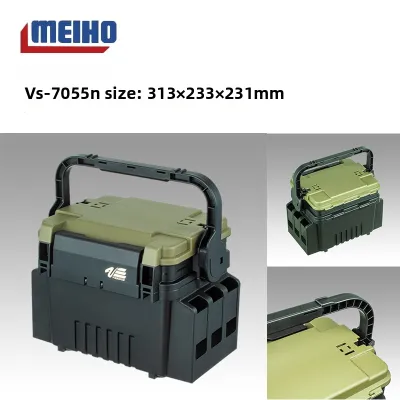
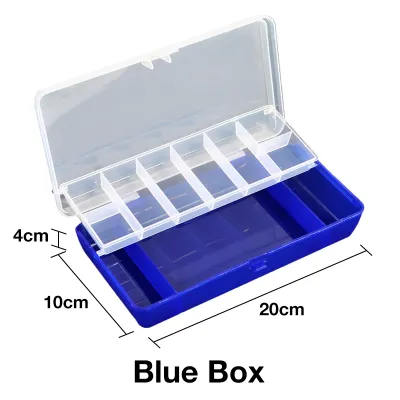
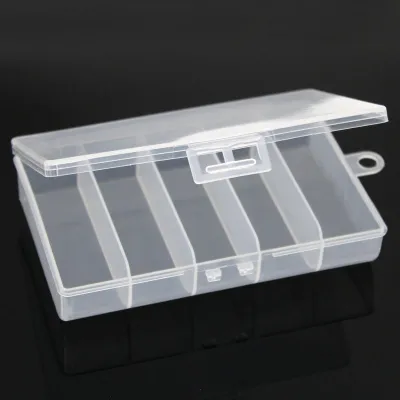
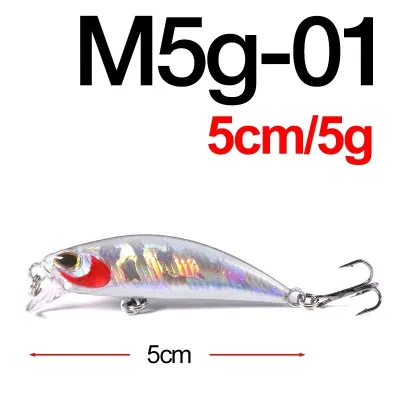
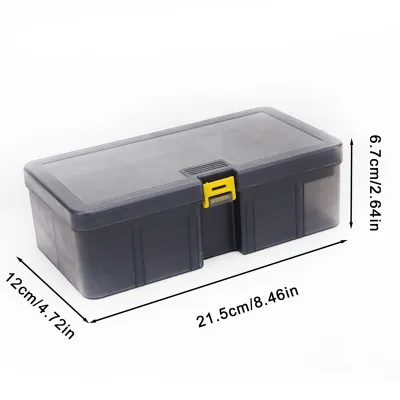
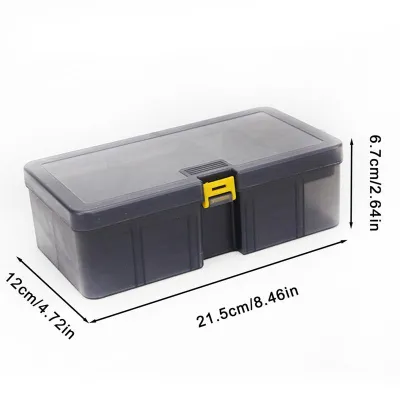
Prices are valid at publication and may change. Please refer to the product page for the latest price.
Finally, assess the environmental exposure your gear will face. In tropical regions like the Philippines, gear is routinely subjected to sudden downpours, high humidity, and intense ultraviolet (UV) radiation. Saltwater environments accelerate the corrosion of hooks, split rings, and zippers. Your storage choice must not only organize your gear but also protect it from these destructive elements, meaning you must match the storage material to the level of exposure you expect on a typical outing.
Hard Plastic Tackle Boxes: When to Choose Rigid Protection
Hard plastic tackle boxes are the traditional standard for a reason: they offer unmatched structural protection and clear organization for large collections of gear. These rigid containers are highly suitable for boat decks, pier fishing, or vehicle-based basecamps where you do not need to carry your equipment over long distances. The hard exterior acts as a shield against accidental impacts, heavy footsteps, and the crushing weight of other gear packed on top of it. Inside, rigid dividers keep individual lures isolated, preventing treble hooks from tangling into a frustrating nest.

When evaluating a hard plastic fishing lure storage box, pay close attention to the construction of the latches and hinges. These are the most common failure points under heavy use. Look for boxes featuring thick, reinforced latches that draw the lid down tightly, preferably with a secondary locking mechanism to prevent accidental spills. The hinges should feature solid pins rather than simple thin plastic folds, which tend to crack after repeated exposure to sun and salt. If you plan to use the box in wet environments, verify whether it includes a continuous rubber or silicone gasket along the lid seam to block water intrusion.
Despite their protective benefits, rigid plastic boxes have distinct limitations. They are inherently bulky and add significant dead weight to your load before you even pack a single lure. Furthermore, standard plastics can degrade quickly under intense tropical sunlight. When shopping, check the product specifications for UV-resistant additives or stabilizers. Without UV protection, clear plastic lids can become brittle, yellowed, and prone to cracking within a single season of exposure on an open boat deck.
Soft Tackle Bags: When to Prioritize Mobility
For anglers who prioritize movement, soft tackle bags offer a flexible, lightweight alternative that conforms to the body and fits easily into tight spaces. These bags are highly practical for kayak fishing, wading in shallow reefs, or hiking to remote inland rivers where a rigid box would be cumbersome to carry. Most soft bags are designed to hold multiple modular plastic utility trays inside a zippered main compartment, allowing you to customize your gear selection for each specific trip rather than hauling your entire collection every time.
When choosing a soft tackle bag, the quality of the exterior fabric and hardware is critical. Look for high-denier fabrics, such as 600D or 1000D nylon or polyester, which provide excellent resistance to tears and abrasions from rocks or branches. Because saltwater is highly corrosive, inspect the zippers closely; heavy-duty molded plastic zippers resist salt buildup and corrosion far better than metal zippers. Additionally, verify if the bag features a molded, waterproof bottom. A rigid, waterproof base keeps the fabric from absorbing standing water on wet boat decks or muddy banks, keeping your internal gear dry.
The primary trade-off with soft bags is the lack of crush protection. If a heavy object is dropped onto a soft bag, the delicate lures inside can easily be damaged. Furthermore, fabric bags require diligent maintenance in humid climates. If you pack away wet lures or allow the bag to absorb saltwater spray, the interior can quickly become a breeding ground for mold, mildew, and rust. You must commit to opening the bag, removing the internal trays, and letting the entire system air-dry completely in a shaded, well-ventilated area after every trip.
Magnetic Organizers: When to Optimize for Quick Access
Magnetic organizers represent a specialized, highly efficient storage solution designed for rapid lure changes and minimal clutter. These systems utilize strong magnetic backings or strips to hold metal lures, spoons, spinners, and flies securely in place, even when the container is open or subjected to sudden movement. This makes them incredibly useful for fast-paced fishing scenarios, such as tournament casting or surf fishing, where fish are actively feeding and every second spent fumbling with a latch or untangling a hook could mean a missed opportunity.
To ensure a magnetic organizer performs reliably, you must verify several key specifications. First, check the magnet strength; the magnets must be powerful enough to hold heavy metal lures in place during rough boat rides or accidental drops, yet allow you to pull an individual lure free without excessive effort. Second, because magnets and metal backings are highly susceptible to rust, verify that the magnetic surface is fully sealed, coated, or made from corrosion-resistant materials. Finally, inspect the closure mechanism to ensure the lid stays firmly shut during transit, preventing your lures from shifting or detaching.
However, magnetic organizers are not a universal storage solution. They are physically incompatible with soft plastic lures, rubber jigs, and non-magnetic terminal tackle like brass or lead weights. Their overall storage capacity is also significantly lower than that of hard boxes or soft bags, making them unsuitable as a primary, all-in-one gear container. Instead, view them as a highly specialized secondary tool designed to keep your most active, metal-based lures organized and instantly accessible right at your fingertips.
Comparing the Three Storage Systems
To help you decide which system fits your specific angling style, the table below compares the three storage types across key performance and maintenance dimensions.
| Storage Type | Best Use Case | Weight/Bulk Profile | Protection Level | Key Maintenance Checks | Verify Before Buying |
|---|---|---|---|---|---|
| Hard Plastic Box | Boat decks, basecamps, large collections | Heavy, rigid, bulky | High (crush-proof, impact-resistant) | Clean salt from hinges, check gasket seal | UV-resistance rating, latch thickness |
| Soft Tackle Bag | Kayak fishing, wading, mobile shore casting | Lightweight, flexible, easy to carry | Moderate (flexible fabric, no crush protection) | Air-dry completely, wash salt from zippers | Fabric denier, zipper material (plastic vs metal) |
| Magnetic Organizer | Fast-paced casting, metal spoons, spinners | Compact, slim, low profile | Moderate (prevents hook tangling and movement) | Wipe down moisture, check for surface rust | Magnet strength, corrosion-resistant coating |
Each system presents clear trade-offs. A hard plastic box provides maximum physical protection but sacrifices portability. A soft bag maximizes carrying comfort and modularity but demands more post-trip maintenance to prevent mold. A magnetic organizer offers unparalleled speed for specific lure types but lacks the capacity and versatility for a diverse tackle collection.
Finalizing Your Fishing Lure Storage Box Setup
Many experienced anglers find that the most effective solution is not choosing just one storage type, but rather combining them into a cohesive system. For example, you can use a large, high-capacity hard plastic fishing lure storage box as your basecamp or home storage unit to keep your entire collection organized and protected. When it is time to head out onto the water, you can transfer a curated selection of lures into modular utility trays housed within a mobile soft tackle bag, or place your go-to metal spoons into a compact magnetic organizer for quick access on deck.
When budgeting for your storage setup, prioritize build quality and material durability over sheer compartment count. It is far more cost-effective to spend ₱1,500 to ₱3,000 on a single, high-quality bag or box with heavy-duty zippers, rust-resistant latches, and UV protection than to repeatedly replace cheap, brittle containers that crack or rust after a few exposures to saltwater. Investing in durable hardware protects not only the storage container itself but also the valuable lures and hooks stored inside.
Before making your final purchase, perform a few physical verifications. Measure your longest or bulkiest lures—such as large swimbaits or deep-diving crankbaits—to ensure they will fit within the compartment dimensions of the box or tray you are considering. Additionally, check the external dimensions of the storage unit against your existing gear, such as the storage hatches on your kayak, the lockers on your boat, or the pockets of your favorite fishing backpack, to guarantee a seamless fit.
Frequently Asked Questions (FAQ)
How do I prevent rust on hooks stored in plastic boxes?
To prevent rust inside a sealed plastic fishing lure storage box, you must control the moisture levels inside the container. Always dry your lures completely with a clean towel before placing them back into the compartments; sealing a wet lure inside an airtight box creates a humid microclimate that rapidly corrodes metal hooks. Additionally, place silica gel packets or specialized rust-inhibiting chips inside the compartments to absorb any residual moisture. Periodically open your tackle boxes in a dry, air-conditioned room to let any trapped humidity escape.
Are soft tackle bags completely waterproof?
Most standard soft tackle bags are water-resistant rather than completely waterproof. While they can easily shed light rain or minor splashes, water can still penetrate through the seams, stitching, and zipper tracks during heavy downpours or if the bag is submerged. Always check the manufacturer’s specifications for specific IP (Ingress Protection) ratings or seam-sealing details. If your bag is only water-resistant, protect sensitive items like electronics, licenses, or spare terminal tackle by storing them in internal waterproof pouches or heavy-duty zip-lock bags inside the main compartment.

Community discussion
Share your experience or ask a question. Comments are reviewed before publication.