
Choosing between a hard-shell and an inflatable kayak boat comes down to balancing your physical living space, transportation limits, and paddling goals. If you have a spacious garage, a vehicle with a sturdy roof rack, and a desire for instant water access with high-performance tracking, a traditional rigid kayak is often the ideal choice. Conversely, if you live in a high-rise condominium, drive a compact hatchback, or rely on public transport, a portable inflatable kayak allows you to enjoy the water without the logistical headaches of storing and moving a massive piece of molded plastic.
In tropical environments like the Philippines, where coastal coves, calm lakes, and winding rivers beckon outdoor enthusiasts, both kayak types offer distinct pathways to adventure. However, making the wrong choice can lead to a heavy vessel gathering dust in a hallway or an underinflated boat struggling against coastal winds. By systematically evaluating your storage reality, long-term budget, local water conditions, and maintenance commitment, you can select the exact construction type that aligns with your lifestyle.
Assess Your Storage and Transport Reality
Your living arrangements dictate your kayak boat options more than almost any other factor. A standard hard-shell kayak typically measures between 9 to 14 feet in length, requiring a dedicated garage, a large shed, or secure outdoor wall racks shielded from the elements. For apartment dwellers or those living in urban condominiums, maneuvering a rigid hull through tight stairwells, elevators, and narrow hallways is practically impossible. In contrast, an inflatable kayak deflates and packs down into a carrying bag roughly the size of a large suitcase, fitting easily into a bedroom closet, under a bed, or on a balcony shelf.
Products mentioned in this guide
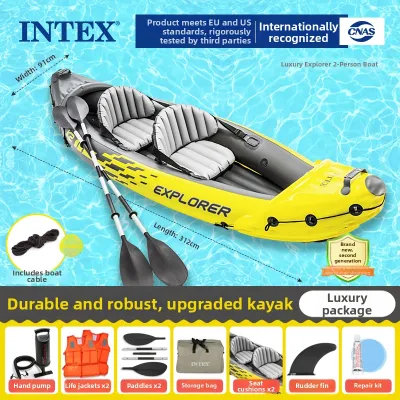
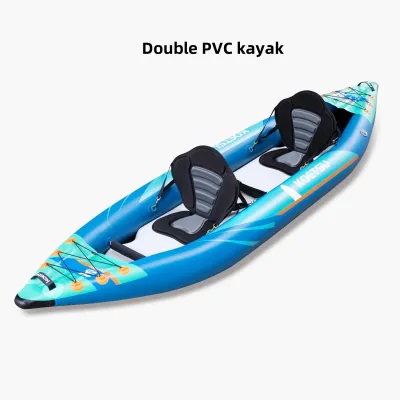
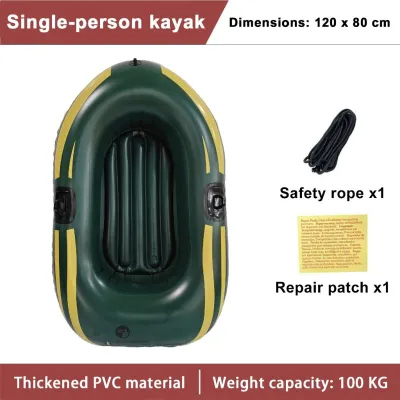
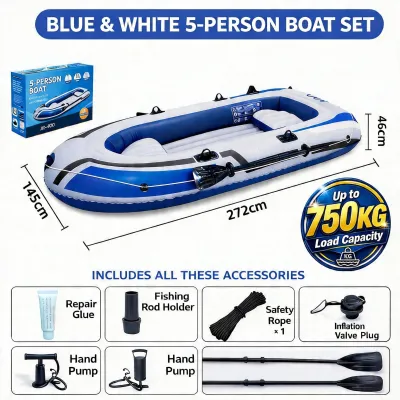
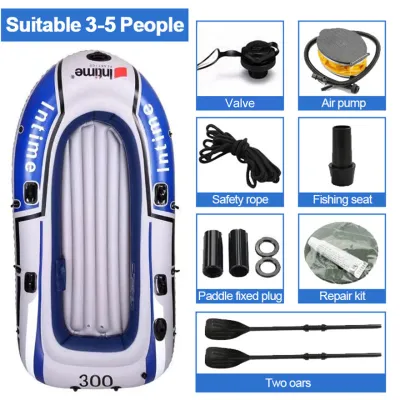
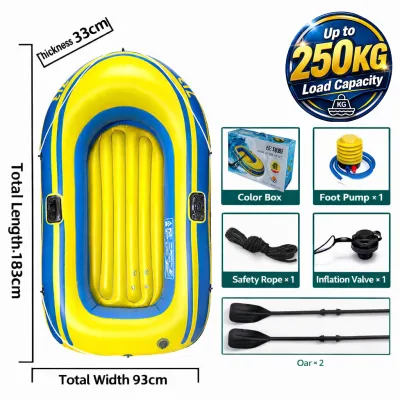
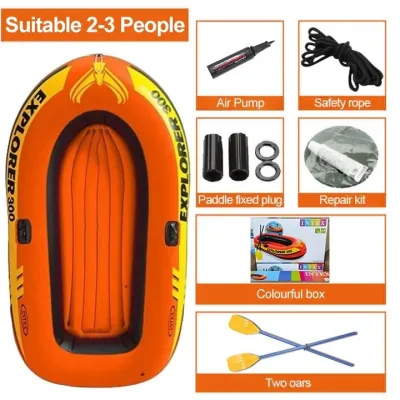
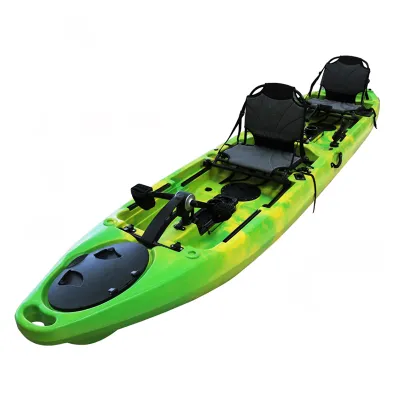
Prices are valid at publication and may change. Please refer to the product page for the latest price.
Transporting your kayak boat to the water presents another set of logistical challenges. A rigid hard-shell kayak requires a dedicated vehicle roof rack system, heavy-duty tie-down straps, and often a second pair of hands to lift the heavy hull onto the roof without scratching the vehicle’s paint. This setup demands physical strength and adds height to your vehicle, which can limit access to low-clearance parking structures.
Inflatable models eliminate the need for expensive roof modifications. You can simply toss the deflated kayak bag into the trunk of a compact sedan, the back of a hatchback, or even transport it via local public utility vehicles like tricycles or jeepneys. This portability makes inflatables highly accessible for solo paddlers who cannot lift a 50-pound rigid boat alone, or for those who prefer to keep their vehicle’s exterior free of bulky racks.
Evaluate Your Budget and Long-Term Costs
When calculating the financial commitment of purchasing a kayak boat, look beyond the initial price tag to understand the total cost of ownership. Entry-level inflatable kayaks are often highly appealing due to their lower upfront cost, with basic models available on online marketplaces for a fraction of the price of a rigid counterpart. However, high-performance inflatables utilizing advanced drop-stitch technology—which allows them to be inflated to higher pressures for rigid-like performance—can approach or exceed the cost of mid-range hard-shell models.

Rigid plastic or composite kayaks generally require a higher initial investment, but they carry fewer hidden accessory costs. With a hard-shell boat, your primary secondary expense is a quality roof rack system and tie-down straps. With an inflatable kayak, you must invest in a reliable high-pressure pump (either manual dual-action or electric), a pressure gauge to prevent over-inflation, and specialized repair kits.
Long-term maintenance costs also differ significantly between the two designs. Inflatable boats require periodic applications of UV-protectant sprays to shield the PVC or polyurethane fabric from intense tropical sunlight, which can degrade the material over time. Rigid polyethylene kayaks are highly durable but can suffer from warping if stored incorrectly under tension or in extreme heat, which may require professional heat treatment to restore the hull’s original shape.
Match the Kayak Type to Your Water Conditions
The safety and performance of your kayak boat depend heavily on matching its construction to your paddling environment. Always review the manufacturer’s specifications for maximum weight capacity, hull design, and recommended water class ratings before launching. Hard-shell kayaks feature streamlined, rigid hulls that cut through the water efficiently, offering superior tracking (the ability to paddle in a straight line) and higher cruising speeds. This makes them highly suitable for open coastal waters, windy bays, and long-distance touring where currents and wind resistance are major factors.
Inflatable kayaks tend to sit higher on the water and have wider, thicker side chambers, which increases their wind resistance. In strong crosswinds, an inflatable can act like a sail, requiring significantly more paddling effort to stay on course. However, their wide profiles provide exceptional primary stability, making them incredibly stable and difficult to tip over in calm, sheltered lakes, slow-moving rivers, or quiet mangrove channels.
If you plan to paddle near shallow rocky rivers, coral reefs, or areas with sharp marine debris, hull material is a critical safety consideration. While modern multi-layer PVC inflatables are remarkably tough, scraping against sharp volcanic rocks or jagged coral can cause punctures. Rigid polyethylene hard-shells excel in these rugged environments, easily sliding over obstacles and tolerating abrasive contact that would require immediate patching on an inflatable hull.
Durability and Maintenance Expectations
Keeping your kayak boat in safe, seaworthy condition requires adhering to specific maintenance routines tailored to its material. For inflatable models, moisture management is the single most important task. After every outing, especially in saltwater environments, you must thoroughly rinse the boat with fresh water, wipe away sand and debris, and allow it to dry completely before folding it into its storage bag. Storing a damp inflatable in a humid, tropical climate creates a breeding ground for mold, mildew, and rot, which can weaken the seams and degrade the fabric coatings.
Rigid kayaks require less post-paddle drying but still demand proper storage care. They should be stored hull-side up or on their sides on padded racks, away from direct sunlight. Prolonged exposure to intense UV rays can make plastic hulls brittle over time, increasing the risk of impact cracks.
Puncture risks and repair processes differ fundamentally. A minor puncture in an inflatable kayak can often be repaired using a patch kit and specialized marine adhesive, a process that requires clean conditions and adequate curing time. Rigid hulls rarely puncture, but severe impacts can cause deep gouges or structural cracks. If you observe deep structural damage, a warped hull, or compromised seams on either type of boat, stop using the vessel immediately and consult the manufacturer or a qualified marine technician to assess whether it is safe to return to the water.
Final Decision Matrix: Choosing Your Kayak Boat
To finalize your decision, map your personal constraints against the unique advantages of each kayak boat type. Choose an inflatable kayak if you live in an apartment, drive a small car without a roof rack, prioritize easy storage, and plan to paddle primarily on calm, sheltered waters like lakes, quiet rivers, or protected coves. This choice maximizes convenience and portability, ensuring that transport logistics do not become a barrier to your paddling adventures.
Opt for a hard-shell kayak if you have ample storage space, own a vehicle capable of carrying a roof rack, prioritize paddling speed and tracking performance, and plan to explore open coastal waters or rocky riverbeds. The instant launch capability of a rigid boat—requiring no inflation or assembly time at the water’s edge—is ideal for spontaneous paddlers who want to get on the water immediately.
If you find yourself torn between the two, consider hybrid options such as folding skin-on-frame kayaks or modular rigid kayaks that snap together in sections. These alternatives attempt to bridge the gap by offering the performance of a rigid hull with the transport convenience of a portable boat. Regardless of your choice, always verify the manufacturer’s warranty terms, return policies, and the availability of local service centers or replacement parts before making your final purchase.
Frequently Asked Questions (FAQ)
Can an inflatable kayak boat handle ocean waves?
Inflatable kayaks can handle mild ocean swells and coastal waters, but you must always check the manufacturer’s specific water class rating and wind limits before heading out. Because inflatables are lightweight and sit high on the water, they are highly susceptible to wind drift and can be difficult to control in strong offshore winds or choppy wave action. For coastal paddling, look for specialized high-pressure drop-stitch models with deep tracking fins (skegs) and self-bailing valves that drain water from the cockpit.
How long does it take to set up an inflatable kayak?
Setting up an inflatable kayak typically takes between 10 to 20 minutes, depending on the pump type, chamber volume, and required PSI. Using a dual-action manual hand pump or a portable electric pump designed for inflatables will speed up the process significantly. Remember to factor in extra time for installing the seats, attaching the tracking fins, securing your gear, and performing a quick safety check of all air valves before launching.
Community discussion
Share your experience or ask a question. Comments are reviewed before publication.