
Choosing the right mountain bike can feel overwhelming given the sheer volume of designs, suspension setups, and specialized categories available today. Making the wrong choice can lead to an uncomfortable ride, unnecessary maintenance costs, or a bike that simply cannot handle your local trails. To find the perfect match, you must balance your riding style, budget, and the specific terrain you plan to conquer.
At its core, the decision comes down to how much suspension you need and the geometry that best supports your riding goals. Hardtail mountain bikes offer simplicity and efficient climbing with suspension only in the front, while full-suspension models provide maximum control and comfort on rough, technical terrain. Meanwhile, Cross-Country (XC) bikes prioritize speed and endurance, representing a specific discipline rather than just a frame type. Understanding how these categories overlap and differ is the first step toward making a confident purchase.
Decoding the Terms: Frame Design vs. Riding Discipline
To make an informed decision, it is essential to clarify the terminology used by manufacturers and riders. The terms “hardtail” and “full-suspension” describe the physical construction of the bike’s frame and its suspension system. A hardtail features a suspension fork at the front to absorb impacts on the front wheel, while the rear triangle of the frame remains completely rigid. A full-suspension bike incorporates both a front suspension fork and a rear shock, utilizing a system of pivot linkages that allow the rear wheel to move independently and absorb bumps.
Products mentioned in this guide

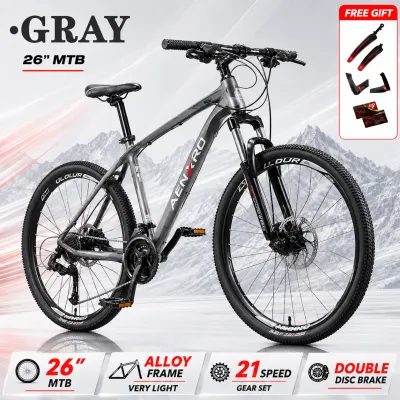
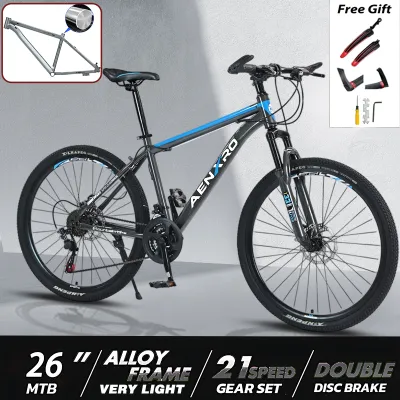
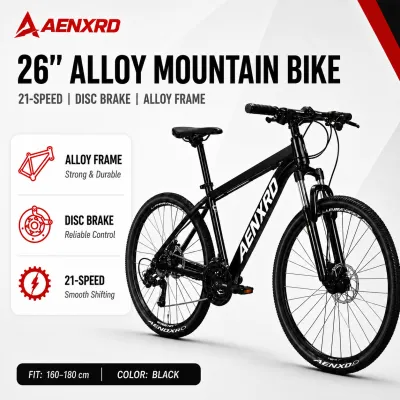

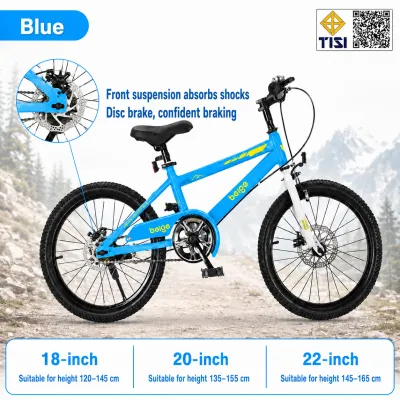


Prices are valid at publication and may change. Please refer to the product page for the latest price.
In contrast, “XC” or Cross-Country refers to a specific riding discipline and geometry style rather than a unique suspension category. XC riding focuses on pedaling efficiency, long-distance endurance, and fast climbing over moderate terrain. Because XC is a discipline, an XC bike can be built as either a lightweight hardtail or a short-travel full-suspension bike. Both configurations are optimized for speed, featuring steeper frame angles and lighter components compared to aggressive trail or enduro bikes.
Comparing a hardtail directly to an XC bike is a common misunderstanding because it compares a frame type to a riding style. When shopping, you should first decide whether your local trails and physical comfort require rear suspension. Once you determine your suspension needs, you can then choose the geometry—such as an efficient, speed-focused XC setup or a more stable, descent-focused trail setup—that matches your riding style.
Self-Diagnosis: Identify Your Trail Needs and Riding Style
Before browsing online catalogs or visiting a local bike shop, you must conduct a realistic self-diagnosis of your riding habits. Your typical riding environment, skill level, and physical comfort preferences will dictate which bike design serves you best. Buying a bike built for extreme downhill trails is counterproductive if you spend most of your time on paved paths, just as a stiff racing bike can cause unnecessary fatigue on rocky descents.

Evaluating Your Local Trails and Terrain
Your primary riding location is the most critical factor in determining your suspension needs. Smooth dirt paths, gravel fire roads, and paved greenways require very little suspension travel to maintain control. On these surfaces, a rigid rear frame is highly efficient because it does not absorb any of your pedaling energy. Conversely, trails littered with jagged rocks, exposed tree roots, and steep drops demand active suspension to keep your tires in contact with the ground.
Environmental factors also play a major role in how your bike performs on local trails. For example, riding in the tropical climate of the Philippines means preparing for distinct seasonal changes. During the wet season, trails often turn into slick, clay-heavy mud that demands excellent tire clearance and consistent rear-wheel traction to prevent slipping. A bike that provides stable traction on wet, muddy roots will keep you riding safely when the weather turns challenging.
To evaluate your local terrain, consider this quick checklist of common trail features:
- Smooth dirt paths and fire roads: Best suited for hardtails or XC bikes.
- Technical singletrack with roots and rocks: Highly benefits from full-suspension traction.
- Slippery, muddy, or loose wet-season clay: Requires excellent tire clearance and rear-wheel grip.
- Steep, gravity-focused descents: Demands the stability and control of a full-suspension trail bike.
- Long, sustained climbing gradients: Favors the lightweight efficiency of an XC hardtail or short-travel bike.
Assessing Your Skill Level and Comfort Preferences
Your technical proficiency and physical tolerance for trail vibrations should heavily influence your choice. Hardtail mountain bikes are highly recommended for beginners because they force you to develop fundamental handling skills. Without a rear shock to absorb trail mistakes, you must learn to choose the cleanest lines, distribute your body weight effectively, and use your legs as natural shock absorbers. This active riding style builds a strong foundation of control that will serve you well throughout your cycling journey.
On the other hand, full-suspension bikes offer a much higher margin for error on rough terrain. The rear shock actively keeps the rear tire glued to the trail, which helps maintain traction during braking and climbing over obstacles. This added grip boosts confidence for riders who are still developing their technical skills, allowing them to tackle challenging descents with greater control and peace of mind.
Physical comfort is another crucial variable that equipment cannot fully replace, but can certainly support. Riding a rigid rear frame over bumpy terrain subjects your lower back, hips, and knees to constant trail chatter. If you frequently experience joint stiffness or lower back pain after long rides, a full-suspension bike can dramatically reduce physical fatigue. The rear shock dampens high-frequency vibrations, allowing you to stay in the saddle longer and enjoy your ride without excessive post-ride soreness.
Hardtail Mountain Bikes: When to Choose Simplicity and Efficiency
Hardtail mountain bikes represent the classic form of the off-road bicycle, offering a direct and highly responsive riding experience. The absence of a rear shock means that every ounce of energy you push into the pedals is transferred directly to the rear wheel. This absolute power transfer makes hardtails incredibly efficient on climbs, flat fire roads, and smooth singletrack trails. Additionally, because they lack complex pivot linkages and rear shocks, hardtails are significantly lighter than full-suspension bikes at comparable price points.
One of the most practical advantages of a hardtail is its simplicity. With fewer moving parts, maintenance is straightforward and highly cost-effective. You do not have to worry about servicing rear shock seals, replacing worn pivot bearings, or diagnosing squeaks from frame linkages. This makes hardtails an excellent option for riders who want a reliable, low-maintenance machine that is always ready to ride, even after being exposed to muddy or dusty trail conditions.
However, hardtails do have clear physical limitations when the trail gets rough. Because the rear wheel cannot move vertically to track the ground, it tends to bounce off rocks and roots. This bouncing action reduces tire contact with the trail, which can compromise your braking traction and steering control during fast descents. To ride a hardtail fast on technical trails, you must ride actively, standing up on the pedals and constantly adjusting your body position to absorb impacts.
Ideal Buyer Profile:
- Budget-conscious riders: Excellent entry-level hardtails typically range from ₱15,000 to ₱40,000, offering high-quality components for the price.
- Skill builders: Beginners who want to master line choice, balance, and active body positioning on the trail.
- Commuters and recreational riders: Those who split their time between paved city roads, gravel paths, and light off-road trails.
Full-Suspension Mountain Bikes: When to Prioritize Comfort and Control
Full-suspension mountain bikes are engineered to tame technical terrain by keeping both wheels firmly planted on the ground. The key benefit of a rear shock is its ability to maintain tire contact over rough obstacles. When your rear tire stays in contact with the dirt, you gain superior traction for climbing steep, loose technical sections and significantly more stopping power when braking on steep descents. This constant grip translates directly into speed, control, and rider confidence.
In addition to improved handling, full-suspension bikes offer unmatched comfort. By absorbing the harsh impacts of rocks, roots, and drops, the suspension system shields your body from repetitive stress. This reduction in physical fatigue is especially noticeable on long rides that last several hours. Instead of standing constantly to absorb trail chatter with your legs, you can remain seated and pedal efficiently through rough sections that would stall a hardtail.
These performance benefits come with clear trade-offs in terms of cost, weight, and complexity. Full-suspension frames require complex pivot systems, bearings, and a rear shock, which adds roughly 1 to 2 kilograms of weight compared to an equivalent hardtail. Additionally, these bikes can suffer from “pedal bob,” a phenomenon where a portion of your pedaling energy causes the rear suspension to compress rather than propel the bike forward. While modern suspension designs and lockout levers help minimize this energy loss, a full-suspension bike will generally feel less snappy on smooth climbs than a hardtail.
Ideal Buyer Profile:
- Technical trail riders: Cyclists who regularly ride steep, rocky, or root-heavy trails and want to maximize downhill speed and control.
- Comfort-focused riders: Anyone prone to lower back pain or joint fatigue who wants a smoother, more forgiving ride over long distances.
- Performance enthusiasts: Riders with a flexible budget who want the highest level of traction and capability that modern mountain bike technology can provide.
XC (Cross-Country) Bikes: When Speed and Climbing Are Your Main Goals
XC bikes are specialized machines designed for speed, efficiency, and endurance. Unlike general trail bikes, which are built to handle a wide variety of technical obstacles and steep descents, XC bikes are optimized for rapid acceleration and climbing performance. Their frame geometry features steeper head tube angles (typically between 67 and 69 degrees), which positions the rider over the front of the bike for precise, quick steering and maximum power transfer on steep climbs.
To save weight and maximize pedaling efficiency, XC bikes typically feature shorter suspension travel, usually ranging from 100mm to 120mm. This limited travel is designed to absorb high-frequency trail buzz and moderate impacts without adding unnecessary weight or causing excessive suspension movement under hard pedaling. Many XC bikes also feature handlebar-mounted remote lockout levers, allowing you to instantly stiffen both the front and rear suspension for sprinting or climbing on smooth fire roads.
Within the XC category, you can choose between a pure hardtail or a short-travel full-suspension setup. An XC hardtail is the ultimate climbing tool, offering the lowest possible weight and absolute pedaling stiffness for smooth, fast courses. An XC full-suspension bike adds a small weight penalty but provides crucial rear-wheel traction on technical climbs and reduces physical fatigue over long-distance marathon races. This balance of speed and control has made short-travel full-suspension XC bikes highly popular for modern, technical racecourses.
Ideal Buyer Profile:
- Speed and fitness enthusiasts: Riders who enjoy covering long distances quickly, tracking their climbing times, or participating in local races.
- Marathon riders: Cyclists who plan to spend long hours in the saddle traversing rolling terrain, fire roads, and moderate singletrack.
- Climbing specialists: Anyone who prioritizes the physical challenge of climbing steep hills over the thrill of high-speed, technical descents.
Finalizing Your Choice: Budget, Maintenance, and Sizing
Once you have identified your riding style and ideal bike category, you must ground your decision in practical ownership realities. Your budget, willingness to perform regular maintenance, and choosing the correct frame size are the final steps to ensuring long-term satisfaction with your purchase.
When allocating your budget, remember that at any given price point, a hardtail will almost always feature higher-quality components than a full-suspension bike. For example, if you spend ₱50,000, a hardtail will likely come equipped with a lightweight air-sprung fork, a highly reliable 1x drivetrain, and powerful hydraulic disc brakes. A full-suspension bike at that same price point must allocate a significant portion of its build budget to the rear shock and frame pivots, often resulting in heavier, lower-tier components elsewhere. If your budget is limited, a high-end hardtail is often a much better investment than an entry-level, heavy full-suspension bike.
Maintenance is another critical factor, particularly in tropical environments. In humid conditions, mud, grit, and moisture can easily penetrate suspension seals and pivot bearings. A full-suspension bike requires consistent cleaning and periodic professional servicing of both the front fork and rear shock to prevent premature wear. Pivot bearings must be checked regularly for play or grinding and replaced when worn. If you prefer a simple, wash-and-ride ownership experience, the low maintenance requirements of a hardtail are highly advantageous.
Finally, never compromise on frame sizing. A bike that does not fit you properly will cause discomfort, poor handling, and potential injury, regardless of how advanced its suspension is. Always consult the manufacturer’s specific size chart, which is typically based on your height and inseam measurement. If possible, visit a local bike shop to sit on the bike, check the reach and standover height, and take a brief test ride to feel how the geometry and suspension kinematics respond to your body weight.
Frequently Asked Questions (FAQ)
Can I upgrade a hardtail to a full-suspension bike later?
No, you cannot upgrade a hardtail frame into a full-suspension bike. The pivot points, rear shock mounts, and suspension linkages must be engineered directly into the frame during the manufacturing process. A hardtail frame is completely rigid at the rear and lacks the physical mounting points and clearance required for a rear shock. If you find that your riding style has evolved and you require rear suspension, your only option is to purchase a dedicated full-suspension frame or complete bike.
Is a full-suspension bike too heavy for steep climbs?
While full-suspension bikes are generally heavier than hardtails at similar price points, modern frame designs have made them highly capable climbers. High-quality rear shocks feature lockout switches that temporarily stiffen the suspension, preventing energy loss from pedal bob on smooth climbs. Additionally, on rough, technical climbs, the rear suspension actually improves climbing efficiency by keeping the rear tire from slipping over loose rocks and wet roots, allowing you to maintain forward momentum.
How do I maintain my suspension in humid or muddy conditions?
To protect your suspension in humid or muddy environments, wipe down the fork and shock stanchions with a clean, soft microfiber cloth after every ride to remove dirt and moisture. Avoid using high-pressure water sprays directly on the suspension seals or frame pivot bearings, as this can force water and grit inside. Periodically check the seals for signs of oil leakage or cracking. For internal air can and damper servicing, always consult your manufacturer’s manual for recommended service intervals and seek help from a qualified professional mechanic.
Community discussion
Share your experience or ask a question. Comments are reviewed before publication.