
Choosing between a hardtail and a full-suspension mountain bike for an adult comes down to where you plan to ride, how often you hit the trails, and your personal budget. A hardtail mountain bike features a suspension fork in the front and a rigid rear frame, offering a lightweight, efficient, and low-maintenance platform. A full-suspension mountain bike incorporates both a front fork and a rear shock system, providing enhanced traction, comfort, and control over rough, technical terrain. Your final choice should align with your physical comfort requirements, your skill level, and the specific trail conditions you expect to encounter.
Evaluating your riding style before purchasing prevents costly mismatches. While a full-suspension bike might seem like the ultimate upgrade, its added weight and mechanical complexity can be a drawback if your typical routes consist of paved roads and smooth dirt paths. Conversely, opting for a hardtail to save money might lead to physical fatigue and joint strain if you regularly tackle steep, rocky descents. By analyzing your local environment and riding habits, you can select a bike that maximizes your enjoyment and safety on every ride.
Assess Your Riding Terrain and Frequency
Your primary riding environment is the most critical factor when choosing a mountain bike for an adult. Smooth fire roads, hard-packed dirt paths, and gentle cross-country trails require minimal shock absorption. On these surfaces, a hardtail excels because it rolls efficiently without losing energy to frame movement. If your routes consist of rocky paths, exposed tree roots, steep drops, and loose gravel, you will benefit from the active rear suspension of a full-suspension bike, which keeps the rear tire in contact with the ground.
Products mentioned in this guide
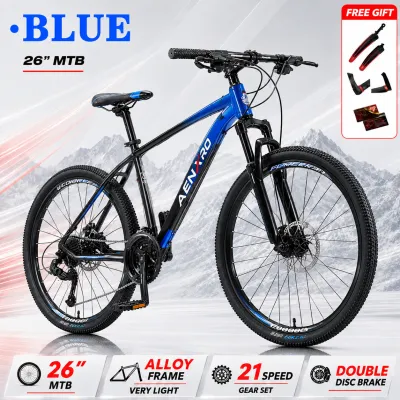
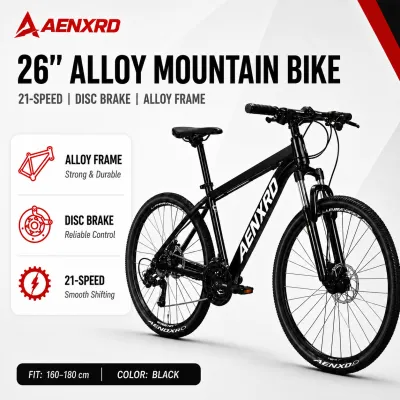

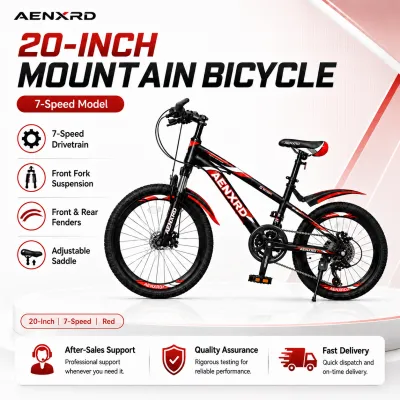




Prices are valid at publication and may change. Please refer to the product page for the latest price.
Riding frequency and physical fatigue also dictate your suspension needs. If you ride occasionally on weekends for short distances, your body can easily manage the feedback from a rigid rear frame. However, if you plan to ride multiple times a week or embark on long, multi-hour endurance rides, the constant trail chatter can take a toll on your lower back, knees, and ankles. A rear shock absorbs these micro-impacts, reducing physical exhaustion and allowing you to stay in the saddle longer with less post-ride soreness.
In the Philippines, tropical weather conditions dramatically alter trail surfaces throughout the year. During the wet season, clay-heavy mud in popular riding areas like Timberland in San Mateo or the Sierra Madre foothills can become incredibly slick and challenging. In the dry season, these same trails bake into hard, dusty, and deeply rutted tracks. If your local routes consist mostly of flat barangay roads, gravel dikes, and smooth farm paths, a hardtail offers excellent speed and efficiency. If you regularly visit dedicated trail parks with steep, rocky downhills and technical root sections, the added traction of a full-suspension bike becomes a valuable safety asset.
Hardtail Mountain Bikes: Best Fit and Trade-offs
Hardtail mountain bikes are highly valued for their climbing efficiency and direct power transfer. Because the rear triangle of the frame is completely rigid, every ounce of energy you push into the pedals is transferred directly to the rear wheel. There is no rear shock to compress under your weight, which eliminates “pedal bob” and makes climbing steep hills much easier. This efficiency makes hardtails a favorite for cross-country racers and riders who prioritize speed on flat or uphill terrain.

Lower mechanical complexity is another major advantage of the hardtail design. With no rear shock, pivot bearings, or complex linkages, there are fewer moving parts to maintain, squeak, or replace. This simplicity is particularly beneficial in humid, muddy tropical climates where grit, water, and fine dust can easily penetrate delicate suspension components. Cleaning a hardtail after a muddy ride is straightforward, requiring less time and fewer specialized tools to keep the bike running smoothly.
However, the rigid rear end comes with distinct physical trade-offs. On rough, bumpy descents, the bike transmits every impact directly to your body, requiring you to stand on the pedals and use your legs as natural shock absorbers. This constant physical engagement can lead to faster fatigue on long rides. Additionally, because the rear wheel cannot move vertically to track uneven ground, it can bounce off obstacles, temporarily losing traction, braking control, and cornering grip on loose surfaces.
From a financial perspective, a lower initial budget in ₱ can be strategically allocated to higher-quality components on a hardtail. Spending between ₱30,000 and ₱50,000 on a hardtail typically secures a lighter air-sprung front fork, a precise 1x drivetrain, and powerful hydraulic disc brakes. A full-suspension bike at that same price point often compromises component quality to offset the cost of the rear shock and pivot design, resulting in a heavier, less reliable ride.
Full-Suspension Mountain Bikes: Best Fit and Trade-offs
Full-suspension mountain bikes are designed to deliver maximum traction, control, and comfort on aggressive downhill or highly technical terrain. The rear shock allows the rear wheel to move upward when encountering obstacles, keeping the tire glued to the trail surface. This continuous contact ensures reliable braking grip and cornering traction, especially when navigating steep, wet, or loose descents where a sliding rear wheel could lead to a loss of control.
The primary trade-off of a full-suspension bike is its increased mechanical complexity and weight. The addition of a rear shock, pivot bolts, bearings, and linkages adds noticeable weight to the frame, which can make climbing feel more sluggish compared to a lightweight hardtail. Furthermore, these moving parts require regular inspection and maintenance. You must periodically check pivot torque, clean mud out of the linkages, and have the rear shock serviced by a professional to maintain its performance and prevent premature wear.
When evaluating full-suspension options, it is essential to review manufacturer specifications for suspension travel and frame geometry. Cross-country (XC) full-suspension bikes typically offer 100mm to 120mm of travel, prioritizing climbing speed and moderate trail comfort. Trail and enduro bikes offer 130mm to 160mm or more of travel, optimized for absorbing heavy impacts on steep, high-speed descents. Selecting the correct travel category ensures you do not carry excess frame weight for trails that do not require extreme shock absorption.
Decision Matrix: Matching Your Profile to the Right Bike
To finalize your decision, cross-reference your primary riding terrain, physical needs, and budget. If you are a beginner rider with a modest budget who plans to ride a mix of paved roads, gravel paths, and light trails, a hardtail is the most practical choice. It provides a reliable, low-maintenance platform that helps you develop fundamental riding skills. If you have a flexible budget, suffer from chronic lower back or joint pain, and intend to ride technical, rocky trails immediately, investing in a full-suspension bike is highly recommended.
Starting on a hardtail is often an excellent way to build essential mountain biking skills. Without rear suspension to cushion your mistakes, you are forced to learn proper line choice, active body positioning, and weight distribution. You learn to look ahead and guide the bike smoothly over obstacles rather than plowing through them. If you eventually transition to a full-suspension bike, these foundational skills will make you a much more efficient, confident, and capable rider.
Before making your purchase, plan several essential pre-purchase actions to ensure a proper fit. Visit a local bike shop to verify your frame size using the manufacturer’s size chart, checking both standover height and reach rather than relying on height alone. If possible, test ride both bike types on a realistic surface to feel the difference in power transfer and handling. Finally, confirm that the shop offers local warranty support and has the technical capability to service the specific suspension and drivetrain components on your chosen model.
Frequently Asked Questions (FAQ)
Can I add rear suspension to a hardtail frame later?
No, you cannot convert a hardtail frame into a full-suspension bike. Hardtail frames are manufactured as a single, rigid piece of aluminum or carbon fiber and lack the necessary pivot points, shock mounts, and clearance for a moving rear triangle. Attempting to modify a hardtail frame structurally is highly dangerous, voids all warranties, and can lead to catastrophic frame failure. If you decide you need rear suspension, you must purchase a dedicated full-suspension frame or complete bike.
How does maintenance differ between hardtail and full-suspension bikes?
Full-suspension bikes require significantly more maintenance than hardtails due to their moving parts. While both styles require regular drivetrain cleaning, brake adjustments, and front fork servicing, a full-suspension bike adds the upkeep of the rear shock and frame pivots. You must regularly clean dirt and mud from the pivot bearings, check pivot bolts for correct torque, and have the rear shock’s air seals and oil replaced according to the manufacturer’s recommended riding hours to prevent performance loss.
How do I verify the correct frame size for an adult mountain bike?
To find the correct frame size, do not rely solely on your overall height. Start by consulting the manufacturer’s specific size chart, then stand over the top tube of the bike with your riding shoes on to ensure you have at least two to three inches of clearance (standover height). Next, evaluate the reach, which is the horizontal distance from the bottom bracket to the head tube. A proper reach ensures you can comfortably grip the handlebars with a slight bend in your elbows without feeling overly stretched out or cramped.
Community discussion
Share your experience or ask a question. Comments are reviewed before publication.