
Quick Answer: Which Suspension Setup Fits Your Ride?
When exploring the diverse trails, rugged provincial fire roads, and unpredictable city streets of the Philippines, choosing a bike with shock absorber systems—commonly referred to as suspension—is one of the most critical decisions you will make. The choice between a front suspension bike (known as a hardtail) and a dual or full suspension bike depends entirely on your typical riding terrain, your long-term budget, and your personal performance goals. There is no single setup that excels in every scenario, as each configuration represents a distinct set of engineering trade-offs designed for different riding environments.
A hardtail bike features a suspension fork at the front while keeping the rear frame completely rigid. This design is highly efficient for pedaling on smooth trails, gravel paths, and paved roads, making it an excellent option for daily commuting, cross-country riding, and budget-conscious cyclists. Because the rear triangle is solid, every ounce of energy you put into the pedals transfers directly to the rear wheel, allowing for faster acceleration and easier climbing on uniform surfaces.
Conversely, a full suspension bike utilizes both a front fork and a rear shock absorber integrated into a pivoting frame linkage. This configuration is engineered to absorb heavy impacts, maintain tire contact on highly technical descents, and provide maximum comfort over rocky, root-filled, or uneven terrain. While full suspension bikes offer superior traction and control when gravity works against you, they also command a higher purchase price, carry a weight penalty, and require more intensive maintenance. Your decision ultimately hinges on whether you prioritize the lightweight simplicity and efficiency of a hardtail or the technical capability and comfort of a full suspension ride.
Products mentioned in this guide
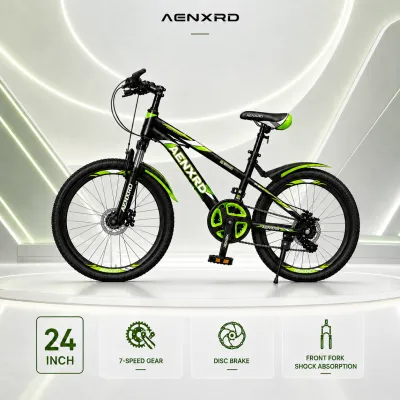
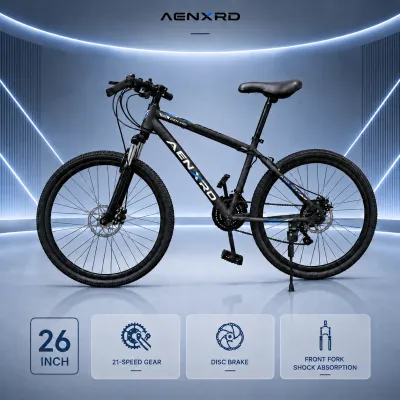
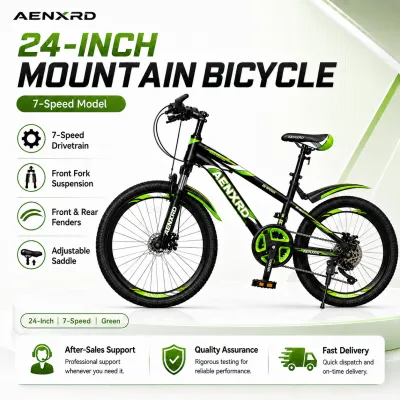
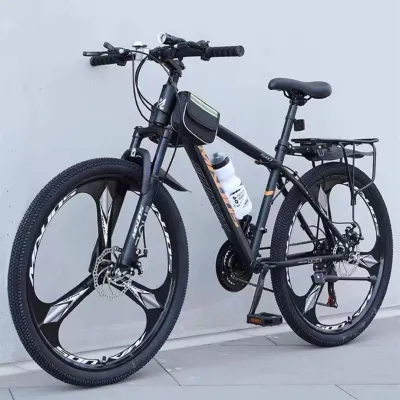
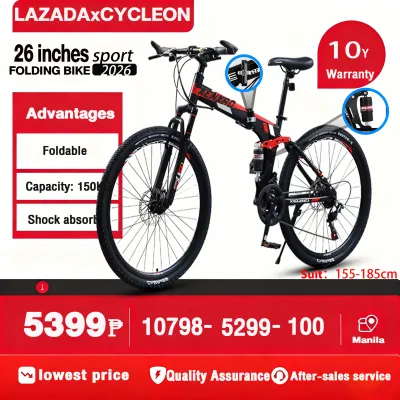
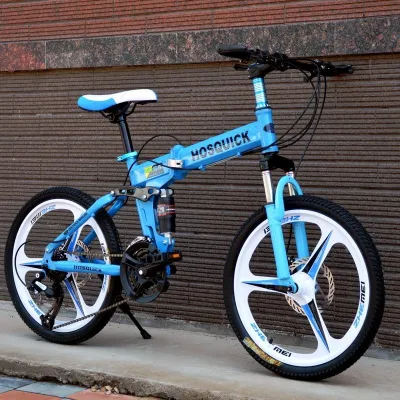
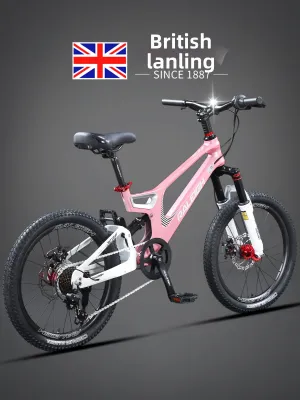
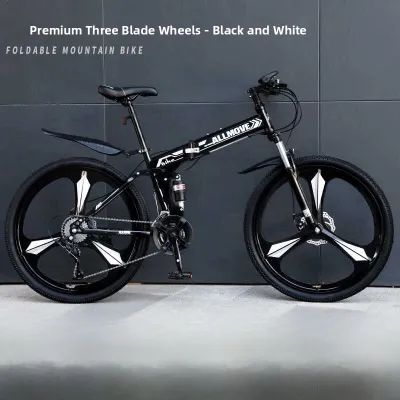
Prices are valid at publication and may change. Please refer to the product page for the latest price.
How Front and Full Suspension Systems Work on a Bike with Shock Absorbers
To make an informed decision, it is essential to understand the mechanical principles behind how a bike with shock absorber technology manages energy and maintains control. Suspension systems are designed to isolate the rider from trail vibrations and impacts, but they do so using different mechanical configurations that fundamentally alter how the bicycle handles.

The front suspension fork, found on both hardtails and full suspension models, is responsible for managing the impacts encountered by the front wheel. As you ride over rocks, potholes, or ruts, the fork compresses, absorbing the upward kinetic energy before it can travel through the handlebars into your hands, wrists, and shoulders. This absorption is critical not only for rider comfort but also for steering stability. When a front wheel hits an obstacle without suspension, it tends to deflect wildly, which can cause a sudden loss of steering control. By keeping the front tire pressed firmly against the ground, the suspension fork ensures that your steering inputs remain precise and predictable, even on loose or uneven surfaces.
A full suspension bike builds upon this foundation by introducing a rear shock absorber, which is connected to the main frame via a series of pivots and linkages. When the rear wheel strikes an obstacle, the rear triangle of the frame pivots, allowing the rear shock to compress and dissipate the impact energy. This rear suspension serves two primary purposes: rider isolation and continuous traction. On rough trails, a rigid rear end will bounce violently over bumps, lifting the rear tire off the ground and temporarily breaking traction. This loss of contact reduces your ability to accelerate, steer, and brake effectively. The rear shock prevents this by forcing the rear tire back down into the dirt, ensuring continuous power transfer and consistent braking control. Additionally, by absorbing the harsh jolts that would otherwise travel up the seatpost, the rear shock significantly reduces lower back strain and physical fatigue during long, demanding rides.
Core Comparison: Hardtail vs Full Suspension
Terrain, Traction, and Riding Style
The specific trails and pathways you plan to frequent should be the primary driver of your suspension choice. Philippine riding destinations present an incredibly wide spectrum of terrain, ranging from the manicured, fast-flowing gravel loops of local eco-parks to the steep, highly technical, and mud-slicked descents found in mountainous provinces like Rizal or Benguet. Matching your bike to these environmental realities is crucial for both safety and enjoyment.
Hardtail bikes are the undisputed champions of moderate, predictable terrain. On smooth dirt tracks, hard-packed clay, fire roads, and asphalt, the absence of rear suspension is actually an advantage. Without a rear shock to compress under your weight, the bike feels incredibly responsive and nimble. It allows you to pump through smooth rollers and carry speed through flat corners with minimal effort. If your typical weekend ride consists of scenic provincial farm roads, suburban gravel paths, or light cross-country trails, a hardtail provides a crisp, engaging ride that connects you directly to the trail.
However, once the trail turns steep, technical, and littered with loose rocks, exposed tree roots, or deep ruts, the limitations of a hardtail become apparent. On these challenging surfaces, a full suspension bike completely transforms the riding experience. Because both wheels can move independently to track the contours of the ground, the bike maintains an incredibly high level of traction. When descending a steep, rocky chute, the rear shock keeps the rear tire glued to the terrain, allowing your hydraulic brakes to bite effectively and slow you down safely. On a hardtail, the rear wheel is prone to bouncing wildly off obstacles, which can cause the brakes to lock up and slide, leading to a loss of control. Furthermore, when climbing technical, root-covered uphills, the active rear suspension on a full suspension bike conforms to the obstacles, allowing you to maintain a steady pedaling cadence and crawl up climbs that would cause a hardtail’s rear tire to slip and spin out.
Pedaling Efficiency and Weight
When evaluating physical effort and energy expenditure, the differences in weight and mechanical efficiency between these two suspension designs are substantial. Every watt of energy you generate through your legs is precious, especially when tackling long, grueling climbs under the intense heat and humidity of a tropical climate.
Hardtails are highly prized for their direct power transfer. Because the rear triangle of a hardtail frame is a solid, welded structure, there are no pivots or shocks to compress when you step hard on the pedals. This means that almost 100% of your pedaling force is transmitted directly into forward momentum. This efficiency is particularly noticeable when climbing smooth fire roads or standing up out of the saddle to sprint. Additionally, hardtails are significantly lighter than their full suspension counterparts. A typical hardtail frame can be anywhere from one to two kilograms lighter than a full suspension frame of a comparable price point, as it lacks the heavy rear shock unit, metal linkages, and multiple sets of pivot bearings. This weight savings makes a massive difference over the course of a long ride, reducing the overall physical workload required to pull yourself and your machine up steep inclines.
Full suspension bikes, by contrast, must contend with a phenomenon known as “pedal bob.” When you pedal, especially with a choppy or high-torque cadence, the downward force of your legs can cause the rear shock to compress and rebound rhythmically. This movement absorbs a portion of your pedaling energy, turning your hard work into wasted heat inside the shock absorber rather than forward motion. To combat this, modern full suspension designs utilize complex pivot placements and rear shocks equipped with lockout levers or platform damping. These features allow you to temporarily stiffen the rear suspension for climbing on smooth fire roads. However, even with these advanced technologies, a full suspension bike will rarely match the absolute pedaling crispness of a quality hardtail, and the physical weight of the extra components remains a constant factor that you must carry up every hill.
Maintenance in Tropical and Humid Climates
The long-term cost and effort of ownership are heavily influenced by the climate and environmental conditions in which you ride. In the Philippines, bikes are subjected to intense tropical weather, characterized by high humidity, heavy seasonal monsoon rains, sticky clay mud, and fine volcanic dust. These elements are highly abrasive and can wreak havoc on delicate mechanical components if they are not properly maintained.
A hardtail bike is remarkably simple to maintain, making it highly resilient in harsh tropical environments. With no rear suspension, the back half of the bicycle is completely static. The only suspension component requiring attention is the front fork. Standard maintenance for a hardtail involves wiping down the fork stanchions after every muddy ride, checking the air pressure periodically, and performing a basic lower-leg service (replacing the bath oil and dust wipers) once or twice a year depending on your mileage. This simplicity means fewer trips to the bike shop, lower maintenance costs, and more time spent riding rather than wrenching.
A full suspension bike, on the other hand, introduces a high level of mechanical complexity that requires diligent upkeep. The rear suspension system relies on a network of frame pivots containing sealed cartridge bearings or bushings. During the wet monsoon season, muddy water can easily penetrate these pivot points, washing away the grease and introducing grit. Over time, this causes the bearings to rust, seize, or develop play, resulting in annoying creaks, compromised suspension performance, and potential frame damage if left unaddressed. Additionally, the rear shock itself is a highly pressurized hydraulic component with delicate rubber seals that must keep oil in and dirt out. Fine dust during the dry season can act like sandpaper on the shock shaft, quickly wearing out the seals and requiring expensive professional rebuilds. Owning a full suspension bike in a tropical climate demands a commitment to regular cleaning, routine inspection of pivot bolts, and a willingness to budget for annual suspension and bearing services.
Budget Considerations: Getting the Best Value
When shopping for a bike with shock absorber technology, budget is often the ultimate deciding factor. However, many buyers fall into what experienced cyclists refer to as the “cheap full suspension trap.” It is highly tempting to purchase a low-priced full suspension bike because it looks rugged and advanced, but at lower price points, this choice often leads to severe disappointment and safety risks.
In the entry-level to mid-range price brackets (typically under ₱25,000 to ₱35,000), a hardtail is almost always the superior investment. Because a hardtail frame is inexpensive to manufacture, bicycle brands can allocate a larger portion of the retail price toward high-quality components. A hardtail in this price range will typically feature a reliable, adjustable air-sprung front fork, powerful hydraulic disc brakes, and a modern, wide-range 1x drivetrain (such as Shimano Deore or Cues). These components work together to provide a reliable, safe, and highly enjoyable riding experience. The bike will be relatively light, easy to pedal, and durable enough to withstand years of trail riding.
If you attempt to buy a full suspension bike at that same entry-level budget, the manufacturer must cut corners drastically to cover the cost of the rear shock and frame pivots. As a result, you end up with a bike that is incredibly heavy, often weighing upwards of 16 to 18 kilograms. The rear shock is usually a cheap, un-damped coil spring that acts like a pogo stick, bouncing uncontrollably after every bump and severely compromising your traction and safety. Furthermore, the rest of the components—such as the brakes, drivetrain, and wheels—will be of much lower quality, leading to frequent mechanical failures, poor shifting, and weak braking power.
To get a truly trail-worthy full suspension bike that performs safely and reliably, you must be prepared to spend a significantly higher entry price, typically starting well above ₱60,000. At this level, the bike will feature a properly engineered frame with sealed pivot bearings, a rear shock with adjustable hydraulic rebound damping, and components capable of handling the rigors of technical mountain biking. If your budget does not allow for this level of investment, prioritizing a high-quality hardtail will yield a vastly superior, safer, and more durable ride.
The Final Decision Framework
To synthesize these comparison points and guide your purchasing journey, use the structured decision framework below to evaluate which suspension configuration aligns with your physical needs, riding style, and financial boundaries.
Choose Front Suspension (Hardtail) if:
- Your primary terrain is moderate: You plan to ride mostly on paved city roads, flat gravel paths, smooth dirt fire roads, or light cross-country trails.
- You prioritize climbing and speed: You want a lightweight, highly efficient bicycle that accelerates quickly and climbs steep hills without wasting your pedaling energy.
- You want low-maintenance simplicity: You prefer a straightforward machine that is easy to clean after muddy rides and does not require frequent, expensive pivot bearing replacements or rear shock servicing.
- You have a budget under ₱40,000: You want to maximize the quality of your components, ensuring you get a reliable air fork, hydraulic brakes, and a durable drivetrain rather than a heavy, poorly performing dual suspension setup.
Choose Full Suspension if:
- You tackle technical, rugged trails: You frequently ride steep, rocky, root-filled descents where maintaining rear-wheel traction and braking control is essential for safety.
- You prioritize comfort and joint protection: You want to minimize the physical impact of trail chatter on your lower back, knees, and joints, allowing you to ride longer with less physical fatigue.
- You have a flexible, higher budget: You are prepared to invest upwards of ₱60,000 to secure a high-quality frame and suspension system, and you are willing to budget for regular professional maintenance.
- You want to push your riding limits: You plan to progress into aggressive trail riding, enduro, or downhill mountain biking where a rear shock is mechanically necessary to handle high-speed impacts.
Verify first if:
- You can test ride both configurations: Visit a local bike shop to feel the physical differences in weight, pedaling stiffness, and riding posture between a hardtail and a full suspension bike.
- You have assessed your local trails: Scout the trail networks in your area on foot or talk to local riding communities to understand the actual technical difficulty of the terrain you will be riding most frequently.
Frequently Asked Questions (FAQ)
Can I upgrade a hardtail to a full suspension bike later?
No, you cannot upgrade a standard hardtail frame into a full suspension bike. Bicycle frames are engineered from the ground up to support specific suspension configurations. A hardtail frame features a rigid, welded rear triangle that lacks the necessary pivot points, bearing mounts, and physical clearance required to accommodate a rear shock absorber and its associated moving linkages. Attempting to modify a hardtail frame to mount a rear shock is structurally impossible and would compromise the safety and integrity of the bicycle. If you decide you want the benefits of a full suspension ride, you must purchase a dedicated full suspension frame and transfer your compatible components over, or more commonly, purchase a complete full suspension bicycle.
Do I need a full suspension bike for casual weekend trails?
For casual weekend rides on non-technical trails, a full suspension bike is generally unnecessary. If your typical route consists of paved greenways, smooth gravel paths, flat dirt roads, or well-maintained park trails, a hardtail equipped with a quality front shock absorber is more than sufficient. A hardtail will offer superior pedaling efficiency, weigh significantly less, and cost far less to purchase and maintain over time. The added mechanical complexity, weight, and expense of a full suspension bike only become truly beneficial when you regularly ride on highly uneven, technical terrain where rear-wheel traction and heavy impact absorption are required to maintain control and safety.
Community discussion
Share your experience or ask a question. Comments are reviewed before publication.