
Choosing between a hardtail and a full suspension mountain bike (MTB) is one of the most significant decisions you will make as a rider. Your choice directly impacts where you can ride, how comfortable you will be, and how much time and money you will spend on maintenance. A hardtail mountain bike features a suspension fork at the front and a rigid rear frame, while a full suspension mountain bike includes both a front fork and a rear shock system.
In tropical riding environments like the Philippines, where trail conditions can shift rapidly from dry, dusty fire roads to slick, clay-heavy mud during the wet season, understanding these structural differences is crucial. The right bike will not only match your local terrain but also align with your budget and mechanical comfort level.
Core Differences Between Hardtail and Full Suspension MTBs
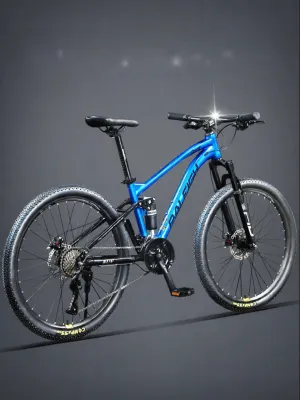
The fundamental difference between these two bike types lies in how they handle trail impacts and maintain contact with the ground. A hardtail relies solely on its front suspension fork to absorb bumps, leaving the rear triangle completely rigid. A full suspension bike utilizes a pivot system and a rear shock absorber, allowing the rear wheel to move independently when encountering obstacles.
Products mentioned in this guide
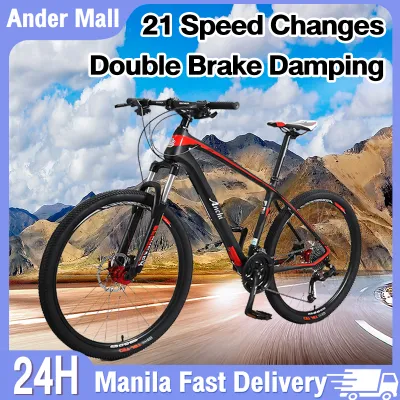
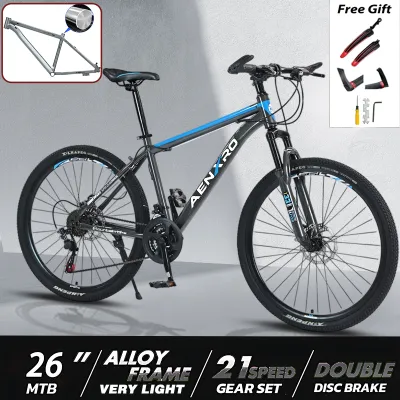
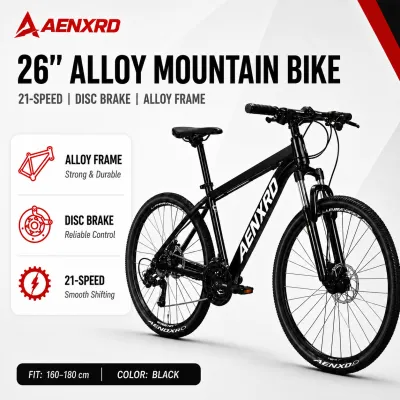
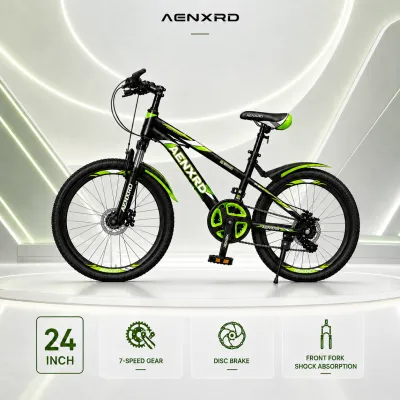
Prices are valid at publication and may change. Please refer to the product page for the latest price.
This structural difference directly affects traction, comfort, and overall bike weight. The rear shock on a full suspension bike keeps the rear tire pressed against the trail over roots, rocks, and loose gravel. This constant contact improves climbing traction and downhill control. However, the extra linkages, bearings, and shock hardware add weight, making full suspension models heavier than hardtails of a similar component tier.
Pedaling efficiency is where the hardtail holds a distinct advantage. Because the rear triangle of a hardtail is rigid, every ounce of energy you push into the pedals transfers directly to the rear wheel without any power loss. On a full suspension bike, some of your pedaling force can cause the rear shock to compress and rebound—a movement known as “pedal bob.” While modern rear shocks often feature lockout switches to temporarily stiffen the suspension, a hardtail remains inherently more efficient on flat terrain and smooth climbs.
Matching the MTB to Your Riding Style and Terrain
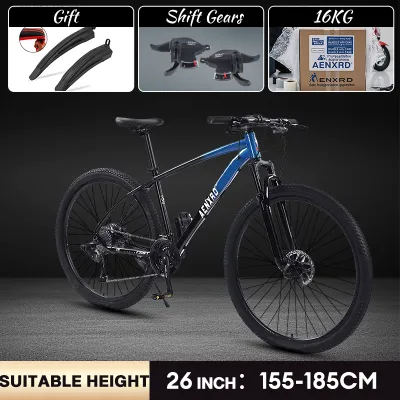
Your typical riding venue and skill level should dictate which suspension setup is most suitable for you. If your local routes consist of paved roads, gravel paths, and smooth, hard-packed dirt trails, a hardtail is highly efficient. It allows you to carry speed easily, climb steep hills with minimal effort, and navigate tight corners with sharp responsiveness.

When you transition to technical trails, steep descents, and rugged mountain paths, a full suspension bike becomes highly advantageous. The rear suspension absorbs high-impact forces that would otherwise travel through the pedals directly into your feet, knees, and lower back. This absorption reduces rider fatigue over long, bumpy rides and keeps the bike stable, allowing you to maintain control and steering precision through rock gardens and root sections.
Your approach to skill progression also plays a role in this decision. Riding a hardtail forces you to develop precise bike handling skills. Because there is no rear shock to cushion mistakes, you must learn to stand up on the pedals, use your body as a natural shock absorber, and carefully select the smoothest line through obstacles. Starting on a full suspension bike offers a wider margin of error, which can boost confidence on rough terrain but may occasionally mask poor riding habits.
Budget and Long-Term Maintenance Considerations
Financial planning for a mountain bike involves both the initial purchase price and the ongoing cost of ownership. Because full suspension frames require complex manufacturing, pivot bearings, and a rear shock, they are significantly more expensive to produce than hardtails.
At any given price point, a hardtail will almost always feature higher-tier components than a full suspension bike. For instance, with a budget of ₱50,000, you can purchase a high-quality hardtail equipped with a lightweight air-sprung fork, a reliable 1×12 drivetrain, and powerful hydraulic disc brakes. A full suspension bike at that same ₱50,000 price point will likely feature heavier, entry-level coil shocks and lower-tier components that may wear out quickly under demanding trail conditions. To get a comparable level of component quality on a full suspension bike, you typically need to look at options starting above ₱90,000.
Maintenance complexity is another critical factor, especially in humid, tropical climates. Mud, sand, and water can easily penetrate moving parts, accelerating wear. A hardtail requires minimal maintenance: you only need to clean the drivetrain, service the front fork periodically, and check the brakes. A full suspension bike introduces multiple pivot points with sealed bearings that must be regularly inspected for play, cleaned, and replaced when worn. The rear shock also requires specialized air-sleeve services and damper rebuilds, which increases both your annual maintenance budget and your bike’s downtime.
Decision Framework: Which MTB Should You Buy?
To determine which mountain bike fits your lifestyle, evaluate your riding goals against this practical framework.
You should choose a hardtail if:
- Your budget is under ₱60,000 and you want the highest-quality components for your money.
- You primarily ride smooth trails, fire roads, gravel paths, or paved roads.
- You prioritize climbing speed, pedaling efficiency, and a lightweight bike.
- You prefer a simple machine with low maintenance requirements.
You should choose a full suspension if:
- Your budget is flexible and you can invest in a high-quality model (typically above ₱90,000).
- You plan to ride technical trails with rocks, roots, drops, and steep descents.
- You experience joint discomfort or lower back fatigue during long rides.
- You prioritize downhill traction, comfort, and high-speed stability over climbing weight.
Before making a final decision, verify your local trail conditions. Trails in mountainous regions like Rizal or Benguet can be highly technical and rocky, making a full suspension bike highly beneficial. Conversely, urban greenways and flat provincial dirt roads are perfectly suited for a hardtail. Visit a local bike shop to test ride both types, paying close attention to how the weight, geometry, and suspension feel under your body weight.
Essential Gear and Setup Checks for Your Chosen MTB
Mountain biking is an active, high-risk sport where equipment cannot replace proper training, physical conditioning, and sound judgment. Always ride within your personal skill limits, wear appropriate protective gear, and stop riding if trail conditions become hazardous due to heavy rain, mudslides, or low visibility.
Mandatory safety gear starts with a high-quality helmet that meets international safety standards (such as CE EN1078). Full-finger gloves protect your hands from trail debris and maintain grip when your hands are sweaty, while closed-toe shoes with stiff, flat soles ensure your feet remain securely planted on the pedals.
Before heading out on your first ride, perform these essential bike setup checks:
- Tire Pressure: Check your tire pressure using a reliable gauge. Lower pressures (around 20 to 25 PSI for tubeless setups) improve grip on wet, slippery roots, while higher pressures are necessary to prevent pinch flats if you are using inner tubes.
- Suspension Sag: For full suspension bikes, verify that your suspension sag is set correctly. This involves adjusting the air pressure in your fork and rear shock so they compress by a specific percentage (usually 25% to 30%) under your riding weight. Refer to the manufacturer's specification chart for exact pressure recommendations.
- Brake Alignment: Ensure your hydraulic disc brakes are properly aligned and do not rub against the rotors, which can cause premature wear and drag.
Always carry trail essentials to handle minor mechanical issues and changing weather. A basic repair kit should include a multi-tool with a chain breaker, tire levers, a hand pump, and a spare inner tube or tubeless plug kit. Because of the hot, humid tropical climate, carrying adequate hydration is essential to prevent heat exhaustion. If you plan to ride late in the afternoon, equip your bike with front and rear lights to ensure you remain visible to others.
Frequently Asked Questions (FAQ)
Can I convert a hardtail MTB to a full suspension later?
No, you cannot convert a hardtail frame into a full suspension bike. Mountain bike frames are engineered from the ground up for a specific suspension design. A hardtail frame lacks the pivot points, rear shock mounts, and structural clearance required to install a rear suspension system. Attempting to modify a frame structurally will compromise its integrity and lead to catastrophic failure. If you decide you need rear suspension, the most practical and safe route is to sell your hardtail and purchase a dedicated full suspension bike.
Is a hardtail MTB better for beginners?
A hardtail is highly recommended for beginners because it builds fundamental riding skills. Without rear suspension to absorb mistakes, you must learn how to stand up on the pedals, shift your body weight, and choose the cleanest lines through rough sections. This active riding style builds core strength and balance. Additionally, the lower cost and simpler maintenance of a hardtail make it an approachable entry point into the sport. However, if you have the budget and plan to ride highly technical, rocky trails immediately, a full suspension bike can provide a safer margin of error and reduce the physical toll on your body.
Community discussion
Share your experience or ask a question. Comments are reviewed before publication.