
To establish a consistent rhythm and master the beat punch for boxing, selecting the correct training equipment is the first critical step. Your choice of gear dictates how you develop muscle memory, speed, power, and defensive reflexes. The ideal tool depends heavily on whether you are training alone in a home setup or working with a dedicated coach or training partner.
A heavy bag serves as the ultimate solo training partner, focusing on raw power, cardiovascular endurance, and sustained footwork. Focus pads, being smaller and lighter, are designed for partner-driven speed, hand-eye coordination, and rapid combination flow. Punch mitts offer a middle ground, featuring thicker padding to absorb heavy partner-driven power shots while integrating defensive drills like slipping and rolling.
While each piece of equipment excels in a specific area, a well-rounded boxing routine eventually integrates all three. Understanding the distinct design purposes and physical demands of each tool ensures you invest in the gear that matches your current skill level and training environment.
Products mentioned in this guide
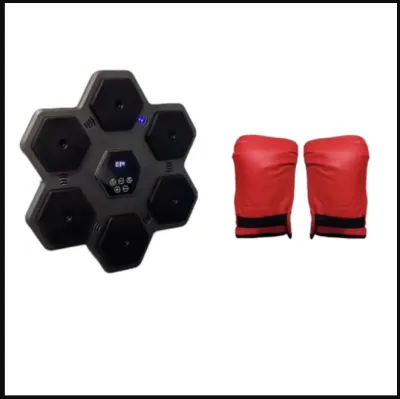
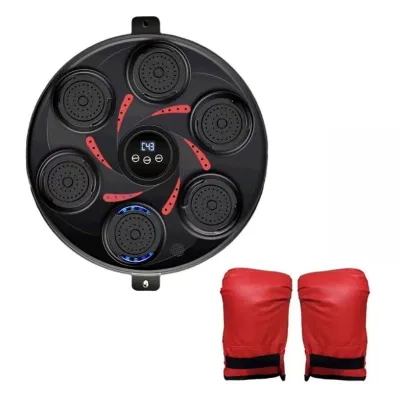

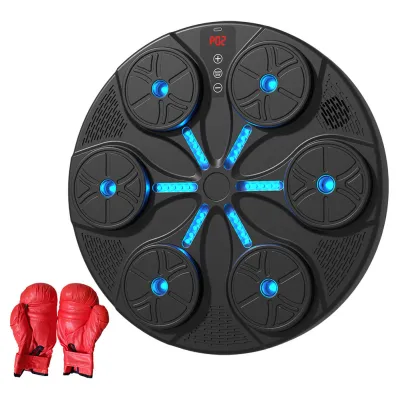
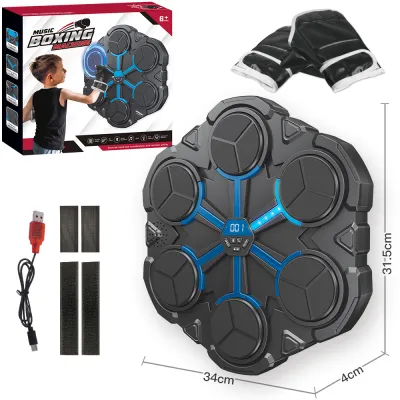

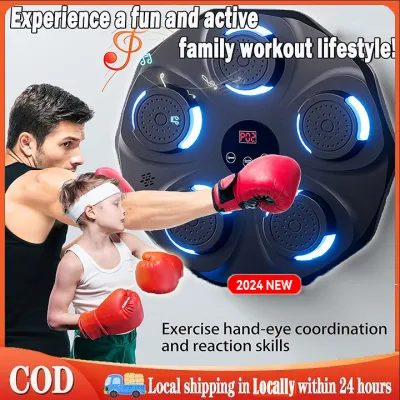
Prices are valid at publication and may change. Please refer to the product page for the latest price.
Heavy Bags: Building Solo Power, Endurance, and Footwork
Developing raw striking power requires a target that offers substantial resistance. The heavy bag provides this resistance, allowing you to throw full-power hooks, crosses, and jabs without risking injury to a training partner. Because the bag swings and moves upon impact, it naturally forces you to maintain active footwork, circle the target, and find proper angles. This constant movement simulates the spatial awareness needed in a real bout, all while delivering an intense cardiovascular workout that builds shoulder and core endurance.
Despite its benefits, the heavy bag is a static, non-reactive opponent. It does not punch back, slip your strikes, or force you to defend yourself. Practicing exclusively on a heavy bag without professional guidance often breeds dangerous habits, such as dropping your hands after throwing a combination or over-committing to a punch and losing your balance. Without the threat of a counter-punch, you might neglect your defensive guard, which can be difficult to correct later.
When choosing a heavy bag, the general rule of thumb is to select a bag that weighs approximately half of your body weight. This ratio provides enough resistance to absorb your punches without swinging so wildly that it disrupts your rhythm. For filling materials, shredded fabric offers a uniform density and realistic feel, whereas sand or water-filled bags can settle over time, creating hard spots that increase the risk of hand injury.
In the tropical climate of the Philippines, high humidity can cause synthetic leather bags to degrade or peel prematurely, and organic fillings may trap moisture. Opting for high-grade vinyl or treated leather, and ensuring your training space is well-ventilated, will extend the life of your gear. Additionally, you must evaluate your mounting options: a heavy-duty ceiling mount requires a solid structural beam to support the dynamic load, while a freestanding frame offers portability but requires sandbags or weights at the base to prevent tipping during heavy combinations.
Never strike a heavy bag with bare hands or light fitness gloves. The absolute minimum protection required is a pair of high-quality hand wraps paired with dedicated bag gloves or training gloves. Hand wraps stabilize the many small bones in your wrist and hand, preventing hyperextension and knuckle bruising. Remember that no amount of premium padding can compensate for poor wrist alignment or improper punching technique; if your wrist bends upon impact, stop immediately and correct your form.
Focus Pads vs. Punch Mitts: Partner Drills for Precision and Defense
Partner-held targets shift the focus of your training from solo conditioning to interactive, real-time reaction. While many gym-goers use the terms interchangeably, focus pads and punch mitts are distinct tools designed for different training outcomes. The choice between them is not about which is superior, but rather which drill your partner or coach intends to run.

Focus pads are characterized by their compact, lightweight, and flat or slightly curved design, prioritizing speed and precision. Punch mitts, on the other hand, are larger, thicker, and heavily padded, engineered to absorb high-impact power shots. Understanding these structural differences helps you and your training partner avoid joint strain while maximizing the efficiency of your workouts.
Focus Pads: Speed, Accuracy, and Combination Flow
Focus pads are the premier tool for sharpening hand-eye coordination, fast-twitch muscle response, and complex combination flow. Because of their small surface area, they demand extreme precision from the striker; missing the center of the pad by even an inch forces you to adjust your alignment and control your balance. They are ideal for rapid-fire combinations where speed and fluid transitions are prioritized over raw power.
The effectiveness of focus pads depends entirely on the active participation of the pad holder, often called the feeder. The holder must not remain stationary; they must call out combinations, move dynamically around the training space, and lightly tap back to simulate counter-attacks. This active feedback loop forces the striker to keep their guard up and react instantly to changing angles.
However, focus pads are not built to withstand continuous, full-power heavy strikes. Attempting to throw maximum-effort power shots into small focus pads can quickly lead to joint strain, wrist hyperextension, or elbow pain for the holder. If the holder does not catch the punch with the correct timing and resistance, the impact can transfer directly into their shoulder joint, leading to chronic wear and tear.
Punch Mitts: Power Transfer, Angles, and Defensive Drills
Punch mitts are designed specifically to handle heavy power transfer, hooks, uppercuts, and integrated defensive maneuvers. Their larger surface area and thicker foam padding are built to absorb the shock of maximum-effort strikes, making them the preferred choice for high-intensity power rounds. The curved shape of many modern punch mitts naturally cups the striker’s fist, promoting proper knuckle alignment upon impact.
A key design advantage of punch mitts is the enhanced protection they offer the holder. The deep padding and ergonomic wrist supports shield the holder’s forearms, elbows, and shoulders from the jarring vibrations of heavy punches. This allows a coach or partner to hold for longer, more intense sessions without experiencing the joint fatigue associated with smaller pads.
The trade-off for this superior protection is added weight and bulk. Because punch mitts are heavier, they are less suited for ultra-fast, light-speed combination drills. The holder cannot maneuver them as quickly as focus pads, which can slow down rapid-fire punching sequences. They excel instead when training realistic fight scenarios, where a heavy punch is immediately followed by a slip, roll, or block.
Choosing the Right Setup for Your Skill Level: Finding Your Beat Punch for Boxing
Your current experience level and immediate training goals should dictate which equipment you prioritize. Attempting to use advanced partner gear without mastering basic mechanics can lead to poor habits, while relying solely on a heavy bag can stunt your defensive growth.
Beginners: If you are new to the sport, your primary focus should be on building basic physical conditioning, learning proper stance, and mastering fundamental punches. Start by using a heavy bag to develop your physical endurance and get used to the sensation of impact. However, pair this solo work with shadowboxing in front of a mirror to monitor your form. If possible, seek coach-led focus pad sessions early on; a coach can physically correct your hand placement and alignment before you begin throwing heavy power shots on the bag, preventing the formation of bad habits.
Intermediate: Once you have established a solid foundation of form and conditioning, introduce punch mitts to your routine. This stage is about bridging the gap between static punching and active defense. Use punch mitts to practice slipping, rolling, and counter-punching immediately after throwing a combination. Continue using the heavy bag for dedicated endurance rounds, focusing on maintaining high volume and active footwork for the full duration of a round.
Advanced: Advanced boxers should utilize a structured blend of all three tools to simulate the unpredictable nature of a live bout. Use the heavy bag for active recovery days or pure power-development sessions. Utilize focus pads for high-speed tactical drills, sharpening your reflexes and combination transitions. Reserve punch mitts for intense, fight-simulation rounds where power, defense, and complex angling are integrated into a single, seamless flow.
Gear Selection Note: When evaluating a “beat punch for boxing” setup or selecting gear from brands like Beat and other manufacturers, always verify the padding density, strap security, and surface material. High-density foam is crucial for absorbing impact without bottoming out, while secure, adjustable wrist straps prevent the pads from slipping off the holder’s hands. Ensure the outer material can withstand both your striking force and the high humidity of your training environment without cracking or tearing.
Safety, Maintenance, and Essential Accessories
Protecting your hands and wrists is non-negotiable in boxing. High-quality hand wraps are the single most important accessory you can own; they should be wrapped snugly around your wrist, thumb, and knuckles to create a solid, unified structure. Pair these wraps with gloves of the appropriate weight. For heavy bag work, gloves weighing 12 to 16 ounces are standard, providing sufficient shock absorption to protect your knuckles during repetitive, high-impact sessions.
The tropical climate of the Philippines presents unique challenges for sports equipment. Sweat, body oils, and high humidity can quickly lead to mold growth and material degradation if your gear is not properly maintained. Always check the manufacturer’s care instructions for your specific gear before applying any cleaning solutions. After every training session, wipe down your heavy bag, focus pads, and punch mitts with a damp cloth and a mild, non-abrasive disinfectant. Allow them to air-dry completely in a well-ventilated, shaded area; never leave damp gear sealed inside a gym bag or exposed to direct, harsh sunlight, as this can dry out and crack the leather or synthetic casing.
Additionally, perform regular safety checks on your heavy bag hardware. Inspect the chains, swivels, and ceiling mounts weekly for signs of rust, metal fatigue, or loose bolts. If you notice any structural wear or excessive noise during use, replace the damaged hardware immediately to prevent the bag from falling.
Always listen to your body during training. If you experience sharp joint pain, wrist instability, or persistent soreness in your elbows or shoulders, stop training immediately. Boxing equipment is designed to facilitate training, but it cannot fix underlying biomechanical flaws or joint weaknesses. If pain persists after resting, consult a qualified coach to review your technique, or seek advice from a medical professional before resuming high-impact drills.
Frequently Asked Questions (FAQ)
Can I use focus pads for solo training?
Traditional focus pads require a partner to hold and actively feed the targets. For solo speed and accuracy training, focus pads are not suitable. Instead, consider solo-friendly alternatives such as double-end bags, wall-mounted reflex bags, or freestanding striking targets that rebound automatically to simulate a reactive opponent.
How heavy should my heavy bag be for boxing?
As a general guideline, a heavy bag should weigh approximately half of your body weight. This weight provides the ideal balance of resistance and movement. However, you must also verify that your mounting system, whether a ceiling beam or a freestanding stand, is rated to handle both the static weight of the bag and the dynamic forces generated when you strike it.
Do I need different gloves for heavy bags and pad work?
While you can use a single pair of high-quality training gloves (typically 14 to 16 ounces) for both, dedicated bag gloves are highly recommended for heavy bag work. Bag gloves feature denser, more compact padding designed to withstand repetitive impact against a hard surface. Standard training gloves provide softer shock absorption, making them better suited for pad work to protect your training partner’s hands and joints.
Community discussion
Share your experience or ask a question. Comments are reviewed before publication.