
Finding a heavy-duty basketball net in the Philippines requires looking past flashy packaging and generic marketing labels. In a country characterized by intense tropical heat, high humidity, and sudden torrential downpours, a net’s survival depends entirely on its material composition and structural engineering. Balancing your budget means matching these physical specifications to your specific playing environment, ensuring you do not overpay for indoor features or underinvest in outdoor protection.
Whether you are outfitting a private backyard hoop, a school gymnasium, or a high-traffic barangay court, understanding the science behind net construction is key. By focusing on verifiable material properties, thread thickness, and weatherproofing treatments, you can secure a net that withstands aggressive play and harsh weather without breaking the bank. This guide will help you navigate the options available in the market, helping you make an informed decision based on performance and value.
Identifying True Heavy-Duty Materials and Construction
To distinguish a genuine heavy-duty net from a standard option, you must look closely at the fibers used in its construction. Not all synthetic materials behave the same way under tension or when exposed to the elements.
Products mentioned in this guide
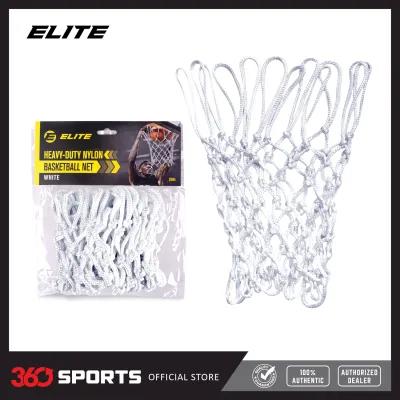
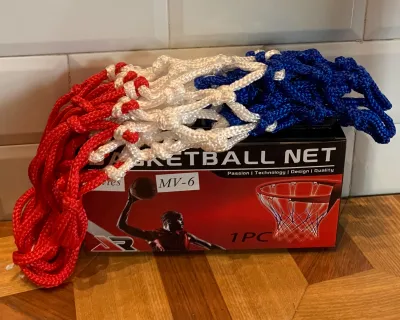
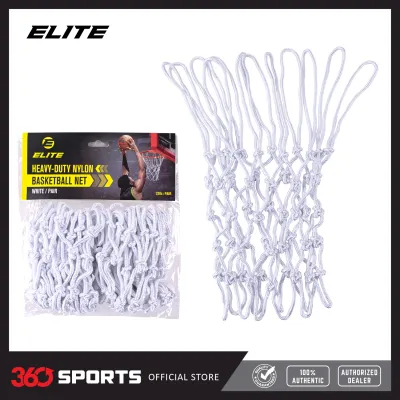
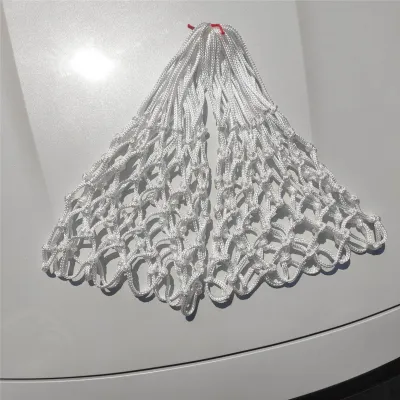
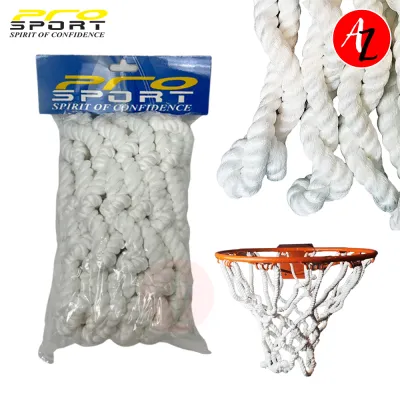
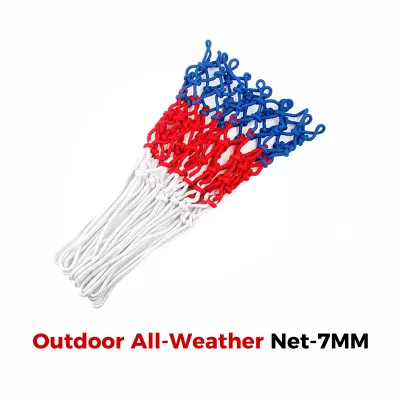
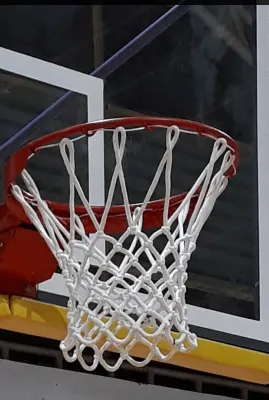
Prices are valid at publication and may change. Please refer to the product page for the latest price.
Fiber Types: Polyester vs. Nylon
Nylon and polyester are the two most common materials used for basketball nets, but they offer different performance characteristics. Nylon is highly elastic and boasts excellent tensile strength, making it great for absorbing the impact of a fast-moving basketball. However, standard nylon absorbs water easily, which can cause the net to sag, become heavy when wet, and rot over time if not treated.
Polyester, on the other hand, absorbs very little moisture and naturally resists stretching. It retains its shape much better in humid conditions and offers superior inherent resistance to ultraviolet (UV) radiation compared to untreated nylon. For outdoor courts in tropical climates, a high-grade polyester net or a specially treated nylon net is generally the more durable choice.
Thread Thickness and Braiding Techniques
Thread thickness is typically measured by ply count or denier, indicating how many individual strands are twisted or braided together. Standard nets often use a lower ply count, which quickly frays under constant friction. Heavy-duty nets generally feature a higher ply count, which significantly increases abrasion resistance.
Beyond thickness, the construction method matters. Braided cords are highly recommended over simple twisted cords because they distribute tension more evenly across the net. Braiding prevents the individual strands from unraveling when a single thread is nicked or damaged by the rim or the ball.
Rim Attachment Hardware
The point where the net connects to the rim is a common failure zone. Standard nets rely on thin loops that rub directly against the metal hooks of the rim, leading to rapid friction wear. Heavy-duty designs often feature reinforced, double-stitched loops or integrated metal S-hooks.
When evaluating attachment hardware, look for rust-resistant materials such as galvanized steel or stainless steel. Untreated metal loops or low-grade plastic attachments will quickly corrode in humid environments, causing the net to detach long before the fabric itself wears out.
Matching Your Budget to Court Exposure and Usage
Your playing environment and budget should dictate which specifications you prioritize. Investing in premium weatherproofing is essential for some setups, while others can get by with simpler, more affordable designs.

Tropical Weather Factors
In the Philippines, outdoor basketball courts face extreme weather cycles, shifting from intense midday sun to heavy monsoon rains. Ultraviolet rays break down the chemical bonds in untreated plastics and synthetics, making them brittle and prone to snapping. High humidity also creates a breeding ground for mold and mildew, which can degrade organic or low-quality synthetic fibers.
If your hoop is fully exposed to the elements, prioritizing UV-resistant coatings and moisture-repellent treatments is non-negotiable. For indoor or covered courts, you can redirect your budget away from expensive weatherproofing and focus instead on pure thickness and impact resistance.
Court Setting and Traffic Levels
A hoop on a quiet residential driveway does not experience the same wear and tear as a public barangay court. Casual home use allows for mid-range nets that offer decent durability without the premium cost of commercial-grade materials. On these courts, a standard heavy-duty braided nylon net will often last for several seasons with minimal care.
Conversely, high-traffic public courts host near-constant play, often with aggressive play styles. These environments demand maximum ply thickness and reinforced attachment points. On public courts, choosing a cheaper net to save money upfront usually results in frequent replacements, making it more expensive in the long run.
Balancing Cost and Lifespan
When establishing your budget, consider the long-term cost-to-lifespan ratio rather than just the initial purchase price. A budget-friendly net might seem appealing, but if it needs replacement every few months, the cumulative cost and hassle quickly add up.
Allocating a slightly higher budget for a mid-range or premium net with verified weatherproofing can save you money over time. For those on a strict budget, look for nets that offer a high ply count even if they lack advanced UV coatings, and plan to perform regular maintenance to extend their life.
The Pre-Purchase Verification Checklist
Before finalizing your purchase on any online marketplace or at a local sporting goods store, use this checklist to verify the product’s specifications.
- Confirm UV and Weather Treatments: Look for explicit manufacturer claims regarding UV stabilizers or weather-resistant coatings. Avoid products that simply state "heavy-duty" without explaining how they protect against sun and rain.
- Verify the 12-Loop Configuration: Standard basketball rims require a 12-loop net. Ensure the product description explicitly states a 12-loop design to guarantee compatibility with standard 18-inch rims.
- Check Net Depth and Mesh Dimensions: A standard regulation net should measure between 18 and 21 inches in length. This depth ensures proper ball deceleration, preventing the net from whipping up over the rim (anti-whip) and keeping the ball from getting stuck.
- Examine Loop Reinforcement: Look closely at product images to verify that the top loops are reinforced or double-braided, as this area experiences the highest friction against the rim hooks.
- Review Seller Policies: Check the seller's return policy and warranty conditions. Reliable sporting goods brands often offer limited guarantees against premature tearing or manufacturing defects.
Durability Traps and Misleading Marketing Claims
Navigating product descriptions can be challenging, as many low-quality products use misleading terminology to attract buyers.
The Danger of Untreated Synthetics
Many cheap nets are marketed as “heavy-duty nylon” but lack any UV inhibitors or moisture-resistant treatments. Under the intense tropical sun, these untreated nets can degrade in a matter of weeks, turning yellow, becoming stiff, and eventually powdering or snapping under the impact of a standard basketball.
Always look for specific details about the material treatment. If a listing does not mention UV protection or weatherproofing, assume it is designed primarily for indoor use or mild climates.
The Steel Chain Net Compromise
Steel chain nets are often marketed as the ultimate indestructible solution for outdoor courts. While they do resist weather damage, they come with significant drawbacks that make them unsuitable for many players.
Chain nets can easily chip the paint on your rim, leading to rust on the metal structure. They also cause rapid wear on leather and composite basketballs, scuffing the surface and shortening the ball’s lifespan. Most importantly, chain nets pose a serious safety hazard; fingers can easily get caught in the metal links during dunks or layups, leading to severe injuries. For safety and equipment protection, heavy-duty fabric nets are generally preferred over steel chains.
Cheap Hardware and False Economy
Another common trap is purchasing a high-quality net that comes bundled with low-grade attachment hardware. Thin, untreated metal S-hooks or flimsy plastic ties will rust or snap quickly, rendering the durable net useless until you buy replacement hardware.
Be skeptical of extremely low-priced bundles on ecommerce platforms. If the price seems too good to be true, the manufacturer has likely cut corners on the raw material quality, thread density, or attachment components.
Maintenance Rules to Extend Your Net's Lifespan
Even the most durable heavy-duty net requires basic care to maximize its lifespan in a tropical environment.
Regular Inspections and Cleaning
Perform a quick visual inspection of your net every few weeks. Look for early signs of fraying, loose threads, or slipping knots, especially around the rim hooks. Catching these issues early allows you to secure loose ends before the entire net unravels.
Dust, dirt, and grit can act like sandpaper, grinding down the synthetic fibers when the ball passes through the net. Periodically wash the net with mild soap and lukewarm water to remove abrasive debris. Avoid using harsh chemical cleaners or bleach, as these substances can break down the protective UV coatings and weaken the synthetic fibers.
Seasonal and Weather-Based Removal
If you use an outdoor hoop that is easily accessible, consider removing the net during extreme weather events. Severe tropical storms and typhoons bring high winds and heavy debris that can easily snag and tear even the strongest nets.
For seasonal courts or hoops that will not be used for an extended period, taking the net down and storing it in a cool, dry place is a simple way to preserve its structural integrity. This small effort prevents unnecessary exposure to the sun and rain, ensuring your net is ready for play when the dry season returns.
Community discussion
Share your experience or ask a question. Comments are reviewed before publication.