
Storing a heavy electric bicycle (e-bike) or a robust, full-suspension mountain bike (MTB) requires a storage solution that goes far beyond standard utility hooks. With e-bikes frequently weighing between 20 kg and 35 kg due to their integrated motors and batteries, and modern mountain bikes carrying heavy-duty frames, standard hangers can easily bend or pull free from the wall. To safely elevate these heavy machines, you must match the hanger’s physical design to your specific wall structure, verify the load capacity of both the hardware and the mounting surface, and ensure the hook geometry accommodates wide tires and complex frame shapes.
In the Philippines, where residential walls are commonly built from concrete, concrete hollow blocks (CHB), or light drywall partitions, choosing the correct anchor and hanger style is critical to prevent catastrophic falls. This guide breaks down the structural requirements, hanger types, and installation safety checks needed to keep your high-value ride secure.
Understanding Weight Limits and Mounting Requirements
Before purchasing any storage hardware, you must establish the baseline load requirements of your specific bicycle. While standard road bikes weigh under 10 kg, e-bikes and heavy mountain bikes operate in a different class. Mid-drive and hub-motor e-bikes regularly weigh between 20 kg and 35 kg, while full-suspension mountain bikes built for enduro or downhill riding typically weigh between 15 kg and 22 kg. These figures represent static weight, which is only one part of the structural equation.
Products mentioned in this guide
1,074 Lazada user ratings
kulang kulang ang spacer, mahalaga pa naman yun, bumili pa ako bago ko ikabit, hayz,,,paki check muna bago mag deliver, complete ang bayad p…Read full reviewShow less
kulang kulang ang spacer, mahalaga pa naman yun, bumili pa ako bago ko ikabit, hayz,,,paki check muna bago mag deliver, complete ang bayad pag deliver kulang
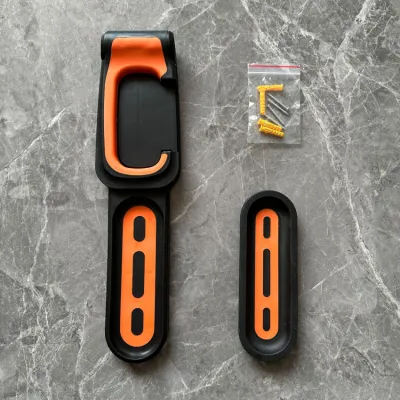
Strong expansion screws for added stability., Perfect for displaying your bike., Easy to install and use.,
perfect. more than 5stars si seller . mabait at maganda yun item. thank seller and lazada. god bless all
Quality: ok Appearance: ok Performance: Mllaman pag nilagay na yung bike Sana matibay at kayang magtagal
maganda maayos matibay at mabilis salamat seller🥰❤️👏
5 Lazada user ratings
quality wise, i think it can lift my mountain bike through by hanging to the wall and its very easy to install
NICE...STURDY AND MGNDA XIA....MALAKI DIN PO....COMPLETE NMAN PO XIA....THANK YOU MUCH PO....
mali un color na pinadala
Prices are valid at publication and may change. Please refer to the product page for the latest price.
You must understand the critical difference between a hanger’s rated weight capacity and the structural limits of the wall or ceiling. A product label may claim a load capacity of 50 kg, but this rating only applies to the metal hanger itself under ideal testing conditions. If that hanger is mounted to weak drywall or poorly secured wooden studs, the entire assembly can fail long before reaching that weight limit. When you lift a heavy bike onto a hanger, you introduce dynamic forces that temporarily exceed the static weight, placing sudden stress on the mounting points.
To handle these forces, your mounting hardware must be precisely matched to your specific building materials. Standard plastic wall plugs are rarely sufficient for securing heavy loads. Solid concrete walls require heavy-duty steel expansion bolts or specialized masonry screws. Hollow concrete blocks, which are common in Philippine residential construction, require sleeve anchors or toggle bolts that expand inside the block’s hollow core to distribute the weight. Wood studs require heavy-duty lag screws driven directly into the center of the timber frame.
Types of Heavy Duty Bike Hangers for Heavy Bicycles
Selecting the right style of heavy-duty hanger depends heavily on your available storage space, ceiling height, and the structural composition of your walls. There is no single universal design that excels in every environment, so you must evaluate how different configurations fit your specific living arrangements.

In the Philippines, residential layouts vary widely, from compact high-rise condominiums in metropolitan areas to spacious suburban garages and covered outdoor carports. An apartment dweller with strict drilling restrictions will require a completely different storage solution than a homeowner with a dedicated concrete garage. Understanding the primary categories of heavy-duty storage allows you to choose a system that maximizes floor space while keeping your heavy bicycle completely secure.
Wall-Mounted Heavy Duty Hooks and Cradles
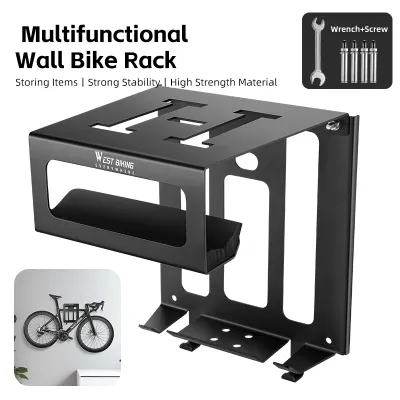
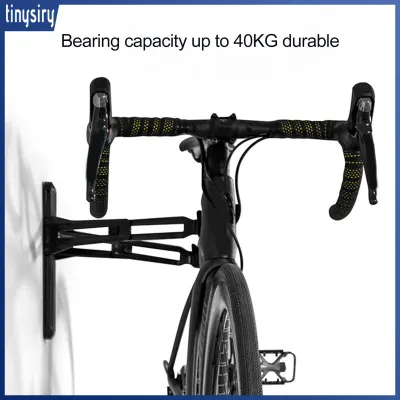
Wall-mounted hooks and cradles are popular solutions for riders with solid concrete or stud-backed walls. These systems typically hold the bicycle either vertically by the front wheel or horizontally along the top tube. For heavy e-bikes and mountain bikes, vertical wall mounts must feature wide backplates that distribute the shear force across a larger surface area of the wall, preventing the hanger from rocking or loosening over time.
Tire-width compatibility is a major consideration when choosing a wall-mounted hook. Modern mountain bikes and e-bikes often feature wide-trail tires ranging from 2.4 inches to 3.0 inches, or even wider for fat-tire models. The hook itself must have a deep, wide clearance to cradle these high-volume tires securely without pinching the rim or forcing the tire to sit at an unstable angle.
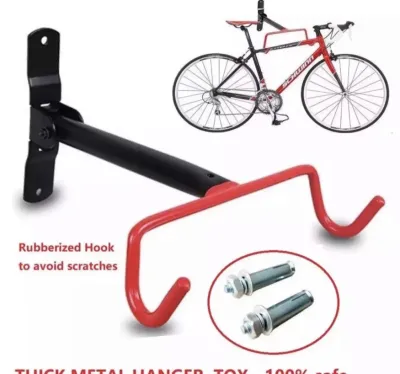
Additionally, you must look for hangers that feature thick, high-quality protective padding on all contact areas. Heavy bicycles exert immense pressure on the small contact points where they rest against the hanger. Without durable rubberized coatings or vulcanized rubber sleeves, the metal hook will quickly scratch, dent, or wear down your expensive alloy or carbon rims, as well as damage the paint or structural integrity of your frame.
Ceiling Hoists and Pulley Systems
For homes with high ceilings, limited wall space, or narrow hallways, ceiling hoists and pulley systems offer an excellent way to utilize overhead space. These systems use a series of ropes and pulleys to lift heavy bicycles off the ground, clearing up valuable floor and wall area.
The primary advantage of a pulley system is mechanical leverage. A hoist with a 2:1 or 4:1 pulley ratio significantly reduces the physical effort required to lift a 25 kg e-bike, making it manageable for a single person to raise and lower the bike without straining. This mechanical assistance is particularly valuable for older riders or those recovering from injuries who still want to enjoy heavy e-bikes.
However, safety is paramount when suspending a heavy object overhead. You must ensure the hoist system includes an automatic, secure locking mechanism that instantly grips the rope if you accidentally lose your grip during lifting. Furthermore, you must carefully measure your vertical and horizontal clearance. Ensure that handlebars, wide pedals, and front-mounted baskets do not snag on overhead beams, light fixtures, or garage doors as the bicycle is raised into its final storage position.
Freestanding Racks and Floor Stands
If you rent your home, live in a condominium with strict drilling bans, or have walls made of weak partition materials that cannot support a heavy dynamic load, freestanding racks and floor stands are the safest alternative. These units require absolutely no drilling or permanent modification to your living space.
Because these stands must support heavy, top-heavy e-bikes without tipping, you must closely examine their footprint and stability bases. A high-quality freestanding rack designed for heavy bicycles will feature a wide, weighted steel base, often with adjustable leveling feet to compensate for uneven tiled or concrete floors. The center of gravity must remain low and centered over the base to prevent the rack from toppling when a bike is loaded or bumped.
While freestanding racks offer unmatched convenience and portability, they do come with a clear space trade-off. Unlike wall or ceiling mounts that lift the bicycle completely out of the way, floor stands occupy physical floor space. You must ensure your storage area has sufficient square footage to accommodate the stand’s base without blocking walkways, doorways, or vehicle parking spaces.
Critical Features to Verify Before Purchase
When shopping for a heavy-duty bike hanger in local retail shops or online marketplaces, you must look past marketing claims and verify the physical and structural attributes of the product. The first indicator of true heavy-duty performance is the steel gauge and overall material thickness. Avoid hangers made from thin, stamped sheet metal or hollow aluminum tubes. Instead, look for solid, high-gauge steel construction with clean, continuous welds. The mounting plate should be thick and rigid, showing no signs of flexing when you apply manual pressure.
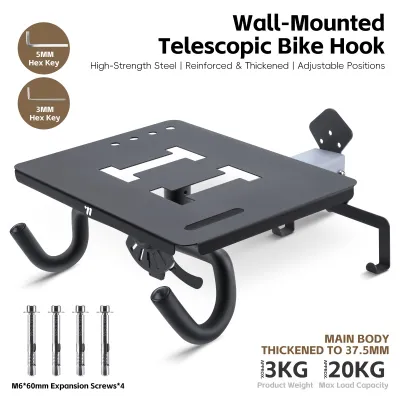
Frame geometry varies wildly among modern e-bikes and full-suspension mountain bikes. Low-step frames, integrated battery compartments, and complex rear suspension linkages mean that standard horizontal hangers may hold the bike at an awkward, unsafe angle. To accommodate these designs, prioritize hangers with adjustable arms or hooks. These allow you to rotate, extend, or tilt the support cradles to match the specific angles of your bike’s frame, ensuring the weight remains perfectly balanced and centered.
The quality of the protective padding is another critical factor that determines long-term usability. Cheap hangers often use thin, low-density foam sleeves that compress completely under the weight of a heavy bike, allowing the metal frame to press directly against the metal hook. Look for hangers equipped with thick, high-density foam, durable vulcanized rubber, or heavy-duty plastic sleeves. These materials resist tearing and maintain their shape under constant, heavy pressure, protecting your bike’s finish over years of use.
Finally, verify the maximum tire width clearance and hook depth. If you plan to hang your bike vertically by the wheel, the hook must be deep enough to wrap completely around both the tire and the rim. A hook that is too shallow or narrow will force the wheel to sit on the very tip of the hanger, creating a highly unstable setup that can easily slip off if the bike is bumped. Measure your tire width at its widest point before purchasing to ensure a perfect fit.
Installation Safety and Structural Verification
The safety of your heavy-duty bike hanger depends almost entirely on the quality of the installation. Before you begin drilling, you must accurately identify the material of your mounting surface and select the appropriate anchor type. In the Philippines, residential walls present unique challenges that require careful preparation.
For solid concrete walls, which are highly durable and ideal for heavy loads, you should use steel expansion bolts (often called dynabolts) or high-quality nylon wall plugs paired with heavy-duty lag screws. If your wall is constructed from concrete hollow blocks (CHB), standard plastic plugs are highly prone to pulling out because the block’s interior is mostly empty space. For CHB walls, you must use sleeve anchors or heavy-duty toggle bolts that expand securely inside the hollow cavity, gripping the inner concrete wall. If you are mounting to wooden studs behind drywall, you must use a stud finder to locate the exact center of the stud and drive heavy-duty wood screws directly into the timber; never rely on drywall anchors alone to hold a heavy e-bike.
Before applying any load to your newly installed hanger, you must thoroughly check the structural integrity of the mounting surface. Inspect the wall for any signs of moisture damage, water stains, or crumbling plaster, which are common issues in tropical climates and can severely compromise the strength of concrete and wood. If the plaster crumbles easily when you touch it, or if the concrete feels soft and powdery, the wall is not safe for supporting heavy dynamic loads.
Once the hanger is mounted, perform a progressive load test. Begin by applying partial weight, pulling down gently on the hanger while watching for any movement, flexing, or cracking sounds. If you observe any red flags—such as the mounting plate bending away from the wall, the anchors pulling outward even slightly, or the surrounding concrete cracking—stop immediately. Remove the load and do not attempt to hang your bicycle.
If you are unsure of your wall’s composition, cannot locate solid studs, or suspect the structural integrity of your masonry is compromised, do not risk your safety or your expensive equipment. Stop the installation and consult a qualified local contractor or structural professional. They can assess your walls, recommend the correct industrial-grade fasteners, and ensure the installation is structurally sound to handle heavy, dynamic loads safely.
Frequently Asked Questions (FAQ)
Can I hang an e-bike by its wheels without damaging the rims?
Yes, you can safely hang most e-bikes by their wheels, provided you use a high-quality hanger with a wide, padded hook that distributes the weight evenly across the rim. Modern bicycle rims and spokes are engineered to handle immense dynamic forces during riding, so holding the static weight of the bike is well within their structural limits. However, you must avoid narrow, unpadded metal hooks that concentrate all the weight on a single point, which can scratch the rim or damage the valve stem. Always check your bicycle manufacturer’s guidelines, as some hydraulic disc brakes or suspension forks should not be stored upside down or vertically for extended periods without specific maintenance steps.
Do I need to remove the battery before hanging my e-bike?
While it is not strictly mandatory for every hanger, removing the battery before hanging your e-bike is highly recommended. E-bike batteries are heavy, typically accounting for 3 kg to 5 kg of the bike’s total weight. Removing the battery significantly reduces the static load on both the hanger and your wall structure, lowering the risk of anchor failure. Additionally, removing the battery allows you to store and charge it in a temperature-controlled, dry indoor environment, protecting the sensitive lithium-ion cells from the high humidity and extreme heat often experienced in the Philippines, which can degrade battery life over time.

Community discussion
Share your experience or ask a question. Comments are reviewed before publication.