
To ensure safety during vertical activities, a heavy-duty climbing hook—typically a locking carabiner—should have a major axis load rating of at least 20 kilonewtons (kN) and carry recognized safety certifications like CE or UIAA. The ideal material depends on your application: lightweight aluminum alloys are standard for personal climbing gear carried on a harness, while robust steel is preferred for permanent anchors and rigging systems. Selecting the right specifications requires looking past marketing labels to verify the stamped ratings, material composition, and locking mechanism suited to your environment.
Decoding Load Ratings and Strength Markings
Understanding the strength markings stamped onto climbing hardware is critical for ensuring it can handle the forces generated during a fall. These values are measured in kilonewtons (kN), where 1 kN represents approximately 100 kilograms of static force. When inspecting the spine of a climbing hook, you will find three distinct ratings: the major axis, the minor axis, and the open-gate strength. The major axis rating indicates the hook’s strength when loaded end-to-end with the gate closed and locked, which should be at least 20 kN for personal safety. The minor axis and open-gate ratings represent weaker orientations and are significantly lower, often dropping to 7 kN or 8 kN.
It is also vital to distinguish between Minimum Breaking Strength (MBS) and Working Load Limit (WLL). Climbing gear is rated using MBS, which is the absolute minimum force at which the hardware is engineered to fail under test conditions. In contrast, industrial rigging equipment uses WLL, which incorporates a safety factor for daily lifting operations. Always consult the manufacturer’s official technical documentation to verify these limits.
Products mentioned in this guide
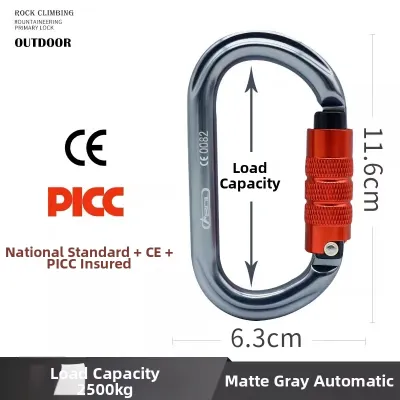
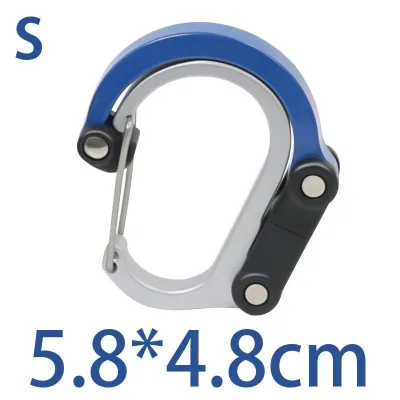
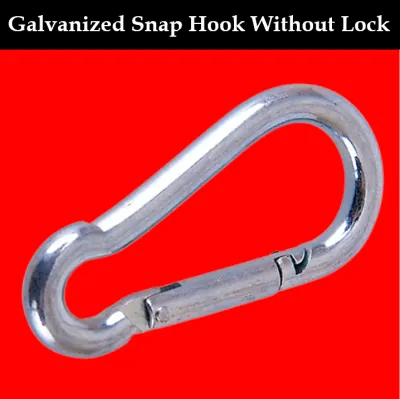
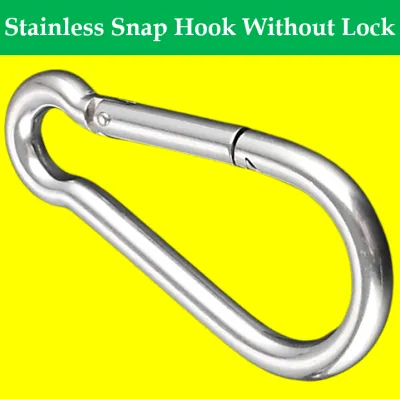
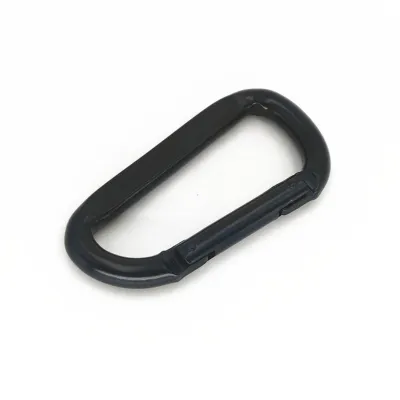
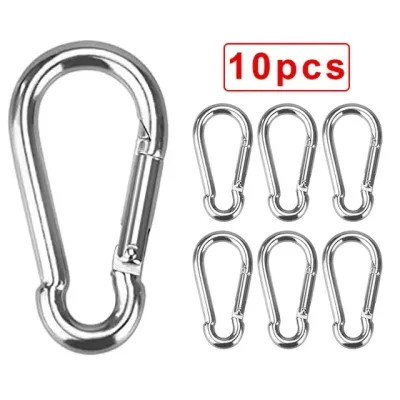
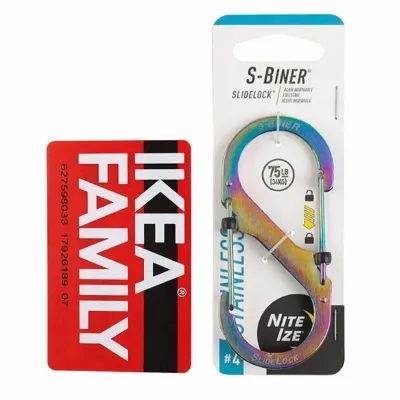
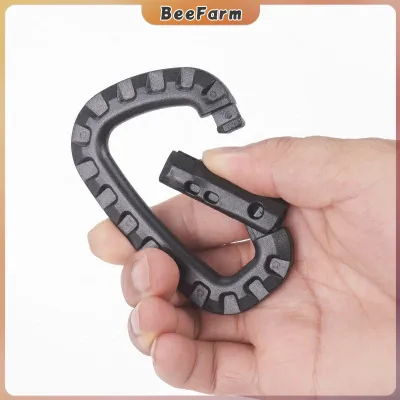
Prices are valid at publication and may change. Please refer to the product page for the latest price.
Choosing the Right Material: Weight vs. Durability
Selecting the right metal alloy involves balancing the weight you must carry against the long-term durability required for your activity. Aluminum alloys, such as 7075 aluminum, are highly favored by active climbers because they are incredibly lightweight, making them ideal for gear carried on a harness. However, aluminum is a softer metal that wears down more quickly under the constant friction of dirty ropes.

Steel hooks, while significantly heavier, offer exceptional resistance to abrasion and wear. This makes them the standard choice for fixed top-rope anchors, heavy hauling systems, and high-friction rigging environments. Environmental factors also play a major role in material degradation. In tropical climates like the Philippines, high humidity and coastal salt air can rapidly accelerate corrosion. While aluminum naturally forms a protective oxide layer, steel hooks require specialized corrosion-resistant coatings, such as hot-dip galvanization or stainless steel construction. Always verify the exact material composition on the product label rather than making assumptions based on color.
Selecting Locking Mechanisms for Secure Connections
Choosing the correct gate type is essential to prevent accidental unclipping in dynamic climbing scenarios. Manual locking mechanisms, such as screwgates, require you to manually thread a sleeve over the gate to lock it. These systems are highly reliable, simple to inspect, and perform well in dirty or muddy environments because they have fewer moving parts that can jam. However, they require discipline to lock every time and can occasionally vibrate open.
Auto-locking gates, such as twist-locks, automatically secure themselves the moment the gate snaps shut, reducing the risk of human error. However, their complex internal springs can be sensitive to environmental contaminants. Fine sand, grit, or heavy tropical downpours can cause the locking sleeve to stick. Before purchasing or using any locking hook, test the gate action thoroughly. Ensure you can operate the locking mechanism smoothly with one hand, even when your hands are sweaty.
Verifying Safety Certifications and Retirement Conditions
When your safety depends on a piece of hardware, verifying its certification is non-negotiable. Legitimate climbing hooks feature standard certification marks stamped directly onto the metal spine. Look for the CE (Conformité Européenne) mark accompanied by a four-digit notary number, or the UIAA (International Climbing and Mountaineering Federation) logo. These markings guarantee that the hardware has undergone rigorous, standardized testing to meet strict safety requirements.
Using unmarked, uncertified, or counterfeit hardware sourced from unverified online marketplaces poses an extreme safety risk. These generic hooks may look identical to certified gear but often lack the internal quality control and metallurgy required to survive dynamic fall forces. In addition to verifying certifications, establish a regular inspection routine. Check the hook for deep grooves worn by ropes, sluggish gate spring tension, cracks, or nose deformation, and retire it immediately according to the manufacturer’s specific guidelines.
Matching Hook Specifications to Your Specific Activity
To choose the right climbing hook, you must match its technical specifications to the specific demands of your activity. For sport climbing or multi-pitch routes where you must carry your gear up the wall, lightweight aluminum locking carabiners are the practical choice. Conversely, for rescue hauling, industrial rigging, or setting up permanent outdoor anchors, the weight penalty of heavy-duty steel hooks is a necessary trade-off for superior durability.
Remember that “heavy duty” is a subjective marketing term rather than a standardized safety rating. When selecting gear, ignore promotional labels and focus entirely on the stamped kN ratings, material specifications, and safety certifications. Finally, keep in mind that high-quality equipment is only one part of the safety equation. No specification or certification can compensate for a lack of proper training, poor rigging techniques, or unsafe climbing practices.
Frequently Asked Questions (FAQ)
Can I use a heavy duty rigging hook for rock climbing?
No, you should never use industrial rigging hooks for rock climbing. Rigging hooks are designed for lifting static loads in industrial settings and lack the specific gate-locking security, dynamic energy absorption compatibility, and UIAA or CE certifications required for personal fall protection. They may also feature open throat designs or simple spring latches that can easily unclip during dynamic climbing movements. For personal safety, only use hardware certified specifically for climbing and mountaineering.
How do I clean and maintain a locking climbing hook?
To maintain smooth gate action, rinse your climbing hook in clean, lukewarm water to wash away salt, sand, or grit. Use a soft-bristled brush, such as an old toothbrush, to gently clean around the gate hinge and locking barrel. Avoid using harsh chemical solvents, degreasers, or acid-based cleaners, as these can strip away protective anodized coatings. Once the hook is completely dry, apply a small drop of manufacturer-approved dry-film lubricant to the hinge and spring, wiping away any excess.
Community discussion
Share your experience or ask a question. Comments are reviewed before publication.