
Indoor fitness has become a cornerstone of maintaining a healthy lifestyle, especially when tropical downpours, intense midday heat, or dense urban traffic make outdoor exercise challenging. Investing in a robust piece of home cardio equipment is a practical way to ensure consistency, but choosing the right machine requires careful evaluation. A heavy duty gym bike, a motorized treadmill, and an indoor rowing machine each offer distinct physiological benefits, space requirements, and mechanical complexities. Understanding how these machines compare across muscle engagement, joint impact, durability, and maintenance is essential for building a sustainable home gym that serves your long-term fitness goals.
Workout Impact: Muscle Engagement and Joint Stress
A heavy duty gym bike provides a highly focused, low-impact cardiovascular workout. Because your body weight is supported by the saddle, the repetitive impact forces associated with running are eliminated. This makes cycling an exceptional choice for individuals recovering from joint injuries, those carrying excess body weight, or anyone looking to build lower-body muscular endurance. The pedaling motion primarily targets the quadriceps, hamstrings, glutes, and calves. By adjusting the resistance, you can shift the focus from pure cardiovascular conditioning to high-resistance strength endurance, simulating steep hill climbs without putting stress on your knees or ankles.
In contrast, a treadmill delivers a high-impact, weight-bearing workout that closely mimics natural human locomotion. Walking, jogging, or running on a treadmill engages the entire lower body while forcing the core muscles to stabilize the torso. The primary advantage of weight-bearing exercise is its ability to stimulate bone density development, which is crucial for long-term skeletal health. However, the repetitive impact of feet striking the deck can place significant stress on the ankles, knees, hips, and lower lumbar spine. Users must carefully evaluate their joint health and look for treadmills with advanced deck cushioning systems designed to absorb shock and minimize joint fatigue.
Products mentioned in this guide
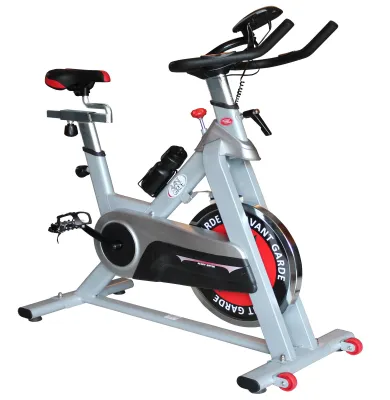
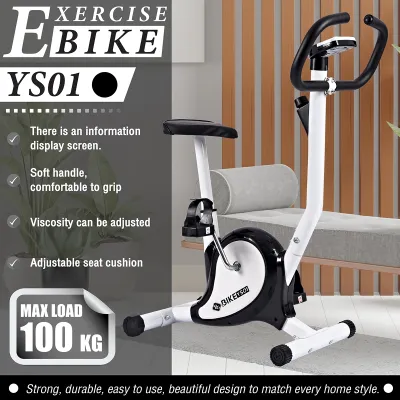
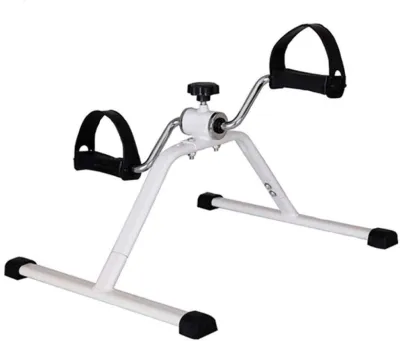
Prices are valid at publication and may change. Please refer to the product page for the latest price.
A rowing machine offers a unique middle ground by providing a low-impact, full-body workout that engages both the upper and lower muscle groups. A proper rowing stroke utilizes approximately 86% of the body’s musculature, distributing the physical workload across the legs, core, back, and arms. This sequence emphasizes posterior chain strength, helping to counteract the rounded-shoulder posture often caused by prolonged sitting. Because the user sits on a sliding seat, there is no vertical impact on the joints, making it an incredibly efficient way to elevate the heart rate while protecting the knees and ankles.
Space, Setup, and Home Gym Footprint
Before purchasing any heavy equipment, measuring your dedicated workout area is critical to ensure safety and usability. A heavy duty gym bike is the most space-efficient option among the three, typically occupying a footprint of about 1.2 meters in length and 0.6 meters in width. Because the user remains seated or standing directly over the frame, you do not need extra overhead clearance beyond your normal standing height. This compact design makes gym bikes highly suitable for small apartments, bedrooms, or tight corners in a shared living space.

Treadmills require a substantially larger physical footprint, often demanding at least 1.8 to 2.2 meters in length and nearly a meter in width. Furthermore, safety guidelines recommend leaving at least 1 to 2 meters of clear space behind the treadmill in case of accidental falls. Ceiling height is another critical factor; you must add the height of the treadmill deck (often 20 to 30 centimeters) and any potential incline settings to the height of the tallest user to ensure they do not strike the ceiling. While many home treadmills feature folding decks that lift vertically when not in use, they remain heavy, bulky structures that require significant physical effort to move.
Rowing machines have the longest footprint of all, frequently stretching between 2.2 and 2.4 meters in length. Although they are narrow (usually around 0.5 to 0.6 meters), they require a long, unobstructed path to allow the seat to slide fully. For compact home gyms, look for rowers that can be stored vertically or separated into two distinct sections. Many air and magnetic rowers are designed to stand upright on their front frame, reducing their storage footprint to less than a square meter. Additionally, consider the noise and vibration generated by these machines; treadmills produce heavy footfall vibrations that easily transfer through floors, while air rowers produce a constant wind whoosh that may disturb others in multi-story homes. Placing a high-density rubber mat under any machine is highly recommended to dampen sound, absorb vibrations, and protect your flooring from sweat and scuffs.
Verifying "Heavy Duty" Build and Durability Claims
The term “heavy duty” is frequently used in marketing, but buyers must look past the labels to verify actual structural integrity. The foundation of any durable fitness machine is its frame construction. Look for frames fabricated from high-tensile, low-gauge steel (such as 11-gauge or 12-gauge steel), which is thicker and more rigid than lighter consumer-grade metals. Inspect the welding points; high-quality machines feature clean, continuous, robotic welds rather than spot welds or sloppy, uneven seams. For rowing machines, verify that the slide rail is made of extruded aluminum or stainless steel to ensure smooth seat travel and long-term resistance to wear.
Another reliable indicator of durability is the manufacturer-stated maximum user weight capacity. A genuine heavy duty machine should easily support a weight capacity of 135 kg to 180 kg. Operating a machine close to its maximum limit can cause frame flex, belt slippage, or premature motor failure. For gym bikes, pay close attention to the flywheel weight; a heavier flywheel (typically between 15 kg and 22 kg) creates greater rotational inertia, resulting in a smoother, more stable pedal stroke. For motorized treadmills, verify the continuous-duty horsepower (CHP) of the motor rather than the peak horsepower; a running treadmill should feature a motor rated at 2.5 CHP or higher to handle sustained high-speed use without overheating.
Finally, analyze the manufacturer’s warranty structure as a measure of their confidence in the product’s longevity. High-quality, heavy duty equipment typically offers a lifetime or 10-year warranty on the structural frame. The warranty for moving parts, wear items (such as belts, cables, and pedals), and electronics should ideally span 2 to 5 years, with at least 1 year of labor coverage. Be cautious of machines that offer a single, short-term warranty covering the entire unit for only 90 days or one year, as this often indicates lower-grade internal components that may fail under frequent or intense use.
Routine Maintenance and Long-Term Upkeep
To protect your investment and ensure safe operation, you must anticipate the routine maintenance required for each machine type. Heavy duty gym bikes are generally the easiest to maintain, especially those utilizing magnetic resistance and a belt drive system. Magnetic resistance systems have no contacting parts, eliminating wear and tear. Friction-resistance bikes, which use felt or leather pads to grip the flywheel, require periodic lubrication with silicone oil and eventual pad replacement. Regardless of the drive type, you must regularly check the pedal threads and crank arms to ensure they remain tightly fastened, as loose pedals can strip the threads and ruin the crank arm.
Treadmills demand the most intensive maintenance routine of the three machines. The running belt must be kept centered and properly tensioned to prevent slipping and uneven wear. Additionally, the space between the running deck and the belt must be lubricated regularly with 100% silicone lubricant (typically every 3 to 6 months, depending on usage) to minimize friction and protect the motor from burning out. You must also periodically vacuum under the motor hood to remove dust, pet hair, and lint that can clog the cooling fan and damage the electrical control board.
Rowing machines require regular attention to the slide rail and the drive mechanism. The aluminum or steel rail must be wiped down daily with a damp cloth to remove dust and sweat, as any debris on the rail will cause the seat rollers to wear down prematurely and create a bumpy, noisy ride. If the rower uses a chain drive, the chain must be cleaned and lubricated with light machine oil periodically to prevent rust and ensure smooth retraction. For strap-driven rowers, inspect the nylon belt regularly for fraying or twisting. In humid tropical environments, sweat can quickly lead to rust on exposed steel components; always wipe down the entire machine with a soft microfiber cloth and a mild, non-abrasive cleaning solution after every workout, avoiding harsh chemicals that can degrade rubber grips or console screens.
Final Decision: Matching the Machine to Your Goals
Selecting the ideal cardio machine comes down to aligning your physical capabilities, space limitations, and fitness objectives. A heavy duty gym bike is the outstanding choice if you have limited floor space, live in an apartment where noise is a concern, or require a low-impact workout that protects your joints. It is highly effective for building lower-body strength, performing high-intensity interval training, and maintaining a consistent cardiovascular routine without a complicated setup.
A treadmill is the preferred option if your primary goal is to maintain natural walking or running mechanics, prepare for outdoor races, or focus on weight-bearing exercise to support bone health. It provides a straightforward, highly customizable workout experience through speed and incline adjustments. However, you must ensure you have a spacious room with high ceilings, a solid floor that can handle impact vibrations, and a budget that accommodates a high-quality motorized unit.
A rowing machine is the ultimate selection if you want to maximize your workout efficiency by engaging the upper and lower body simultaneously. It is highly effective for burning calories, strengthening the posterior chain, and improving posture, all while remaining low-impact on your joints. To succeed with a rower, you must have a long room to accommodate its footprint, the physical mobility to get on and off a low seat, and the willingness to learn and maintain proper rowing technique.
Before finalizing your purchase, verify the physical dimensions of your chosen space, check the weight capacities of all household members who will use the machine, and consult a medical professional if you are managing any chronic joint or spinal conditions. By matching these practical considerations to your personal fitness goals, you can confidently invest in a machine that will support your health journey for years to come.
Frequently Asked Questions (FAQ)
Can I use a heavy duty gym bike for high-intensity interval training (HIIT)?
Yes, heavy duty gym bikes are highly suitable for HIIT. To handle rapid cadence shifts and high-power sprints, verify that the bike features a heavy flywheel or a responsive magnetic resistance system that can be adjusted quickly. Check the manufacturer’s specifications for maximum RPM limits and ensure the pedals are equipped with secure toe cages or SPD clips to maintain stability during out-of-the-saddle efforts.
Do treadmills require special electrical outlets or surge protectors?
Motorized treadmills draw significant power, especially during motor startup and high-speed running. It is highly recommended to plug the treadmill into a dedicated, grounded electrical outlet to prevent tripping household circuit breakers. Consult the specific treadmill’s user manual and a qualified electrician to verify your home’s wiring, and use a high-quality surge protector designed for heavy appliances to protect the sensitive console electronics from power fluctuations.
Is a rowing machine suitable for users with lower back pain?
A rowing machine can be highly beneficial for overall strength, but it requires strict adherence to proper form. If you have active lower back pain or a history of spinal conditions, improper technique or muscle fatigue can worsen your symptoms. Always consult a physical therapist or medical professional before starting a rowing routine, and focus on mastering the leg-drive phase of the stroke to avoid overloading your lower back.

Community discussion
Share your experience or ask a question. Comments are reviewed before publication.