
To support a heavier adult user without compromising durability, a manual treadmill must rely on high-tensile steel frames, robust bearing systems, and a high-capacity running deck or slat system. Unlike motorized treadmills that carry the user on a motor-driven belt, a manual treadmill requires your physical force to turn the belt, making structural integrity paramount. In the Philippine market, where home gym equipment is often imported, finding a machine that truly supports a higher weight capacity—typically 130 kilograms to 180 kilograms—requires moving past generic online retail labels and looking closely at structural engineering.
What Makes a Manual Treadmill Truly "Heavy-Duty"?
When evaluating manual treadmills, the term “heavy-duty” is frequently used as a marketing catchphrase rather than a certified engineering standard. For a manual treadmill, true heavy-duty construction means the machine can withstand high dynamic impact forces without experiencing frame flex, belt slippage, or bearing degradation over time.
When you run or walk on a manual treadmill, your body mass directly drives the belt. Unlike a motorized treadmill where an electric motor maintains a constant belt speed regardless of your weight, a manual machine relies entirely on the friction and downward force of your foot strike to initiate and maintain movement. This means a heavier adult exerts significantly more physical stress on the deck, belt, and internal resistance mechanisms.
Products mentioned in this guide
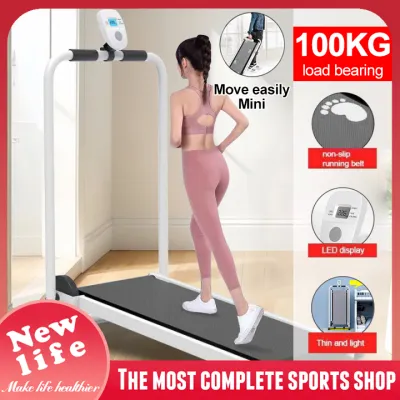
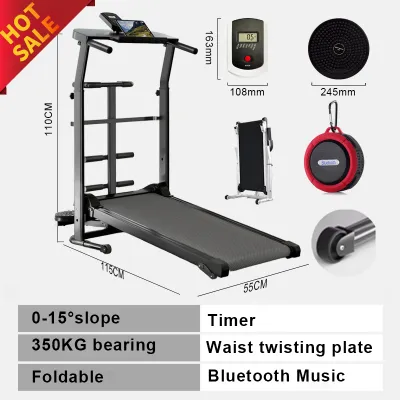
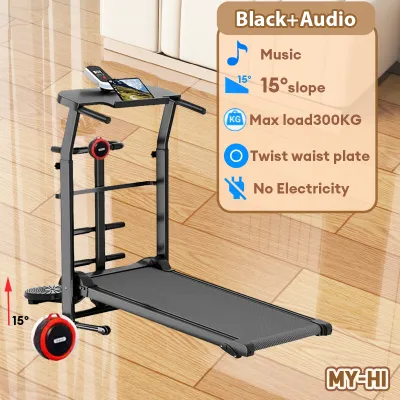
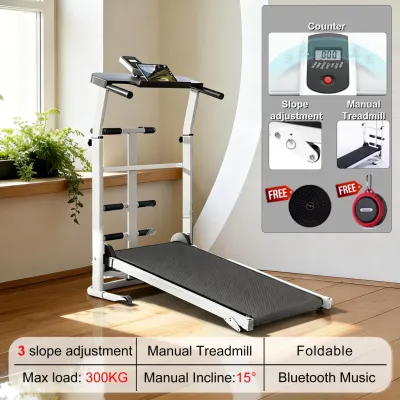
Prices are valid at publication and may change. Please refer to the product page for the latest price.
Every stride creates a peak dynamic load that can be two to three times your static body weight. A 110-kilogram user running at a moderate pace can subject the treadmill to instantaneous downward forces exceeding 300 kilograms. If the frame is made of thin-walled steel or the deck lacks adequate reinforcement, this force will cause the frame to twist, the belt to slip, and the bearings to wear out prematurely. Therefore, you must never rely solely on product titles that include “heavy duty” without thoroughly checking the manufacturer’s official specification sheet for the maximum user weight limit.
Critical Specifications to Check for Weight Capacity
To ensure a manual treadmill can safely support a heavier adult, you must look past the promotional images and verify several technical specifications on the product data sheet.

Frame Material and Gauge The frame serves as the foundation of the treadmill. Look for frames constructed from heavy-gauge steel, specifically 11-gauge or 12-gauge steel tubing. In steel manufacturing, a lower gauge number indicates thicker steel. Thicker steel provides the structural rigidity needed to prevent the machine from wobbling or flexing during intense workouts. Frame flexing not only feels unstable but also causes metal fatigue over time, which can lead to structural failure at the weld points.
Maximum User Weight Rating Always select a manual treadmill with a maximum user weight rating that comfortably exceeds your actual body weight. As a general safety guideline, aim for a weight capacity buffer of at least 20% to 30% above your current weight. If you weigh 120 kilograms, a treadmill rated for exactly 120 kilograms is operating at its absolute limit, which increases the rate of mechanical wear. Opting for a machine rated for 150 kilograms or more ensures a safer workout and a significantly longer product lifespan.
Flywheel Mass (for magnetic models) Magnetic manual treadmills rely on one or more flywheels to create smooth resistance and maintain belt momentum. A light flywheel (under 6 kilograms) will result in a jerky, stop-and-go belt movement under a heavier user, as the belt will struggle to slide smoothly during the transition between your left and right foot strikes. A heavier flywheel, ideally weighing between 8 and 12 kilograms, stores more kinetic energy, smoothing out the stride and providing a more consistent resistance profile.
Belt Width and Deck Construction A narrow running surface can compromise your balance and restrict your natural stride. For heavier adults, look for a belt width of at least 48 to 55 centimeters. Additionally, verify the construction of the deck underneath the belt. The deck should be made of high-density fiberboard (HDF) or reinforced composite materials, and it must be supported by steel crossbeams underneath to prevent the deck from bowing or cracking under high-impact foot strikes.
Bearings and Rollers The rollers that guide the running belt must be equipped with sealed, high-quality steel ball bearings. Unsealed or plastic bearings will quickly deform, overheat, or seize up under the combined stress of a heavy user and high belt tension. Sealed bearings keep out sweat, dust, and debris, ensuring the rollers turn smoothly and reducing the risk of sudden belt lockups.
Which Manual Treadmill Design Suits Heavier Adults?
Manual treadmills generally fall into two categories, each with distinct structural characteristics, weight capacities, and price points. Understanding these designs will help you choose the right machine for your home gym.
Curved Non-Motorized Treadmills
Curved manual treadmills have become highly popular in commercial gyms and premium home setups due to their unique ergonomics and exceptional durability. These machines do not use a traditional flat belt running over a wooden deck; instead, they feature a curved running surface made of individual, rubberized slats connected by a heavy-duty chain or belt system.
The belt is driven by the user’s foot strike on the downward slope of the curve. This design offers significant weight distribution benefits. The individual slats, often reinforced with steel or high-strength composites, act as independent shock absorbers. When your foot strikes the curved surface, the impact is distributed across multiple slats and the underlying bearing tracks, reducing the localized stress on your joints and the machine’s frame.
Because they are built for high-performance training, curved treadmills are constructed with incredibly robust central rails and heavy-duty side frames. Most reputable curved models feature weight capacities ranging from 150 kilograms to over 200 kilograms. When shopping, always verify the weight limit specifically for the slat belt mechanism, as the slats themselves must be rated to handle the dynamic impact of your stride.
The primary trade-offs of curved treadmills are their cost and physical footprint. In the Philippines, high-quality curved manual treadmills typically range from ₱40,000 to over ₱150,000. They are also exceptionally heavy, often weighing between 80 and 130 kilograms, and they do not fold, requiring a dedicated, permanent space in your home.
Heavy-Duty Flat-Belt Magnetic Treadmills
Flat-belt manual treadmills are a more traditional and budget-friendly option. These machines feature a flat running deck and a continuous belt, with speed and resistance controlled by a magnetic brake system adjusted via a manual dial.
When assessing flat-belt models for heavier users, durability is closely tied to the frame design. You should look for models that feature a solid, non-folding deck. While folding treadmills are convenient for small spaces, the hinges, locking pins, and folding joints are common failure points under high dynamic loads. A fixed-frame model distributes the impact forces evenly across the entire base of the machine, preventing localized stress fractures.
The incline mechanism is another critical point of evaluation. Many budget manual treadmills require a steep, fixed incline to help the user get the belt moving. If the incline is adjustable, ensure it uses heavy-duty steel pins or a solid manual lock rather than cheap plastic selectors. Fixed-incline models are generally more structurally sound because they eliminate moving parts that can shear or slip under heavy loads.
While flat-belt magnetic models are more compact and typically cost between ₱8,000 and ₱25,000, they usually have lower weight capacities, often topping out at 110 to 120 kilograms. Heavier adults must carefully verify the deck’s load-bearing limits and avoid running on these machines if they are close to the maximum rated capacity, as flat decks do not absorb shock as effectively as curved slat systems.
Home Gym Setup: Flooring and Space for Heavy-Duty Use
Setting up a heavy-duty manual treadmill in a Philippine home requires careful planning to protect your property, ensure safety, and maintain the equipment in a tropical climate.
Floor Protection A heavy treadmill combined with a heavier adult user creates significant point-load pressure. In many Philippine homes and condominiums, floors are finished with ceramic tiles, polished concrete, or laminate vinyl planks. Placing a heavy machine directly on these surfaces can crack tiles, dent vinyl, or cause excessive structural vibration that travels through the floor. To prevent this, place a high-density rubber gym mat (at least 15mm to 20mm thick) under the treadmill. This mat will distribute the weight, protect your flooring, and dampen the noise generated by your workouts.
Space and Clearance Heavy-duty manual treadmills are wider and longer than standard budget models. Before purchasing, measure your available floor space carefully. It is crucial to leave adequate clearance around the machine, particularly behind it. Unlike motorized treadmills, which have safety keys that stop the motor instantly if you fall, a manual treadmill’s belt will continue to move as long as your body weight is driving it. Leave at least 1.5 meters of clear space behind the treadmill to ensure you can safely dismount or fall backward without hitting walls, glass windows, or furniture.
Climate Considerations The humid tropical climate of the Philippines presents a unique challenge for fitness equipment. High relative humidity accelerates the oxidation of steel components. Furthermore, sweat contains corrosive salts that can quickly ruin paint and rust the underlying metal frame. When choosing a treadmill, verify that the steel frame features a rust-resistant powder-coated finish. To protect your investment, establish a strict maintenance routine: wipe down the entire machine with a dry microfiber cloth after every workout, keep the room well-ventilated, and consider using a dehumidifier or a standing fan to reduce moisture buildup around the machine.
How to Verify Durability Claims Before You Buy
Buying heavy fitness equipment online can be risky if you cannot test the machine in person. You can protect your investment by performing a few verification steps before completing your purchase.
Warranty Coverage A manufacturer’s warranty is a direct reflection of their confidence in the product’s durability. Look for brands that offer a multi-year warranty on the frame (ideally 3 to 5 years) and at least 1 year on moving parts and wear items. Be cautious of sellers offering only a standard 7-day replacement window or a brief 1-month warranty, as these short periods are common for low-quality, light-duty machines that are not built to last.
Review Analysis When browsing online marketplaces, do not rely solely on the overall star rating. Filter the reviews to read feedback from users who explicitly mention their weight or height. Look for specific comments regarding frame stability, belt slippage, deck flexing, or unusual squeaking noises after several months of use. Reviews that include videos of the machine in action are particularly helpful for assessing whether the frame wobbles under a heavier user’s stride.
Return Policies Returning a treadmill that weighs 80 to 100 kilograms is logistically difficult and highly expensive. Before buying, read the seller’s return policy carefully. Verify who covers the return shipping costs if the machine is defective or fails to meet your stability expectations upon assembly. Choosing a seller with a local warehouse or an established service center in the Philippines can save you significant hassle and expense if you ever need replacement parts or technical support.
Frequently Asked Questions (FAQ)
Do I need to lubricate a heavy-duty manual treadmill belt more often?
Yes. Heavier users create more friction between the running belt and the deck, which generates heat and accelerates wear. You should check the lubrication level every month. If the underside of the belt feels dry, apply a high-viscosity 100% silicone lubricant according to the manufacturer’s instructions. Keeping the belt properly lubricated reduces strain on the rollers and bearings.
Can I use a folding manual treadmill if I am a heavier adult?
You should exercise caution when considering a folding manual treadmill. The folding hinges, locking pins, and latch mechanisms are structural weak points that bear a significant portion of the dynamic forces during a workout. If you must use a folding model, strictly verify that the folding mechanism’s weight rating matches the main frame’s rating, and limit your workouts to walking rather than high-impact running.
Is a manual treadmill safe for heavier users with knee issues?
Manual treadmills require more effort to start and maintain belt movement, which can initially increase joint strain on your knees and hips. If you have pre-existing knee issues, a curved slat-belt manual treadmill is highly recommended because its rubberized slats offer superior shock absorption compared to flat-belt models. However, you should always consult a physical therapist or physician before starting a new exercise routine.
Community discussion
Share your experience or ask a question. Comments are reviewed before publication.