
Finding a reliable pull up bars for home heavy duty setup in the Philippines requires looking far beyond flashy online marketplace listings. With the high humidity of a tropical climate and the unique construction of local homes—which frequently feature concrete hollow blocks rather than wooden studs—choosing the wrong equipment can lead to severe structural damage or physical injury. A truly heavy-duty pull-up bar must withstand not just your static body weight, but the intense dynamic forces of active workouts over years of continuous use. To make an investment that keeps you safe and fits your training style, you must carefully evaluate structural materials, mounting compatibility, grip ergonomics, and installation safety.
Core Requirements for Heavy-Duty Home Pull-Up Bars
What exactly qualifies a pull-up bar as “heavy-duty”? Standard consumer bars are often constructed from thin-walled steel tubing designed only for light, static hanging. In contrast, heavy-duty models are engineered to handle intense, dynamic movements such as weighted pull-ups, kipping, or leg raises without bending or shaking. When browsing options, the first specification to verify is the steel gauge. Lower gauge numbers indicate thicker, stronger steel; heavy-duty fitness equipment typically utilizes 11-gauge or 14-gauge steel. Thicker steel prevents the bar from flexing under load, ensuring a stable platform for your training.
Tube diameter and overall frame dimensions also play a critical role in structural integrity. Look for main support frames with a tube diameter of at least 32mm to 50mm. Thicker tubing distributes stress more evenly across the joints and mounting plates, reducing the risk of metal fatigue over time. Additionally, pay close attention to the welding quality. Continuous, clean welds—often referred to as MIG (Metal Inert Gas) or TIG (Tungsten Inert Gas) welds—are essential at all joint connections. Spot welding or uneven, bubbly welds are common failure points that can snap under sudden loads.
Products mentioned in this guide
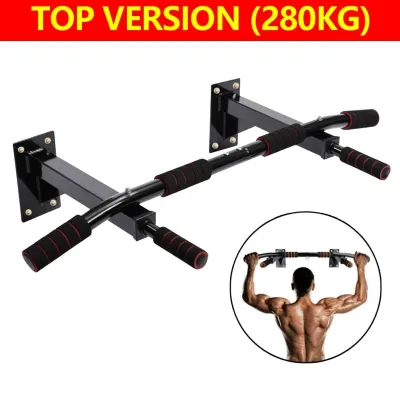
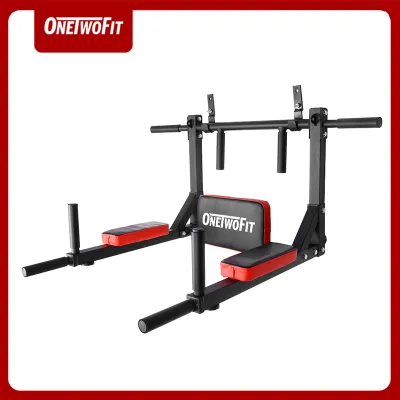
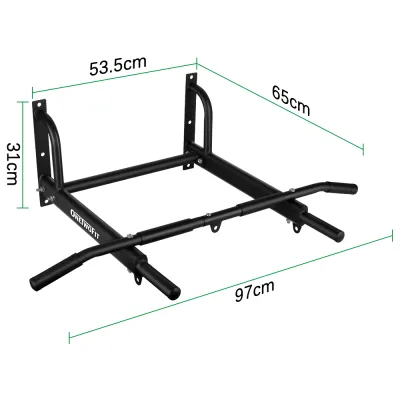
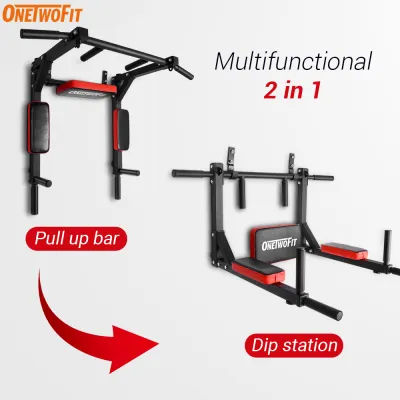

Prices are valid at publication and may change. Please refer to the product page for the latest price.
Understanding the difference between static and dynamic load limits is vital for your safety. A static load limit refers to the maximum weight the bar can hold when completely still. A dynamic load limit accounts for the additional force generated by movement, acceleration, and momentum during an exercise. For example, a user weighing 80 kilograms can easily exert a dynamic force exceeding 150 kilograms during a rapid pull-up or drop. Always look for products that explicitly state their dynamic weight capacity, and aim for a safety margin where the rated capacity is at least double your body weight.
Choosing the Right Mounting Type for Your Space
Your home’s architectural layout dictates which mounting style is safest and most practical. In the Philippines, residential walls are frequently constructed from concrete hollow blocks or solid poured concrete, which offers excellent support if paired with the correct anchors. Wall-mounted and ceiling-mounted pull-up bars are the gold standard for heavy-duty performance. These systems distribute weight directly into structural elements. If you are mounting to a ceiling or a wooden stud wall, you must locate the center of the structural studs or joists; mounting directly into drywall or plaster will result in immediate failure. Ensure you have sufficient overhead clearance—typically at least 30 to 50 centimeters between the bar and the ceiling—to prevent head injuries during peak contraction.

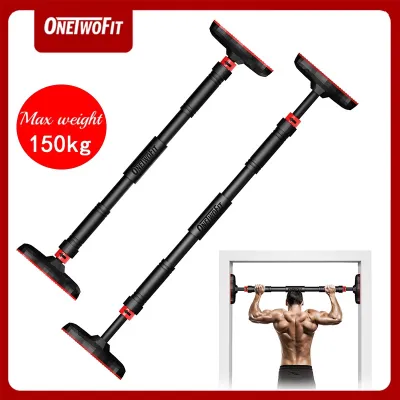
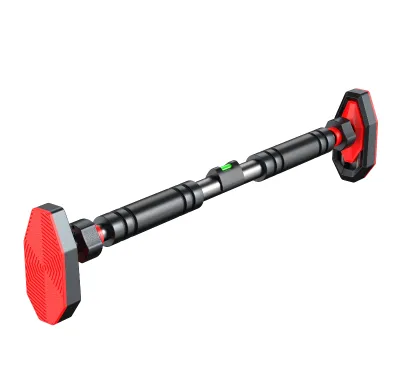
Doorway and leverage-mounted bars offer a non-permanent alternative, but they come with strict limitations. These bars rely on leverage and friction against the door frame trim to stay in place. While convenient, they are rarely suitable for true heavy-duty training or weighted exercises. The door frame must be made of solid, intact hardwood and have secure trim that can bear your weight. In tropical climates, wood rot, termites, or moisture damage can compromise door frames without visible warning. If you choose this route, inspect the frame thoroughly and accept that these bars have much lower dynamic weight limits compared to fixed mounts.
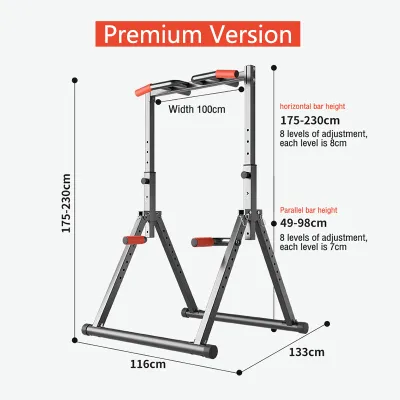
Freestanding pull-up stations, often called power towers, are ideal if you rent your home or want to avoid drilling into concrete walls. These units require a significant floor footprint, so you must measure your dedicated workout space carefully. Look for a wide, H-shaped or U-shaped base design to prevent lateral wobbling. Because these stations are not anchored to a wall, base stability is paramount. Some models feature pre-drilled holes in the feet, allowing you to anchor them directly to the floor for maximum security during high-intensity workouts.
Evaluating Grip Designs and Ergonomics
The design of the bar itself directly impacts your joint health, comfort, and workout variety. Straight bars are the classic choice, offering a uniform surface for standard overhand and underhand grips. However, multi-grip bars feature angled or neutral grip handles that reduce strain on your wrists, elbows, and shoulders. If you have a history of joint discomfort, a multi-grip configuration allows you to rotate your hands inward, placing your joints in a more natural, biomechanically friendly alignment during heavy sets.
Grip texture is another critical factor, especially in the warm, humid climate of the Philippines where sweaty hands can easily slip. Bare steel bars can become incredibly slick without chalk. Foam padding is common on budget models, but it tends to degrade quickly, absorb sweat, and harbor bacteria in humid conditions. For a heavy-duty setup, knurled steel is highly recommended. Knurling consists of cross-hatched patterns cut directly into the metal, providing a high-friction surface that ensures a secure grip even during intense, sweaty sessions. If knurling is too abrasive for your hands, high-quality powder coating offers a balanced compromise, providing a textured matte finish that resists rust and improves grip security.
Finally, consider the bar’s outer diameter. Most standard pull-up bars have a diameter between 25mm and 32mm. A thinner bar is generally easier to hold, allowing you to focus entirely on targeting your back muscles. A thicker bar (38mm to 50mm) challenges your grip strength and forearm muscles much more intensely. For general strength training, a standard 28mm to 32mm diameter is the sweet spot for most users, balancing comfort with a secure hold.
How to Verify Product Claims and Specifications
When shopping on online marketplaces, you will encounter countless listings claiming “heavy-duty” status. To protect your investment and your safety, you must learn to verify these claims independently. Start by looking for downloadable user manuals or detailed product specification sheets. Reliable manufacturers provide clear, technical documentation rather than relying solely on marketing buzzwords. Check the product Q&A sections or customer reviews for real-world feedback regarding the actual thickness of the metal and the quality of the packaging.
Be on high alert for red flags. If a listing claims a weight capacity of 300 kilograms but the product itself only weighs 3 kilograms, the math does not add up. A genuinely heavy-duty wall-mounted bar will have significant physical weight—often 10 kilograms or more—due to the thickness of the steel. Avoid listings that fail to specify the steel gauge, wall thickness, or mounting plate dimensions. Vague phrases like “high-strength material” without concrete specifications usually indicate a lower-quality product.
The quality of the included mounting hardware is just as important as the bar itself. Many budget options ship with low-grade, soft metal screws that can easily shear under load. A true heavy-duty kit should include high-tensile steel lag bolts (for wood studs) or heavy-duty sleeve anchors (for concrete walls). If the included hardware looks flimsy or lacks clear grade markings, plan to purchase high-quality masonry anchors or lag bolts separately from a local hardware store before attempting installation.
Installation Safety and Ongoing Maintenance
Proper installation is the single most critical factor in ensuring your pull-up bar remains safe to use. If you are mounting the bar to a concrete wall—the most common wall type in Philippine homes—you must use a rotary hammer drill and high-quality concrete sleeve anchors. Never attempt to mount a heavy-duty bar directly into drywall, plaster, or thin wooden paneling. If you are mounting to a wooden stud wall, use a reliable stud finder to locate the exact center of the studs; drilling into the edge of a stud can cause the wood to split under load, leading to a catastrophic failure.
Knowing when to stop and call a professional is essential. If you do not own the correct tools, feel unsure about the structural integrity of your chosen wall, or cannot locate solid backing, do not guess. Consulting a local carpenter, mason, or structural contractor is a small price to pay to ensure your workout setup is completely secure. This is especially true if you plan to mount the bar to concrete hollow blocks, which may require specialized toggle bolts or epoxy anchors to handle dynamic loads safely.
Once installed, your safety routine does not end. The tropical humidity in the Philippines accelerates rust and corrosion, which can weaken metal joints over time. Establish a routine maintenance protocol: inspect the mounting bolts and tighten them every few weeks. Check the welds regularly for any signs of hairline cracks or paint chipping, which can indicate metal fatigue. Wipe down the bar after every workout to remove sweat, and apply a light coat of rust-inhibiting spray to any exposed metal surfaces to prolong the lifespan of your equipment.
Frequently Asked Questions (FAQ)
Can I install a heavy-duty pull-up bar on drywall or hollow blocks?
Drywall alone cannot support the dynamic weight of a pull-up bar and will fail immediately. Concrete hollow blocks, which are common in Philippine home construction, can support a pull-up bar only if you use specialized heavy-duty sleeve anchors or chemical epoxy anchors designed for hollow walls. For maximum safety, it is highly recommended to mount the bar directly into solid poured concrete columns, structural concrete beams, or secure wooden studs.
Do I need to add extra weight to a freestanding pull-up station?
Yes, adding extra weight to the base of a freestanding pull-up station is highly recommended if you perform dynamic movements. While these stations are stable for slow, controlled pull-ups, exercises like kipping, muscle-ups, or rapid leg raises can cause the unit to rock or tip. Placing heavy weight plates or sandbags over the base legs lowers the center of gravity, significantly improving stability and preventing sliding.
Are doorway pull-up bars safe for heavy users?
Doorway pull-up bars are generally not recommended for heavy users or high-intensity workouts. They rely entirely on friction and the structural integrity of your door frame trim. Over time, the constant pressure can crack the wood, loosen the frame, or slip entirely. If you must use one, thoroughly inspect the door frame for signs of rot, termites, or loose joints before every single workout, and strictly adhere to the manufacturer’s weight limits.
Community discussion
Share your experience or ask a question. Comments are reviewed before publication.