
Quick Answer: What Defines a Heavy Duty Rescue Rope?
A heavy-duty rescue rope is a specialized, highly engineered tool designed specifically for life-safety operations, high-load hauling, and technical rescue systems. Unlike standard recreational climbing ropes or general-purpose utility cords, a true heavy-duty rescue rope is defined by its robust construction, high load-bearing capacity, and superior resistance to abrasion and environmental wear. It is built to support multiple people or heavy equipment under tension without excessive stretching. However, even the most advanced gear cannot replace professional training, sound judgment, and technical rescue skills. Equipment is only as safe as the hands using it.
Critical Technical Specifications to Verify
To select the right rope, you must look past marketing buzzwords and carefully analyze the technical specifications printed on the manufacturer’s label or technical data sheet.

Diameter and Construction Most heavy-duty rescue ropes utilize a kernmantle construction, which features a high-strength interior core (the kern) protected by a tightly woven outer sheath (the mantle). When inspecting a rope, check the diameter. While thicker ropes generally offer higher breaking strength and better abrasion resistance, they also add significant weight and bulk to your gear bag. You should verify that the diameter matches the specific requirements of your rescue team and your mechanical devices.
Products mentioned in this guide
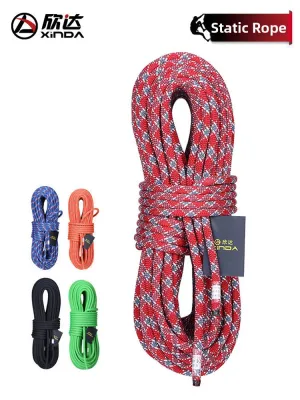
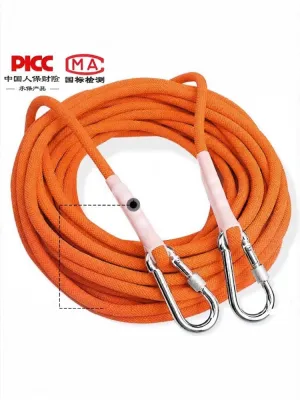
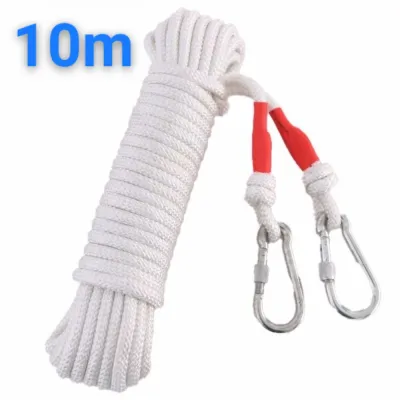
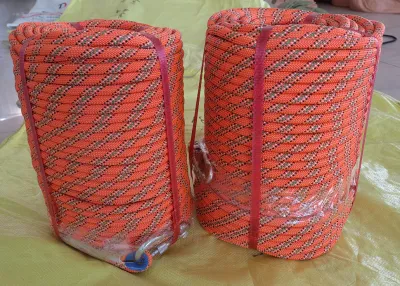

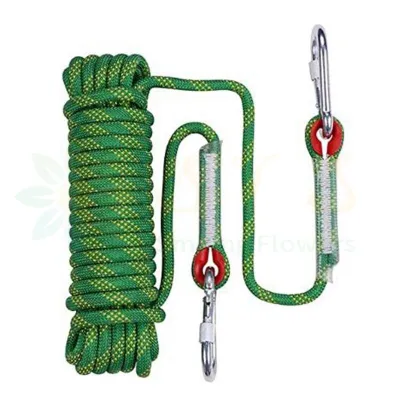
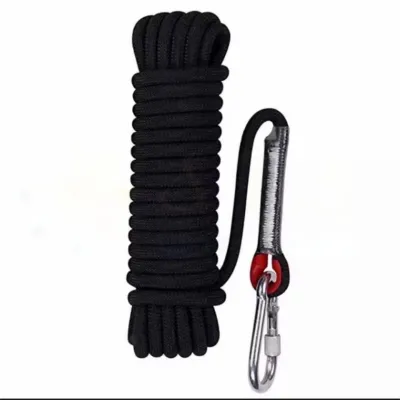
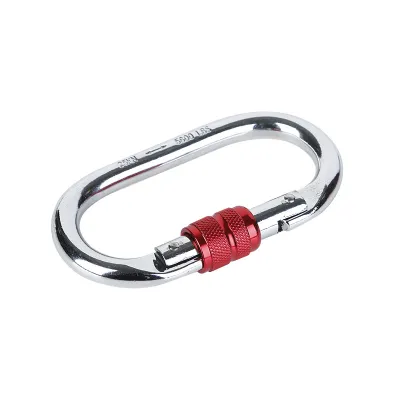
Prices are valid at publication and may change. Please refer to the product page for the latest price.
Material and Sheath Percentage The materials used—typically high-tenacity polyester, nylon, or specialized blends—determine how the rope behaves under load and exposure. The sheath percentage is a critical metric to verify. A higher sheath percentage means a thicker outer protective layer, which directly improves the rope’s resistance to sharp edges, friction, and rough rock surfaces. Look for this specification to ensure the core remains protected during high-friction descents or edge-overs.
Minimum Breaking Strength (MBS) The Minimum Breaking Strength (MBS) is a certified value indicating the force at which the rope is expected to fail under laboratory conditions. You can locate the MBS on the product tag or the manufacturer’s certificate of conformity. When evaluating MBS, remember that knots and sharp bends will significantly reduce this strength in real-world applications. Always choose an MBS that provides an ample safety margin for your expected rescue loads, while balancing the physical weight of the rope.
Elongation and Stretch Rescue operations generally require static or low-stretch ropes rather than dynamic ones. Low-stretch ropes minimize the “bungee” effect when tensioning high-line systems, hauling patients, or ascending. Verify the elongation percentage on the technical sheet; a lower elongation rate ensures precise control and prevents energy loss during mechanical advantage operations, though it means the rope cannot absorb the high impact forces of a lead climbing fall.
Safety Certifications and Standard Marks
In life-safety scenarios, third-party certification is your primary assurance of quality and performance. Never rely on unverified claims or generic “heavy-duty” labels on online marketplaces.
When examining a rescue rope, look for recognized safety certification marks stamped directly on the product label or end-tapes. Common standards include those from the National Fire Protection Association (NFPA) for life safety rope, European Standards (EN), and the Union Internationale des Associations d’Alpinisme (UIAA). These marks indicate that the rope has undergone rigorous testing for breaking strength, elongation, heat resistance, and construction quality.
Always cross-reference the certification marks found on the rope with the manufacturer’s official technical data sheets and declarations of conformity. Reputable manufacturers make these documents readily available for download. If a seller cannot provide official certification paperwork, or if the markings on the rope are missing or vague, the rope should not be trusted for life-safety applications.
Matching the Rope to Your Specific Rescue Scenario
Selecting a heavy-duty rescue rope requires a clear understanding of the environment and the gear configuration you will use.
Environmental Factors In tropical climates like the Philippines, ropes are frequently exposed to intense humidity, heavy rainfall, salt spray in coastal areas, and abrasive volcanic or limestone rock. High humidity can affect rope handling and weight, while wet nylon ropes can lose a portion of their strength. If you operate in wet or marine environments, look for ropes with water-resistant treatments or materials like polyester that retain their strength when wet.
Hardware Compatibility A rope does not work in isolation; it is part of a system. You must verify that the rope’s diameter and stiffness are fully compatible with your descent control devices, pulleys, ascenders, and prusik cords. A rope that is too thick may jam in a pulley or descent device, while a rope that is too thin or slick might slip through a mechanical brake, compromising safety.
Weight and Packability For remote mountain climbing rescues or wilderness search and rescue operations, weight is a critical factor. Carrying hundreds of meters of heavy rope up steep terrain can exhaust a rescue team. In these scenarios, you must balance the need for high breaking strength against the physical weight and packability of the rope, sometimes opting for high-performance materials that offer high strength at a reduced diameter.
Pre-Use Inspection and Retirement Criteria
Even the strongest heavy-duty rescue rope will degrade over time, making regular, systematic inspections a matter of life and death.
Before and after every use, perform a thorough visual and tactile inspection. Run the entire length of the rope through your bare hands, feeling for soft spots, lumps, or flat areas that indicate internal core damage (core shots). Visually inspect the sheath for severe abrasion, cuts, burns, or discoloration from chemical exposure. If you feel a significant change in flexibility or see the white inner core peeking through the sheath, the rope must be retired immediately.
Keep a detailed logbook for every rescue rope in your inventory. Track its purchase date, usage history, exposure to harsh environments, and any high-load events or falls. Ropes have a finite lifespan, even when stored perfectly. If a rope has been subjected to a severe dynamic fall, exposed to acids or strong chemicals, or if its complete history is unknown, destroy it immediately to prevent accidental future use.
Frequently Asked Questions (FAQ)
Can I use a heavy-duty rescue rope for regular rock climbing?
No, you should not use a static or low-stretch rescue rope for lead rock climbing. Lead climbing requires a dynamic rope designed to stretch and absorb the energy of a fall. Using a static rescue rope for lead climbing can result in catastrophic impact forces on your body, your anchor points, and the rope itself, potentially causing severe injury or equipment failure. However, static rescue ropes are highly suitable for top-rope anchoring, hauling gear, or rappelling, where dynamic fall hazards are not present.
How should I store my rescue rope to maintain its rated strength?
To preserve the integrity of your rescue rope, store it in a cool, dry, and dark environment away from direct sunlight, extreme heat, and harmful chemicals. In humid tropical regions, keeping ropes away from damp concrete floors and ensuring adequate ventilation is crucial to prevent mold and mildew. Always store your rope loosely coiled inside a dedicated rope bag. This protects the fibers from dirt, grit, and mechanical abrasion during transport, ensuring it remains clean and ready for deployment.
Community discussion
Share your experience or ask a question. Comments are reviewed before publication.