
What defines a heavy-duty treadmill? While the term is frequently used in fitness marketing, it is not a strictly regulated industry standard. Instead, a heavy-duty machine generally represents a treadmill engineered for higher weight capacities, sustained high-intensity training, and an extended operational lifespan. In the Philippines, where tropical humidity and rain can limit outdoor running, setting up a reliable home gym is a practical solution. However, choosing a machine that can withstand daily stress requires looking past flashy console screens and focusing on the underlying engineering.
To find a true treadmill heavy duty option that suits your household, you must evaluate the structural and mechanical specifications that dictate long-term performance. Specifically, you need to analyze four critical areas: motor power, weight capacity, frame construction, and running deck dimensions. Understanding these technical metrics allows you to make an informed decision based on verifiable engineering rather than marketing claims.
Motor Power: Why Continuous Horsepower (CHP) Matters
The motor is the most critical mechanical component of any treadmill, yet its performance ratings are often misunderstood. Manufacturers typically display two types of horsepower ratings: Continuous Horsepower (CHP) and Peak Horsepower (PHP). Understanding the difference between these two metrics is essential for selecting a machine that will not fail under heavy use.
Products mentioned in this guide
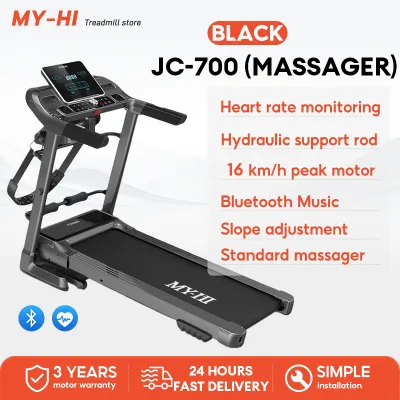
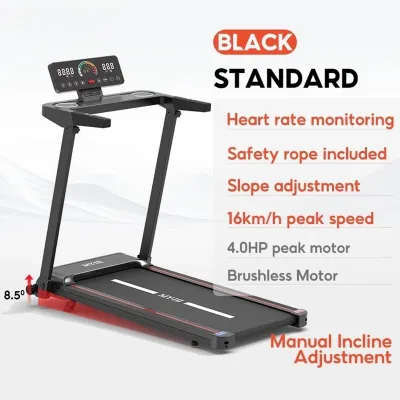
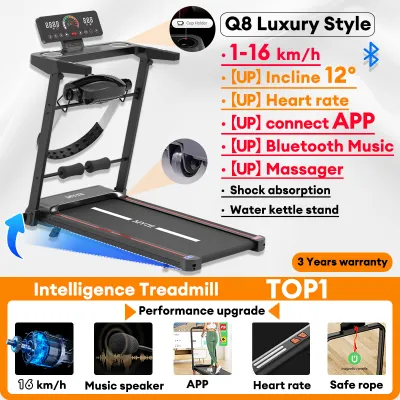
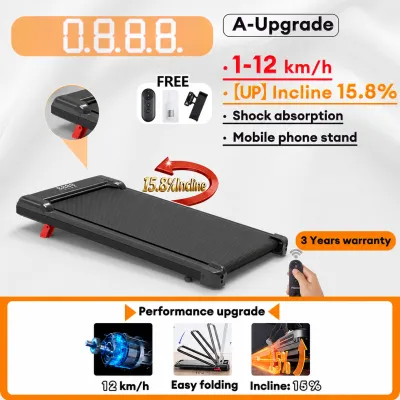
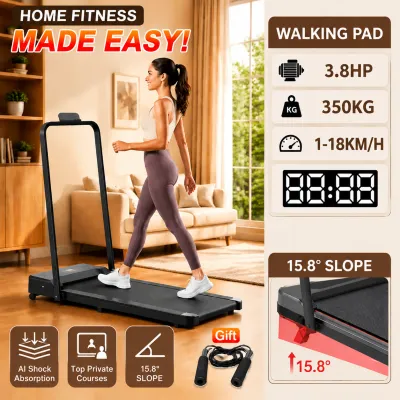
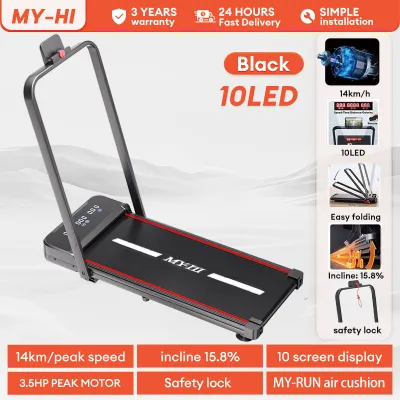
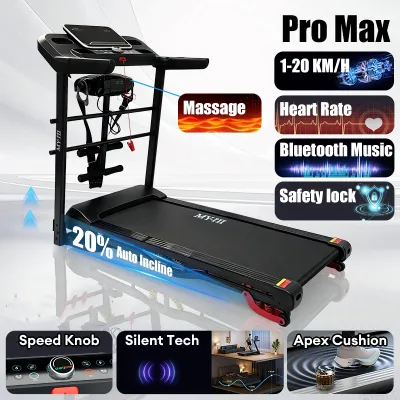

Prices are valid at publication and may change. Please refer to the product page for the latest price.
Continuous Horsepower represents the motor’s ability to maintain a specific power output indefinitely during a workout. In contrast, Peak Horsepower measures only the maximum output a motor can achieve for a very brief, unsustainable burst. If a manufacturer advertises a high peak rating but a low continuous rating, the machine is highly likely to struggle during long runs.
Underpowered motors running under heavy loads are prone to overheating, stalling, and premature electrical failure. This risk is particularly high in warm, humid tropical environments where heat dissipation is naturally less efficient. To protect your investment, always locate the explicit CHP rating on the manufacturer’s technical specification sheet or the motor’s physical label.
Your physical weight, target running speed, and preferred incline settings all increase the mechanical load on the motor. Rather than assuming a single horsepower rating fits every user, check the manufacturer’s recommended guidelines. For household environments with multiple users or individuals planning high-intensity training, a higher CHP rating is a necessary safeguard against motor burnout.
Weight Capacity and Frame Construction
A treadmill’s structural integrity directly influences your safety and the machine’s overall stability. The maximum user weight capacity is a primary indicator of structural strength, but it should never be matched exactly to the heaviest user’s weight.

For optimal safety, select a machine with a maximum weight capacity that exceeds the heaviest intended user’s weight by at least 20 to 30 kilograms. This buffer is crucial because running creates dynamic impact forces that far exceed your static standing weight. A machine operating too close to its limit will flex excessively, leading to accelerated wear on the belt, deck, and motor.
The frame’s materials and assembly methods dictate how well it handles these dynamic forces. True heavy-duty treadmills feature frames constructed from heavy-gauge steel. Look for specifications detailing thick steel tubing, wide upright support diameters, and continuous welded joints. Welded frames are inherently superior to bolt-together designs, as they resist structural warping and the persistent squeaking that often develops over time.
While a heavier overall machine weight often correlates with a more stable frame, verify the actual structural materials rather than relying solely on the shipping weight. Shipping weights include heavy packaging and plastic cosmetic covers that add bulk without adding strength. Finally, check the manufacturer’s warranty on the frame; a lifetime or multi-decade frame warranty is a reliable indicator of structural confidence.
Running Deck Thickness and Belt Dimensions
The running deck and belt form the interface between your body and the machine. A well-engineered deck must absorb impact to protect your joints while resisting structural fatigue.
Deck thickness is a critical specification that is often overlooked. Premium heavy-duty decks typically feature high-density, multi-layered fiberboard with a thickness of 1 inch (approximately 2.5 centimeters) or more. This thickness, combined with an advanced elastomer cushioning system, allows the deck to flex slightly under impact, reducing shock transmission to your knees, hips, and lower back.
The dimensions of the running belt are equally vital for safety and natural biomechanics. Taller runners or those with longer strides require a longer and wider belt to prevent stepping off the side or hitting the motor hood. A cramped running surface forces you to shorten your stride, which can lead to poor running form and joint strain.
When planning your home gym layout, distinguish between the overall machine footprint and the actual running belt dimensions. Large, bulky consoles and wide plastic side rails can make a treadmill look deceptively spacious while offering a restricted running area. Always verify the specific belt width and length in the technical specifications.
Additionally, examine the belt’s material composition. Heavy-duty treadmills utilize multi-ply belts (typically 2-ply or 4-ply) that resist stretching and heat buildup. In humid climates, these multi-layered belts are essential for preventing material degradation and maintaining proper tension over years of continuous use.
Matching Heavy-Duty Specs to Your Workout Routine
Selecting the right treadmill requires matching these technical specifications to your household’s specific fitness goals, physical space, and budget.
For walking or light jogging by a single user, a motor rating of 2.5 to 3.0 CHP and a standard frame are generally sufficient. However, if your routine includes high-intensity interval training (HIIT), sprinting, or if the machine will be shared by multiple family members, prioritize a motor with 3.5 to 4.0 CHP, a 1-inch thick deck, and a spacious belt measuring at least 50 centimeters wide by 150 centimeters long.
Space constraints are a major consideration for home gym setups, particularly in urban condominiums. Heavy-duty treadmills are physically large and often do not fold as compactly as entry-level models. Measure your designated floor space carefully, and do not forget to calculate ceiling clearance. When running on an incline, your head will rise significantly; ensure you have at least 30 to 40 centimeters of clearance above the tallest user’s head at maximum incline.
Electrical compatibility is another crucial factor. High-CHP motors draw substantial electrical current, especially during startup or under high incline loads. To prevent tripping your home’s circuit breakers or damaging the treadmill’s sensitive control board, verify the manufacturer’s electrical requirements. Many heavy-duty models require a dedicated electrical circuit rather than sharing an outlet with other household appliances.
If you need to balance these specifications with a budget, prioritize the core mechanical components—the motor, frame, and deck—over digital extras. Premium heavy-duty models in the market typically range from ₱80,000 to over ₱150,000, so prioritizing mechanical components over digital extras helps you maximize your investment. While large touchscreens and built-in entertainment systems are appealing, they do not contribute to the machine’s physical durability. A basic console paired with a tablet holder allows you to invest your budget where it matters most: in the mechanical longevity of the machine.
Frequently Asked Questions (FAQ)
Do heavy-duty treadmills require special electrical outlets?
Many heavy-duty treadmills with high-CHP motors require specific power configurations to operate safely. Because these motors draw significant electrical current during startup and under heavy incline loads, plugging them into a shared household outlet can trip circuit breakers or damage the treadmill’s internal control board. Always consult the manufacturer’s user manual to verify the exact electrical requirements. In many cases, installing a dedicated circuit is highly recommended to ensure safe, stable operation.
Is a heavier treadmill always a better choice?
While a heavier machine often indicates a robust steel frame and superior stability during intense workouts, weight alone is not a definitive measure of quality. You should verify the specific steel gauge, welding quality, and maximum weight capacity ratings. Some lower-grade manufacturers use heavy, low-quality cast iron components or bulky cosmetic plastics to artificially inflate the machine’s weight, whereas premium models use high-tensile steel and precise engineering to achieve exceptional strength without unnecessary bulk.
Community discussion
Share your experience or ask a question. Comments are reviewed before publication.