
Quick Answer: Which Support Works Best for Your Heel Spur?
Finding the right relief for a calcaneal spur depends heavily on your specific daily activities, footwear, and the exact nature of your discomfort. There is no single option that resolves every type of heel pain, as each product targets a different mechanical aspect of the foot.
If your primary issue is sharp, localized pain when your heel strikes the ground, a heel cup is often the most direct solution for absorbing that immediate impact. For those who experience aching throughout the day due to flat feet, low arches, or structural misalignment, full-length orthotic insoles provide the necessary arch support to distribute your weight evenly. Meanwhile, if you suffer from throbbing, post-activity swelling or need flexible support while walking barefoot around the house, a compression sleeve offers targeted pressure and warmth to manage soft-tissue inflammation.
Before purchasing any support, always check the manufacturer’s sizing charts and product labels to ensure a proper fit. If you experience severe, persistent, or worsening pain, consult a healthcare professional or a podiatrist for a comprehensive evaluation.
Products mentioned in this guide
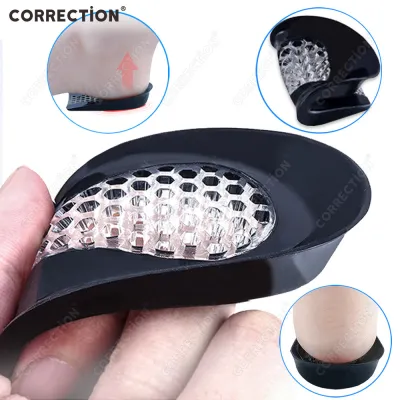
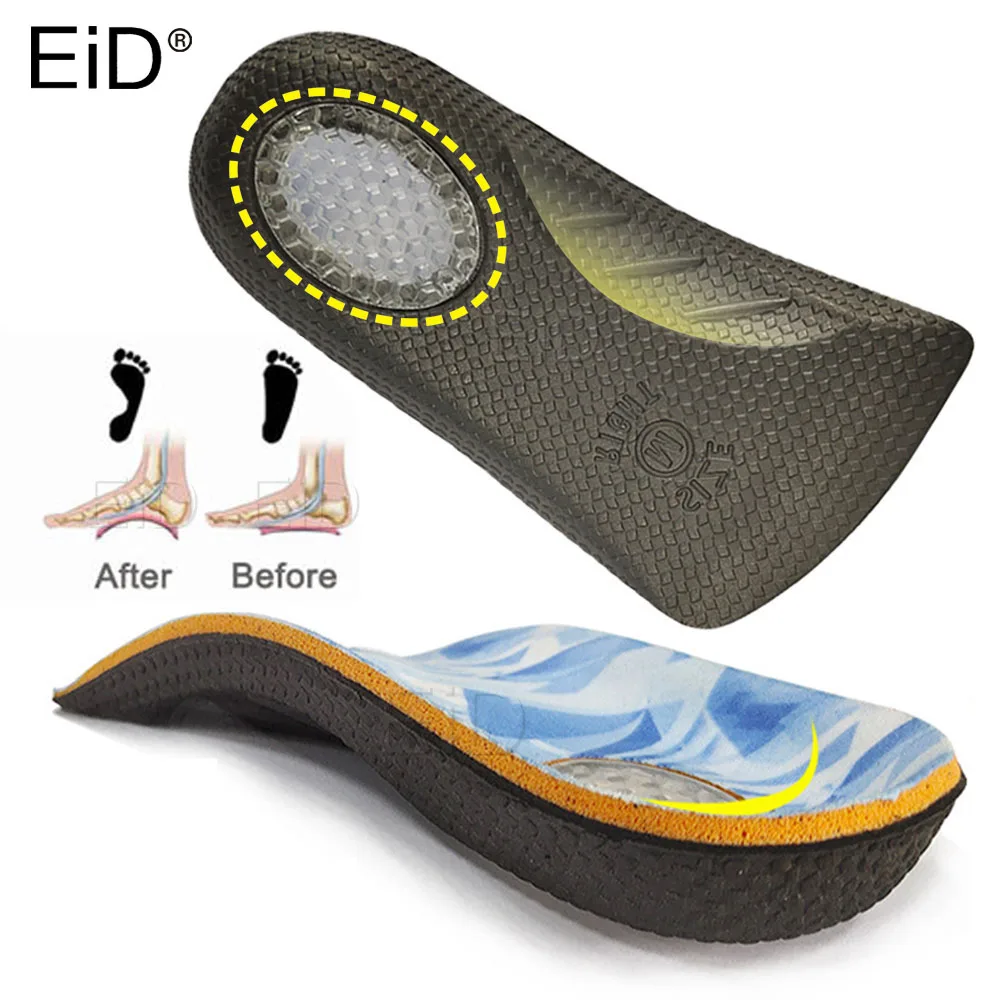
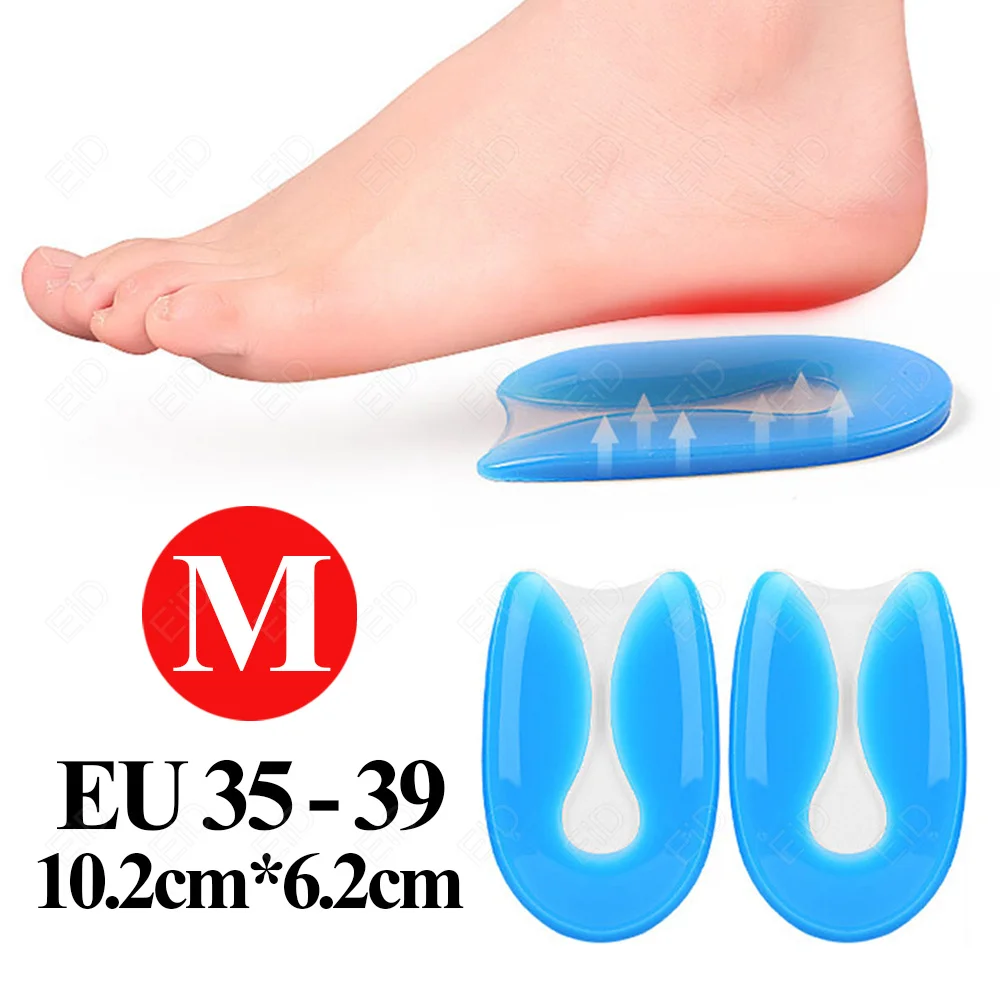
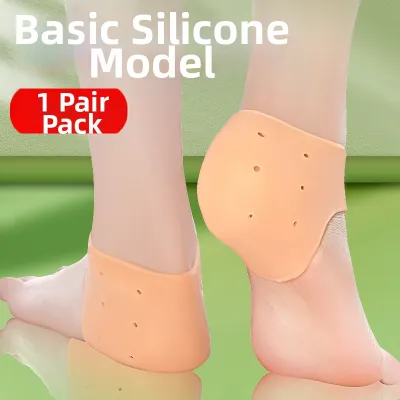
Prices are valid at publication and may change. Please refer to the product page for the latest price.
What Your Foot Actually Needs from Calcaneal Spur Support
A calcaneal spur is a bony outgrowth on the underside of the heel bone, often developing where the plantar fascia inserts into the calcaneus. While the spur itself is frequently blamed for heel pain, the discomfort usually stems from localized inflammation of the surrounding soft tissues and tension on the plantar fascia ligament. Therefore, effective support must address either the direct impact on the heel bone or the structural tension across the entire sole of the foot.

Cushioning the heel bone focuses on absorbing the shock generated during the heel-strike phase of walking or running. This localized approach reduces the physical pressure on the painful area, allowing the irritated tissues a chance to rest. On the other hand, supporting the plantar fascia involves controlling the movement of the arch to prevent it from collapsing, which in turn reduces the pulling force exerted on the heel attachment point.
You can observe your own movement patterns to identify what your foot requires. If you notice that your shoes wear down unevenly on the inner edges, or if your arches visibly flatten when you stand, your foot likely needs structural alignment to reduce tissue strain. If your arches remain stable but you feel a sharp, bruise-like sensation directly under the center of your heel with every step, your primary need is shock reduction. Keep in mind that over-the-counter support products are designed to manage symptoms and improve load distribution; they do not physically dissolve or remove the bone spur itself.
Heel Cups: Targeted Cushioning and Shock Absorption
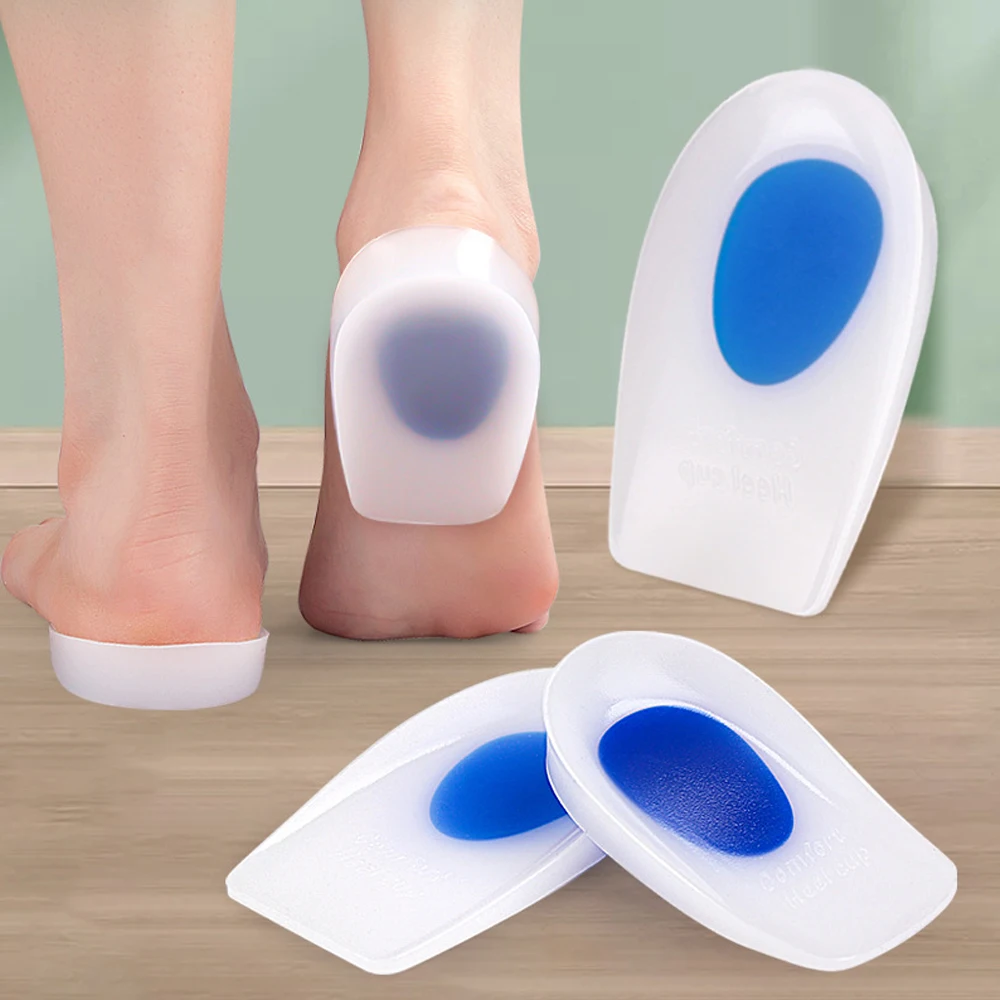
Heel cups are compact inserts designed to sit directly under the heel, cradling the back of the foot to absorb impact forces. Mechanically, they work by slightly elevating the heel, which can relieve some of the tension on the Achilles tendon and the plantar fascia. By surrounding the fatty pad of the heel, they help retain the foot’s natural cushioning directly beneath the calcaneus, maximizing your body’s built-in shock absorption.
These inserts are highly practical for individuals who use shoes with removable factory insoles or those who need to swap their support between multiple pairs of footwear quickly. They are particularly beneficial during high-impact activities, such as running or jumping, where the heel repeatedly strikes hard surfaces. Because they only occupy the rear portion of the shoe, they are an excellent option when you want to preserve the existing fit of the forefoot area.
However, heel cups have distinct limitations that you must consider before buying. They do not provide any arch support, meaning they cannot correct overpronation or prevent the arch from collapsing during long walks. Additionally, because they elevate the heel, they can sometimes cause your foot to slip upward in low-cut shoes, leading to friction and blisters around the collar of the shoe.
Before purchasing, perform a few simple checks on the product. Press firmly on the center of the cup to verify the material density; it should feel supportive rather than completely collapsing under light finger pressure. Look for a deep heel cradle that will keep your foot centered, and measure your shoe’s heel counter to ensure the cup will fit securely without sliding around.
Orthotic Insoles: Full-Foot Alignment and Arch Support
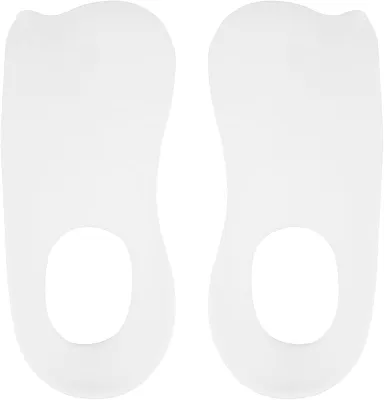
Orthotic insoles are full-length or three-quarter-length inserts that replace or sit on top of your shoe’s existing footbed. Their primary mechanical function is to support the medial longitudinal arch, which prevents excessive inward rolling of the foot (overpronation) and redistributes your body weight across the entire plantar surface. By stabilizing the arch, these insoles minimize the repetitive stretching and straining of the plantar fascia ligament at its attachment point on the heel.
This comprehensive support makes orthotic insoles the preferred choice for individuals with flat feet, low arches, or those who spend long hours standing on hard floors. They are highly effective for all-day wear in structured footwear, such as athletic shoes, work boots, or supportive school shoes. By correcting the alignment of the entire foot, they can also help alleviate secondary discomfort in the ankles, knees, and lower back.
Despite their benefits, orthotic insoles require careful integration into your footwear. They take up significant volume inside the shoe, meaning you will almost always need to remove the original factory insoles to prevent your toes from feeling cramped. Furthermore, rigid or semi-rigid arch supports can feel uncomfortable or even painful during the first few days of use, requiring a gradual break-in period as your feet adapt to the new alignment.
When selecting orthotic insoles, match the arch profile of the insole to the natural shape of your foot. An arch support that is too high can cause outer foot pain, while one that is too low will not provide sufficient relief. Additionally, check that the insole features a deep, structured heel cup to stabilize the calcaneus and prevent lateral shifting.
Compression Sleeves: Swelling Management and Joint Warmth
Compression sleeves are elastic, form-fitting garments that wrap around the ankle and the arch of the foot, leaving the toes and sometimes the heel exposed. Instead of relying on rigid structural materials, they utilize graduated compression to apply continuous, gentle pressure to the soft tissues. This mechanical action helps manage localized swelling, improves blood circulation, and retains therapeutic body heat around the ankle joint and the heel.
These sleeves are exceptionally useful for post-activity recovery, helping to soothe throbbing sensations after a long day of walking or standing. They are also highly practical for use in warm, tropical climates where wearing heavy, enclosed shoes is uncomfortable. Because they are thin and flexible, you can wear them barefoot around the house, with open-toed sandals, or even while sleeping to prevent the intense morning stiffness often associated with heel spurs.
The main limitation of compression sleeves is their complete lack of structural support. They do not provide shock absorption for the heel bone, nor do they prevent arch collapse or correct biomechanical alignment issues. If your pain is triggered primarily by the physical impact of your heel hitting the ground, a compression sleeve alone will not prevent that discomfort.
To ensure a safe and comfortable fit, verify the compression level and fabric breathability before purchasing. In humid conditions, look for moisture-wicking materials to prevent sweat buildup, which can lead to skin irritation or fungal issues. Always measure your arch and ankle circumference according to the manufacturer’s sizing guide to avoid buying a sleeve that is too tight, which could restrict circulation, or too loose, which would render the compression ineffective.
Feature Comparison: Matching Support to Your Symptoms
To help you evaluate your options, the table below compares the mechanical designs, ideal use cases, and limitations of each support type.
| Support Type | Primary Mechanical Function | Best For (Observable Symptoms) | Footwear Compatibility | Key Limitations |
|---|---|---|---|---|
| Heel Cups | Absorbs direct heel-strike impact and slightly elevates the heel. | Sharp, localized pain under the center of the heel bone. | Fits easily in most shoes; works best with removable factory insoles. | Does not support the arch or correct overpronation; can cause heel slippage. |
| Orthotic Insoles | Redistributes weight and supports the arch to reduce plantar fascia tension. | Dull, aching pain across the sole; flat feet or visible arch collapse. | Requires structured shoes with removable insoles and sufficient internal volume. | Requires a break-in period; can feel bulky or cramped in low-profile shoes. |
| Compression Sleeves | Applies graduated pressure to manage swelling and retain warmth. | Throbbing post-activity pain; morning stiffness; swelling around the ankle. | Highly versatile; can be worn barefoot, with sandals, or inside any shoe. | Provides no direct shock absorption or structural arch alignment. |
Decision Framework: How to Choose Your Calcaneal Spur Support
To select the most appropriate support for your daily routine, consider how your symptoms behave and what footwear you wear most often.
Choose Heel Cups if:
- Your pain is highly localized to the very bottom of your heel and feels like a sharp bruise when walking on hard tiles.
- You have a neutral arch and do not experience flat feet or inward ankle rolling.
- You need a low-profile solution that fits into shoes with limited space, such as dress shoes or low-cut sneakers, without causing toe cramping.
Choose Orthotic Insoles if:
- You experience a pulling or aching sensation along the entire arch of your foot, especially during long periods of standing.
- You observe that your ankles roll inward or your arches flatten completely when standing barefoot.
- You regularly wear supportive athletic shoes, work boots, or school shoes that have removable insoles.
Choose Compression Sleeves if:
- Your primary complaint is swelling, throbbing, or stiffness that worsens after you sit down or when you first wake up in the morning.
- You prefer to walk barefoot or wear open-toed footwear around your home to stay cool in warm weather.
- You want a lightweight recovery tool to wear after sports, workouts, or long shifts on your feet.
Verify First if:
- You experience sudden, sharp, shooting pain that makes it impossible to bear weight on your foot.
- You feel numbness, tingling, or a "pins and needles" sensation, which may indicate nerve compression rather than simple mechanical strain.
- Your symptoms do not show any improvement after a few weeks of consistent use with over-the-counter supports.
Safety Boundaries: When to Stop and Seek Professional Care
While over-the-counter heel cups, insoles, and compression sleeves are excellent tools for managing daily discomfort, they are not universal cures. It is vital to monitor how your body responds to these products. If you experience new pain in your knees, hips, or lower back, or if you develop blisters, skin irritation, or signs of restricted blood flow (such as cold toes or discoloration), stop using the support immediately.
Never attempt to push through severe pain or force your feet into rigid orthotics that cause intense discomfort. Footwear supports should feel supportive and comfortable within a few days of use; they should never cause additional injury.
Remember that these products are designed to assist your recovery by managing load distribution and reducing daily strain. They work best when combined with targeted physical therapy, stretching routines, and professional guidance. If your heel pain persists, worsens, or interferes with your daily mobility, seek a professional diagnosis from a qualified healthcare provider to establish a comprehensive treatment plan.
Frequently Asked Questions (FAQ)
Can I wear a heel cup and a compression sleeve at the same time?
Yes, you can wear a heel cup and a compression sleeve simultaneously if your footwear has enough internal volume to accommodate both comfortably. The compression sleeve can help manage soft-tissue swelling and keep the foot warm, while the heel cup provides the necessary shock absorption during heel strikes.
However, you must monitor how your foot feels inside the shoe. Combining these supports increases the thickness around your heel and ankle, which can make your shoes fit tightly. If you experience pinching, restricted blood circulation, or excessive friction that could lead to blisters, you should use them separately or switch to a more spacious shoe.
Do I need to replace my heel supports regularly?
Yes, all heel supports degrade over time and must be replaced to maintain their effectiveness. You can identify when it is time for a replacement by looking for visible and tactile signs of wear. For silicone or gel heel cups, check for cracking, tearing, or a permanent loss of springiness. For orthotic insoles, look for compressed foam that no longer rebounds, worn-down arch areas, or cracked plastic support shells.
For compression sleeves, look for stretched-out fabric that no longer provides a snug, compressive fit, or frayed seams. The lifespan of these products depends on your body weight, daily activity levels, and the materials used. Always refer to the manufacturer’s care instructions to maximize the durability of your supports.
Community discussion
Share your experience or ask a question. Comments are reviewed before publication.