
Quick Answer: Choosing Between Hilee and Popular School Brands
Choosing the ideal water bottle for your child’s school day involves balancing daily hydration needs, durability, and budget. When comparing the Hilee kids tumbler to other popular school brands, there is no single “best” option for every student. Instead, the right choice depends on your child’s age, their school environment, and how long they need their drinks to stay cold.
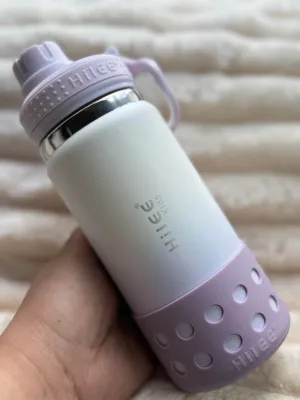
The Hilee kids tumbler serves as a highly practical, budget-friendly option for everyday classroom use. It stands out in local online marketplaces for its vibrant, kid-friendly aesthetics and lightweight portability, making it easy for younger students to carry in their school bags. For standard school hours where extreme thermal performance is not a strict requirement, Hilee offers excellent functional value.
However, parents may want to look at premium insulated brands if their child spends long hours in non-airconditioned classrooms or participates in intense outdoor sports under the tropical sun. These premium options provide advanced vacuum insulation that keeps ice solid for up to 24 hours. Alternatively, specialized sports brands are better suited for highly active kids who require rugged, impact-resistant bumpers and specialized one-handed bite valves during physical education classes or varsity training.
Products mentioned in this guide
![[FREE BOOT ONLY] Hilee Tumbler for Kids Hilee Kids with Silicone Boot Perfect for School Hot and Cold Tumbler Stainless Leak Proof Scratch Proof](https://img.lazcdn.com/g/ff/kf/Sd4a2a64c6c5c4a80b682a05db6868555n.jpg_400x400q80.jpg_.webp)
Prices are valid at publication and may change. Please refer to the product page for the latest price.
What to Look for in a School Tumbler: Key Comparison Dimensions
When shopping for a school water bottle, it is easy to get distracted by bright colors and popular brand names. To make an objective decision, parents should focus on verifiable design features and material specifications. A reliable school tumbler must withstand daily wear and tear while keeping your child’s water safe and clean.

Leak Resistance and Drop Durability
A leaking water bottle can quickly ruin expensive school textbooks, notebooks, and digital learning tablets. To prevent messy spills inside a school backpack, parents must carefully examine the lid construction of any tumbler before buying. Look for a robust, food-grade silicone sealing ring or gasket inside the lid. This ring must fit snugly in its groove to create an airtight seal. Additionally, check for double-locking mechanisms, such as a metal latch that flips over a push-button lid or a slide lock that prevents the spout from popping open accidentally when the bottle is jostled inside a crowded bag during a jeepney or tricycle commute.
Physical durability is equally critical. School hallways, concrete playgrounds, and classroom desks are high-risk zones for drops. Stainless steel tumblers offer excellent structural integrity, but their resistance to dents varies. Look for bottles made with a thick outer shell, preferably finished with a powder-coated layer that resists scratching and provides a better grip for small hands.
If you prefer lightweight plastic tumblers, ensure they are made from impact-resistant materials like Tritan copolyester, which is designed to resist cracking when dropped on hard surfaces. Inspect the base of the bottle; models with reinforced plastic bottoms or optional silicone boots provide excellent shock absorption and prevent the metal from denting or losing its vacuum seal upon impact.
Temperature Retention and Material Safety
In the tropical climate of the Philippines, where daily temperatures and humidity levels run high, keeping drinking water cool is essential for encouraging children to stay hydrated. To evaluate temperature retention, look past generic marketing claims and check the manufacturer’s technical specifications. High-quality insulated tumblers utilize double-wall vacuum insulation. This design features an inner and outer wall of stainless steel with a vacuum gap in between, which virtually eliminates heat transfer by conduction or convection. Check the label for specific cold-retention ratings, keeping in mind that real-world performance depends on the initial temperature of the liquid, the volume of ice added, and how often the bottle is opened throughout the day.
Material safety should never be compromised. Always verify that the tumbler’s packaging or product description explicitly states that all components are 100% BPA-free and non-toxic. Bisphenol A (BPA) is a chemical compound often used in plastics that can leach into beverages, posing potential health risks. For stainless steel models, ensure the manufacturer specifies the use of food-grade 18/8 stainless steel (also known as 304 grade). This material is highly resistant to rust, does not leach harmful chemicals, and prevents the transfer of metallic tastes, ensuring your child’s water tastes fresh even after sitting in a warm classroom for hours.
Cleaning Ease and Spout Design
A water bottle’s drinking mechanism directly influences how easy it is to keep clean and hygienic. Kids’ tumblers typically feature one of three designs: straw lids, flip-top spouts, or wide-mouth openings. Straw lids are excellent for younger children because they allow for easy sipping without tilting the bottle, reducing the risk of spills on school uniforms. However, straws contain narrow tubes and small crevices where moisture can linger, making them highly susceptible to mold and bacterial growth in warm, humid conditions. Wide-mouth openings are the easiest to clean but require more coordination, making them better suited for older students who can drink without spilling.
Before purchasing, verify whether the lid components can be fully disassembled. A hygienic lid design allows you to easily remove the straw, the silicone sealing rings, and any small plastic valves for thorough cleaning. If these parts are fused or difficult to access, mold will inevitably build up over time.
Additionally, check the manufacturer’s care instructions regarding dishwasher safety. Many insulated stainless steel tumblers require hand-washing, as the high heat and harsh detergents of a dishwasher can degrade the vacuum seal, peel the exterior paint, or warp the silicone gaskets. If you do not have a dishwasher or prefer a low-maintenance routine, look for models specifically labeled as fully dishwasher-safe.
Evaluating the Hilee Kids Tumbler: Design and Practicality
The Hilee kids tumbler has gained significant popularity among parents looking for an attractive, functional, and budget-friendly school accessory. To determine if it is the right fit for your child, it is helpful to analyze its specific design elements, physical dimensions, and overall usability in a daily school routine.
One of the primary appeals of the Hilee kids tumbler is its kid-friendly design. These bottles often feature vibrant, eye-catching color gradients, playful cartoon illustrations, and customizable sticker sets that allow children to personalize their gear. This visual appeal can be a surprisingly effective tool in encouraging younger children to take ownership of their bottle and drink more water throughout the day. The ergonomic shape is also tailored for smaller hands, offering a comfortable grip that helps prevent accidental drops during recess.
Portability is another area where the Hilee design shines. Many models are equipped with integrated carrying loops, flexible silicone handles, or adjustable fabric shoulder straps. In the Philippines, where students often walk to school or navigate busy commutes with heavy backpacks, having a dedicated carrying strap allows kids to keep their water bottle easily accessible without taking up valuable space inside their bags. It also keeps their hands free to carry lunch boxes or hold onto safety rails during transit.
However, before finalizing your purchase, you must verify the physical dimensions of the tumbler. Measure the height and diameter of the bottle and compare them to the elastic mesh side pockets of your child’s school backpack. A bottle that is too wide will struggle to fit, forcing your child to store it inside the main compartment where any accidental leak could damage books. Conversely, a bottle that is too slim might slip out of loose pockets easily.
Finally, consider the weight of the tumbler when fully filled. A 500ml stainless steel bottle filled with water and ice can weigh close to a kilogram. For younger students in kindergarten or early primary grades, this can add significant weight to their daily load. Check the empty weight listed in the product specifications; a lightweight, compact design is crucial for ensuring your child can lift, carry, and operate the tumbler independently without strain.
Hilee vs. Competing Brands: When to Choose Which
To help you decide between Hilee and other popular options on the market, it is useful to compare them across specific use cases and parental priorities. Rather than looking for a one-size-fits-all winner, matching the tumbler’s strengths to your family’s specific needs will ensure the best long-term value.
Choose Hilee if:
- You are on a budget: Hilee tumblers generally sit in a highly affordable price bracket (typically between ₱400 and ₱900), making them an excellent value-for-money option compared to high-end imports.
- Your child is prone to losing items: If your child frequently leaves things behind at school, replacing a budget-friendly Hilee bottle is far less financially painful than replacing an expensive premium brand.
- You want lightweight, everyday hydration: For standard school hours spent mostly in classrooms, Hilee provides adequate insulation and a highly portable design that younger kids love to carry.
Choose Premium Insulated Brands if:
- Maximum temperature retention is required: If your child attends a school without air conditioning or spends long hours outdoors, premium brands with advanced, copper-lined double-wall insulation will keep water ice-cold for up to 24 hours.
- You want a long-term investment: Premium brands often feature highly durable powder coatings that resist scratching and heavy-duty stainless steel that withstands severe impacts without denting.
- You need a wide ecosystem of replacement parts: High-end brands typically sell individual replacement lids, straws, and silicone gaskets, allowing you to extend the life of the bottle if a single component gets damaged or lost.
Choose Specialized Sports Brands if:
- Your child is highly active: If your child participates in varsity sports, swim meets, or outdoor athletics, they will benefit from a sports-focused bottle designed for rapid, one-handed hydration.
- You need specialized spouts: Sports brands often feature high-flow bite valves, dust-covered mouthpieces, or squeeze-bottle designs that allow for quick drinking without the risk of choking during physical activity.
- Impact protection is a priority: These bottles frequently come equipped with integrated rubber bumpers or heavy-duty plastic cages designed to survive being thrown onto concrete courts or sports fields.
Verify First if:
- The lid mechanism is age-appropriate: Before purchasing any brand, check the exact spout design. A push-button lid that pops open automatically is highly convenient but requires enough finger strength to snap shut securely. A screw-top lid is incredibly secure against leaks but can be difficult for a younger child to open quickly during a short recess. If possible, have your child test the opening and closing mechanism to ensure they can manage it independently.
Final Checklist: Verifying Specs Before You Buy
Before you click buy or head to the cashier, running through a quick verification checklist will save you time and prevent potential school-day mishaps. Taking a few minutes to confirm specifications ensures the tumbler meets your practical needs.
- Capacity: Ensure the volume (typically 350ml to 500ml for younger kids, and 600ml or more for older students) is sufficient for their hydration needs without making their school bag excessively heavy.
- Dry Weight: Verify the empty weight of the bottle is manageable for your child's age and physical build.
- Care Instructions: Confirm whether the bottle requires hand-washing or if it is dishwasher-safe, and make sure this fits your daily cleaning routine.
- Warranty and Returns: Check the seller's return policy or the manufacturer's warranty against insulation failure or factory defects.
Once your new tumbler arrives, perform a simple, reversible leak test at home before sending it to school. Fill the bottle with tap water, secure the lid tightly, and shake it vigorously over a sink for 30 seconds. Next, place the tumbler upside down on a clean sheet of paper towel and leave it for 10 minutes. If any moisture appears on the paper towel, inspect the silicone gasket to ensure it is seated correctly, or contact the seller for a replacement. Finally, always wash all components thoroughly with warm, soapy water before the first use to remove any manufacturing residues or dust.
Frequently Asked Questions (FAQ)
How do I test a new kids tumbler for leaks before sending it to school?
To perform a reliable leak test at home, fill the tumbler to its maximum capacity with water and secure the lid tightly, ensuring the silicone seal is properly aligned. Shake the bottle vigorously in all directions over a sink to simulate the rough movement of a school bag. Afterward, dry the exterior completely, place the tumbler upside down on a dry paper towel, and let it sit for 10 to 15 minutes. Inspect the paper towel for any damp spots, which would indicate a slow leak through the spout or lid threading.
Are stainless steel tumblers too heavy for younger school children?
Stainless steel tumblers can be heavy for younger children, especially when fully filled. A standard 500ml metal bottle filled with water weighs approximately 0.8 to 1 kilogram, which can strain a kindergarten or early primary student. If weight is a major concern, check the empty weight of the bottle before buying, or consider a smaller 350ml capacity. Alternatively, for very young children, a high-quality, BPA-free plastic tumbler made from Tritan copolyester offers a lightweight, drop-resistant alternative that is much easier to carry.
Community discussion
Share your experience or ask a question. Comments are reviewed before publication.