
Deciding between a hinged knee support and a regular knee sleeve comes down to one fundamental question: does your knee joint require mechanical protection against shifting, or does it simply need compression to manage mild discomfort? Choosing the wrong type of support can either leave a vulnerable joint unprotected or unnecessarily restrict your movement during physical activity. In the tropical climate of the Philippines, where heat and humidity affect comfort and skin breathability, making the right choice also ensures you can stay active without experiencing excessive chafing or skin irritation.
Understanding the Core Difference: Stability vs. Compression
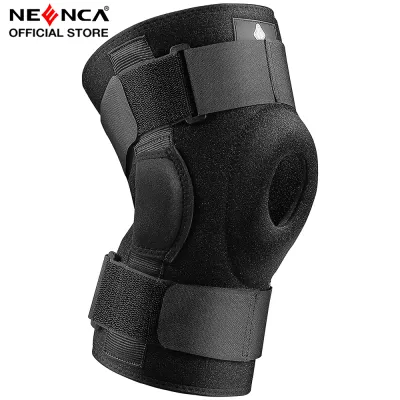
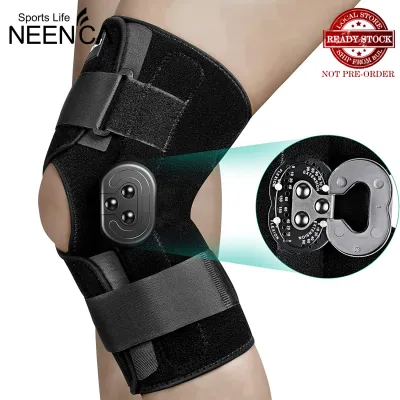
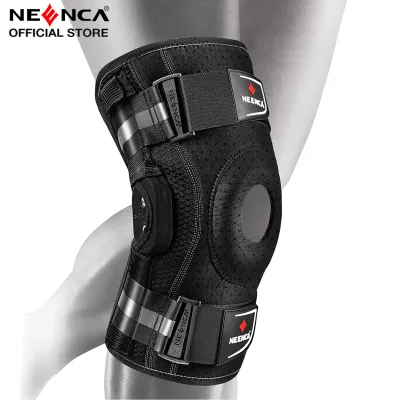
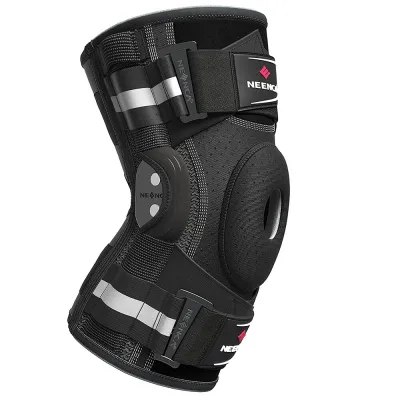
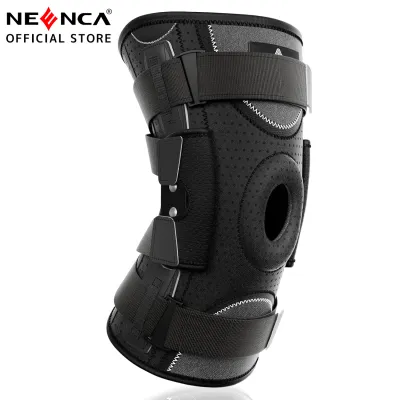
A hinged knee support is designed as a structural intervention. It incorporates rigid side stabilizers, often made of lightweight metals or composite plastics, that run along the medial and lateral sides of the joint. These hinges allow the knee to bend and straighten naturally while physically blocking the joint from bending sideways or twisting. This mechanical barrier is essential when the ligaments that normally secure the joint are stretched, partially torn, or recovering from surgery.
In contrast, a regular knee sleeve is a flexible, pull-on garment typically made of neoprene, knit fabric, or elastic webbing. It does not contain rigid structural elements. Instead, it works by applying uniform pressure around the joint, which helps manage mild swelling and increases proprioception—your brain’s awareness of the joint’s position. This compression also retains local body heat, which can soothe stiff muscles and tendons during movement.
Products mentioned in this guide
Prices are valid at publication and may change. Please refer to the product page for the latest price.
The primary decision metric is whether your knee feels structurally unstable or merely fatigued. If you feel like your leg might collapse under your weight, you are dealing with an instability issue that a sleeve cannot fix. If your joint is structurally sound but aches after a long day of walking or standing, a sleeve provides the comfort and mild support you need without the bulk of hinges.
Self-Assessment: Signs You Need a Hinged Knee Support
Recognizing the physical signs of joint instability is the first step in determining if you need a hinged knee support. One of the most common indicators is a sensation of the knee “giving out” or buckling, especially when you step down from a curb, turn quickly, or carry heavy loads. This sudden loss of support suggests that the primary ligaments, such as the anterior cruciate ligament (ACL) or medial collateral ligament (MCL), are not adequately stabilizing the joint.

Another clear sign is apprehension or pain during lateral or twisting movements. If you feel a sharp pain or a deep sense of insecurity when shifting your weight from side to side, your joint is struggling to handle rotational forces. A regular sleeve cannot prevent these lateral shifts, leaving you vulnerable to further ligament damage or meniscus tears.
If you are currently recovering from a diagnosed ligament sprain or are in the post-surgery rehabilitation phase, a hinged brace is often a mandatory part of your recovery protocol. These braces are designed to protect the healing tissues from accidental lateral stress while you rebuild muscle strength. Always verify the specific brace requirements and locking angles with your orthopedic specialist or physical therapist before resuming physical activity.
Ultimately, if your self-assessment reveals any mechanical instability, clicking accompanied by a shifting sensation, or a feeling that the joint is loose, a hinged knee support is the appropriate choice. It acts as an external set of ligaments, providing the physical boundary your knee needs to heal safely.
When a Regular Knee Sleeve Is Enough
For many common knee complaints, a regular knee sleeve is not only sufficient but actually preferable to a bulky hinged support. If your discomfort stems from mild patellar tendonitis, general joint stiffness, or minor muscle soreness after a workout, a sleeve offers the right balance of comfort and compression. It helps keep the joint warm, which improves tissue elasticity and reduces the perception of pain during movement.
Sleeves are also ideal when you need to manage mild, chronic swelling without restricting your natural range of motion. Because they lack rigid side bars, sleeves allow your knee to flex and extend fully. This makes them highly suitable for activities that require deep knee bends or rapid, repetitive leg movements where a mechanical hinge would feel heavy, restrictive, or cause chafing against the skin.
In hot and humid environments, minimizing bulk is a key factor in compliance. A lightweight, breathable knit sleeve is much easier to wear during daily errands or light exercise than a thick, padded hinged brace. If your joint feels structurally stable and you can perform lateral movements without pain or apprehension, a sleeve is the practical choice to keep you moving comfortably.
Choosing a sleeve in these scenarios also prevents unnecessary muscle laziness. Because a sleeve does not mechanically hold your joint in place, your surrounding muscles—such as the quadriceps and hamstrings—must continue to work fully to stabilize the knee. This active engagement is crucial for maintaining long-term joint health and strength.
Matching the Brace to Your Activity and Sport
Aligning your choice of knee support with your specific sport or daily routine ensures both safety and performance. High-risk lateral sports that involve sudden changes of direction, jumping, or pivoting—such as basketball, soccer, and badminton—demand high levels of joint stability. If you have a history of knee instability or are returning from a ligament injury, wearing a hinged knee support during these activities provides a vital physical safeguard against re-injury.
For linear, repetitive sports like running, cycling, or walking, a regular knee sleeve is generally the better option. These activities do not typically subject the knee to sudden lateral forces, meaning the rigid support of a hinge is unnecessary. A sleeve will help manage the repetitive impact stress on the joint while allowing a smooth, unhindered stride, reducing the risk of skin chafing over long distances.
When it comes to weightlifting and gym workouts, your choice should depend on your current joint health. If your knees are structurally sound, a compression sleeve is excellent for maintaining joint warmth and improving proprioception during squats and lunges. However, if you are recovering from a lateral ligament injury and still experience instability under heavy loads, a hinged brace may be required to prevent the knee from bowing inward or outward.
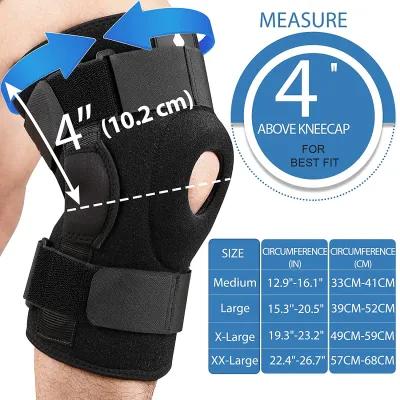
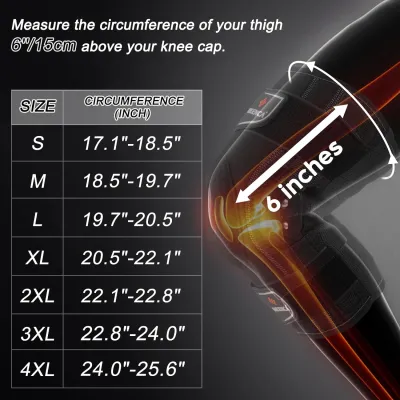
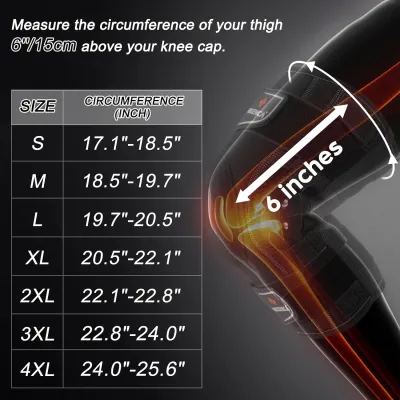
Regardless of the type of support you choose, proper fit is essential for it to work effectively. Always check the manufacturer’s sizing guidelines, measuring your leg at the specified points above and below the kneecap. In humid climates, look for moisture-wicking materials and adjustable straps to ensure the brace does not slip or migrate down your leg as you sweat.
When to Stop and See a Medical Professional
While self-assessment is a helpful starting point, it cannot replace a professional medical diagnosis. There are several critical warning signs that indicate your injury requires immediate clinical attention rather than self-treatment with a brace. If you experienced a distinct “popping” sound at the moment of injury, followed by rapid, severe swelling, you must seek professional help immediately, as this often points to a major ligament tear.
An inability to bear weight on the affected leg, visible joint deformity, or the knee locking completely in one position are also red flags that require urgent evaluation. Attempting to force the joint to move or relying solely on a hinged brace in these situations can lead to chronic instability or permanent joint damage.
Additionally, pay close attention to how your leg feels while wearing any support. If you experience numbness, tingling, coldness, or a change in skin color in your lower leg or foot, the brace may be too tight or compressing a nerve or blood vessel. Remove the support immediately and consult a healthcare professional.
If your knee pain persists, worsens, or fails to show signs of improvement after a few weeks of rest and basic support, stop self-managing. A physical therapist or orthopedic specialist can perform specific clinical tests to identify the exact source of your pain and design a comprehensive rehabilitation plan tailored to your recovery.
Frequently Asked Questions (FAQ)
Can I wear a hinged knee support all day?
Wearing a hinged knee support all day is generally not recommended unless specifically prescribed by a physician or physical therapist. Continuous wear can lead to skin irritation and heat rash, particularly in warm and humid climates. More importantly, relying on a rigid brace for extended periods can cause muscle dependency, where the muscles surrounding the knee begin to weaken and atrophy because the brace is doing the work of stabilizing the joint. It is best to wear the support during weight-bearing activities, exercise, or periods of instability, and remove it during rest to allow your muscles to engage and recover.
How do I wash and maintain my knee brace?
Proper maintenance is crucial to preserve the elasticity, structural integrity, and hygiene of your knee support. Always check the manufacturer’s care label, but most braces and sleeves should be hand-washed in cold water using a mild detergent to avoid damaging the elastic fibers. If your support has removable metal hinges, always slide them out before washing to prevent rusting or damage to the fabric sleeves. Avoid using bleach or fabric softeners, and never put the brace in a dryer; instead, lay it flat to air-dry in a well-ventilated area away from direct sunlight to prevent the materials from degrading.
Community discussion
Share your experience or ask a question. Comments are reviewed before publication.