
Determining whether Alexander kite flying thread is the right choice compared to other brands in the Philippines depends on matching its specific material, diameter, and coating to your kite size and flying environment. Because brand performance varies across different product lines, you should evaluate the spool’s labeled specifications—such as nylon versus cotton, and the exact ply count—rather than relying solely on brand familiarity. In the Philippine market, prioritizing moisture resistance is essential due to high relative humidity, while choosing non-abrasive materials is critical for family safety in public spaces. Alexander offers a highly viable option if its visible specifications align with your recreational needs, but you should consider specialized high-strength alternatives if you are flying heavy-duty or performance kites.
To make an informed purchase, you must look past generic packaging designs and evaluate the physical characteristics of the line. Many local retailers offer a variety of imported and domestic spools, but they often lack detailed labels. Comparing these products requires a systematic look at how different materials and construction methods perform under the specific wind and weather conditions found across the archipelago.
Key Factors to Compare When Evaluating Alexander Kite Flying Thread
When comparing the performance of Alexander kite flying thread against alternative brands, you must evaluate several physical and environmental factors. A thread that performs beautifully in dry, calm conditions may stretch, rot, or snap when exposed to the salty, humid breezes of Philippine coastal areas. To find the best balance of value and performance, you should break down your comparison into three primary categories: material composition, tensile strength relative to diameter, and the presence of protective coatings.
Products mentioned in this guide
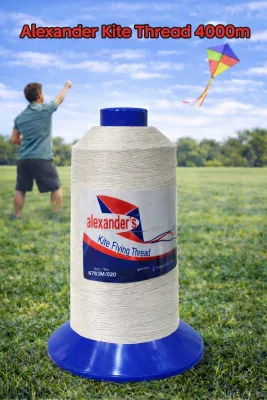
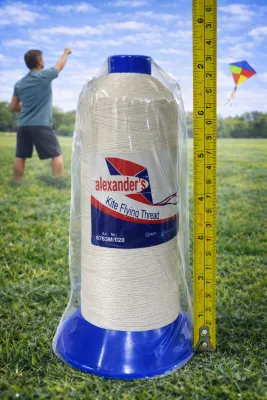
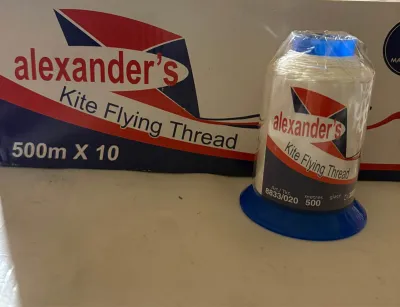
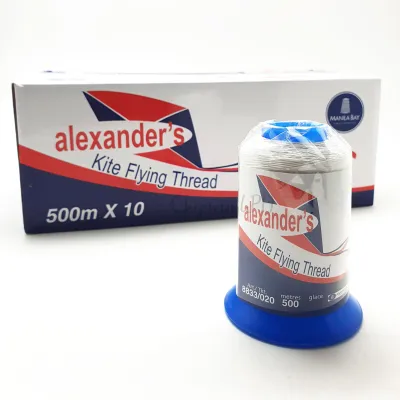
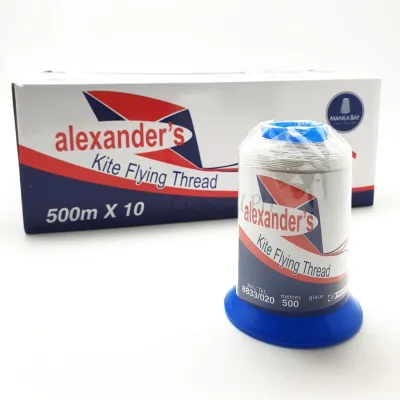
Prices are valid at publication and may change. Please refer to the product page for the latest price.
Material and Core Construction
The base material of a kite line determines its stretch, strength, and lifespan in tropical climates. Traditional cotton thread remains popular for small, lightweight kites because of its excellent grip, ease of knotting, and classic handling characteristics. However, cotton is highly organic and hygroscopic, meaning it readily absorbs moisture from the humid air. In the Philippines, where relative humidity frequently exceeds 80 percent, an unprotected cotton line can swell, lose its structural integrity, and develop mold or mildew if stored while damp.
Synthetic materials like nylon and polyester offer a much more durable alternative for modern flyers. Nylon lines provide excellent elasticity, which acts as a shock absorber when sudden gusts of wind hit your kite. This elasticity helps prevent the line from snapping under sudden tension, though excessive stretch can make steering less responsive on dual-line kites. Polyester, on the other hand, exhibits very little stretch, offering highly direct control and excellent resistance to ultraviolet (UV) degradation from intense tropical sunlight.
When comparing Alexander spools to other brands, always check the label or inspect the fibers to verify the core construction. A high-quality synthetic line will have a tight braid or a consistent twist that prevents the individual fibers from fraying. If a competitor’s spool feels loose or unevenly twisted, it is highly likely to unravel under tension, making a tightly wound Alexander synthetic line the superior choice for consistent flight.
Tensile Strength and Diameter
The relationship between a thread’s diameter and its tensile strength directly dictates how high and how safely your kite can fly. Thread diameter is typically measured in millimeters or indicated by a ply count (such as 3-ply, 6-ply, or 9-ply), which represents the number of individual strands twisted together to form the main line. A thicker line naturally offers a higher breaking strength, but it also introduces more aerodynamic drag and weight, which can pull a small kite down or limit its altitude.
For lightweight, single-line kites flown in light breeze conditions, a thin 3-ply or 4-ply thread is generally sufficient. These thin lines cut through the air with minimal resistance, allowing the kite to rise easily. However, if you are flying larger delta kites, parafoils, or flying in strong coastal winds—such as those found along the beaches of La Union or Boracay—you will need a much thicker line, such as a 6-ply or 9-ply synthetic thread, to withstand the continuous pulling force.
You should compare the stated breaking strain of Alexander thread with alternative brands. Many budget or unbranded threads sold in local markets do not list a verified breaking strain, which introduces a significant risk of losing your kite to a sudden gust. Choosing a brand that clearly specifies its ply count and material allows you to calculate the safe wind limits for your equipment, ensuring you do not overload the line.
Coating and Weather Resistance
Kite threads are either left uncoated or treated with various substances to alter their physical properties. Uncoated threads are soft, highly flexible, and ideal for casual, low-stress family flying in open fields or parks. They are easy to tie and pose the lowest risk of friction burns to young flyers. However, uncoated lines are highly susceptible to tangling and can absorb water quickly if they touch wet grass or damp sand.
Coated threads are treated with wax, silicone, or other synthetic polymers to seal the fibers. In tropical and highly humid environments, a light, weather-resistant coating is highly beneficial because it prevents water absorption, reduces static electricity, and helps the line glide smoothly off the spool without knotting. These coatings also protect the inner fibers from the abrasive action of salt spray and fine sand particles blown by coastal winds.
When comparing coated lines, you must verify the exact nature of the treatment. Any thread used for recreational or family kiting must be completely free from abrasive or sharp additives. Some specialized sport lines feature slick coatings designed purely to reduce friction during high-speed maneuvers, which is a safe and helpful feature. Always ensure that any coating on your chosen thread is intended solely for weatherproofing and smooth handling.
Safety and Handling: What You Need to Verify Before Flying
Safety must be your absolute priority when selecting and handling any kite thread. High-tension lines can act like sharp blades under strong winds, presenting serious physical hazards to the flyer and anyone nearby. In many municipal parks and public spaces across the Philippines, specific types of kite lines are strictly regulated or banned due to the severe safety risks they pose to the public, wildlife, and utility infrastructure.

The Danger of Abrasive and Fighter Lines
You must completely avoid any kite threads that feature abrasive coatings, such as glass-coated, metallic, or traditional “manja” threads. These lines are specifically designed for kite fighting, where the goal is to cut the opponent’s line in mid-air. To achieve this, the threads are coated with crushed glass, powdered ceramics, or metal adhesives. These abrasive lines cause severe, deep lacerations to human skin, injure birds, and can easily cut through electrical cables, leading to widespread power outages and fatal accidents.
For recreational family flying, you must verify that both Alexander thread and any alternative brands you consider are labeled as 100% non-abrasive. If a product’s packaging is vague, features graphics depicting kite fighting, or uses terms like “cutting thread,” do not purchase it for casual use. Responsible kiting relies on using smooth, soft cotton or standard synthetic lines that present no intentional cutting hazards.
Safe Handling and Operating Procedures
Even non-abrasive recreational threads can cause painful friction burns or cuts if handled incorrectly under high tension. To ensure a safe and enjoyable flying experience, you should adopt the following handling practices every time you head out to fly:
- Use a Dedicated Spool or Reel: Never let loose thread pile up on the ground, where it can easily tangle around your feet, create a tripping hazard, or snag on rocks. Always wind and unwind your thread using a sturdy, smooth-turning wooden or plastic spool holder.
- Wear Protective Gloves: If you are flying a medium-to-large kite, or if the wind is particularly strong, wear thick canvas or leather gloves. This protects your palms and fingers from sudden line burns if the kite pulls hard or if the line slips quickly through your hands.
- Never Wrap Thread Around Fingers: Avoid the temptation to wrap the kite line around your bare fingers or hands to get a tighter grip. If a sudden gust of wind launches the kite upward, the tightening loop can cut off circulation or cause severe physical injury.
- Inspect the Line Before Launch: Before letting your kite ascend, inspect the first few meters of the line for any signs of fraying, knots, or sun damage. A single weak spot can cause the line to fail under tension, sending your kite drifting away.
- Maintain a Safe Distance from Hazards: Always fly your kite in wide-open spaces, far away from power lines, busy roads, airports, and crowded pedestrian pathways. If your kite does become tangled in an electrical line, never attempt to retrieve it yourself; contact the local utility company immediately.
How to Decide: Matching Thread to Your Kiting Style
To make your final decision between Alexander and alternative kite thread brands, you should match the product’s specifications to your specific flying scenarios. Use the following conditional framework to guide your purchase in the local market:
Choose Alexander (or similar standard recreational lines) if:
- You are flying standard, single-line kites (such as diamond, delta, or pocket kites) for casual family recreation in local parks or open fields.
- You require a reliable balance of dry grip and basic humidity resistance, and the spool's packaging clearly indicates non-abrasive, recreational-grade cotton or synthetic materials.
- You want a highly accessible, budget-friendly thread that is easy to knot, safe for older children to handle under supervision, and widely compatible with standard plastic or wooden hand reels.
Choose specialized heavy-duty alternatives if:
- You are flying large stunt kites, dual-line steerable kites, or power traction kites that require instantaneous steering response and minimal line stretch.
- Your activities involve high-wind environments or heavy-lift kites that demand specialized high-modulus polyethylene (HMPE) fibers, such as Dyneema or Spectra, which offer incredibly high tensile strength at extremely thin diameters.
- You require certified breaking strengths (such as 50-lb, 100-lb, or 250-lb ratings) to comply with professional flying guidelines or organized sport kiting safety standards.
- You are flying in professional competitions where line drag must be minimized to maximize flight speed and precision control.
Verify local rules and specifications first if:
- The thread packaging features unfamiliar branding or lacks clear material declarations, requiring you to perform a manual burn test or tactile inspection to confirm it is not made of cheap, brittle polymers.
- You plan to fly in highly regulated public parks or urban areas within major Philippine cities, where local ordinances may require you to present proof that your line is non-abrasive and safe for public spaces.
- The spool is marketed with terms associated with competitive flying, making it necessary to double-check that it does not contain any hidden abrasive coatings that could lead to fines or confiscation by park rangers.
Avoid both options if:
- The packaging completely lacks basic specifications, such as total length, material type, ply count, or safety warnings, leaving you with no way to verify if the product is safe, functional, or worth your money.
- The thread exhibits visible manufacturing defects, such as uneven thickness, loose braiding, or chemical odors that suggest a poor-quality synthetic blend that will rapidly degrade under the hot tropical sun.
Frequently Asked Questions (FAQ)
How do I prevent my kite thread from tangling in humid weather?
High relative humidity causes natural fibers like cotton to absorb moisture and swell, which increases surface friction and makes knots incredibly difficult to untangle. Synthetic lines, while resistant to water absorption, can develop static charges in dry wind or cling together when damp, leading to complex tangles known as bird’s nests.
To prevent these issues, always store your spools in airtight plastic containers or zip-top bags with a few silica gel packets to absorb any trapped moisture. When winding your line after a flight, maintain a gentle, consistent tension to ensure the thread lays flat and even across the spool. Avoid leaving your kite line strung up and exposed to damp night air or sudden tropical rain showers, as prolonged exposure will weaken the fibers and encourage tangles on your next outing.
Can I use regular sewing thread or fishing line for my kite?
You should strongly avoid using regular sewing thread or standard monofilament fishing line as substitutes for purpose-built kite flying thread. Sewing thread is designed for fabric assembly and lacks the tensile strength, wind resistance, and durability required to handle the dynamic aerodynamic loads of a flying kite, causing it to snap almost instantly in a light breeze.
Monofilament fishing line is highly problematic because it is designed to stretch significantly under water, but when dry and under high tension in the air, it becomes extremely stiff and prone to severe tangling. Furthermore, thin nylon fishing line becomes virtually invisible in the air and can act like a cheese cutter under tension, presenting a severe risk of deep cuts to your hands and to bystanders. Always invest in dedicated, highly visible kite thread designed specifically for safe handling and aerodynamic performance.
Community discussion
Share your experience or ask a question. Comments are reviewed before publication.