
When navigating the intense heat and humidity of the Philippines, choosing a high-quality bbox insulated bottle is a popular solution for staying hydrated during outdoor activities. Under standard conditions, a vacuum-insulated bottle can keep beverages cold for up to 12 to 15 hours. However, in real-world tropical scenarios—such as midday outdoor sports or humid daily commutes—you should realistically expect reliable cold retention to range between 6 and 10 hours. This duration depends heavily on factors like direct sunlight exposure, initial ice volume, the type of lid used, and how often you open the bottle.
Understanding the limits of your gear helps you plan your hydration strategy effectively. By matching your bottle’s features to your specific activity, venue, and carrying method, you can ensure you always have access to refreshing, cold water when training in challenging tropical environments.
How Tropical Heat Affects Insulated Bottle Performance
Double-wall vacuum insulation slows down heat transfer by removing the air molecules between the inner and outer stainless steel walls. Because conduction and convection require a physical medium to transfer heat, the vacuum layer acts as an incredibly efficient barrier. However, no insulated container is completely impervious to environmental thermal loads, especially when subjected to extreme tropical climates.
Products mentioned in this guide
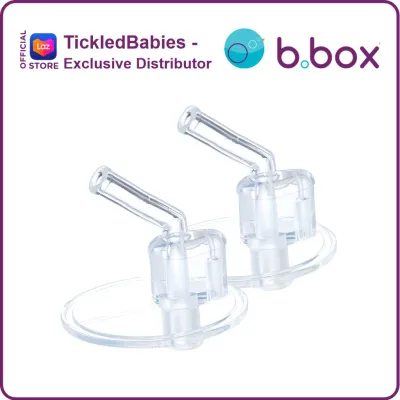
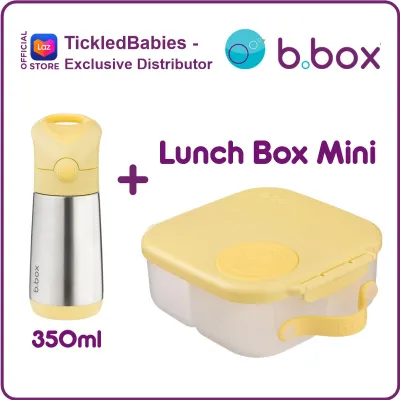
Prices are valid at publication and may change. Please refer to the product page for the latest price.
In the Philippines, ambient temperatures frequently exceed 30°C, and relative humidity often hovers above 70%. High humidity means the air holds more water vapor, which carries more heat energy than dry air. This dense, warm air continuously transfers heat to the non-insulated parts of your bottle, primarily the plastic lid and the neck area.
It is important to distinguish between laboratory-tested cold retention and real-world outdoor performance. Laboratory tests are typically conducted in climate-controlled rooms at a steady 20°C to 22°C with zero wind or solar radiation. When you take your bottle onto an outdoor court in Manila or a hiking trail in Rizal, the combination of high ambient heat, humidity, and direct solar exposure creates a much higher thermal load that accelerates ice melt.
Key BBox Insulated Bottle Specifications That Determine Cold Retention
To evaluate how well a bottle will perform in the heat, you must look closely at its structural features. Not all insulated containers are built the same, and specific engineering details dictate how long your drinks stay cold.

Vacuum Insulation and Wall Construction
True double-wall vacuum insulation is the primary requirement for effective temperature retention. The inner and outer layers of a quality bottle are made from food-grade 18/8 (304) stainless steel, which is highly resistant to rust and corrosion from sweat or sports drinks.
Before purchasing, check the manufacturer’s specifications to verify that the bottle features a true vacuum barrier rather than simple double-wall air insulation or basic thermal plastics. Some premium insulated bottles also incorporate a copper-plated layer on the exterior of the inner wall. This copper lining acts as a radiant barrier, reflecting thermal radiation away from the cold liquid inside and significantly extending cold retention in hot weather.
Lid Types and Seal Integrity
Because the lid cannot be vacuum-insulated, it represents the primary point of thermal leakage. BBox bottles feature several lid configurations, including straw lids, flip-top sports caps, and standard screw-on lids. While straw lids and flip-tops offer quick, one-handed operation during intense workouts, they are slightly less thermally efficient than solid screw-on lids because their internal mechanisms and air valves create minor pathways for ambient air to enter.
Regardless of the lid style, the integrity of the silicone gaskets and O-rings is critical. You must regularly inspect these seals to ensure they are clean, flexible, and seated correctly. A worn, dirty, or misaligned gasket allows warm, humid air to seep into the bottle, which rapidly degrades the internal temperature and causes ice to melt prematurely.
Realistic Expectations for Philippine Sports and Outdoors
Your actual cold-retention time will vary based on where you play, how you carry your bottle, and how often you drink from it.
Direct Sunlight and Outdoor Training
Leaving your bottle on the sidelines of an open-air basketball court, a football field, or strapped to the outside of a backpack during a midday hike exposes it to intense solar radiation. The outer steel shell absorbs this radiant heat, raising its surface temperature significantly and forcing heat across the vacuum barrier at a faster rate.
If you are training under direct sunlight, expect your cold-retention time to drop toward the lower end of the spectrum, around 5 to 6 hours. Always monitor the exterior of the bottle; if the outer shell feels cold to the touch or starts to develop condensation, the vacuum seal is likely compromised. In high-risk outdoor sports, equipment cannot replace proper planning, so always ensure you have access to shaded storage or backup water sources.
Commuting and Mixed Environments
Daily transit in the Philippines presents a unique set of thermal challenges. Walking through urban heat islands, waiting at crowded public transport terminals, or riding in non-airconditioned jeepneys exposes your bottle to fluctuating temperatures and high humidity. Once you transition into an air-conditioned office, gym, or classroom, the thermal stress decreases, allowing the bottle to retain its cold temperature much longer.
Your drinking habits also play a major role in thermal performance. Every time you open the lid to take a sip, cold air escapes and warm, humid air rushes in. This moisture quickly condenses on the cold inner walls and the surface of your drink, transferring latent heat and accelerating ice melt. If you open your bottle frequently during a heavy workout, the ice will melt much faster than if the bottle remained sealed.
Practical Tips to Maximize Cold Retention in the Heat
To get the best possible performance out of your bottle in tropical conditions, implement these simple, low-risk preparation and usage strategies:
- Pre-chill the bottle: Before filling the bottle with your actual drink, fill it with ice-cold water or plain ice cubes and let it sit for 10 to 15 minutes. This lowers the temperature of the internal stainless steel wall. Empty the pre-chilling water before pouring in your cold beverage.
- Use large ice blocks: Avoid crushed ice or small tube ice from local convenience stores if you need long-lasting cold. Large, solid ice cubes or ice spheres have a smaller surface-area-to-volume ratio, meaning they melt at a much slower rate in hot weather.
- Keep it in the shade: Never leave your bottle in direct sunlight or on hot concrete. Keep it tucked inside a padded gym bag, a backpack, or under a bench. Using a neoprene insulating sleeve can also block direct solar radiation and protect the exterior finish.
- Minimize exposure: Open the lid only when you are ready to drink, take your sip quickly, and seal the lid tightly immediately afterward. Avoid leaving flip-tops or straw covers open between uses.
Cleaning and Maintenance in High Humidity
The humid climate of the Philippines is highly conducive to the growth of mold, mildew, and bacteria. Proper hygiene and maintenance are crucial to keeping your bottle safe and functional:
- Dry thoroughly upside down: After washing your bottle with mild dish soap and warm water, place all components upside down on a clean drying rack in a well-ventilated area. Never assemble or store the bottle while it is still damp, as trapped moisture in a humid room will quickly lead to black mold growth inside the straw or lid crevices.
- Clean the gaskets regularly: Carefully remove the silicone O-rings and gaskets from the lid at least once a week. Wash them gently to remove accumulated sweat, sports drink residue, and saliva, which can degrade the silicone material over time and ruin the airtight seal.
- Avoid abrasive cleaners: Do not use steel wool, harsh scouring pads, or chlorine bleach to clean your bottle. These can scratch the protective lining of the stainless steel or damage the exterior powder coating. Always check the manufacturer's care instructions before placing any part of the bottle in a dishwasher, as high-temperature wash cycles can compromise the vacuum seal of certain models.
Frequently Asked Questions (FAQ)
How do I know if my BBox bottle has lost its vacuum seal?
Perform a simple sweat test to diagnose a broken vacuum seal. Fill the bottle with ice-cold water and let it sit at room temperature for about 10 minutes. Check the exterior walls of the bottle. If the outside of the steel shell feels ice-cold to the touch or develops condensation (sweat), the vacuum insulation has failed. A properly functioning insulated bottle will keep the heat transfer so low that the exterior remains dry and at ambient room temperature.
Can I use my BBox insulated bottle for both hot and cold drinks?
While high-quality double-wall stainless steel is structurally capable of holding both hot and cold beverages, you must verify the specific lid type before use. Lids designed with straws, bite valves, or rapid-flow sports caps are generally unsafe for hot liquids. The steam from hot drinks can create internal pressure, causing hot liquid to spray out when opened, and sipping hot liquids through a straw poses a severe burn risk. For hot beverages, always use a standard, non-straw screw-on lid and consult the manufacturer’s safety guidelines.
Community discussion
Share your experience or ask a question. Comments are reviewed before publication.