
Choosing the right tennis bag is about matching your equipment load to your daily routine. Whether you are heading to a quick practice session or a full-day tournament, selecting the correct capacity ensures your rackets are protected and your gear is organized. To determine how many rackets your Nike tennis bag should hold, you must evaluate your playing frequency, the number of backup frames you require, and the volume of extra gear you carry. For most casual players in the Philippines, a tennis backpack or a compact 3-racket bag is the most practical choice. Regular club players who need to carry extra apparel, shoes, and multiple rackets will benefit from a 6-racket bag, while competitive tournament players often require the expansive storage of a 9-racket bag.
Assessing Your Racket and Gear Requirements
To find your ideal bag size, start by counting the exact number of rackets you plan to carry. If you only play recreationally once a week, a single racket might be all you own. However, if you play competitive matches or participate in local club ladders, carrying at least one backup racket is highly recommended in case a string breaks mid-match. Serious players often carry three or more identical rackets, all strung at slightly different tensions to adapt to changing court conditions and humidity levels.
Beyond the rackets themselves, your bag must accommodate a significant amount of supporting gear. In the tropical climate of the Philippines, playing tennis means dealing with intense heat and high humidity. You will need space for multiple changes of dry shirts, extra socks, wristbands, and highly absorbent cooling towels. Hydration is another critical factor; your bag must have dedicated space for large water bottles or insulated flasks to keep your drinks cold during long sessions under the sun.
Products mentioned in this guide
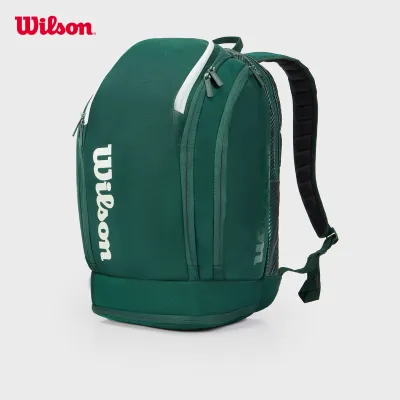
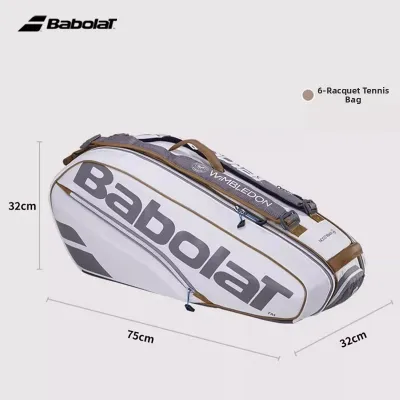
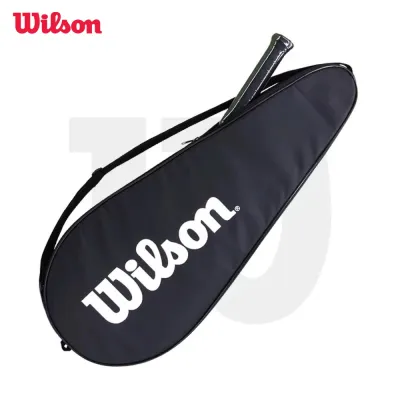
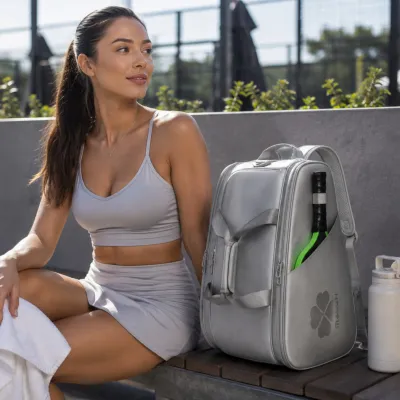
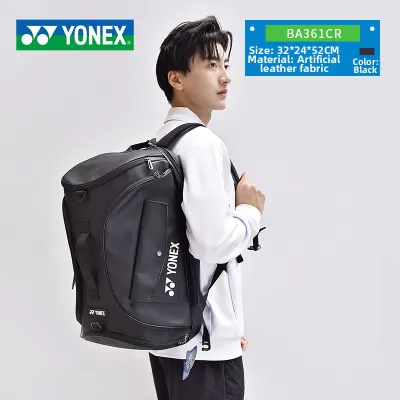
Prices are valid at publication and may change. Please refer to the product page for the latest price.
Do not forget to account for footwear and personal items. Court shoes are bulky and often dirty after a match on outdoor hard courts or clay courts. You will want a bag that can keep these shoes separate from your clean clothes. Additionally, you need secure pockets for smaller essentials like grip tape, dampeners, sunscreen, keys, your phone, and perhaps a small first-aid kit or muscle rub.
Finally, consider how your gear requirements change between a standard practice session and a weekend tournament. A quick one-hour drill session might only require a single racket and a water bottle. A full-day tournament, however, demands extra apparel, snacks, backup strings, and toiletries for showering afterward. Your bag choice should comfortably accommodate your heaviest typical load rather than just your lightest.
Comparing Nike Tennis Bag Capacity Tiers
Tennis bags are generally categorized by the maximum number of rackets they can hold if you were to pack nothing else. However, these capacity ratings can be misleading because players rarely carry only rackets. A bag rated for six rackets, for example, is often used to carry three rackets alongside shoes, apparel, and accessories. Understanding how these capacity tiers translate to real-world storage is key to making the right choice.

As you move up in capacity tiers, the physical dimensions and compartment layouts of the bags change significantly. Smaller bags and backpacks typically feature a single main compartment with external pockets, whereas larger multi-racket bags offer divided compartments that allow you to segregate your gear. The trade-off is simple: larger bags offer superior organization and protection but are heavier, bulkier, and more challenging to transport.
The shape of the bag also influences how easily you can access your gear on the court. Backpacks stand upright or lie flat, taking up minimal space on a court bench. Multi-racket bags, often shaped like duffels or teardrops, lie flat on the ground, providing wide-zippered openings that make it easy to see and grab your equipment instantly.
3-Racket Bags and Tennis Backpacks
For the minimalist player, a tennis backpack or a slim 3-racket bag offers excellent mobility and convenience. These options are designed to hold one or two rackets comfortably, leaving just enough room for a clean shirt, a towel, and your essential personal items. They are ideal for players who arrive at the court already dressed in their tennis attire and only need to carry the bare essentials.
Ergonomics play a major role in choosing a backpack over a traditional bag. If you commute to the courts on a motorcycle, ride a bicycle, or navigate public transportation in busy urban areas, a backpack is vastly superior. It keeps your hands free and distributes the weight evenly across both shoulders. Many tennis-specific backpacks feature a dedicated rear compartment with locking zippers to keep your racket handles secure and upright while you are on the move.
When evaluating compact bags, look closely at how they handle dirty or wet gear. Because space is limited, look for models that feature an isolated shoe compartment or an external mesh pocket. This prevents dirty court shoes or sweat-soaked shirts from coming into direct contact with your clean rackets and spare grip wraps, which is especially important after a humid evening session.
6-Racket Bags
The 6-racket bag is widely considered the sweet spot for the dedicated club player. It offers a generous amount of space without becoming overly cumbersome to carry. Typically, these bags feature two main compartments. This layout allows you to dedicate one entire side to three of your rackets, while using the second compartment for your court shoes, a complete change of clothes, a towel, and your toiletries.
Portability remains highly manageable with a 6-racket bag. Most modern designs feature dual-carry systems, allowing you to use them as a traditional shoulder bag or wear them like a backpack using adjustable, padded shoulder straps. This versatility is highly beneficial when you have to walk from a distant parking lot to the tennis courts.
One critical feature to verify in a 6-racket bag is the presence of thermal insulation in at least one of the main compartments. The intense tropical heat in the Philippines can quickly degrade racket strings, causing them to lose tension rapidly, and can even soften the adhesives used under your replacement grips. An insulated pocket helps shield your rackets from these extreme temperature fluctuations while your bag sits by the court.
9-Racket and Larger Bags
If you are a competitive tournament player, a tennis coach, or someone who travels frequently for matches, a 9-racket bag or larger is often necessary. These high-capacity bags feature three main compartments, providing ample space to carry four or more rackets while still leaving plenty of room for multiple pairs of shoes, training aids, and extensive tournament supplies.
Carrying a fully loaded 9-racket bag requires careful consideration of physical strain. When packed to capacity with rackets, shoes, multiple liters of water, and wet gear, these bags can become exceptionally heavy. Look for models with heavily padded, ergonomic backpack straps and chest connectors to help distribute the load evenly across your back and shoulders, reducing the risk of pre-match fatigue.
Specialized organization is where these large bags truly shine. They often include dedicated, ventilated shoe compartments that allow air to circulate, helping to dry out damp shoes and minimize odor. You will also find fleece-lined accessory pockets designed to protect delicate items like sunglasses or smartphones from scratches, as well as expandable side sections for extra storage when needed.
Matching Bag Features to Your Playing Routine
Your choice of bag should align seamlessly with how you travel to and from the courts. If you drive a compact car, measure your trunk space to ensure a large 9-racket bag will fit comfortably alongside your other daily cargo. If you rely on public transit or ride a motorcycle, a streamlined tennis backpack is almost always the safest and most practical option to ensure balance and ease of movement.
Given the local climate, thermal protection should be a high priority on your checklist. Look for bags that incorporate specialized heat-shielding linings in their racket compartments. Even if you only carry two rackets, storing them in an insulated compartment helps preserve your string tension and extends the lifespan of your equipment when playing during the hottest hours of the day.
Durability is another essential factor to inspect before making a purchase. Check the quality of the zippers, as they are often the first component to fail under the stress of a tightly packed bag. Look for heavy-duty, smooth-gliding zippers and reinforced stitching around the strap attachment points. The base of the bag should feature water-resistant, easy-to-clean materials and protective feet, as it will frequently be placed on dusty, damp, or rough concrete court surfaces.
Finally, consider the storage options at your local club or sports complex. If the venue provides small lockers, a massive multi-racket bag will not fit, forcing you to leave it on the ground where it can get dirty or wet. A compact backpack or a slim 3-racket bag is much easier to secure in standard gym lockers or hang on court fences using integrated hooks.
Common Capacity Mistakes to Avoid
One of the most common mistakes players make is purchasing a bag based solely on the number of rackets they own, without factoring in the physical volume of their other gear. A player who owns two rackets might assume a 3-racket bag is perfect. However, once they pack those two rackets, they may find there is virtually no room left for a pair of court shoes, a large water bottle, and a fresh change of clothes. Always calculate your accessory volume alongside your racket count.
Conversely, avoid the temptation to buy an oversized tournament bag just because you like the professional aesthetic. Carrying a massive, half-empty bag is inefficient and awkward. The lack of structure in an under-packed bag can cause your rackets to shift around excessively during transit, potentially leading to frame scratches or cosmetic damage. It also adds unnecessary bulk and weight to your daily commute.
Another mistake is ignoring the ergonomics of the carrying straps. A bag might have excellent pocket organization, but if the shoulder straps lack adequate padding or are poorly positioned, carrying it will quickly become uncomfortable. Always check that the straps are fully adjustable and contoured to fit your body comfortably, especially when the bag is loaded with heavy water bottles.
Lastly, do not assume that all compartments in a bag are identical. Some bags may advertise multiple pockets, but some of those pockets might be too flat or narrow to hold anything other than a spare overgrip or a set of keys. Carefully review the layout to ensure the compartments are deep and wide enough to accommodate your specific items, such as a bulky can of tennis balls or a large sports towel.
Frequently Asked Questions (FAQ)
Can I use a regular Nike backpack instead of a dedicated tennis backpack?
While you can physically fit a racket into a standard daily backpack, it is not ideal for regular use. Standard backpacks lack a dedicated, angled racket compartment, which means your racket handle will stick straight out of the top, often forcing the main zipper to slide open during transit. Furthermore, standard backpacks do not offer specialized compartments to isolate dirty court shoes or wet clothes, nor do they feature thermal lining to protect your racket strings from high temperatures.
How do I clean and maintain my Nike tennis bag?
To keep your bag fresh and extend its lifespan, regularly empty all compartments and shake out any court debris, clay dust, or loose dirt. Wipe down both the interior and exterior surfaces with a damp cloth and a mild soap solution, avoiding harsh chemicals that could damage water-resistant coatings. Always allow the bag to air dry completely in a shaded, well-ventilated area before zipping it back up, and never machine wash or tumble dry your tennis bag unless the manufacturer’s care label explicitly permits it.
Community discussion
Share your experience or ask a question. Comments are reviewed before publication.