
Selecting the right paddle bag is a balance between your current playing habits and your future court aspirations. If you carry too little space, you risk damaging your rackets by cramming them alongside dirty shoes and wet clothes. Conversely, carrying an oversized bag that remains mostly empty is cumbersome and unnecessary. The ideal capacity depends on how often you play, the number of backup rackets you require, and the extra gear needed to support your sessions.
In tropical climates like the Philippines, where high humidity and sudden afternoon downpours are common, your bag does more than transport gear. It serves as a protective barrier against moisture, heat, and physical wear. By matching your bag’s capacity to your actual playing routine, you can protect your investment and make your trips to the court seamless and organized.
Assess Your Playing Routine to Establish a Baseline
To find your ideal bag size, start by analyzing your weekly playing schedule. Casual players who head to the court once a week or bi-weekly generally travel light. For these short sessions, a single racket and a can of balls are often all that is required. There is little need for extensive backup gear, meaning a compact carrying solution is usually sufficient.
Products mentioned in this guide
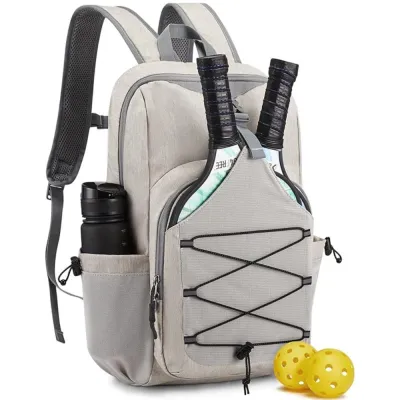
![[🇵🇭 Stock&COD] Reversible Pickleball Paddle Bag Pickleball Backpack for Men Women Sports Racket Carrier](https://img.lazcdn.com/g/p/ad9d00b65e0e8c8a1075dc35b0c18355.jpg_400x400q80.jpg_.webp)
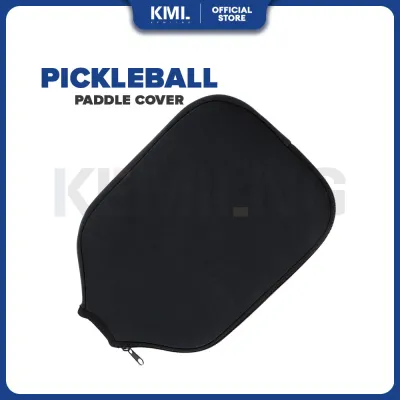
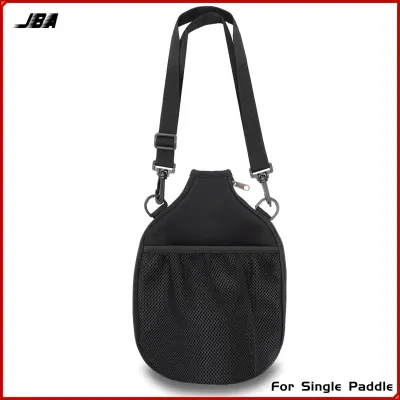
![[🇵🇭 Stock&COD] Portable Pickleball Bag Protective Racket Sleeve Stylish Waterproof Pickleball Sling Bag](https://img.lazcdn.com/g/p/5fe3d0c7736226b8189e31d4da3f709b.jpg_400x400q80.jpg_.webp)
Prices are valid at publication and may change. Please refer to the product page for the latest price.
If you play two to three times a week, your requirements change. Regular play increases the wear and tear on your equipment, making a backup racket highly recommended. If a string snaps or a grip tape unravels mid-match, having a second racket ready prevents your session from cutting short. You will also find yourself carrying more accessories, such as replacement grips, wristbands, and sports towels, which quickly fill up basic storage.
Competitive players, league members, and coaches who spend four or more days a week on the court have the most demanding storage needs. These players often carry three or more rackets, each customized with different string tensions or wear levels to suit varying court conditions. Furthermore, tournament days require packing for long hours under the sun, which means carrying extra apparel, hydration flasks, and nutritional snacks.
Anticipating your future growth in the sport is also essential. If you are actively taking lessons or planning to enter local tournaments, your gear collection will naturally expand. Buying a bag that only fits your current single racket might force you to upgrade again within a few months. Factoring in a little extra room for growth saves money and hassle in the long run.
Match Standard Bag Capacities to Your Playing Level
Paddle bags are generally categorized by the maximum number of rackets they can hold, typically ranging from 2-racket models to massive 12-racket competitive bags. Understanding how these ratings translate to real-world storage will help you choose the right category for your routine.

A 2-racket bag, often designed as a sleek backpack or a slim sling bag, is the ultimate lightweight option. These bags are perfect for casual players who commute by motorcycle, bicycle, or public transit. They feature a dedicated racket compartment that keeps the handle secure, along with a small secondary pocket for keys, a phone, and a wallet. While highly portable, they offer virtually no room for extra shoes or bulky apparel.
A 6-racket bag is the most versatile choice for the average club player. Although rated for six rackets, very few players actually pack six frames into them. Instead, the dual-compartment design allows you to dedicate one side to two or three rackets, while using the second compartment for a towel, a fresh change of clothes, and a canister of balls. This layout provides an excellent balance of organization and portability without feeling overly bulky.
For serious competitors and coaches, 9-racket and 12-racket bags offer the ultimate storage capacity. These bags feature three main compartments, allowing you to separate your primary rackets, backup frames, and training gear completely. They are designed to hold everything needed for an entire weekend tournament, including multiple changes of clothes, warm-up bands, and extensive gear setups.
When selecting a larger bag, pay close attention to thermal or insulated compartments. High temperatures and humidity can severely affect racket string tension and degrade the adhesives used in paddle construction. Bags equipped with thermal lining help regulate the internal temperature, shielding your valuable equipment from extreme heat when left in a car trunk or beside an outdoor court.
Account for Shoes, Accessories, and Daily Essentials
Rackets are only one part of your court setup; shoes, apparel, and personal items often take up more physical volume than the rackets themselves. Failing to account for these non-racket essentials is the most common reason players end up with a bag that is too small.
Court shoes are bulky, rigid, and inevitably get dirty and sweaty during play. Storing them in the same compartment as your rackets is a recipe for damaged frames and dirty grips. Look for a paddle bag that features a dedicated, built-in shoe compartment. This pocket should ideally be ventilated, allowing air to circulate so that moisture can escape, which helps prevent unpleasant odors from settling into the fabric.
Managing wet gear is another critical consideration, especially in warm, humid environments. Sweat-soaked shirts, socks, and towels need to be isolated from your dry clothes and equipment. Bags with dedicated wet/dry pockets or removable waterproof pouches keep damp items contained, preventing moisture from seeping into other compartments and causing mold or mildew.
Finally, evaluate the bag’s external accessory pockets. A good bag should have secure, zippered side pockets to keep your personal items organized and accessible. Tossing keys, coins, or a smartphone into the main compartment with your rackets can scratch the frames or damage the delicate faces of your paddles. Having dedicated slots for water bottles and energy bars ensures you stay hydrated and energized without cluttering your main gear space.
Avoid Common Sizing and Comfort Mistakes
It is easy to get swept up in buying the largest, most feature-rich bag available, but practical daily use should always dictate your choice. An oversized bag that is only a quarter full is awkward to carry, as the contents will shift around constantly while you walk.
Before making a decision, verify the bag’s external dimensions and compare them to your daily storage spaces. Ensure the bag can fit comfortably inside your car trunk, on the floorboards of your vehicle, or within the standard lockers at your local sports club. A bag that is too large to store easily will quickly become a source of daily frustration.
Carrying comfort is paramount, especially when the bag is fully loaded with rackets, shoes, and water bottles. Look for ergonomic backpack straps that are wide, heavily padded, and adjustable to distribute weight evenly across your shoulders. A breathable mesh back panel is highly beneficial in tropical climates, as it promotes airflow and reduces sweat buildup while you carry your gear to and from the court.
Frequently Asked Questions (FAQ)
Can I use a standard tennis bag for table tennis paddles?
While you can physically place table tennis paddles inside a standard tennis bag, it is not an ideal solution. Tennis bags are designed for much larger, longer frames, leaving a vast amount of empty, unsecured space. Without specialized compartments or straps, your table tennis paddles will slide around during transit, risking damage to the delicate rubber surfaces and wooden edges. For proper protection, it is highly recommended to use a dedicated table tennis case or a bag with small, padded compartments designed specifically for smaller paddles.
How should I clean and store my paddle bag?
To keep your bag hygienic and extend its lifespan, empty all compartments completely after every playing session. Wipe down both the interior and exterior surfaces with a damp microfiber cloth to remove sweat, dirt, and dust. Leave all the zippers open and allow the bag to air-dry completely in a shaded, well-ventilated indoor area before storing it. Avoid exposing the bag to direct, harsh sunlight for extended periods, and never store it while it is still damp, as this can lead to mold, mildew, and persistent odors.
Community discussion
Share your experience or ask a question. Comments are reviewed before publication.