
To safely fit a rowing machine in a small condominium, you generally need a clear floor area of about 2.4 to 2.7 meters in length and 0.9 to 1.2 meters in width during active use. While these dimensions may seem substantial for a compact living space in Metro Manila or Cebu, the actual footprint varies significantly depending on the machine’s design and your storage strategy. Balancing your fitness goals with the realities of high-density condo living requires careful spatial planning before making a purchase.
A rowing machine offers an exceptional full-body workout, but its linear design makes it one of the longest pieces of cardiovascular equipment you can bring indoors. Unlike compact spin bikes or vertical climbers, a rower requires a long, unobstructed path for the seat to slide and the user to complete their stroke. In a typical Philippine condo, where floor space is at a premium and high humidity demands excellent ventilation, understanding how to integrate this equipment without cluttering your living area is essential.
To make an informed decision, you must evaluate both the active workout space and the passive storage footprint. This guide breaks down the spatial requirements of different rowing machine types, outlines precise measurement steps, and highlights common space-saving solutions to help you establish a functional, safe, and neighbor-friendly home gym setup.
Products mentioned in this guide
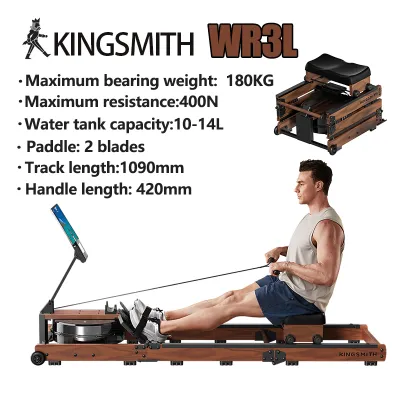
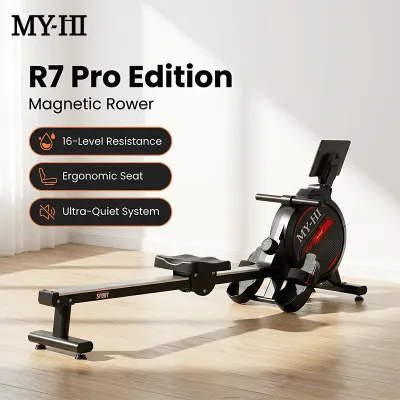
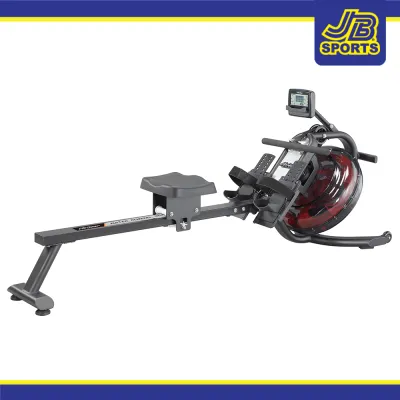
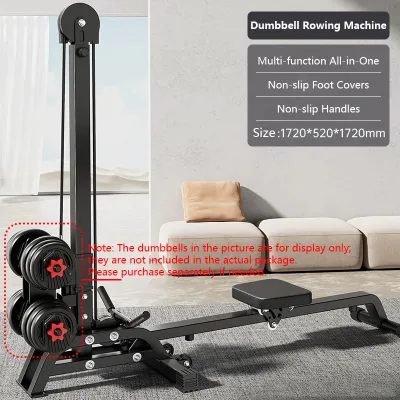
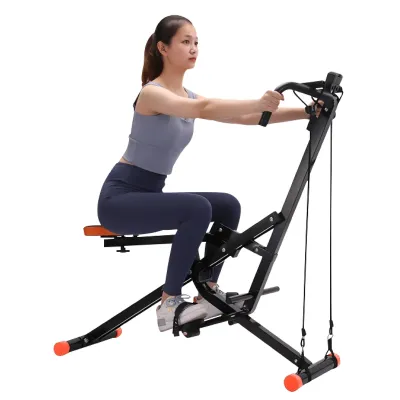
Prices are valid at publication and may change. Please refer to the product page for the latest price.
Understanding Rowing Machine Footprints: In-Use vs. Stored
When planning your condo gym layout, the most critical distinction to make is between the space required while actively exercising and the space occupied when the machine is put away. Many buyers make the mistake of looking only at stored dimensions, only to find their living room completely blocked once they begin their workout.
The in-use footprint represents the absolute minimum space required to perform a complete rowing stroke safely. This includes the physical length of the sliding rail, the front-mounted resistance housing, and the rear stabilizer. Crucially, it must also account for the user’s body. During the “finish” phase of the stroke, your torso will lean back slightly, and your elbows will extend outward and backward. If you place the machine flush against a wall or furniture, you risk scraping your elbows or restricting your natural range of motion.
The stored footprint refers to the physical dimensions of the machine when it is folded, disassembled, or stood vertically. Many modern rowers are designed to be stored upright, reducing their floor footprint to roughly the size of an armchair. Some models feature folding mechanisms that collapse the rail over the tank or fan housing, while others can be split into two pieces for easy closet storage.
Before purchasing any equipment, always verify both sets of dimensions in the manufacturer’s official specifications. Do not rely solely on promotional images that show the machine tucked neatly into a corner; instead, map out the active dimensions on your floor using painter’s tape to visualize the true space impact.
General Space Profiles by Rowing Machine Type
The type of resistance mechanism your rowing machine uses directly dictates its overall length, frame design, and storage capabilities. Understanding these profiles will help you narrow down which category of rower is best suited for your condo’s layout.

Water and Air Rowers
Water and air rowers are highly popular for their realistic feel and smooth resistance, but they generally demand the largest floor footprint. Because these machines rely on a front-mounted water tank or a large air flywheel, they require a robust, extended frame to maintain stability during intense workouts.
Most air and water rowers feature an in-use length of approximately 210 to 244 centimeters. While many premium water rowers are designed to stand upright beautifully—often resembling a piece of wooden furniture—their active length remains a challenge for narrow condo rooms. If you choose an air or water model, verify that your ceiling height can accommodate the machine’s full length when stood vertically, and ensure that the water tank seals are rated for vertical storage to prevent leaks.
Magnetic and Hydraulic Rowers
For tighter spaces, magnetic and hydraulic rowing machines offer a more compact alternative. Magnetic rowers utilize a metal flywheel and magnetic brake pads, allowing for a quiet operation that is highly beneficial for shared condo walls.
Many magnetic rowers feature folding frames, allowing you to unlock the rail and fold it upward toward the console, effectively halving the floor footprint when not in use. Hydraulic rowers are typically the most compact option, often utilizing dual pistons and shorter rails. However, hydraulic models may have shorter seat travel, which can restrict the stroke length for taller users. If you are over 180 centimeters tall, always cross-reference the rail’s travel length with your inseam measurement to ensure you can achieve full leg extension.
How to Measure Your Condo Space Accurately
To avoid a costly return or an unusable piece of equipment, you must take precise measurements of your condo unit and the path leading to it. Follow these steps to ensure a seamless delivery and workout experience.
- Measure the workout zone with safety buffers: Do not just measure the exact frame dimensions of the rower. You must add a safety clearance buffer of at least 30 to 50 centimeters on all sides of the machine. This buffer provides adequate ventilation during intense, humid tropical workouts, allows you to mount and dismount the machine safely, and prevents the handle or your hands from striking nearby walls, glass doors, or furniture.
- Check the delivery and transit pathway: A common oversight is forgetting how the machine will get into your high-rise home. Measure the height and width of your condo building's elevator doors, the interior cabin dimensions, the hallway corridors, and your unit's main entrance. If you live in a multi-story loft, measure the stairwell clearance. Ensure that the boxed dimensions provided by the manufacturer can clear these tight corners, or verify if the delivery team can assemble the unit inside your room.
- Account for your body's dynamic movement: The physical rail length of the machine is not the only factor in leg extension. Your feet sit in footrests that are fixed to the frame, and your knees will bend fully during the "catch" phase of the stroke. Ensure that the machine's design allows your knees to clear the console or housing, and that your head and shoulders have enough clearance from low-hanging light fixtures or wall-mounted television screens.
- Verify ceiling height and overhead obstacles: If you plan to store your rowing machine vertically, measure your ceiling height carefully. Standard modern condominiums in the Philippines often feature drop ceilings or lower clearances to accommodate central air conditioning ducts and fire sprinkler systems. Ensure the designated storage area is completely clear of ceiling fans, smoke detectors, light fixtures, and decorative moldings that could be damaged when uprighting the machine.
Space-Saving Storage Solutions for Small Apartments
Living in a compact condo means you must maximize multi-functional spaces. If your living room doubles as your workout area, utilizing smart storage solutions will help you reclaim your floor space immediately after your training session.
- Vertical Storage: Many high-quality rowers are engineered with built-in transport wheels and front-end stabilizers, allowing you to lift the rear of the rail and roll the machine into a vertical position. This reduces the footprint to a fraction of its active size. When storing a machine vertically, always verify the manufacturer's stability guidelines. Ensure the machine is placed on a flat, level surface away from high-traffic doorways, active pets, or children's play areas to prevent accidental tipping.
- Folding Frames: Folding rowing machines feature a hinge mechanism, usually located near the middle of the rail or where the rail connects to the main housing. By releasing a locking pin or tension knob, you can fold the rail upward or inward. While highly convenient, folding mechanisms add mechanical complexity. Over time, the locking pin or hinge may require regular cleaning, lubrication, or tightening to prevent unwanted creaking or instability during your workout.
- Wall Mounting and Dedicated Racks: Some specialized rowing machines offer wall-mount brackets or dedicated wall racks. This solution lifts the equipment completely off the floor, which is ideal for ultra-small studio apartments. However, wall mounting requires extreme caution. You must verify the load-bearing capacity of your condo's walls. Many modern Philippine condos utilize lightweight concrete blocks, drywall partitions, or fiber cement boards that cannot support the heavy, dynamic load of a hanging rower. Always consult a professional installer and strictly follow the manufacturer's mounting instructions.
Common Space Planning Mistakes to Avoid
Setting up a home gym in a limited space is a balancing act. Avoiding these common pitfalls will save you time, money, and potential property damage.
- Mistake 1: Relying solely on stored dimensions. It is easy to fall in love with a sleek rower that folds down to a tiny square, but if you do not have the physical floor length to extend your legs during a workout, the machine is useless. Always prioritize the active in-use footprint.
- Mistake 2: Ignoring the delivery and assembly path. Many premium rowers are shipped in large, heavy boxes that cannot fit into standard passenger elevators or navigate tight condo corridors. Confirm the boxed shipping dimensions before ordering.
- Mistake 3: Skipping a high-quality equipment mat. Placing a heavy metal or wooden rower directly on laminate, vinyl, or polished tile floors can lead to scratches, slipping, and structural instability. Furthermore, without a thick rubber or PVC mat, the vibration and noise from the sliding seat and flywheel will easily transfer to the neighbors living directly below you.
- Mistake 4: Storing unsupported models vertically. Never attempt to stand a rowing machine upright unless the manufacturer explicitly states it is designed for vertical storage. Doing so can bend the frame, damage the console, or cause water or oil leaks in water-resistance and hydraulic models.
Frequently Asked Questions (FAQ)
Can I keep a water rowing machine upright in a small room?
Yes, many water rowing machines are specifically designed to be stored vertically when not in use. The water tanks on these models are sealed to prevent leakage when the machine is stood upright. However, you must verify this capability in your specific model’s user manual before attempting vertical storage. Additionally, check that the tank’s water level does not exceed the manufacturer’s maximum fill line, as overfilling can cause water to escape through the active seals or vents when tilted.
Do I need a special mat for my rowing machine on condo floors?
Yes, using a dedicated fitness equipment mat is highly recommended for condo setups. A high-density PVC or rubber mat protects your polished tiles, vinyl, or hardwood flooring from scratches and sweat-induced corrosion, which is particularly important in hot, humid tropical climates. A proper mat also dampens the vibrations and sound of the sliding seat and flywheel, ensuring your workouts do not disturb your neighbors downstairs.
Community discussion
Share your experience or ask a question. Comments are reviewed before publication.