
Quick Answer: Base Footprint and Operational Clearance
Setting up a waist twisting machine in a compact condominium requires balancing two distinct spatial dimensions: the static footprint of the equipment and your dynamic operational clearance. The static footprint refers to the physical floor space the machine occupies when it is idle. Because designs vary widely—ranging from simple, compact manual discs to larger standing frames with built-in handlebars—you must check your specific manufacturer’s manual for exact base measurements before purchasing.
Dynamic clearance is the active zone required to perform exercises safely. Because waist twisting movements involve rotational arcs of your hips, torso, and arms, your body will naturally extend far beyond the physical edges of the machine. To prevent injury or damage to your home, you must establish a clear buffer zone around the entire perimeter of the equipment to accommodate this physical rotation.
Measuring Your Condo Layout for Equipment Placement
Integrating fitness equipment into a limited condo layout requires precise physical measurements. Begin by clearing your target workout area and using a metal measuring tape to record the exact length and width of the floor space. Avoid relying on visual estimates, as baseboards, wall trim, and electrical outlets can reduce your actual usable floor area by several centimeters.
Products mentioned in this guide
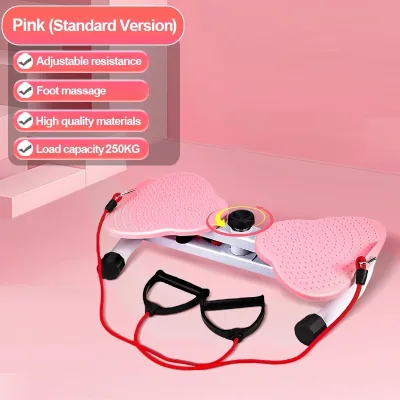
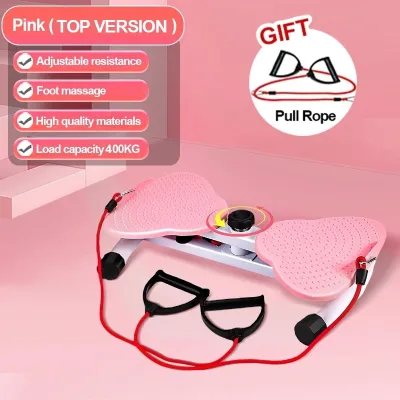
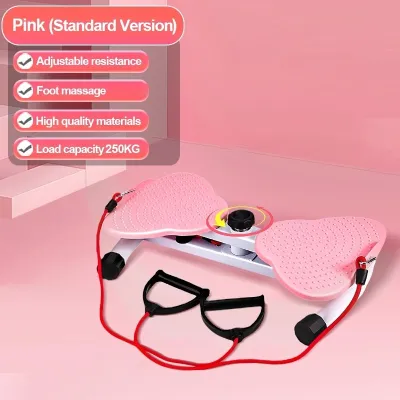
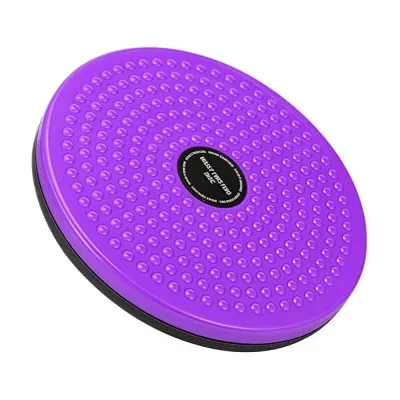
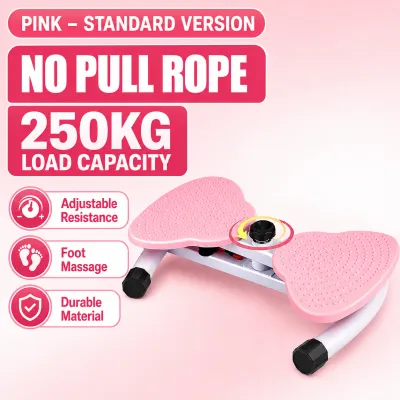
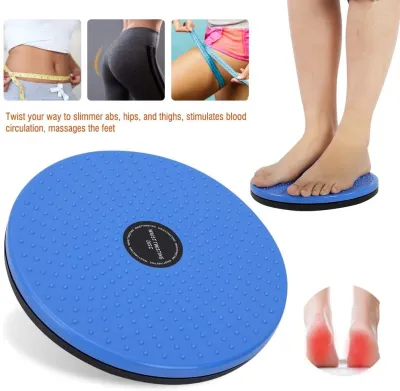
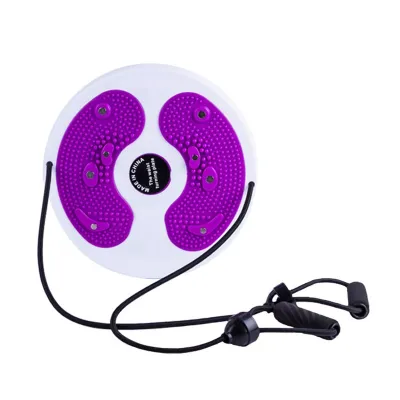
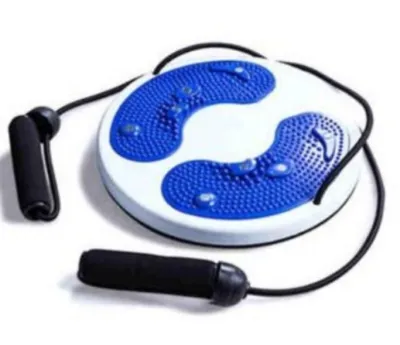
Prices are valid at publication and may change. Please refer to the product page for the latest price.

Next, account for the functional pathways of the room. Measure the swing radius of nearby doors, wardrobe panels, and cabinet drawers to ensure they can open fully without colliding with the machine. If you plan to place the equipment near a window, verify that curtains or blinds will not drape over or get caught in the moving parts of the device.
Ceiling height is a critical factor if you choose a standing waist twisting machine equipped with high handlebars or an elevated platform. Measure from the floor to the lowest point of your ceiling, keeping in mind any low-hanging light fixtures, ceiling fans, or structural beams. When you stand on the machine’s platform, your head must have comfortable clearance from these overhead elements during active movement.
Finally, consider the structural guidelines of your condominium building. While manual twisting discs are lightweight and easy to store, heavy-duty standing models can exert concentrated pressure on your flooring. Review your condo association’s tenant handbook or consult the building administration regarding floor weight limits, especially if you live in an older high-rise or plan to assemble a multi-piece home gym setup.
Calculating Dynamic Clearance for Twisting Movements
Calculating your dynamic clearance requires looking beyond the machine’s physical frame to analyze your body’s natural range of motion. When performing a twisting exercise, your arms may extend outward for balance, and your hips and shoulders will rotate through a wide arc. To calculate this, stand in the center of your planned workout space and extend both arms fully to the sides. Have someone measure your total arm span from fingertip to fingertip, or measure this distance against a wall.
This arm span represents your primary horizontal clearance requirement. To establish a safe buffer, add at least 30 to 50 centimeters of open space beyond your fingertips on all sides. This buffer ensures that if you lose your balance or twist vigorously, your hands will not strike a wall, a piece of furniture, or a glass window.
If your household has multiple users, always calculate the dynamic clearance based on the tallest individual with the longest reach. A taller user will have a wider rotational sweep and may require higher overhead clearance. Adjusting the layout for the largest potential user guarantees safety for everyone in the home.
Do not forget to scan the surrounding area for secondary hazards. Look for low-hanging light fixtures, wall-mounted televisions, floating shelves, or sharp corners of nearby tables. If your twisting routine involves holding resistance bands or extending your legs outward, expand your clearance zone to accommodate these specific exercise variations.
Optimizing Placement in a Space-Constrained Room
In a compact condo, strategic placement is essential to maintain a balanced living environment. Positioning your waist twisting machine in a corner is often the most space-efficient choice, as it keeps the center of the room open for daily foot traffic. However, you must ensure the machine is pulled far enough out of the corner during use to prevent your shoulders or elbows from brushing against the walls.
If your condo layout does not allow for a permanent dedicated workout zone, look for highly portable equipment options. Many modern waist twisting machines feature foldable frames or integrated transport wheels, allowing you to roll the unit out of a closet or from under a bed when it is time to exercise. Once your workout is complete, you can easily store the machine away to reclaim your living space.
Integrating fitness equipment into multi-purpose rooms, such as a combined living room and home office, requires careful coordination. Position the machine so that it does not block the view of your television or interfere with your desk chair’s movement. If you use a motorized or electronic twisting machine, place it near a wall outlet to avoid running hazardous extension cords across your main walking paths.
In the tropical climate of the Philippines, proper ventilation is a key comfort and safety factor. Position your machine in an area with excellent airflow, such as near an air conditioning unit or directly in the path of an electric fan. Good ventilation helps manage body temperature and reduces sweat accumulation on the machine’s non-slip surfaces, which is vital for maintaining a secure grip during your workout.
Common Space Planning Mistakes to Avoid
One of the most frequent errors in home gym planning is focusing solely on the machine’s storage dimensions while ignoring the space needed for active movement. A machine that fits perfectly in a narrow alcove when folded may be completely unusable if you cannot safely extend your arms or rotate your torso once it is unfolded.
Another critical mistake is blocking natural walkways or emergency exit routes. Never position your exercise equipment in a way that restricts access to your main entry door, balcony exit, or bathroom pathway. In an emergency, these pathways must remain entirely clear of obstructions.
Condo residents must also be mindful of noise and vibration transmission to neighboring units. The repetitive twisting motion of a machine can send low-frequency vibrations through concrete floors, disturbing neighbors living directly below you. Failing to use a dampening barrier can lead to noise complaints and strain community relations.
Lastly, avoid overlooking the storage requirements for any removable parts, resistance bands, or adjustment pins that come with your machine. Keeping these accessories organized prevents clutter and ensures they do not become tripping hazards in your limited living space.
Frequently Asked Questions (FAQ)
Can I place a waist twisting machine on a condo balcony?
Placing fitness equipment on a balcony requires careful verification of environmental factors. You must check the manufacturer’s guidelines to determine if the machine’s materials are rated for outdoor use, as exposure to intense tropical sunlight, high humidity, and monsoon rains can cause rapid rust, plastic degradation, and mechanical failure. Additionally, consult your condo’s building administration to verify balcony weight limits and ensure that rainwater drainage paths remain completely unobstructed.
Do I need a special floor mat for noise and vibration reduction?
Using a high-density rubber or EVA foam floor mat is highly recommended for condo gym setups. A quality mat absorbs the vibrations generated by your twisting movements, protecting your delicate floor tiles or wood laminate from scratches while significantly reducing noise transmission to the unit below. Ensure the mat you select is slightly larger than the machine’s static footprint so that it remains stable and catches any sweat during your workout.
Community discussion
Share your experience or ask a question. Comments are reviewed before publication.