
An air walker is an excellent low-impact cardio option for compact living, but fitting one into a small condominium requires looking beyond its static dimensions. While a folded or stationary air walker might only occupy a modest footprint of roughly 3 by 2 feet, its active operational space is significantly larger. To exercise safely without hitting walls, furniture, or balcony glass, you must plan for a dynamic clearance zone of at least 6 to 7 feet in length and 3 to 4 feet in width. This ensures that both the forward and backward swing of the foot pedals and the wide arc of the handlebars have completely unobstructed paths.
In addition to floor area, ceiling height is a critical but often overlooked factor. Because your body rises slightly during the gliding motion, you need to verify that your condo’s ceiling height accommodates your own height plus the maximum pedal elevation of the machine, leaving a comfortable buffer for your head. By understanding these spatial demands before making a purchase, you can maintain a functional, safe, and clutter-free living environment.
How to Measure Your Condo Space Accurately
Before ordering any fitness equipment, you must map out your intended workout area with precise measurements. Start by clearing the floor space in your target room and using a standard metal measuring tape to record the exact length and width of the available area. Avoid relying on visual estimates, as condo layouts often feature tight angles or structural columns that can restrict physical movement.
Products mentioned in this guide
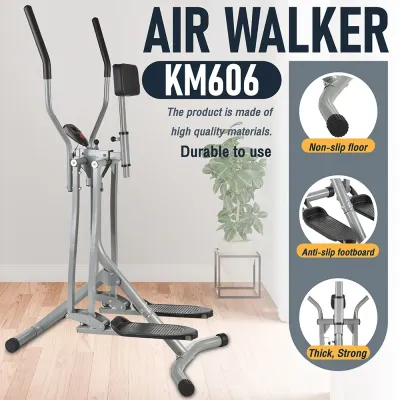
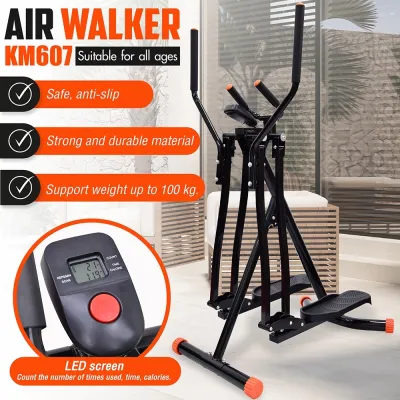
Prices are valid at publication and may change. Please refer to the product page for the latest price.
When measuring the floor, do not just measure from wall to wall. You must account for baseboards, wall outlets, light switches, and protruding fixtures such as wall-mounted air conditioning units or low-hanging light fixtures. If your condo features sliding glass doors to a balcony, ensure the machine’s path does not block the door track or restrict access to outdoor spaces.
Equally important is the vertical clearance of your room. Measure from the floor to the lowest point of your ceiling, taking note of any dropped ceilings, decorative beams, or ceiling fans. To calculate your required ceiling height, add your own physical height to the maximum pedal height specified in the product manual, then add an extra six inches of safety clearance to prevent any accidental contact during intense workouts.
Finally, map out the delivery route from the building’s entrance to your unit. Measure the width and height of your condo’s entry doors, hallway corners, and elevator doors. Many high-rise developments have strict rules regarding freight elevator usage and delivery dimensions, so verifying these clearances beforehand prevents the frustration of a machine that cannot physically reach your front door.
Calculating Safe Clearance and Movement Margins
The physical frame of an air walker only tells half the story; the true space requirement includes the safety buffers needed around the machine during active use. A safe workout environment requires a minimum clearance of two feet of open space on all sides of the equipment. This buffer zone prevents your hands, elbows, or feet from striking nearby objects if you lose your balance or need to dismount quickly.

Consult the manufacturer’s product manual to identify the specific clearance margins recommended for your exact model. These guidelines are designed to protect both the user and the home environment, preventing the swinging metal arms of the glider from denting drywall or scratching expensive furniture. If you plan to use the machine near a window or glass partition, increasing this safety margin is highly recommended.
In tropical climates where indoor humidity can rise quickly, proper airflow around your workout station is essential for comfort and hygiene. Placing the air walker too close to a wall or inside a tight closet restricts ventilation, leading to rapid heat buildup during exercise. Maintaining a generous clearance allows air from electric fans or air conditioning units to circulate freely, keeping you cool and helping to dry any perspiration on the machine’s frame.
This clearance also serves a practical maintenance purpose. You will need easy access to the joints, bolts, and cables of your air walker to perform routine inspections and lubrication. If the machine is crammed into a tight corner, you are less likely to perform this essential upkeep, which can lead to premature wear and mechanical noise.
Space-Saving Features to Check Before Buying
If you are working with limited square footage, prioritizing specific design features can make a massive difference in how easily the machine integrates into your daily life. Look for models that feature a robust, user-friendly folding mechanism. A high-quality foldable air walker allows you to collapse the frame flat or upright, reducing its active footprint by more than half when not in use.
Transport wheels integrated into the front or rear stabilizer bars are another non-negotiable feature for condo dwellers. These wheels allow you to tilt the folded machine and roll it effortlessly into a closet, behind a sofa, or onto a balcony for storage. Without wheels, moving even a lightweight glider can scratch your floors and strain your back.
When evaluating foldable models, pay close attention to their upright storage stability. Some machines are designed to stand independently when folded, while others must be leaned against a wall. If you must lean the machine, verify that it has rubberized contact points or locking pins to prevent it from sliding or tipping over, especially if you have pets or small children in the home.
Additionally, consider multi-functional designs that maximize the utility of a single piece of equipment. Some air walkers feature adjustable resistance levels, integrated abdominal pads, or attachment points for resistance bands. Choosing a versatile machine reduces the need to purchase and store separate fitness accessories, keeping your condo’s living area clean and organized.
Strategic Placement Options for Small Condo Layouts
Integrating fitness equipment into a multi-purpose living space requires strategic planning to avoid disrupting the flow of your home. Avoid placing the air walker in high-traffic zones, such as narrow hallways or directly in front of kitchen counters, where it can become a tripping hazard. Instead, look for underutilized corners, alcoves, or the space directly adjacent to a balcony door where you can enjoy natural light and fresh air while exercising.
If your chosen model features an electronic console that requires a direct power connection, you must plan your layout around your wall outlets. Avoid running extension cords across open walkways, as this creates a serious safety hazard during workouts. Position the machine close to the outlet, and use cord organizers or floor cable covers to keep the power line flat and secure.
To maintain a clear distinction between your living and workout areas, use visual dividers such as tall potted plants, open bookshelves, or folding screens. Placing a dedicated equipment mat beneath the air walker not only protects your floor but also visually defines the exercise zone. Orienting the machine toward a television or a window can also make your workouts more engaging while keeping the equipment aligned with the room’s natural layout.
Frequently Asked Questions (FAQ)
Will an air walker damage my condo flooring?
Yes, without proper protection, the repetitive motion and weight of an air walker can scratch, dent, or discolor condo flooring, particularly laminate, vinyl, or hardwood. To prevent property damage, always place a high-density, non-slip equipment mat beneath the machine to distribute its weight evenly and absorb vibrations. Before assembly, check the manufacturer’s guidelines for floor compatibility and ensure the rubber leveling feet are properly installed and adjusted to prevent the metal frame from making direct contact with your floor.
Is an air walker too noisy for condo neighbors?
Generally, air walkers are much quieter than motorized treadmills because they rely on manual, gravity-driven motion rather than a loud motor. However, the swinging joints, cables, and pedals can develop squeaks or clicking noises over time if not properly maintained. To keep your workouts neighbor-friendly, perform routine maintenance by tightening loose bolts and applying a silicone-based lubricant to the pivot joints as recommended by the manufacturer. Using a thick, vibration-absorbing rubber mat under the machine will also prevent any mechanical hums from traveling through the floor to the unit below.
Community discussion
Share your experience or ask a question. Comments are reviewed before publication.