
Setting up a bike roller trainer in a compact condominium requires a dedicated floor area of approximately 1.5 to 2 meters in length and about 1 to 1.2 meters in width. This space accommodates the physical footprint of the rollers, the length of your bicycle, and the essential lateral safety clearance needed to mount, ride, and dismount without striking walls or furniture. In a typical high-rise unit where space is limited, understanding these spatial requirements is critical before making a purchase. Unlike stationary trainers that lock your bike in place, rollers require active balance, meaning a tight setup can lead to property damage or personal injury.
Measuring the Physical Footprint of Your Bike Rollers
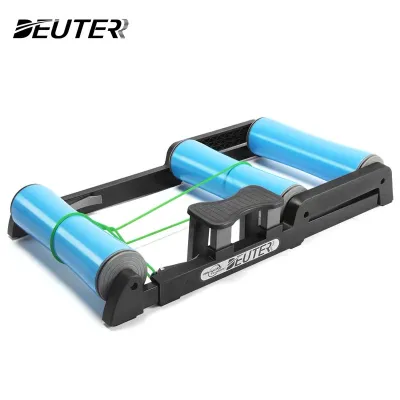
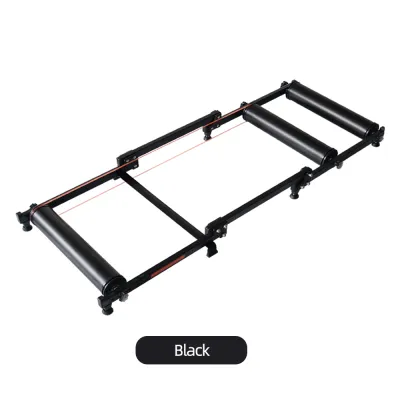
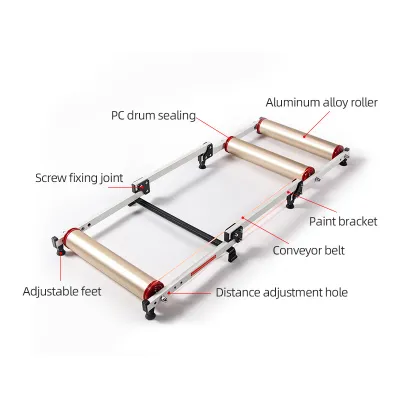
To plan your indoor training zone, start by identifying the exact physical dimensions of the equipment. Manufacturers list the base length and width of their roller frames in the product specifications. You can locate these details on the packaging, in the user manual, or on the official brand website.
It is important to distinguish between the roller frame’s footprint and the overall length of your bicycle. A standard road or mountain bike often extends beyond the front and rear drums of the roller frame. To find your total setup length, measure your bicycle from the outermost edge of the front tire to the outermost edge of the rear tire, and compare this to the roller’s frame length.
Products mentioned in this guide

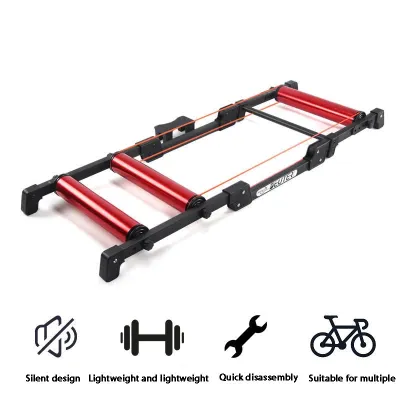
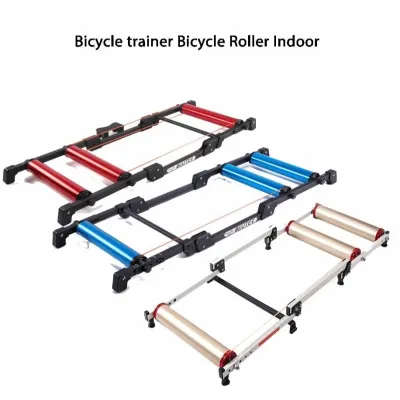
Prices are valid at publication and may change. Please refer to the product page for the latest price.
Do not forget to account for any protruding components. Some roller models feature external resistance units, adjustment knobs, or control cables that extend past the main metal frame. Measure these additions to ensure they do not press against baseboards or snag on nearby curtains.
Calculating Safety Clearances for Mounting and Riding
Riding a bike roller trainer requires continuous lateral balance, making buffer zones a non-negotiable safety requirement. For side clearance, measure the width of your handlebars and add at least 30 to 40 centimeters of open space on both sides. This extra room accommodates your natural elbow movement and provides a safety margin if you drift slightly off-center while pedaling.

Front and rear buffer zones are equally vital for safe operation. Keep at least 50 centimeters of clear space in front of your front wheel and behind your rear wheel. This buffer ensures that if you accidentally ride off the rollers during an abrupt stop or a sudden loss of balance, your tires will not immediately collide with a wall, glass sliding door, or television stand.
Ceiling height is another critical factor, especially in modern condos with dropped ceilings or decorative fixtures. When you mount a bicycle on rollers, the drums elevate the entire bike by 10 to 15 centimeters. Add your own riding height—including your torso and helmet—to this elevated position. Ensure your head remains well clear of overhead ceiling fans, light fixtures, and low-hanging concrete beams common in loft-style units.
Integrating the Setup into a Compact Condo Layout
Integrating a training station into a small living area requires selecting a multi-purpose zone that balances safety with daily functionality. Look for a spot with a solid, level floor, such as a tiled dining area or a concrete-backed living room floor. Avoid placing the rollers in narrow hallways where family members or housemates might walk by unexpectedly, as any sudden distraction can disrupt your balance.
Managing airflow and moisture is a major challenge in tropical condo environments. In the warm, humid climate of the Philippines, indoor training in a condominium requires extra attention to ventilation. Position your setup near a balcony door or window to maximize natural ventilation, and use a high-velocity floor fan to keep air moving. Laying down a dedicated sweat guard over your bike frame and placing a waterproof mat under the rollers will protect your condo’s interior from corrosive perspiration.
Power cords and accessory cables present serious tripping hazards in tight quarters. If your roller trainer uses an electronic resistance unit or connects to a smart training screen, route all power cables along the baseboards. Use cable covers or heavy-duty tape to secure any cords that must cross walking paths, ensuring that neither you nor anyone else in the household trips while the trainer is in use or storage.
Reclaiming Space with Storage and Folding Solutions
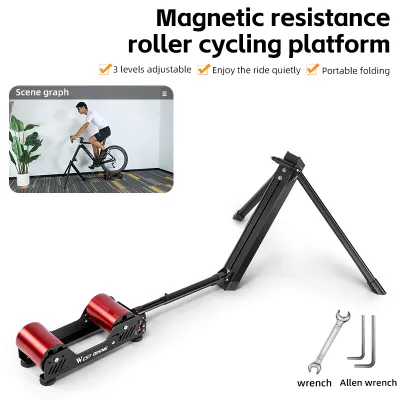
When you are not training, reclaiming your living space is essential for maintaining a comfortable home environment. Many modern bike rollers feature a folding design that allows the frame to fold in half or slide into a nested position. Before purchasing, verify the folded dimensions in the manufacturer’s specifications to ensure the unit can fit into your designated storage area.
Evaluate your storage options carefully. If you plan to slide the folded rollers under a bed or sofa, measure the vertical clearance of the furniture legs first. For vertical storage in a utility closet or behind a door, check that the folded frame is stable and cannot easily tip over. Avoid hanging heavy rollers on lightweight drywall or adhesive wall hooks; always verify the weight-bearing limits of any wall mounts or shelving units you intend to use.
A high-quality floor mat is an indispensable part of a condo setup, but it must also be easy to store. Select a durable, high-density foam or rubber mat that can be quickly rolled up or folded away after your workout. This prevents the mat from becoming a permanent footprint in your living room and allows you to restore the space to its original layout within minutes.
Avoiding Common Space Planning and Safety Mistakes
One of the most frequent mistakes in small-space planning is ignoring the swing paths of doors. Setting up your rollers near a bedroom, bathroom, or balcony door risks a sudden collision if someone opens the door while you are riding. Always map out the full arc of nearby doors and keep your training footprint completely outside of these zones.
If your training routine involves using a front wheel support, a fork stand, or a safety bumper system, you must account for the additional space these accessories occupy. A fork stand stabilizes the bike but often shifts the bicycle’s position forward or backward on the frame, altering your calculated clearance zones. Check the accessory instructions to confirm how it modifies the overall footprint.
Placing your rollers too close to a bare wall is a significant hazard. While it is tempting to position the setup against a wall to use as a handhold when mounting, riding too close risks a handlebar impact if you lose your balance. A handlebar striking a wall can cause an immediate crash and damage your condo’s paint or plaster. Instead, maintain the recommended side clearance and use a sturdy, temporary support—like a heavy chair or a doorway frame—only during the initial mounting phase.
Frequently Asked Questions (FAQ)
Using Rollers on Carpeted Condo Floors
Riding a bike roller trainer on carpeted floors presents unique stability and friction challenges. Soft carpets and thick underlays can cause the roller frame to wobble or sink unevenly, which compromises your balance and safety. Additionally, the friction between the roller’s moving parts and carpet fibers can generate static electricity or wear down the carpet pile. To prevent these issues, always place a rigid, non-slip trainer mat or a thin sheet of plywood over the carpet to create a firm, level foundation, and check the manufacturer’s guidelines regarding soft flooring compatibility.
Front Wheel Elevation and Roller Geometry
Unlike direct-drive or wheel-on stationary trainers that often elevate the rear wheel and require a front riser block, standard bike rollers keep both wheels at the same horizontal level. This level geometry is essential for maintaining natural riding posture and balance. You do not need a front wheel elevator block for standard rollers, as doing so would disrupt the bike’s geometry and make balancing extremely difficult. Only use specialized front fork stands or supports if they are explicitly designed by the manufacturer to work with your specific roller model.
Community discussion
Share your experience or ask a question. Comments are reviewed before publication.