
A pedal mini exercise bike is one of the most space-efficient fitness tools you can bring into a compact condominium, but calculating its true spatial requirement involves more than just reading the dimensions on the box. While the physical machine itself occupies a remarkably small footprint, you must account for the dynamic sweep of your legs, your seating position, and safe clearance zones. To exercise comfortably without bumping into furniture or scraping your walls, you should plan for a dedicated operational zone that accommodates both the machine and your body in motion.
In high-rise developments across urban areas like Metro Manila, studio and one-bedroom units require highly strategic spatial planning. Every square meter of floor space serves multiple purposes throughout the day. Introducing fitness equipment into these layouts requires a clear understanding of how static dimensions translate into active, usable space. By analyzing your physical movement patterns and the layout of your unit, you can establish an effective workout setup that integrates seamlessly into your daily routine without causing clutter.
Measuring the Equipment Footprint and Pedal Clearance
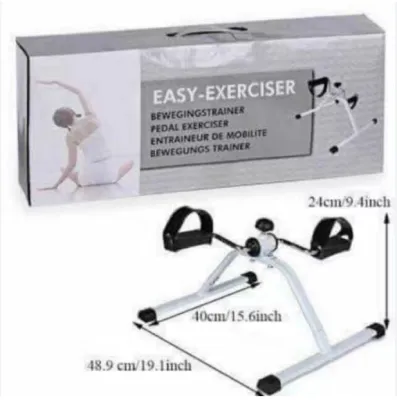
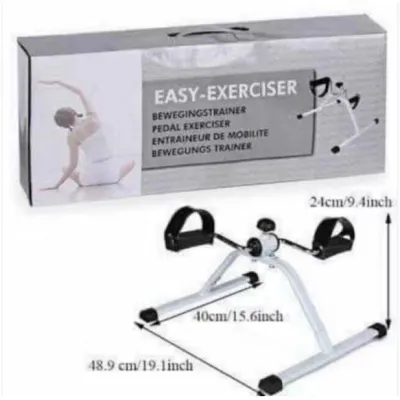
The static base of a typical pedal mini exercise bike is highly compact, often measuring approximately 40 to 50 centimeters in length and 35 to 40 centimeters in width. Placing the bike in a tight corner based solely on these static measurements is a common mistake. When in use, the pedals rotate in an orbital path that extends beyond the front, back, and top boundaries of the metal frame.
Products mentioned in this guide
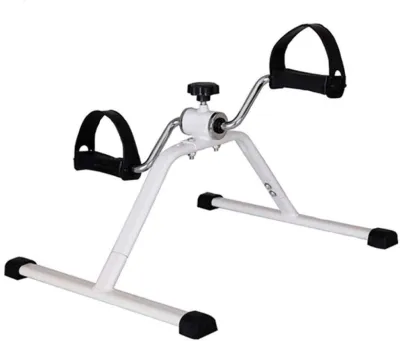
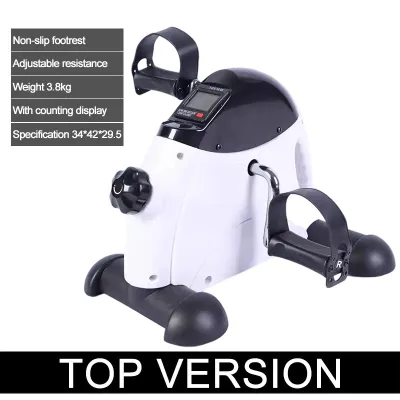
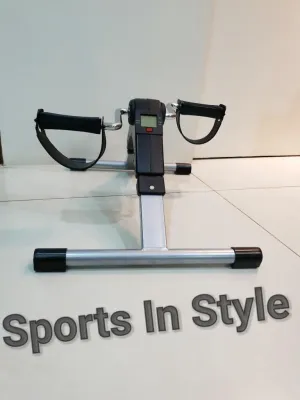
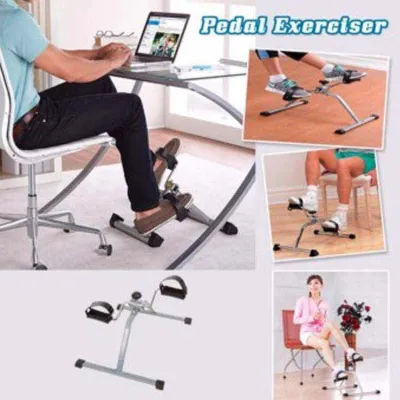
Prices are valid at publication and may change. Please refer to the product page for the latest price.
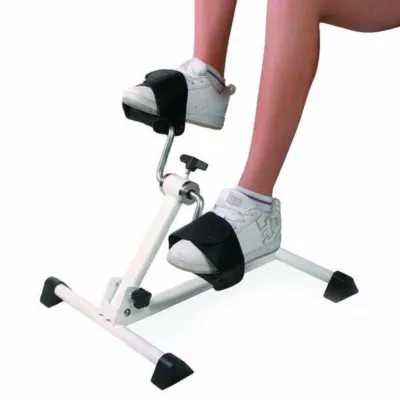
To calculate the dynamic pedal rotation radius, you must measure the maximum arc of the pedals. As your feet rotate, your toes and heels will extend past the physical edges of the machine. This dynamic footprint typically requires an additional 15 to 20 centimeters of clearance at both the front and rear of the unit to prevent your feet from striking walls or baseboards.
Your own leg length is the most critical variable in this spatial equation. When you sit and pedal, your knees bend and your legs extend forward. To determine your personal clearance needs, sit in your preferred chair, extend one leg fully forward at a comfortable pedaling angle, and measure the distance from your lower back to your heel. This total length, combined with the machine’s depth, represents the actual longitudinal space you need during a workout.
Do not forget to account for protruding parts on the machine itself. The resistance adjustment knob, the digital display console, and the wide stabilizer bars at the base can add extra width or height. Ensure these components do not press against baseboards, electrical outlets, or delicate furniture legs, which could cause damage over time.
Additionally, consider the vertical clearance required for your knees. As you pedal, your knees will rise and fall. If you plan to use the bike under a table or desk, you must measure the height of your knees at their peak rotation point. This vertical clearance is often overlooked but is essential for preventing painful impacts with the underside of your furniture.
Evaluating Your Seating Arrangement
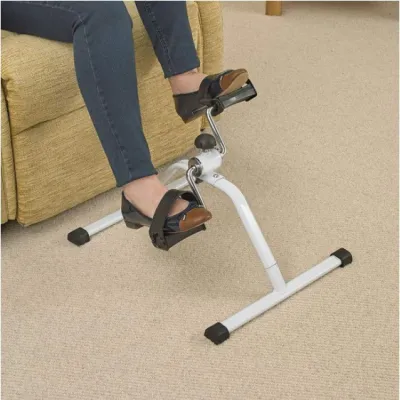
One of the greatest advantages of a pedal mini exercise bike is that it does not require a built-in seat. You can use your existing condo furniture, such as a dining chair, a sofa, or even the edge of your bed. However, the height of your seat relative to the pedal axis dictates your comfort and joint safety.

If your seat is too low, your knees will bend at an acute, uncomfortable angle at the top of the pedal stroke, potentially leading to joint strain. If the seat is too high, you may find yourself sliding forward or straining to reach the bottom of the stroke. Ideally, your knees should have a slight bend of around 25 to 30 degrees when the pedal is at its furthest point. Test different chairs in your unit to find the one that keeps your hips and knees aligned without causing your knees to knock against the underside of a table or desk.
The distance between the front edge of your seat and the back of the bike must be adjustable. If you sit too close, your thighs will rise too high, which can cause cramping in your hip flexors. If you sit too far away, you will overextend your legs, causing your hips to rock side to side and reducing stability.
Check the surrounding area for obstacles that could interfere with your movement. Armrests on your office chair might limit your elbow movement, while low coffee tables or nearby walls can restrict your leg path. Ensure there is a clear lateral clearance of at least 30 centimeters on either side of your knees to prevent painful bumps during high-cadence sessions.
Furthermore, the stability of your seating choice is paramount. A chair with wheels, such as a standard office task chair, will tend to roll backward as you apply forward force to the pedals. If you must use a wheeled chair, you will need to secure it using wheel stoppers, a high-friction rug, or by anchoring the chair to the bike itself using a strap.
Safe Positioning and Floor Protection
Condominium units in the Philippines commonly feature polished ceramic tiles, vinyl planks, or engineered hardwood flooring. These smooth surfaces offer very little traction, meaning a lightweight pedal mini exercise bike can easily slide forward as you push against the pedals. To prevent this, place a dedicated high-grip rubber or dense PVC utility mat underneath the machine. This mat not only keeps the bike anchored but also dampens vibrations and protects your floors from scratches and sweat.
In a compact studio, multi-purpose zones are common. Never position your exercise setup in a way that blocks primary walkways, emergency exits, or the path to the bathroom. If you must work out in a hallway or narrow passage, ensure the equipment is fully cleared and moved aside immediately after your session to prevent trip hazards, especially in low-light conditions.
Before starting your workout, verify that the bike sits flat on the floor. Uneven tile grout lines or transitions between different flooring materials (such as a rug border) can cause the machine to wobble. Always place the stabilizer feet on a completely level surface. If you are using the bike on a carpet or rug, check that the pile is not so thick that it interferes with the pedal rotation or causes the unit to tip sideways.
Humidity and temperature in tropical climates can also affect your setup. High indoor humidity can make smooth floors even slipperier and may cause moisture to accumulate under rubber mats. Regularly lift your floor mat to clean and dry the floor underneath, preventing any moisture buildup that could damage wood laminates or cause mold growth.
Smart Storage Strategies When Not in Use
When your workout is over, reclaiming your living area is essential for maintaining a clean, relaxing condo environment. Many mini pedal bikes are designed with a low profile, allowing them to slide under standard bed frames, raised sofas, or media consoles. Measure the vertical clearance of these storage spots before purchasing; you generally need a gap of at least 30 to 40 centimeters, depending on the specific model’s height.
If floor space is extremely limited, check if your bike’s base design allows it to stand upright against a wall or inside a utility closet. Some models have flat rear stabilizers that let them balance vertically, reducing their footprint to a fraction of their horizontal size. Ensure the unit is stable in this position and cannot be easily knocked over by pets, children, or passing foot traffic.
Look for models equipped with built-in carrying handles or small transport wheels. Because these compact machines can weigh anywhere from 5 to 15 kilograms, lifting them improperly can strain your back. Utilizing a built-in handle allows you to lift and relocate the bike safely. Always lift the unit completely off the floor rather than dragging it, as dragging can tear vinyl mats or leave permanent scuff marks on delicate hardwood and laminate surfaces.
If you plan to store the bike in a utility closet or laundry area, ensure it is kept away from high-humidity zones or direct water exposure. Excess moisture can rust metal components and degrade the internal resistance mechanisms over time. A dry, well-ventilated storage spot will prolong the lifespan of your equipment.
Frequently Asked Questions (FAQ)
Can I use a mini pedal exercise bike while working at my desk?
Yes, but this setup requires careful measurement of your desk’s underside. Standard office desks in the Philippines typically have a clearance height of about 70 to 75 centimeters. When you pedal, your knees rise significantly higher than they do when sitting normally. To avoid hitting your knees against the desk frame or keyboard tray, you may need a height-adjustable standing desk raised to a semi-standing position, or a lower-profile pedal machine specifically designed for under-desk use. Additionally, ensure your office chair does not have free-rolling wheels; if it does, use wheel casters or place the chair on a high-friction rug to prevent yourself from rolling backward every time you push the pedals.
Do I need a dedicated power outlet nearby?
This depends entirely on the resistance mechanism of your chosen model. Many mini pedal exercise bikes use manual magnetic or friction resistance, which requires no external electrical power; their digital displays are typically powered by simple AAA batteries. These cordless models offer maximum placement flexibility, allowing you to work out on your balcony, in the middle of your living room, or at your desk without worrying about cords. However, if you choose a motorized or plug-in model designed for active physical therapy assistance, you will need to position it near a wall outlet. In tight condo spaces, manage these power cords carefully by routing them along walls or using cord covers to eliminate tripping hazards.
Community discussion
Share your experience or ask a question. Comments are reviewed before publication.