
Finding the right kids scooter in the Philippines requires balancing price, safety, and durability. Parents face a wide price spectrum, ranging from budget-friendly options under ₱1,500 to premium models exceeding ₱5,000. Deciding how much to spend depends heavily on your child’s developmental stage, where they will ride, and how long you expect the toy to last.
Investing too little can result in a fragile scooter that vibrates uncomfortably on rough subdivision roads or breaks within a few months. Conversely, overspending on a high-end stunt scooter for a toddler who only needs basic three-wheel stability is an unnecessary expense. By understanding what features define each price tier, you can make an informed decision that keeps your child safe without overstretching your budget.
Setting Your Budget Priorities for a Kids Scooter
Before looking at price tags, assess your child’s physical development and coordination. Younger children between two and five years old generally benefit from three-wheel scooters that utilize a lean-to-steer mechanism, which helps them build balance. Older children with developed motor skills can transition to two-wheel models that offer more speed and maneuverability. Always check the manufacturer’s maximum weight limit to ensure the frame can safely support your child.
Products mentioned in this guide
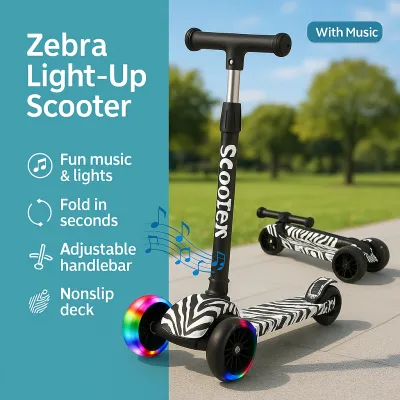
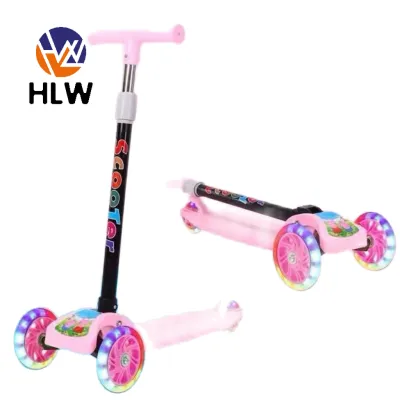
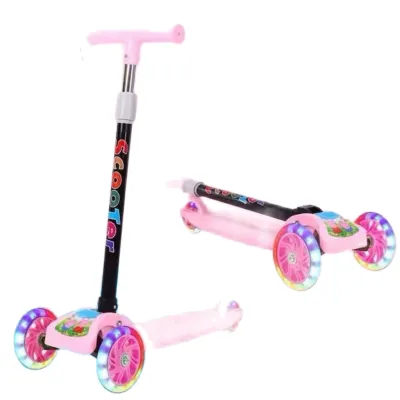
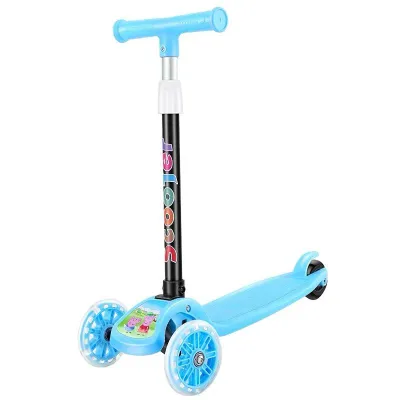
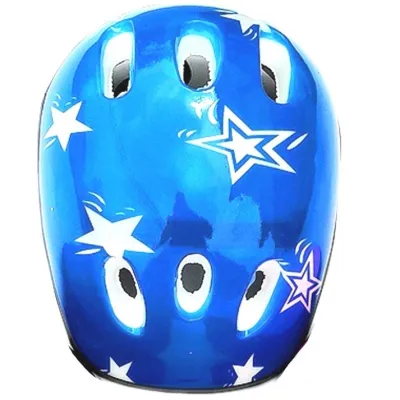
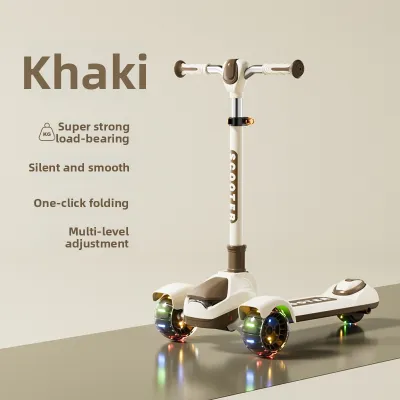
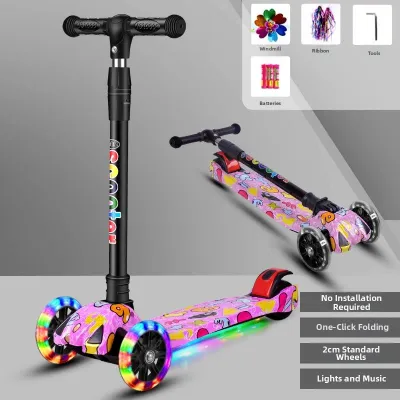
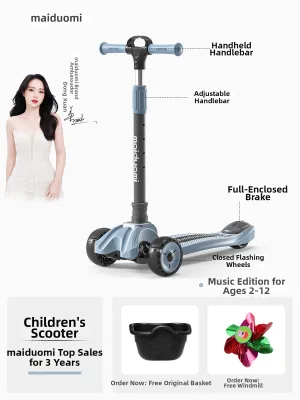
Prices are valid at publication and may change. Please refer to the product page for the latest price.
Consider where your child will ride the scooter. Philippine neighborhoods often feature uneven concrete pavements, rough asphalt, or brick-paved village parks. Riding on these surfaces requires better shock absorption than riding on smooth indoor floors. If your child will primarily ride around a local barangay basketball court or a smooth driveway, a basic model may suffice, but rougher roads demand sturdier builds.
Think about the expected lifespan of the scooter and your family dynamics. If you have younger children who can inherit the scooter later, investing in a durable, mid-range or premium model makes long-term financial sense. A high-quality scooter can survive years of use and storage in humid tropical conditions, whereas a cheap, low-grade option may rust or degrade before it can be handed down.
Entry-Level Scooters: Essential Features and Trade-offs
Entry-level kids scooters, typically priced under ₱1,500, are widely available in local department stores and online marketplaces. These models are usually designed for toddlers and very young beginners who are just testing the waters of scootering. When evaluating these budget options, start by checking the build materials. Look for thick, impact-resistant plastic decks and steel steering columns, and verify that the deck surface features molded-in grip patterns or grip tape to prevent slipping.

Most entry-level models for young children feature a three-wheel design with a lean-to-steer mechanism. This system requires the child to lean their body weight left or right to turn, which is inherently more stable than traditional bicycle-style steering. Check the rear foot brake to ensure it covers the wheel fully and is made of a durable polymer or reinforced metal plate that can withstand repeated friction.
While budget-friendly, entry-level scooters come with notable trade-offs that parents must accept. They often feature fixed handlebar heights, meaning your child may quickly outgrow the scooter within a single year. The wheels are frequently made of hard PVC plastic rather than polyurethane, which results in a noisy, bumpy ride on rough outdoor concrete and offers very little traction on damp surfaces. Additionally, the folding joints and plastic clamps on these models tend to wear out quickly under regular outdoor use.
Mid-Range Options: Durability and Adjustability
Stepping up to the mid-range tier, which generally spans from ₱1,500 to ₱4,000, introduces significant upgrades in material quality and adjustability. These scooters are ideal for growing children who have mastered the basics and need a reliable ride for daily outdoor play. The most prominent upgrade in this category is the adjustable handlebar system, which uses secure quick-release clamps to let the T-bar grow alongside your child over several years.
Decks in this price range are typically reinforced with fiberglass, nylon composites, or lightweight aluminum alloys. This reinforcement increases the maximum weight capacity, often allowing the scooter to support children up to 50 kilograms or more. The wheel quality also improves dramatically, transitioning to high-quality polyurethane (PU) wheels paired with smooth-rolling bearings, such as ABEC-5 or ABEC-7. These materials absorb road vibrations much better, providing a quieter and safer ride on typical Philippine neighborhood streets.
Portability is another key feature of mid-range scooters. Many models incorporate reliable folding mechanisms that allow the handlebar column to fold flat against the deck. This makes it incredibly easy to pack the scooter into a car trunk for family trips to the park, carry it onto public transport, or store it neatly in a compact condominium or hallway. Look for folding joints made of aluminum or heavy-duty nylon rather than thin plastic to ensure long-term durability.
Premium Scooters: Advanced Specs and When They Make Sense
Premium kids scooters, which usually cost upwards of ₱4,000, are engineered for older children, frequent riders, or those interested in specialized riding styles. These high-end models justify their price through superior engineering, advanced suspension systems, and exceptionally durable materials. If your child rides daily over long distances or on highly uneven terrain, a premium scooter with front or dual suspension springs can prevent hand fatigue and joint strain by smoothing out the roughest roads.
Some premium models feature large pneumatic (air-filled) tires or oversized high-rebound PU wheels. These larger wheels roll over cracks, drainage grates, and small stones with ease, drastically reducing the risk of sudden stops and falls. For older kids interested in tricks, premium stunt scooters offer one-piece, non-adjustable handlebars and heavily reinforced decks designed to withstand high-impact landings at local skateparks.
One of the greatest advantages of investing in a premium brand is the availability of replacement parts and manufacturer warranties. Unlike cheap models that must be thrown away if a single part breaks, premium scooters are designed to be serviced. You can easily purchase replacement wheels, brake pads, handlebar grips, and bearings online or from specialty sports shops. This modular design ensures the scooter can last for many years, making the high initial investment highly cost-effective over time.
Hidden Costs: Safety Gear and Maintenance
When planning your budget, remember that the cost of the scooter itself is only part of the total investment. Safety gear is non-negotiable and should be factored into your initial purchasing plan. A properly fitted, certified helmet is the most critical piece of equipment to protect your child from head injuries. Additionally, a set of knee pads, elbow pads, and wrist guards is highly recommended, especially for beginners and those transitioning to two-wheel models. Budgeting an extra ₱500 to ₱1,500 for quality safety gear is essential for peace of mind.
Maintenance is another ongoing cost that ensures the scooter remains safe and functional. The humid tropical climate in the Philippines can accelerate rust and wear, especially if the scooter is ridden through puddles during the rainy season. You will need to periodically clean and lubricate the wheel bearings with a light machine oil or silicone spray. Over time, brake pads and wheels will wear down and require replacement, so keeping a small budget aside for spare parts is a smart practice.
Finally, consider the logistics of purchasing your scooter. If you are buying from online marketplaces, bulky items like scooters can incur substantial shipping fees depending on your location. Be sure to check the seller’s return policy regarding factory defects, and verify if there are any potential import duties if the product is shipping directly from overseas. Factoring these delivery costs into your budget prevents unexpected surprises at checkout.
Decision Checklist: Matching the Scooter to Your Child
To finalize your budget, use a structured approach to match the scooter’s features to your child’s specific profile.
- Toddlers (Ages 2 to 4): Focus on three-wheel stability, a wide slip-resistant deck, and a lightweight frame. An entry-level or lower mid-range model is usually sufficient, as they will quickly outgrow this stage.
- Young Riders (Ages 5 to 8): Look for adjustable handlebars, durable PU wheels, and a reinforced deck. A mid-range scooter offers the best balance of longevity and value here.
- Older Kids and Teens (Ages 9 and up): Prioritize two-wheel designs, high-quality bearings, and robust aluminum construction. A premium scooter or a specialized stunt model is often worth the investment for this age group.
Avoid common red flags when shopping, regardless of the price tier. Never purchase a scooter that lacks a clear maximum weight limit label or one with a flimsy, wobbling steering column. Ensure the braking system is highly responsive and easy for your child’s foot to reach. If your budget is tight, it is often wiser to purchase a high-quality, second-hand premium scooter from a reputable brand rather than a brand-new, low-quality entry-level model that may compromise on safety and durability.
Frequently Asked Questions (FAQ)
At what age should I upgrade my child from a three-wheel to a two-wheel scooter?
Most children are ready to transition from a three-wheel to a two-wheel scooter between the ages of five and seven, but physical development is a better indicator than age alone. Observe your child’s balance milestones during supervised rides on their three-wheel scooter. If they can coast for long distances with one foot off the deck, steer confidently around tight corners, and stop smoothly using the rear brake, they likely possess the coordination required for a two-wheel model. Always cross-reference your child’s current weight and height with the manufacturer’s guidelines to ensure a safe transition.
Is it safe to buy a second-hand kids scooter to save money?
Buying a second-hand kids scooter is an excellent way to acquire a premium model on a budget, provided you perform a thorough safety inspection before purchase. Begin by examining the deck and steering column for any structural cracks, deep rust, or signs of metal fatigue, particularly around the welding joints and folding mechanisms. Spin the wheels to check if the bearings run smoothly without grinding noises, and test the rear brake to ensure it is not worn thin or cracked. Finally, search online for the specific model to verify it has not been subject to any safety recalls by the manufacturer.
Community discussion
Share your experience or ask a question. Comments are reviewed before publication.