
Applying a grip ease band to your badminton racket correctly is the key to maintaining control, preventing slippage, and reducing hand fatigue during intense rallies. Whether you are playing in a humid local sports center or a covered court, a properly wrapped grip ensures that your racket feels like an extension of your arm. The process requires preparing a clean handle, wrapping with consistent tension, overlapping the material evenly, and securing the end with finishing tape. By mastering this simple maintenance skill, you can customize the thickness and texture of your handle to match your playing style while protecting your racket from sweat damage.
Preparing Your Badminton Racket Handle
Before you begin wrapping your new grip ease band, you must prepare the foundation of your racket handle. A common mistake is wrapping a new band directly over a dirty, decaying, or uneven surface, which leads to slippage and an uncomfortable feel. Start by peeling off the old overgrip or worn-out replacement grip completely. If you are applying an overgrip, you will want to expose the clean factory base grip; if you are replacing the base grip itself, strip the handle down to the bare wooden bevels.
Once the old material is removed, inspect the handle for any accumulated sweat, dirt, or sticky adhesive residue. Use a dry or slightly damp microfiber cloth to wipe down the surface. Avoid soaking the wood, as excess moisture can cause the handle to rot or weaken over time. If there is stubborn adhesive left behind, gently rub it off with your fingers or a specialized mild adhesive remover, ensuring the wood is completely dry before proceeding.
Products mentioned in this guide

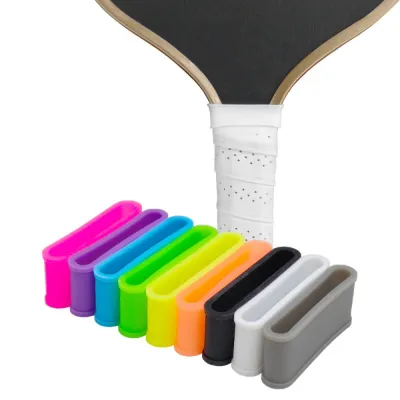
Prices are valid at publication and may change. Please refer to the product page for the latest price.
Finally, take a moment to inspect the structural integrity of the wooden handle. Check for any splinters, cracks, or soft spots caused by moisture absorption. If the wood is splintered, you can wrap a thin layer of electrical tape or specialized cushion wrap around the bare wood to seal it before applying your main grip. Ensuring a smooth, dry, and solid base is essential for the new grip ease band to adhere properly and stay in place during fast-paced play.
Step-by-Step Guide to Applying the Grip Ease Band
Wrapping a grip ease band requires patience and a steady hand to achieve a professional finish. Start at the bottom of the racket handle, specifically at the butt cap. Most grip ease bands come with a tapered end that has a small adhesive strip on the back. Peel off the protective backing of this adhesive tab and press it firmly against the bottom edge of the butt cap. If you are right-handed, you will want to wrap the band clockwise (looking down from the top of the racket) so that your fingers naturally close over the seams during play; left-handed players should wrap counter-clockwise.

Anchor the starting point by wrapping one full turn around the butt cap without any upward angle. This initial anchor wrap covers the bottom edge completely and prevents the grip from sliding up later. Once the base is secure, begin wrapping upward toward the cone of the racket at a slight diagonal angle. Maintain consistent, firm tension on the band as you pull and wrap. Do not pull so hard that the material deforms or thins out, but keep it taut enough to eliminate any air bubbles or loose pockets.
As you spiral up the handle, maintain a uniform overlap. A standard guideline is to overlap about one-eighth to one-quarter of the band’s width on each turn. This creates a smooth, continuous surface without bulky ridges or exposed gaps. Keep your eyes on the bevels of the handle to ensure the wrap remains straight and even all the way up.
When you reach the top of the handle near the plastic cone, you will likely have some excess material. To finish the wrap cleanly, hold the grip firmly against the handle and use a pair of scissors to cut the band diagonally. The cut should start from the top edge and angle downward, creating a straight, flat edge that aligns perfectly with the top of the handle or the bottom of the cone.
Secure this angled end by wrapping it tightly with the provided finishing tape. Wrap the finishing tape around the top of the grip two or three times, pulling it taut to seal the edge. This prevents the grip ease band from unraveling when you change your hand position or transition between forehand and backhand grips during a match.
Adjusting Tension and Overlap for Your Playing Style
The beauty of applying your own grip ease band is the ability to customize the handle’s feel to match your hand size and playing preferences. By altering how tightly you pull the band and how much you overlap each turn, you can drastically change the racket’s feedback and comfort level.
If you prefer a highly cushioned feel that absorbs shock and reduces strain on your wrist and elbow, increase the overlap to about one-half of the band’s width. This double-layering effect creates a thicker, softer handle that is excellent for players with larger hands or those who play a defensive, control-oriented game. The extra cushioning helps absorb the impact of heavy smashes, though it slightly reduces your ability to feel the distinct bevels of the handle.
Conversely, if you rely on quick finger movements, precise net play, and rapid grip transitions, you will want a thinner grip. To achieve this, minimize the overlap to just a few millimeters—just enough to cover the seams. This layout preserves the sharp edges of the wooden handle, allowing your fingers to instantly register the racket’s angle for precise shot placement.
Regardless of your preferred thickness, managing wrapping tension is critical. Pulling the band too loosely will cause it to shift, bunch up, or slip mid-swing, which can ruin your shots or cause the racket to fly out of your hand. Pulling it too tightly, however, stretches the material thin, stripping away its built-in cushioning and tackiness. Aim for a balanced, firm stretch that keeps the material flat and secure against the handle.
Common Wrapping Mistakes and How to Fix Them
Even experienced players occasionally make mistakes when wrapping a new grip ease band. Recognizing these errors early allows you to unwrap and correct them before the adhesive sets or the material becomes permanently creased.
One of the most common mistakes is wrapping in the wrong direction relative to your dominant hand. If a right-handed player wraps counter-clockwise, the friction from their palm and fingers during a smash will naturally push against the seams, causing the grip to peel back and roll up. If you notice the edges of your grip lifting after just one session, unwrap the band and re-apply it in the opposite direction.
Another frequent issue is leaving gaps between the wraps. This usually happens when trying to stretch a short grip to cover a long handle. Gaps expose the underlying base grip or wood to sweat, which quickly degrades the handle and creates uncomfortable rough spots. If you run out of grip before reaching the top, do not try to stretch it thinner; instead, reduce the overlap slightly or use a dedicated overgrip designed for longer handles.
Lastly, avoid stretching the band excessively during application. Over-stretching destroys the microscopic pores in polyurethane or fabric grips, reducing their ability to absorb moisture and provide tackiness. If the grip feels hard, thin, and slippery immediately after wrapping, you have pulled it too tight. Gently unwrap it and re-apply with moderate, even tension.
Caring for and Replacing Your Grip Ease Band
In the tropical climate of the Philippines, high humidity and intense heat mean your grip ease band will face constant exposure to sweat, oils, and dirt. Proper maintenance is essential to prolong the life of your grip and maintain a secure hold. While a quality grip ease band is relatively inexpensive—often costing between ₱100 and ₱300—regularly replacing it is one of the most cost-effective ways to maintain your racket’s performance.
After every playing session, use a clean, dry towel to wipe down the grip. This simple step removes excess moisture and prevents sweat from soaking deep into the material, which can cause bacteria growth and unpleasant odors. Avoid leaving your racket inside a hot car trunk or in direct sunlight, as extreme heat dries out the polyurethane, causing it to lose its tackiness and crumble prematurely. Store your racket in a dedicated thermal bag in a cool, dry room.
Knowing when to replace your grip ease band is crucial for maintaining peak performance. Physical signs such as a loss of tackiness, visible fraying along the seams, discoloration, or a slippery feel during play indicate that the material has degraded. If you find yourself squeezing the racket harder than usual just to keep it from slipping, it is time to spend a few minutes re-wrapping your handle with a fresh band.
Frequently Asked Questions (FAQ)
Should I remove the original factory grip before applying a grip ease band?
If your grip ease band is classified as an overgrip, it is designed to be wrapped directly over the original factory base grip. The base grip provides the necessary underlying cushion, while the overgrip adds tackiness and sweat absorption. However, if you are using a thicker replacement grip, you must remove the original factory grip down to the bare wood first. Applying a thick replacement grip over an existing base grip will make the handle excessively bulky, reducing your control and making it difficult to feel the handle’s bevels.
How often should I change the grip ease band on my racket?
The frequency of replacement depends on how often you play, how much your hands sweat, and the local playing conditions. In humid environments, grips tend to lose their tackiness and accumulate dirt faster. As a general rule, recreational players who play once or twice a week should replace their grip ease band every four to six weeks. Frequent players or competitive athletes may need to re-wrap their rackets every one to two weeks, or as soon as they notice the grip slipping during high-speed swings.
Community discussion
Share your experience or ask a question. Comments are reviewed before publication.